
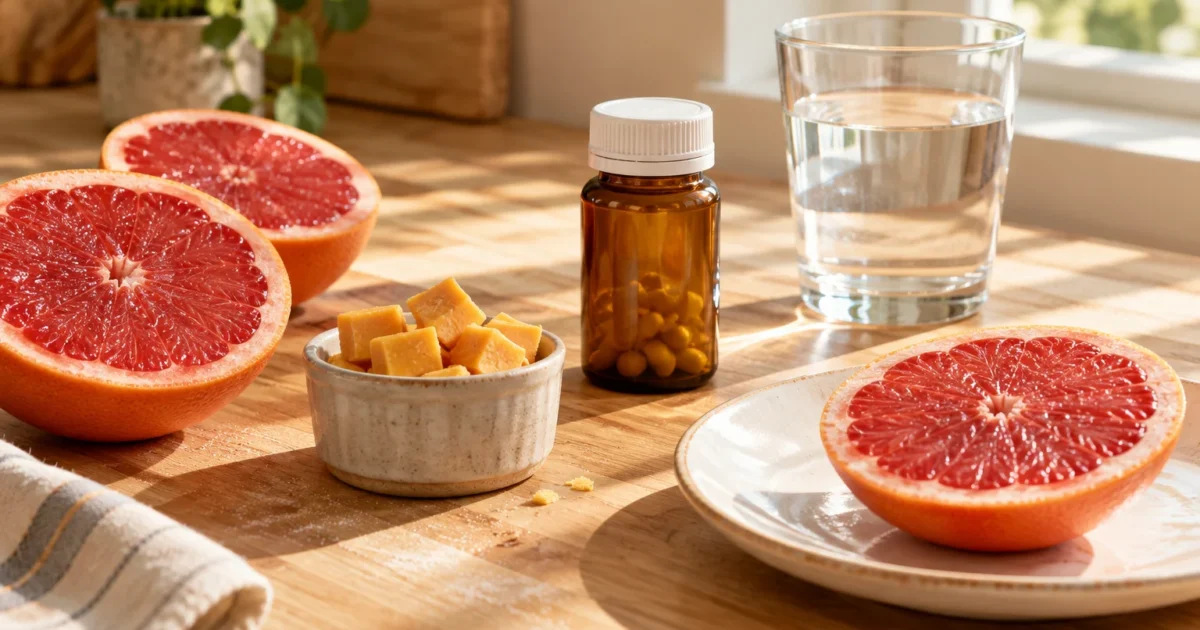
What you eat directly alters how your body absorbs, processes, and metabolizes antidepressant medication. Knowing which grocery staples trigger adverse reactions protects your physical safety and keeps your mental health recovery on track.
Common foods like citrus, fermented proteins, and morning beverages can alter liver enzymes or cause sudden blood pressure spikes. These dietary clashes can undermine your therapy or produce uncomfortable, frightening physical symptoms.
Fortunately, simple awareness empowers you to enjoy balanced meals while safeguarding your daily treatment plan. Learning these eight key interactions helps you navigate your prescription with confidence and clarity.
How Dietary Choices Impact Antidepressant Metabolism
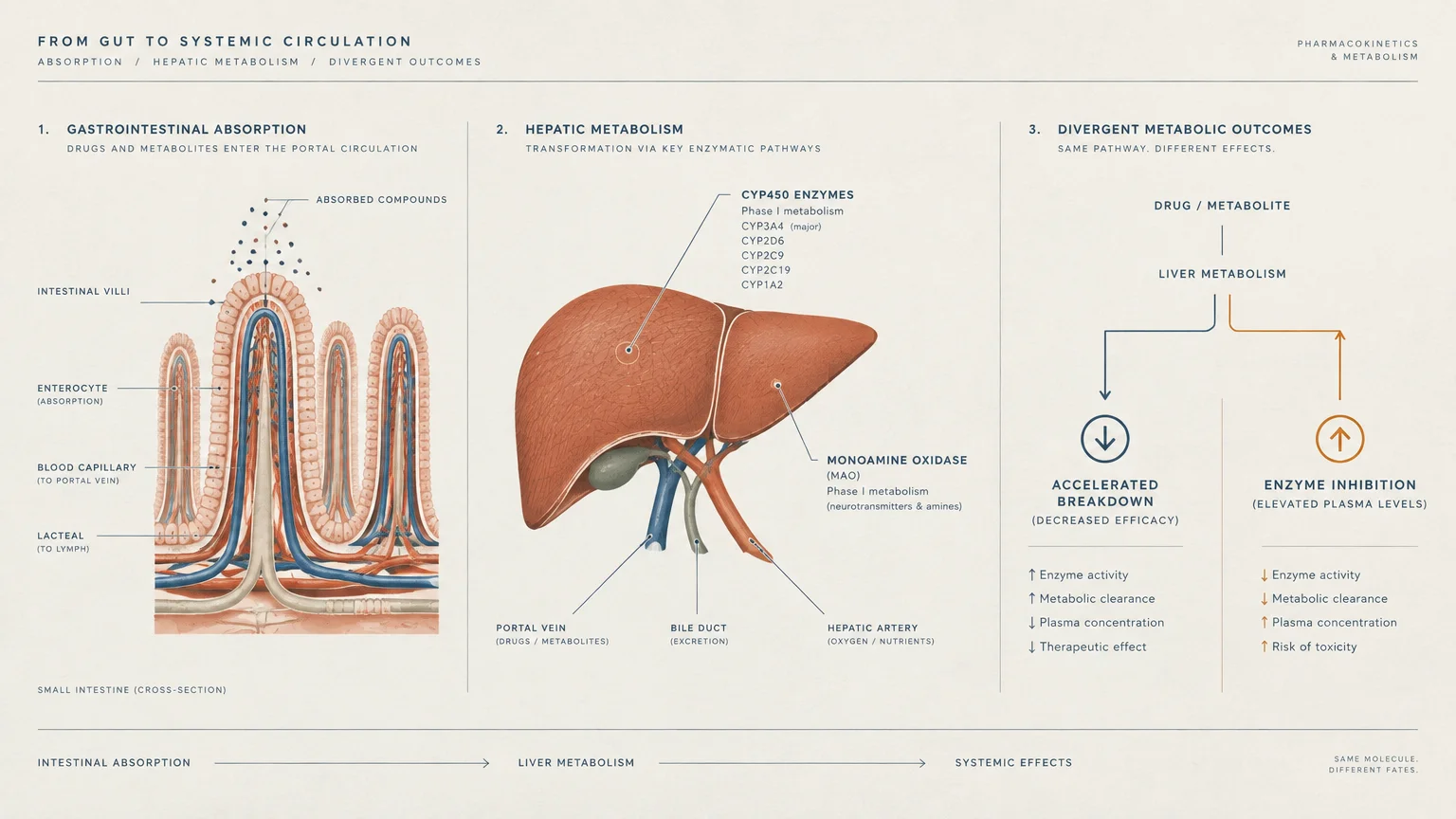
When you swallow a prescription tablet, your gastrointestinal tract absorbs the active chemical compounds. From there, your bloodstream carries these molecules directly into your liver for enzymatic processing.
Specialized liver enzymes, known collectively as the cytochrome P450 system, break down these medications at a predictable rate. Certain nutrients either accelerate this breakdown or shut it down entirely.
When an ingredient speeds up metabolism, your blood levels of the drug plummet, causing symptoms of depression or anxiety to return. Conversely, slowing metabolism allows drug concentrations to rise to toxic levels.
Another critical pathway involves monoamine oxidase, an enzyme that neutralizes dietary amines in your gut wall. Blocking this enzyme leaves your cardiovascular system vulnerable to sudden amine surges.
As research from the National Institute of Mental Health emphasizes, understanding medication dynamics helps you make informed daily lifestyle choices.
1. Aged Cheeses and High-Tyramine Dairy
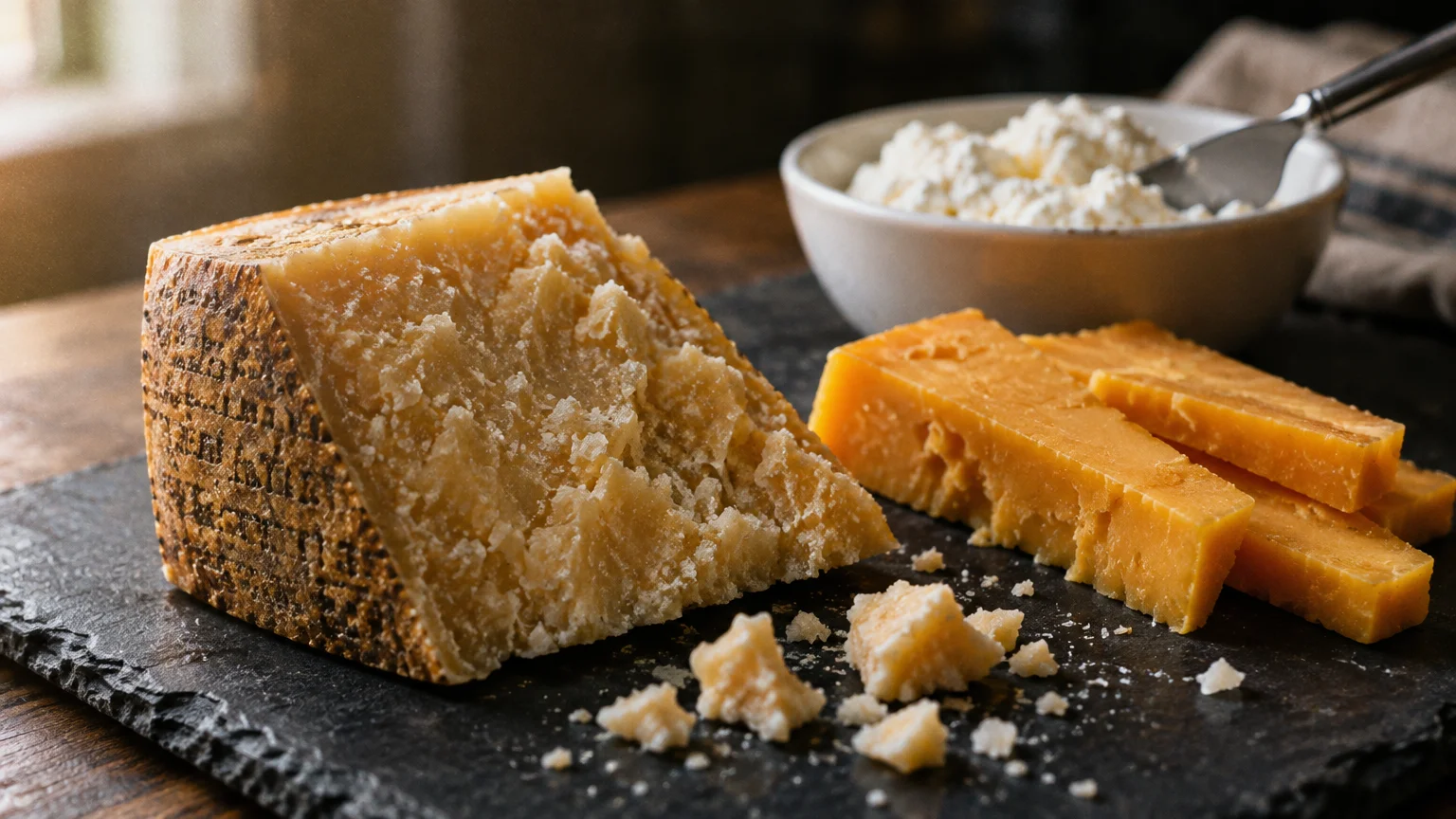
Aged cheeses represent the classic trigger for severe antidepressant food interactions. Varieties like aged cheddar, blue cheese, parmesan, and gouda develop substantial concentrations of tyramine during aging.
Tyramine is an amino acid derivative that naturally regulates vascular tension and systemic blood pressure. Normally, gut enzymes rapidly dismantle tyramine before it reaches systemic circulation.
If you take a monoamine oxidase inhibitor (MAOI), such as phenelzine or tranylcypromine, those digestive enzymes remain inactive. Tyramine floods your bloodstream, triggering an abrupt release of stored norepinephrine.
This surge causes peripheral blood vessels to constrict sharply, leading to a life-threatening hypertensive crisis. Symptoms include occipital headaches, heart palpitations, neck stiffness, and visual disturbances.
Clinical guidance from the Mayo Clinic confirms that MAOI diet restrictions require avoiding aged dairy completely. You can safely substitute fresh options like cottage cheese, ricotta, and cream cheese instead.
2. Grapefruit and Intestinal Enzyme Blockade
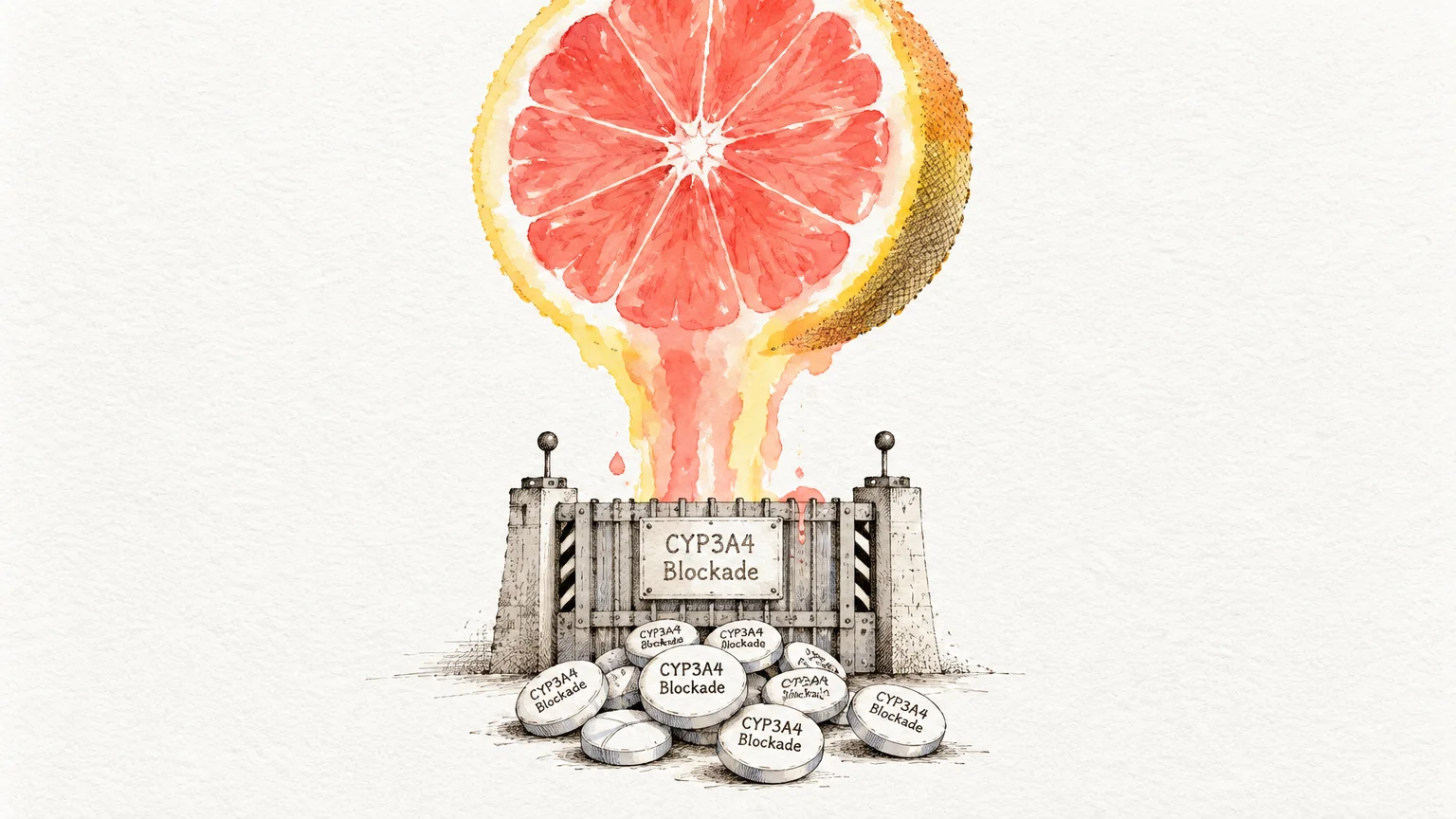
Grapefruit and fresh grapefruit juice contain bioactive compounds called furanocoumarins. These molecules bind to and disable an essential metabolic enzyme named CYP3A4 in your intestinal lining.
Without active CYP3A4, your body cannot break down certain selective serotonin reuptake inhibitors (SSRIs) during normal absorption. Consequently, a much larger dose enters your bloodstream than your doctor intended.
The combination of an SSRI and grapefruit can trigger elevated plasma concentrations, particularly with sertraline or tricyclic antidepressants. This sudden spike amplifies adverse side effects like severe nausea, dizziness, heart rhythm irregularities, and tremors.
According to investigative reports from Harvard Health, a single glass of juice can inhibit enzymes for up to three days. Separating your morning dose from grapefruit consumption by a few hours will not prevent this interaction.
If your prescription interacts with this citrus fruit, swap it for safe alternatives like naval oranges, clementines, or strawberries.

3. Alcohol and Nervous System Suppression
Alcohol acts as a central nervous system depressant that directly counteracts the therapeutic benefits of antidepressant therapy. Combining alcoholic drinks with medication places extra metabolic stress on your liver.
When consumed alongside SSRIs or serotonin-norepinephrine reuptake inhibitors (SNRIs), alcohol heightens sedation and impairs cognitive reaction times. You may experience exaggerated motor clumsiness and severe memory lapses.
Mixing alcohol with bupropion presents an even more serious risk by significantly lowering your seizure threshold. In addition, chronic alcohol use strains hepatic pathways, potentially worsening liver toxicity when combined with duloxetine.
Alcohol also disrupts your natural sleep architecture and triggers emotional rebounds the following day. These neurochemical dips can mimic or intensify depressive episodes, leaving you feeling frustrated and discouraged.
Healthcare professionals at the Cleveland Clinic advise discussing your alcohol intake honestly with your prescribing provider before having a drink.
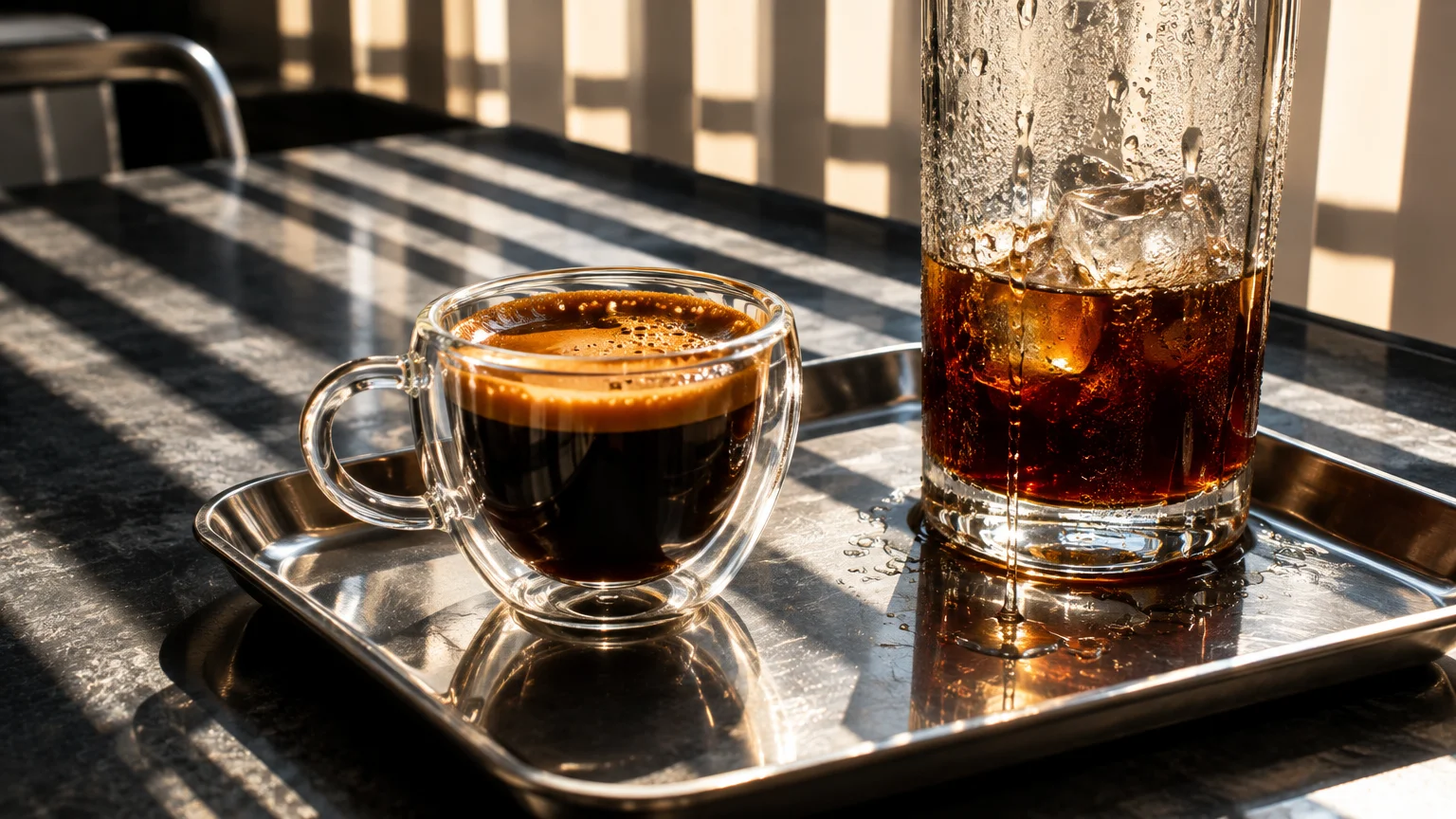
4. Concentrated Caffeine and Stimulant Beverages
Morning coffee, matcha lattes, and high-octane energy drinks provide rapid stimulation through caffeine. For most people on SSRIs, moderate caffeine intake remains relatively harmless.
However, the SSRI fluvoxamine potently inhibits the liver enzyme CYP1A2, which is responsible for breaking down caffeine. This metabolic blockade can increase circulating caffeine levels by nearly fivefold.
As a result, a single cup of coffee can feel like drinking five cups in rapid succession. You might develop racing heartbeats, intense muscular tremors, acute insomnia, and heightened panic sensations.
Individuals taking MAOIs or SNRIs must also monitor caffeine carefully, as combined stimulant properties can elevate resting blood pressure. Switching gradually to decaffeinated blends or herbal teas helps maintain your calm baseline.
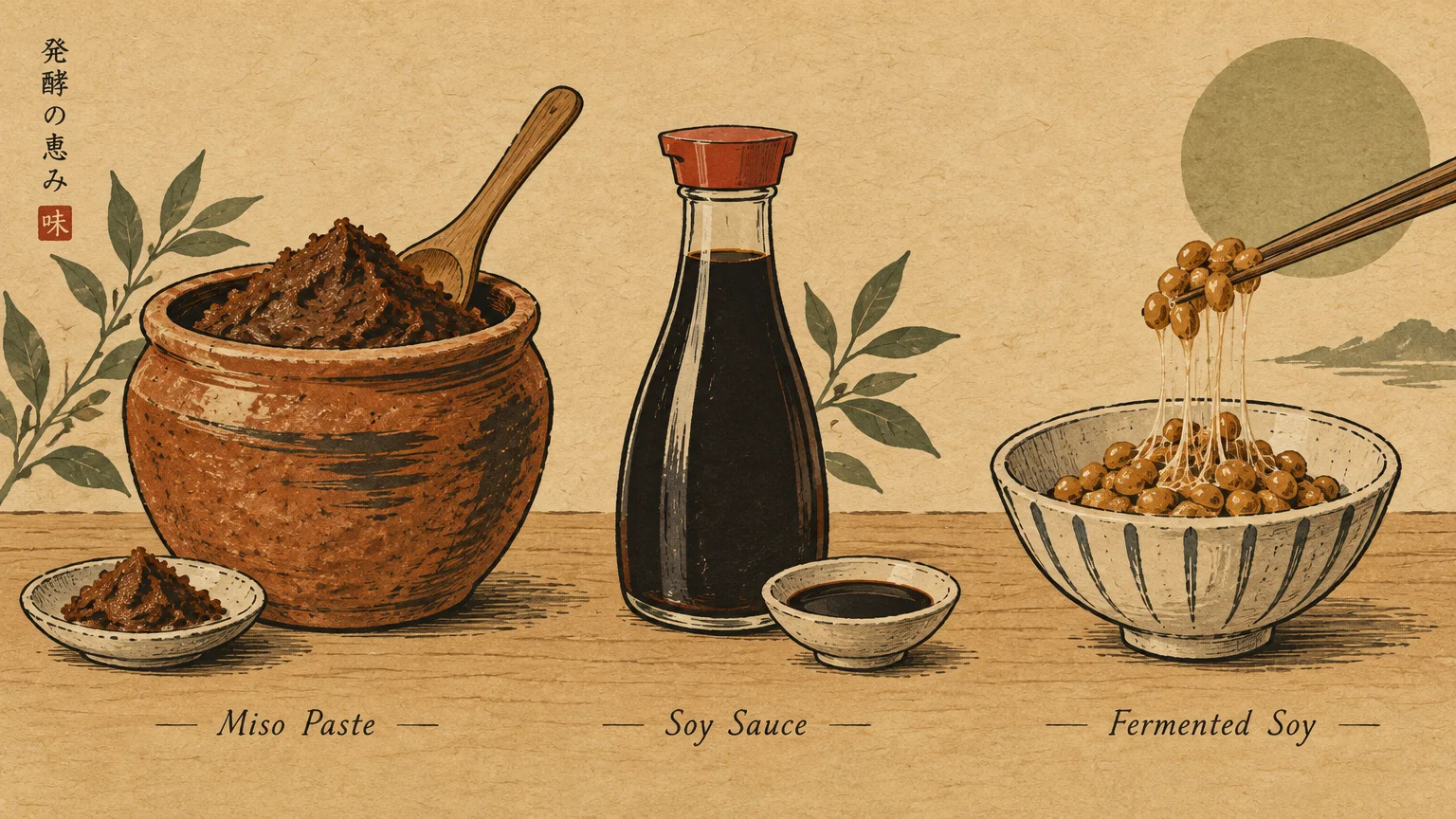
5. Fermented Soy Products and Savory Condiments
Soybeans naturally contain substantial amounts of the amino acid tyrosine, which microbes convert into tyramine during prolonged fermentation. Common Asian condiments and proteins feature prominent concentrations of this compound.
Fermented products like traditional soy sauce, tamari, miso soup paste, tempeh, and fermented bean curd carry substantial tyramine loads. Ingesting these while on MAOIs can spark dangerous cardiovascular surges.
Modern commercial soy milk and fresh edamame generally do not undergo aging, making them safer options for everyday meals. Fresh tofu is acceptable if consumed immediately, but leftovers can rapidly accumulate tyramine in your refrigerator.
To protect your vascular health, inspect ingredient lists on marinades, stir-fry bases, and pre-packaged sushi meals. You can substitute coconut aminos for soy sauce to preserve rich flavor safely.
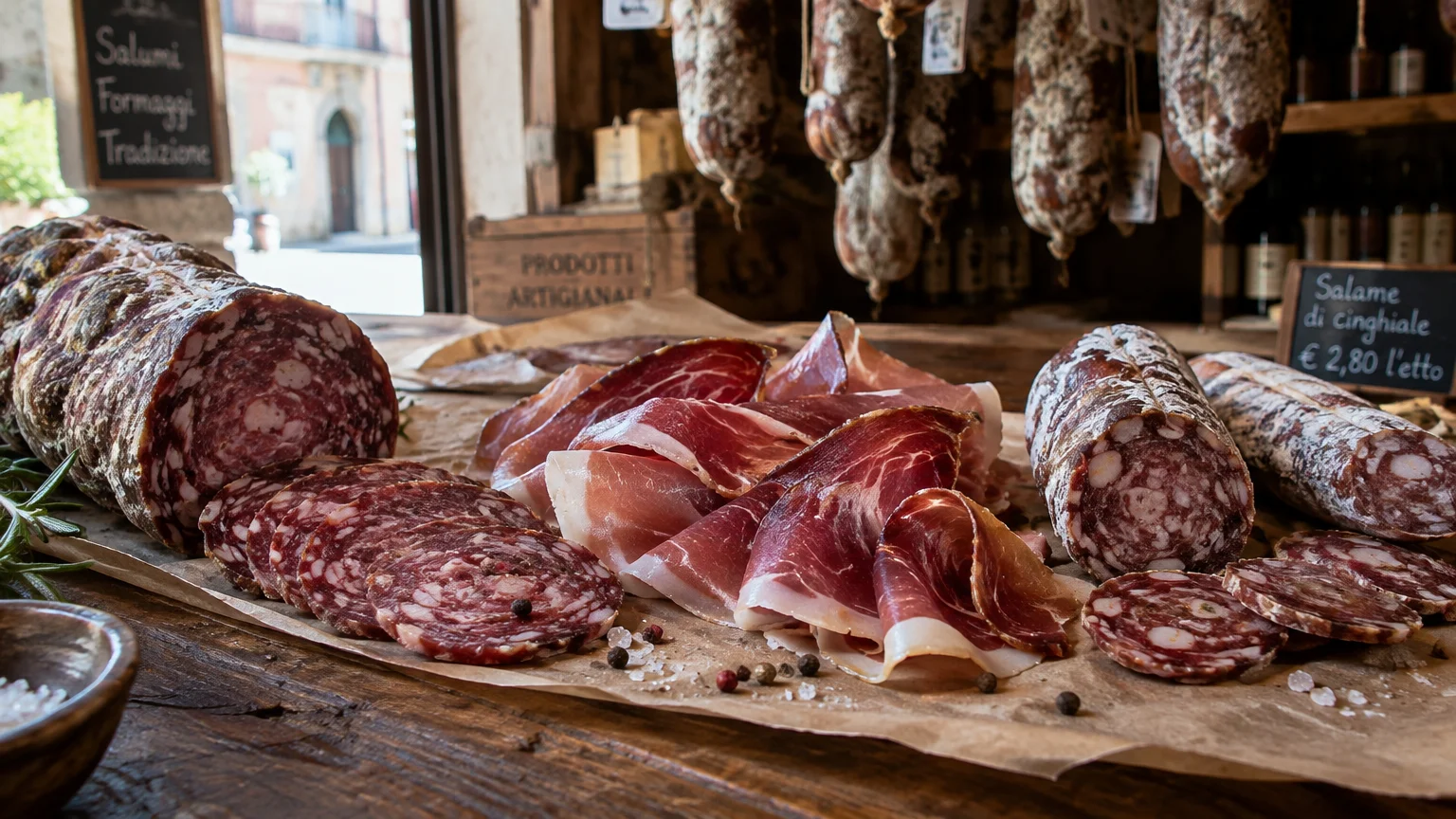
6. Cured, Smoked, and Processed Meats
Charcuterie boards, dry sausages, and delicatessen staples undergo microbial curing processes that cultivate deep savory flavors. Unfortunately, this chemical process generates hazardous levels of dietary amines.
Salami, pepperoni, mortadella, prosciutto, and summer sausage require months of bacterial curing. Eating these meats while taking MAOI medications can quickly destabilize your blood pressure.
Smoked or pickled fish, such as lox and pickled herring, harbor similar risks due to protein degradation. Even spoiled or improperly stored fresh poultry can produce enough tyramine to trigger adverse reactions.
Choose freshly prepared poultry, lean cuts of beef, or fresh seafood cooked on the same day instead. Consuming fresh proteins eliminates the risk of amine accumulation while meeting your daily nutritional goals.
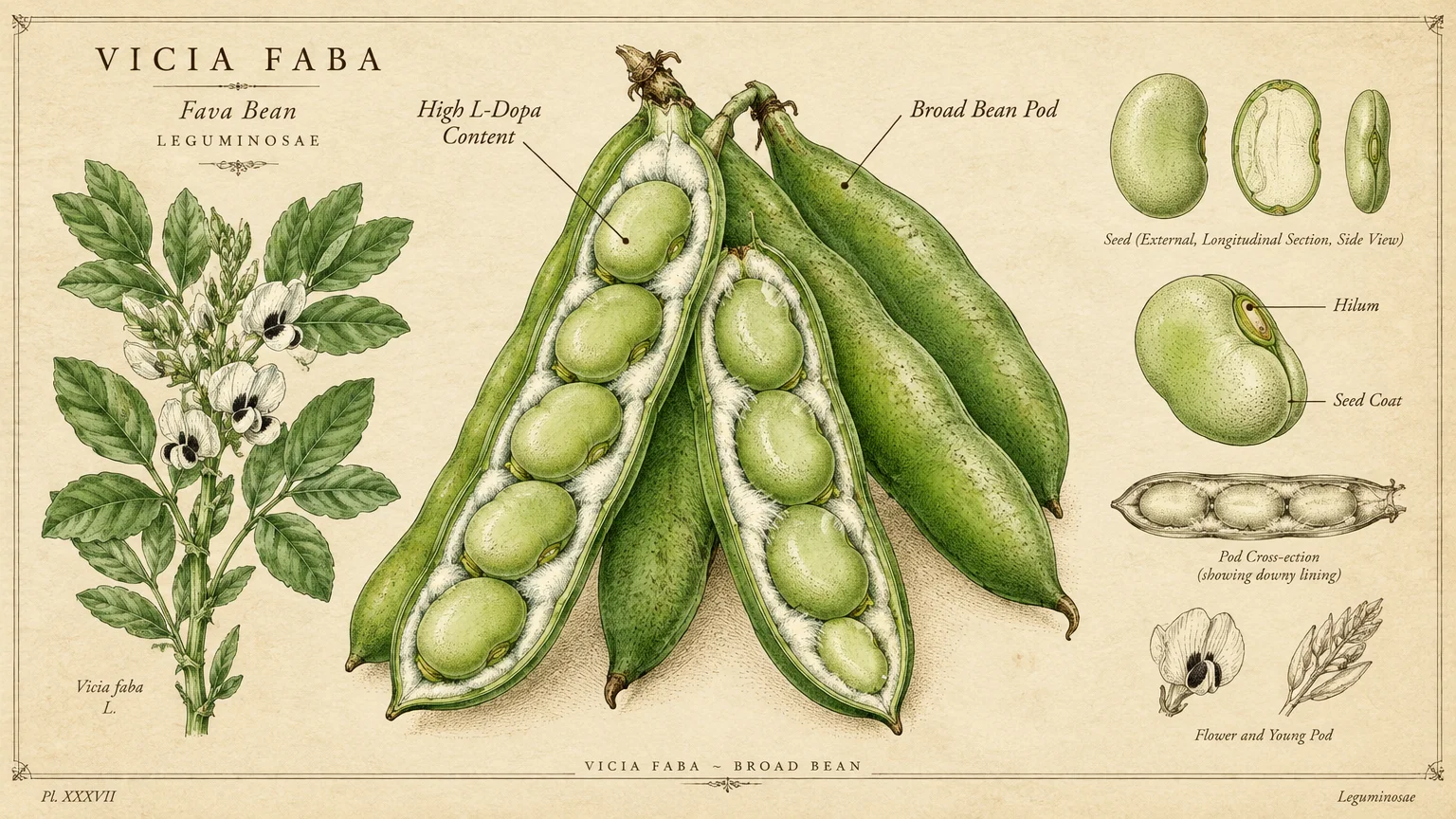
7. Fava Beans and Broad Pods
Fava beans, also known as broad beans, carry a distinct biochemical risk profile unlike other common legumes. These green pods contain high quantities of levodopa, an immediate chemical precursor to dopamine.
Inside your body, peripheral enzymes rapidly convert levodopa into dopamine, norepinephrine, and epinephrine. Under standard conditions, intestinal MAO enzymes regulate these active neurotransmitters without incident.
When an MAOI suppresses these enzymes, dietary levodopa triggers an explosive accumulation of catecholamines in your peripheral circulation. This surge can provoke severe hypertension, irregular heart rhythms, and acute vascular stress.
This biochemical interaction does not apply to other popular legumes like pinto beans, chickpeas, black beans, or lentils. You can safely enjoy these versatile fiber sources as nourishing staples in your routine.
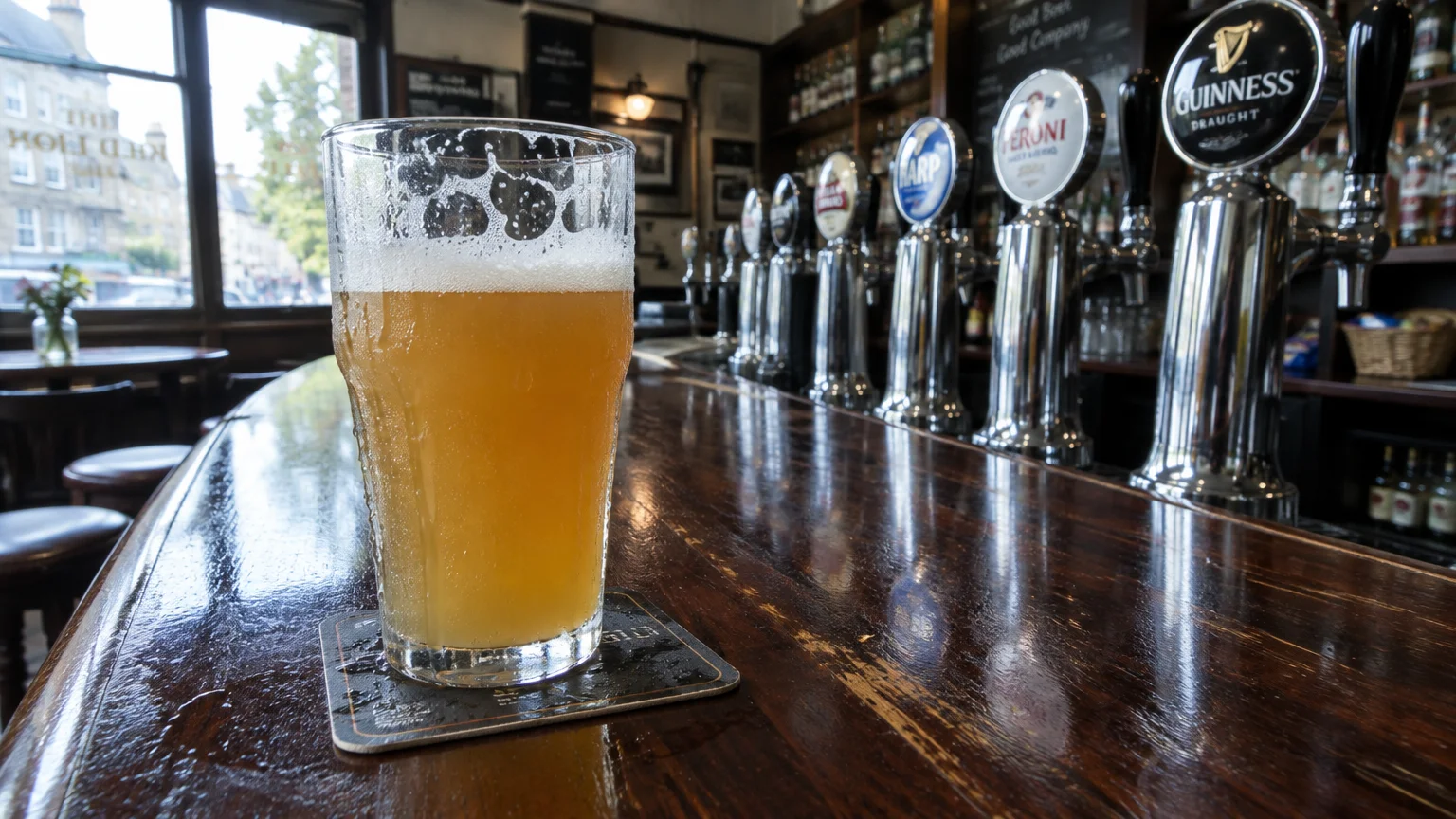
8. Tap Beer and Unpasteurized Fermentations
Draught beer served directly from commercial taps poses an unexpected risk for people taking MAOIs. Keg lines and draught systems often harbor active brewer’s yeast that continues fermenting residual sugars.
This ongoing micro-fermentation generates unpredictable spikes of tyramine in the poured beverage. Commercially pasteurized, bottled, or canned domestic beers carry lower tyramine concentrations, though alcohol interactions still apply.
Unpasteurized fermented foods like artisan kimchi, raw sauerkraut, and probiotic kombucha present identical concerns. The living bacterial and yeast colonies inside these products steadily produce tyramine as they sit on refrigerator shelves.
When shopping, select pasteurized versions or make fresh cabbage salads and slaws at home. Simple kitchen habits keep your digestion happy without compromising your mental health medication.
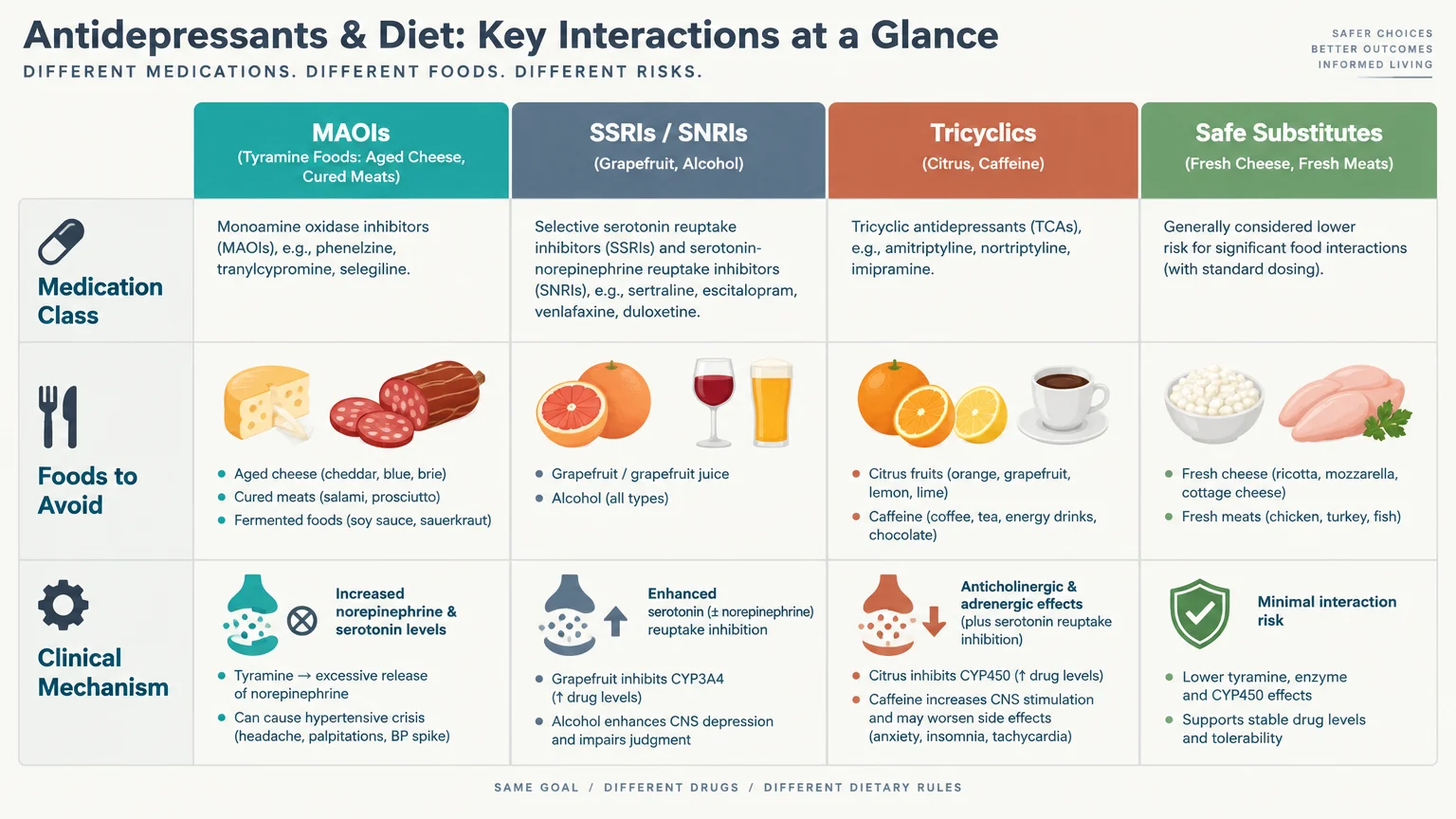
Summary of Antidepressant and Food Interactions
Navigating dietary cautions becomes far simpler when you categorize foods by medication class and biological mechanism. The following reference chart summarizes key foods to avoid on antidepressants and outlines practical adjustments.
| Food Item | Medication Class Affected | Primary Biological Mechanism | Practical Action |
|---|---|---|---|
| Aged Cheeses | MAOIs | Tyramine build-up triggers sudden norepinephrine release | Switch to fresh ricotta, cream cheese, or cottage cheese |
| Grapefruit and Juice | SSRIs (sertraline), TCAs | Intestinal CYP3A4 inhibition increases blood drug levels | Substitute with oranges, tangerines, or fresh berries |
| Alcoholic Drinks | SSRIs, SNRIs, Bupropion | CNS depression and lowered seizure threshold | Avoid mixing drinks; discuss moderation with your doctor |
| Concentrated Caffeine | Fluvoxamine, MAOIs, SNRIs | CYP1A2 inhibition multiplies caffeine levels | Transition to decaf coffee or non-stimulant herbal teas |
| Fermented Soy Condiments | MAOIs | Microbial fermentation concentrates dietary tyramine | Use fresh edamame and substitute coconut aminos |
| Cured Charcuterie Meats | MAOIs | Bacterial aging and protein breakdown generate tyramine | Prepare freshly cooked chicken, lean beef, or fish |
| Fava Beans | MAOIs | High levodopa levels convert to excess catecholamines | Choose black beans, chickpeas, or green garden peas |
| Draught Tap Beer | MAOIs, All Sedating Classes | Active brewer’s yeast drives continuous tyramine production | Choose pasteurized packaged drinks in strict moderation |
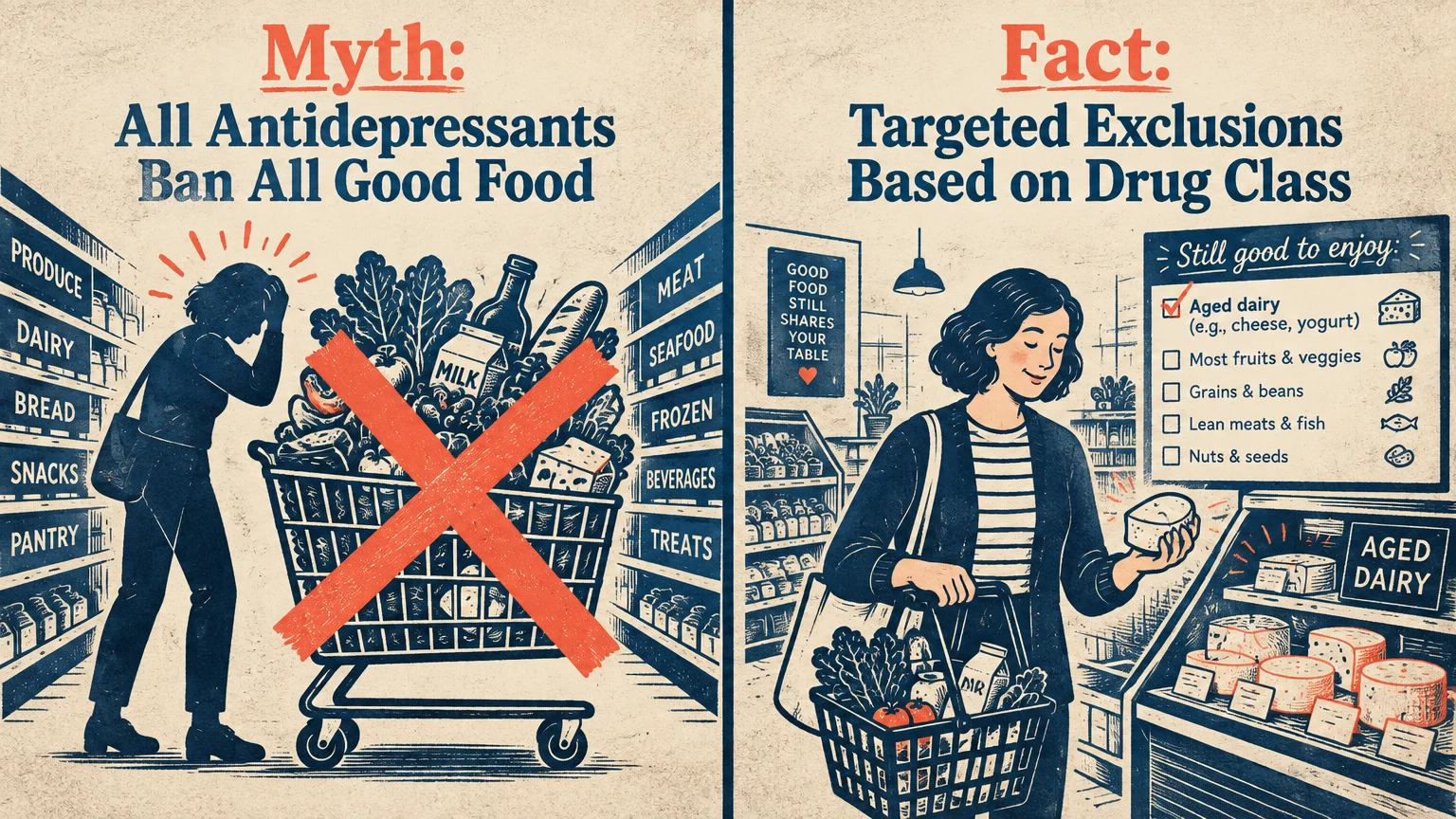
Common Misconceptions
Many people assume that modern antidepressants have eliminated dietary restrictions entirely. While newer SSRIs and SNRIs avoid the severe tyramine crisis linked with older MAOIs, subtler interactions still occur daily.
For instance, grapefruit profoundly impacts SSRI concentrations, while caffeine interacts dramatically with fluvoxamine. Assuming all contemporary medications are immune to dietary interference leaves you vulnerable to unpleasant complications.
Another frequent myth suggests that thorough cooking or reheating neutralizes problematic food compounds. However, tyramine and furanocoumarins are heat-stable chemical structures that survive boiling, baking, and frying unharmed.
Some believe taking pills several hours away from meals eliminates any interaction danger. Unfortunately, intestinal enzyme inhibition and circulating tyramine effects last far longer than the immediate digestive window.
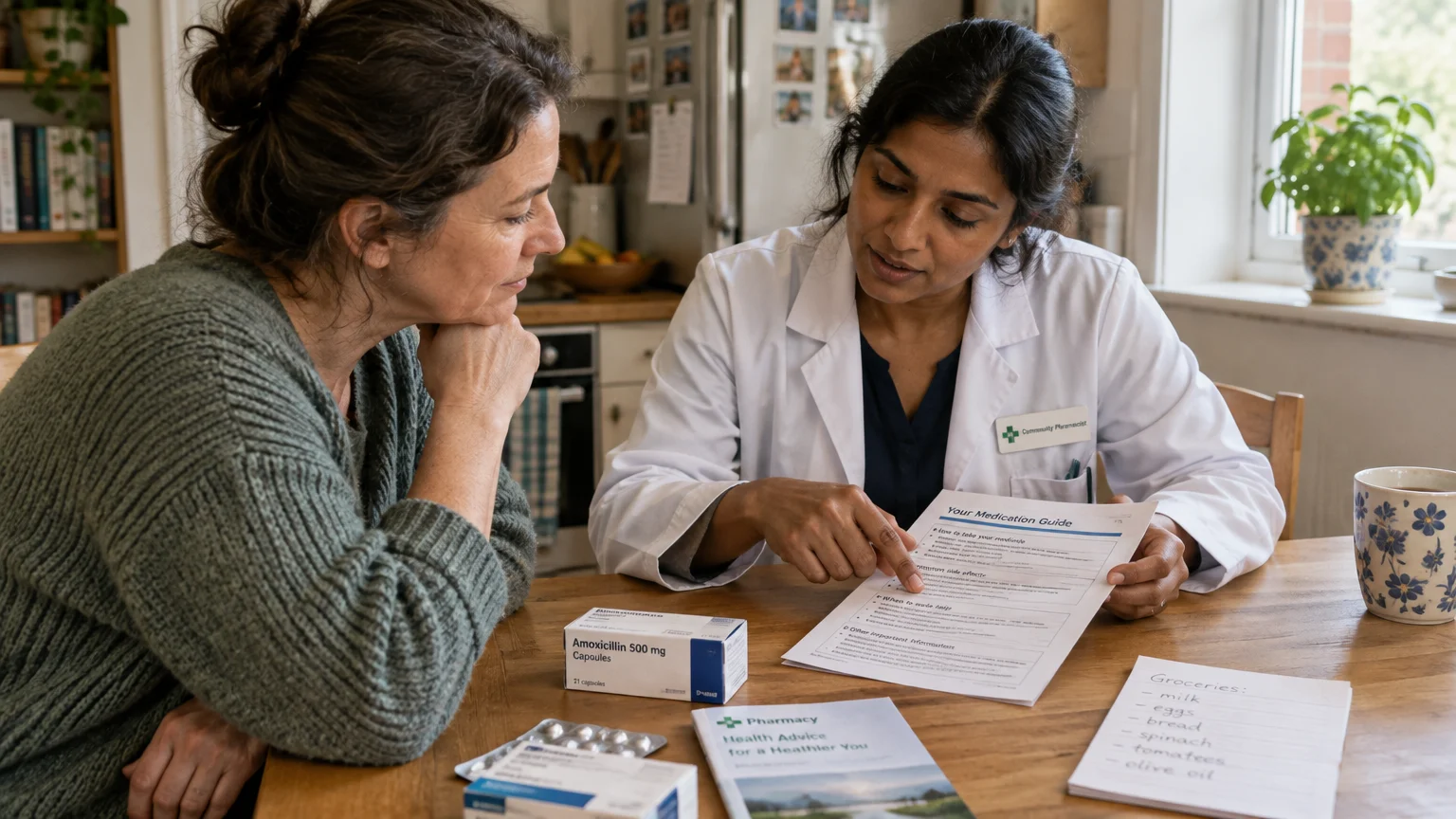
Finding the Right Professional Help
Nutritional science and psychiatric care intersect in complex ways that vary across different bodies. Seeking specialized medical guidance ensures you manage these dietary nuances without sacrificing nutritional diversity.
You should schedule a dedicated consultation with your prescribing doctor or clinical pharmacist if you encounter any of the following circumstances:
- You experience sudden headaches, pounding heartbeats, or severe nausea shortly after eating.
- You are transitioning to an MAOI or adding a second psychiatric medication to your regimen.
- You have a co-occurring history of disordered eating and feel overwhelmed by restrictive meal guidelines.
- You take daily over-the-counter herbal supplements, digestive tinctures, or specialized sports nutrition products.
A licensed psychiatrist or pharmacist can review your complete medication profile alongside your typical grocery habits. Registered dietitians specializing in mental health can also design flavorful meal plans tailored to your prescription.
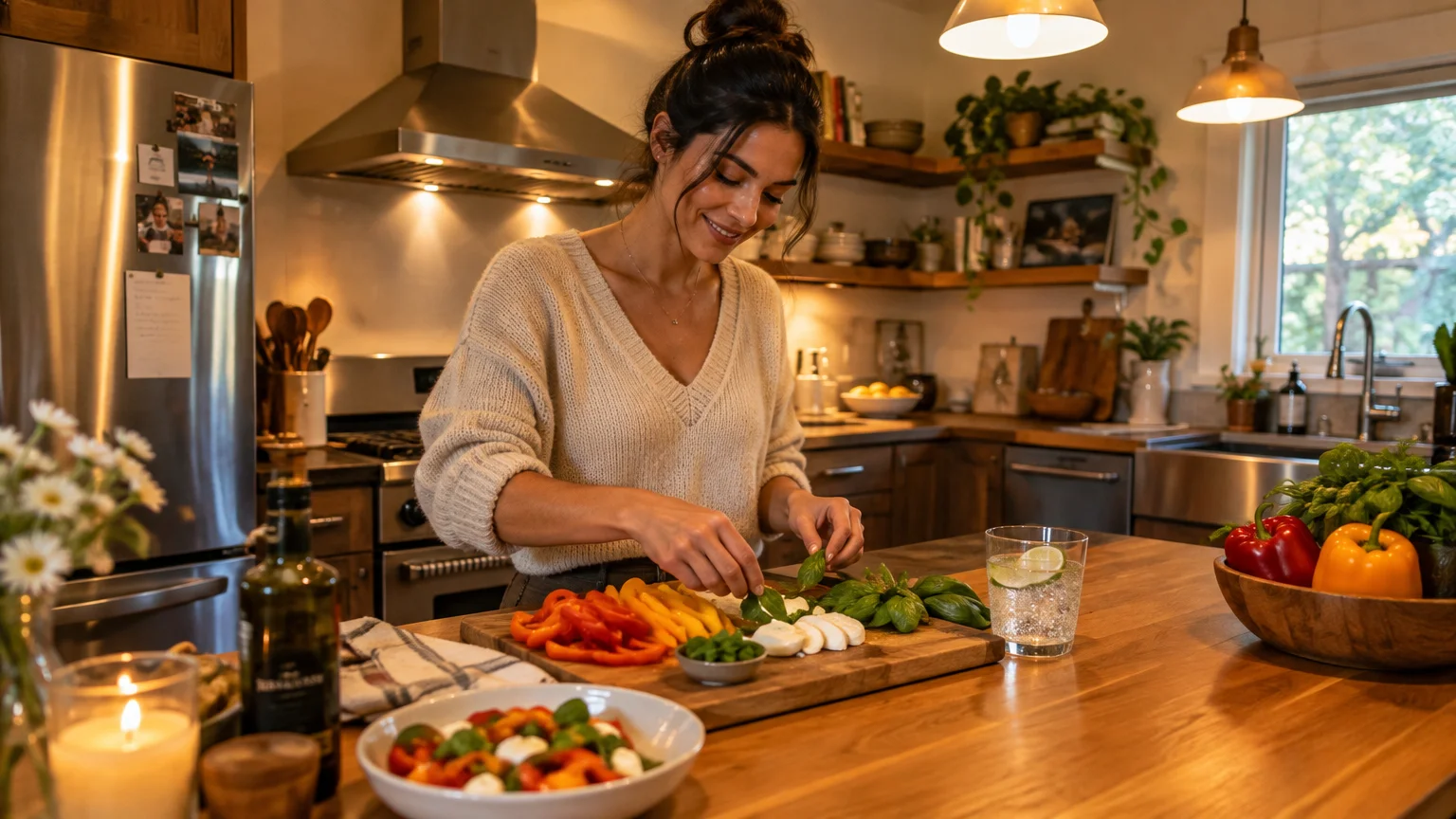
Adapting Your Lifestyle With Self-Compassion
Adjusting your diet to accommodate medication can occasionally feel restrictive or emotionally draining. Embracing these adjustments as acts of self-care helps you sustain positive momentum in your recovery.
“The curious paradox is that when I accept myself just as I am, then I can change.” — Carl Rogers, Ph.D.
Giving yourself permission to learn and adapt your kitchen routines is an active, compassionate step toward wellness. Small daily adjustments honor both your mental peace and your physical vitality.
Frequently Asked Questions
Can I drink coffee while taking an SSRI?
Most individuals taking standard SSRIs can safely enjoy one or two cups of coffee daily. However, if you take fluvoxamine, your body clears caffeine much slower, which can cause intense jitteriness and rapid heartbeats.
What should I do if I accidentally eat high-tyramine food on an MAOI?
Monitor yourself closely for severe throbbing headaches, visual disturbances, chest pain, or sudden nausea. If these symptoms develop, seek emergency medical care immediately, as they may indicate a hypertensive crisis.
Does grapefruit interact with every type of antidepressant?
No, grapefruit primarily disrupts medications metabolized by the CYP3A4 enzyme, such as sertraline and certain tricyclics. Many other antidepressants, including escitalopram and fluoxetine, do not rely on this pathway and remain unaffected.
Are herbal teas and supplements considered foods that interact with antidepressants?
Yes, dietary supplements like St. John’s wort and 5-HTP can dangerously elevate serotonin levels when taken with antidepressants. Always consult your pharmacist before adding herbal teas, concentrated extracts, or nutritional supplements to your routine.
Moving Forward With Nutritional Awareness
Managing your mental well-being is a holistic journey bridging clinical therapy, medication, and mindful nourishment. By stocking your pantry with body-supportive choices, you protect your healing and build a resilient foundation for the future.
This article provides general educational information about psychology and relationships. It is not a substitute for professional therapy or medical advice. Everyone’s situation is unique—if you’re struggling, please reach out to a licensed mental health professional.
Last updated: February 2026. Psychology research evolves continuously—verify current findings with professional sources.






Leave a Reply