

You can spend hours talking to someone without ever learning who they really are. When a person harbors a deep fear of being truly known, they build subtle emotional shields to keep you at arm’s length.
Recognizing these self-protective habits helps you understand your relationships with greater clarity and empathy. It also reveals whether your loved one—or even you—struggles with emotional vulnerability fears.
Here are ten distinct behaviors that signal someone fears genuine intimacy, along with grounded steps to foster safety and connection.

Why We Build Walls Against Closeness
The desire for human connection is wired directly into our biology. Yet, for many people, the prospect of being deeply seen triggers an intense threat response.
Psychologists often trace this reaction to early relational experiences and attachment dynamics. According to the American Psychological Association, early attachment patterns significantly influence adult relational functioning and intimacy.
When caregivers meet a child’s vulnerability with criticism, neglect, or rejection, that child learns a simple survival lesson. They conclude that emotional openness leads directly to pain.
In adulthood, this dynamic often manifests as avoidant attachment. People adopt self-protective behaviors to satisfy their social needs without risking authentic exposure.
“Vulnerability is not winning or losing; it’s having the courage to show up and be seen when we have no control over the outcome.” — Brené Brown, Ph.D., LMSW
These defensive patterns are rarely intentional attempts to deceive. Instead, they represent deeply ingrained habits designed to shield an individual from perceived emotional devastation.

10 Behaviors That Signal Someone Fears Being Truly Known
1. Playing the Perpetual Listener
People who fear emotional exposure often position themselves as the therapist or confidant in every conversation. They ask thoughtful questions and listen attentively while deflecting all focus away from themselves.
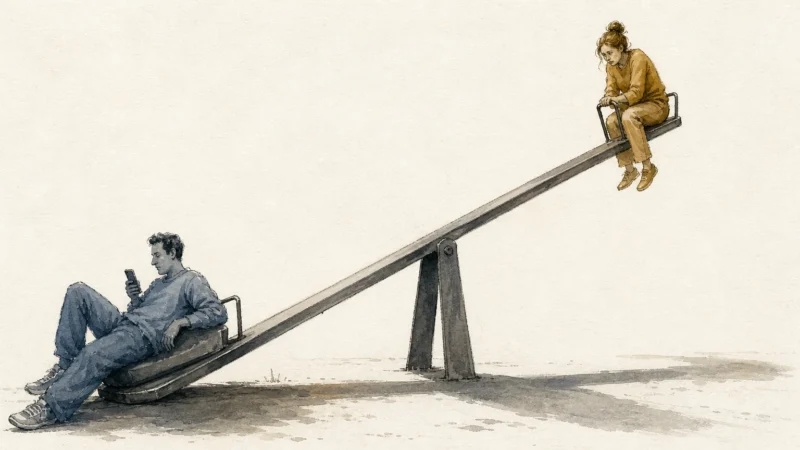
This dynamic feels like genuine intimacy, but it operates as a one-way street. By centering your life, they never have to unpack their own inner world.
Pay attention if someone consistently changes the subject back to you whenever you ask about their feelings. They are likely using curiosity as an emotional shield.
2. Curating “Safe” Flaws Through Perfectionism
Some people seem vulnerable because they willingly discuss personal shortcomings. However, a closer look reveals that they only share curated, socially acceptable flaws.
They might admit to working too hard, drinking too much caffeine, or being messy. Yet, they never mention core insecurities, unresolved grief, or feelings of inadequacy.
This performance of openness allows them to appear transparent without actually revealing anything fragile. It is perfectionism disguised as honesty.
3. Intellectualizing Raw Feelings
When you ask an emotionally avoidant person how they feel, they rarely respond with somatic or emotional words. Instead, they provide an analytical breakdown of the situation.
They treat their internal landscape like an abstract puzzle to solve rather than an experience to endure. You will hear logic, timelines, and rationalizations instead of sadness, joy, or hurt.
Clinical resources from Verywell Mind note that intellectualization serves as a cognitive defense mechanism. It distances an individual from painful emotional states before those feelings can fully register.
4. Weaponizing Deflective Humor
A well-timed joke can ease tension, but chronic humor often masks a fear of emotional closeness. Some people crack jokes the moment a conversation touches upon raw or poignant territory.
They use sarcasm, witty retorts, or self-deprecation to break the emotional frequency of the room. This tactic prevents meaningful depth from taking root.
If you share a tender moment with someone and they immediately mock the sincerity, they may be guarding against vulnerability.
5. Fierce Hyper-Independence
A refusal to ask for help is among the clearest signs someone keeps people at a distance. These individuals take immense pride in handling logistical, financial, and emotional crises entirely alone.
They view relying on another human being as a dangerous liability. In their minds, needing someone creates an opportunity for disappointment or abandonment.
Behind extreme self-reliance usually sits a painful belief: “If I depend on you, you will eventually leave me stranded.”
6. The Sudden “Intimacy Retreat”
Have you ever shared a weekend of extraordinary closeness with someone, only to have them go radio silent for days afterward? This sudden withdrawal is often called an intimacy hangover.
After experiencing authentic closeness, an avoidant nervous system sounds an alarm. The individual feels exposed, overwhelmed, and completely out of control.
They retreat into isolation to recalibrate their internal boundaries. To the partner, it feels like sudden rejection; to the runner, it feels like emotional survival.
7. Nitpicking to Justify Emotional Distance
When relationships progress toward commitment, individuals with a fear of intimacy often develop sudden hyper-critical habits. They obsess over minor partner quirks, chewing sounds, or subtle lifestyle differences.
Attachment researchers categorize these reactions as deactivating strategies. The mind invents flaws in the other person to justify emotional disconnection.
Research published by The Gottman Institute emphasizes that continuous criticism erodes emotional safety and undermines relationship longevity. For avoidant individuals, that erosion serves as a subconscious exit door.
8. Prioritizing Physical Passion Over Emotional Safety
Sexual chemistry can easily be mistaken for deep connection. People who avoid emotional intimacy sometimes lean heavily into passionate, physical romance to bypass psychological vulnerability.
They feel comfortable sharing their bodies because physical desire has tangible boundaries. Yet, engaging in quiet, emotional conversations post-intimacy feels terrifying to them.
When physical intimacy replaces open communication, a relationship remains shallow regardless of how passionate it appears on the surface.
9. Concealing Everyday, Mundane Details
Fear of exposure does not only apply to traumatic memories; it also shows up in routine daily life. Some people avoid sharing their daily schedules, grocery choices, or weekend plans.
They treat ordinary personal details like state secrets. Sharing routine information makes them feel monitored or controlled.
By keeping their daily habits private, they retain an internal feeling of autonomy and emotional invisibility.
10. Chronic People-Pleasing and Social Masking
It sounds counterintuitive, but accommodating everyone is a powerful way to avoid authentic exposure. Chameleon-like behavior ensures that no one meets the real person behind the agreeable exterior.
A habitual people-pleaser agrees with your opinions, mimics your interests, and suppresses their personal preferences. They sacrifice identity to guarantee social acceptance.
“We cannot change, we cannot move away from what we are, until we thoroughly accept what we are.” — Carl Rogers, Ph.D.
When someone never asserts a dissenting opinion, they remain hidden in plain sight. You end up loving a projection rather than their true, vulnerable self.
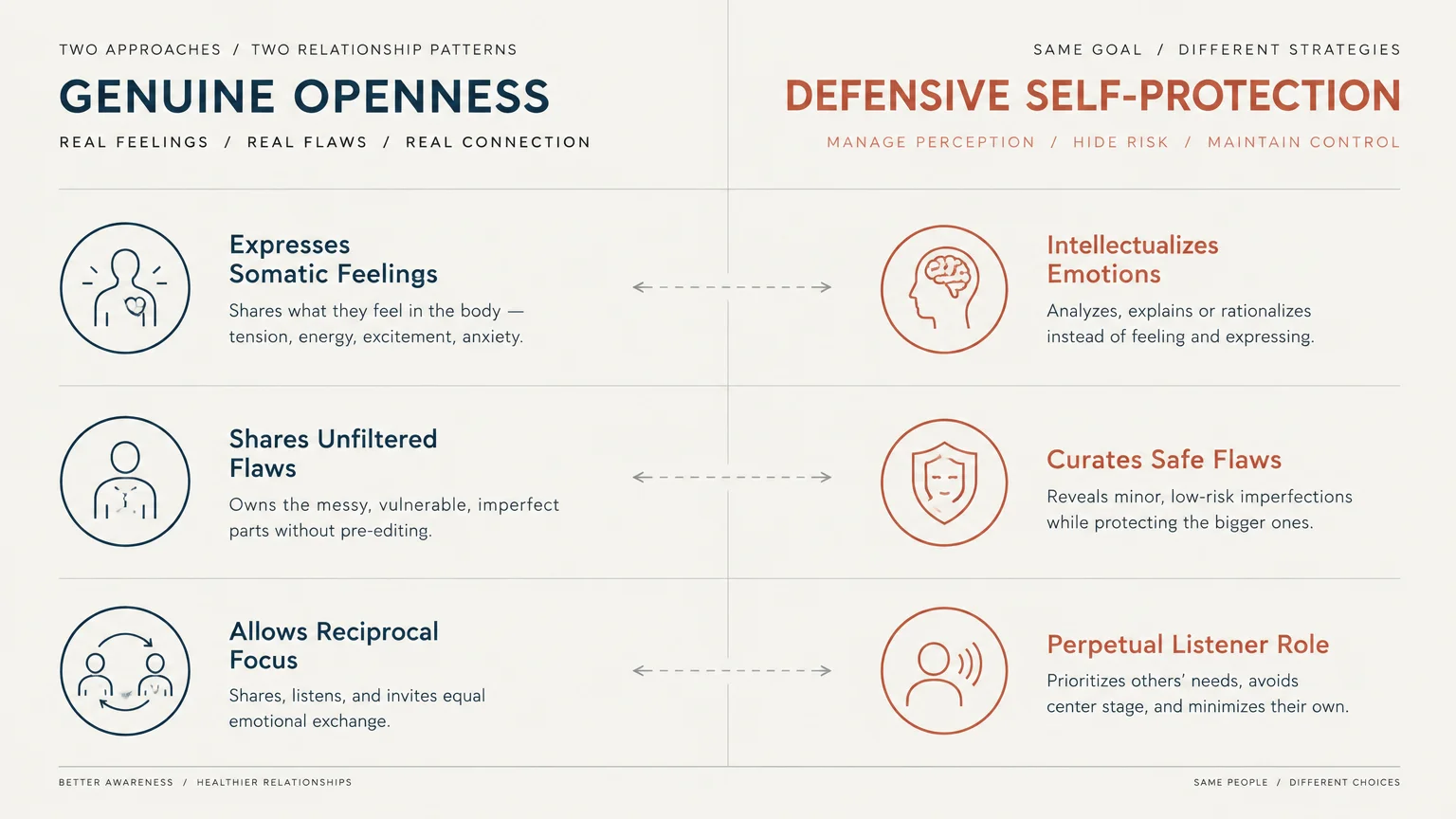
Genuine Openness vs. Defensive Self-Protection
It can be difficult to tell whether someone is simply private or actively defensive. The table below illustrates the critical differences between healthy personal boundaries and avoidant behaviors.
| Behavioral Domain | Healthy Emotional Openness | Defensive Self-Protection |
|---|---|---|
| Handling Crisis | Communicates distress and accepts support from trusted peers. | Withdraws completely and insists everything is perfectly fine. |
| Personal Sharing | Shares both strengths and unresolved struggles gradually. | Shares only curated, safe flaws or strictly analytical insights. |
| Conflict Style | Addresses relational issues directly to restore closeness. | Nitpicks partner flaws or shuts down to create emotional distance. |
| Reciprocity | Balances listening to others with sharing personal experiences. | Interrogates the other person to avoid answering personal questions. |
| Reaction to Closeness | Welcomes emotional bonding with warmth and steady presence. | Experiences panic, detachment, or an urge to pull away abruptly. |

Common Misconceptions About the Fear of Closeness
Popular relationship advice often misinterprets fear of intimacy signs as malicious manipulation or cold indifference. Addressing these misconceptions fosters healthier communication and prevents unnecessary heartbreak.
The most common myth is that emotionally distant people lack feelings. In reality, individuals who pull away often feel emotions so intensely that their nervous systems easily become overwhelmed.
Distance is an emotional shock absorber, not an indicator of a cold heart. They detach to manage internal sensory chaos, not because they do not care.
Another frequent misunderstanding is that avoidant people do not desire connection. Articles on Psychology Today consistently show that avoidant individuals desire closeness just as much as anyone else.
However, their nervous systems conflate closeness with danger. They crave affection, but their instinctive defense mechanisms intervene whenever it draws near.
Finally, people often assume that emotional walls will crumble spontaneously once the “right” partner arrives. Love alone cannot heal early attachment fractures.
Unlearning deeply ingrained defense strategies requires deliberate personal effort, safety, and often specialized psychological support.

How to Respond When Someone Pulls Away
If you recognize these behaviors in a partner, family member, or friend, your initial reaction might be to pursue them aggressively. However, chasing someone who fears exposure only drives them further into hiding.
You can create an environment that encourages authentic connection without violating your own boundaries by using these practical steps:
- Slow down the conversational tempo. Do not force profound emotional confessions during ordinary moments. Allow conversations to breathe naturally.
- Avoid emotional interrogation. Replace demanding questions like “Why won’t you talk to me?” with gentle observations like “I notice you seem quiet today.”
- Model low-stakes vulnerability. Share small, unfiltered feelings without demanding that the other person match your openness immediately.
- Validate their need for personal space. Let them take temporary breaks from interaction without punishing them with guilt or passive aggression.
- Maintain your own emotional grounding. Anchor your self-worth in your own life so you do not internalize their withdrawal as personal failure.
Building relational safety takes consistent, steady behavior. Small, reliable interactions dissolve defensive walls much faster than sudden, dramatic emotional confrontations.

Finding the Right Professional Help
While compassionate communication improves relationship dynamics, self-help strategies have realistic limits. Deep-rooted emotional vulnerability fears often require targeted therapeutic interventions.
You should consider seeking licensed professional support if you encounter the following scenarios:
- Persistent relationship breakdown: Every romantic partnership you enter ends in sudden detachment, ghosting, or sabotaging behaviors as soon as commitment deepens.
- Severe chronic loneliness: You feel profoundly isolated despite having an active social calendar, friends, or a long-term partner.
- Physical panic responses: Emotional conversations or physical affection trigger nausea, chest tightness, or dissociation.
- Trauma-rooted avoidance: Your emotional walls stem from past relational abuse, abandonment, or unaddressed childhood neglect.
Therapeutic modalities such as Emotionally Focused Therapy (EFT) and attachment-informed Cognitive Behavioral Therapy (CBT) are effective in treating intimacy avoidance. These frameworks help individuals identify nervous system triggers and slowly rebuild relational safety.
Frequently Asked Questions
Can someone overcome a fear of being truly known?
Yes, people can change their attachment patterns over time through intentional effort, self-awareness, and therapy. Developing earned secure attachment requires slowly practicing vulnerability in relationships that demonstrate emotional safety and acceptance.
What is the difference between privacy and emotional avoidance?
Privacy involves consciously choosing what personal information to share based on comfort and trust levels. Emotional avoidance is a reactive defense mechanism driven by anxiety, shame, or fear of rejection.
Why do people pick fights when relationships become serious?
Picking arguments creates artificial distance when closeness begins to feel overwhelming. It serves as a deactivating strategy that justifies pulling away without having to admit to vulnerability fears.
How do I know if I have a fear of emotional closeness?
You may fear emotional closeness if you feel trapped when partners ask for commitment, intellectualize feelings, or instinctively ghost others after sharing tender moments.
Cultivating genuine closeness requires patience, self-compassion, and consistent courage. When you recognize that emotional shields are survival mechanisms rather than permanent character flaws, you can start building relationships grounded in authentic safety.
This article provides general educational information about psychology and relationships. It is not a substitute for professional therapy or medical advice. Everyone’s situation is unique—if you’re struggling, please reach out to a licensed mental health professional.
Last updated: February 2026. Psychology research evolves continuously—verify current findings with professional sources.







Leave a Reply