

Grieving a relationship while you are still inside it is one of the most disorienting emotional experiences you can endure. When emotional intimacy erodes, shared dreams dissolve, or a partner becomes a stranger, your mind begins processing real loss long before anyone says goodbye. Psychologists call this ambiguous loss—a state where someone remains physically present but emotionally or functionally absent. Recognizing this quiet heartbreak helps you make sense of your persistent sadness, sudden irritability, and profound loneliness. Instead of questioning your sanity, you can validate your emotional reality, understand what is slipping away, and decide whether to repair the bond or prepare for a healthy release.
The Psychology of Mourning an Active Relationship
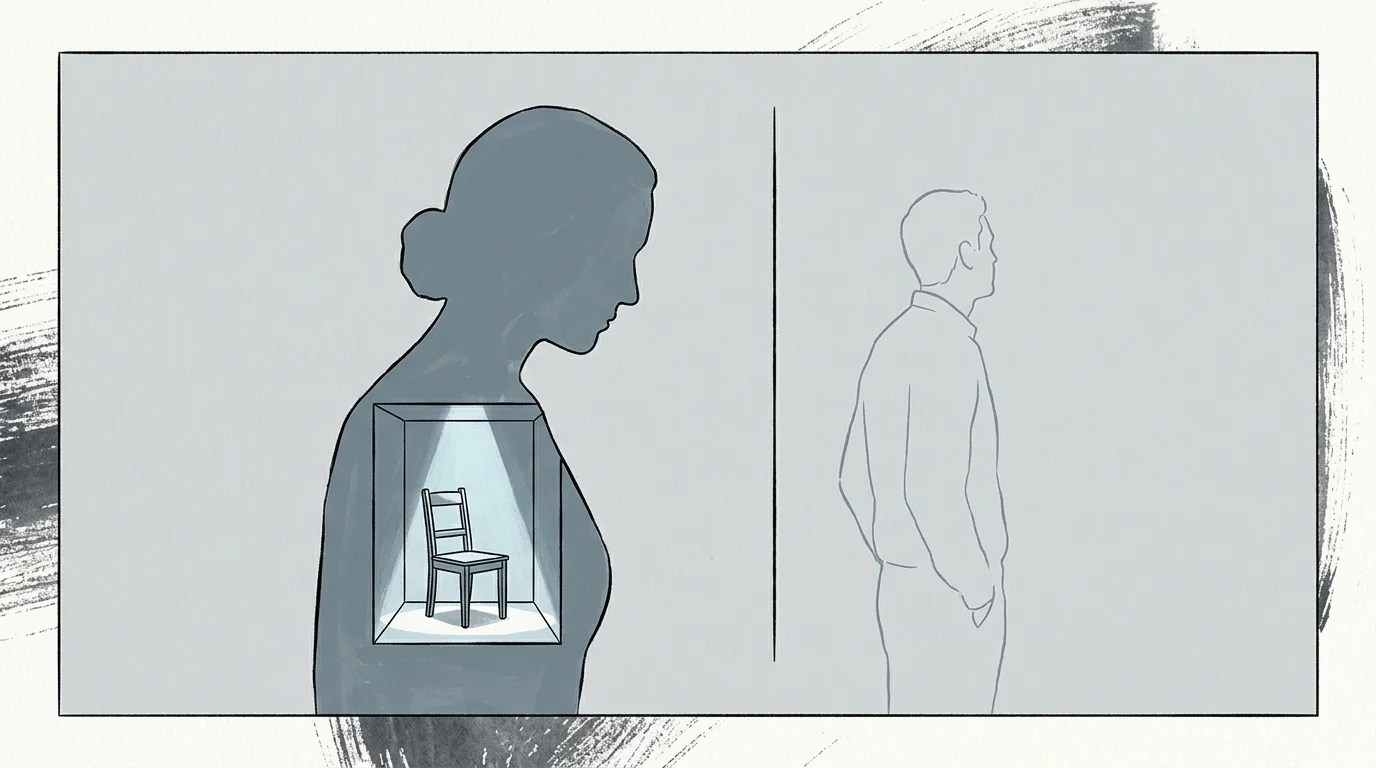
Most people associate grief with finality—a formal breakup, a finalized divorce, or the death of a loved one. Yet grief frequently begins while two people still share a bed, split mortgage payments, or raise children together. When the character, safety, or emotional core of your partnership changes irreversibly, your brain enters a state of bereavement.
Pioneering family therapist Dr. Pauline Boss coined the term ambiguous loss to describe situations where a loved one is physically present but psychologically distant. Unlike ordinary grief, ambiguous loss offers no social rituals, sympathy cards, or collective support. You cannot easily explain to friends why you are weeping in the bathroom when your partner is merely watching television in the next room.
“Ambiguous loss is the most stressful kind of loss because it lacks closure; it freezes the grief process and paralyzes human functioning.” — Dr. Pauline Boss, Family Therapist and Researcher
According to researchers at the American Psychological Association (APA), unacknowledged or disenfranchised grief—grief that society does not openly validate—often leads to chronic emotional strain, anxiety, and depressive symptoms. When you grieve a relationship that hasn’t formally ended, you must navigate a constant paradox: hoping for reconciliation while instinctively bracing for emotional survival.

9 Signs You’re Grieving an Unfinished Relationship
Grief within an ongoing relationship rarely looks like sudden, theatrical devastation. Instead, it surfaces as subtle cognitive shifts, persistent emotional ache, and protective behavioral changes. Here are nine clear indicators that you are mourning a bond while still living in it.
1. You Miss Them While Sitting in the Same Room
Physical proximity no longer guarantees connection. You may sit side by side on the couch, eat dinner together, or ride in the car in absolute silence—feeling miles apart. The physical shell of your partner remains, but the emotional accessibility, warmth, and mutual curiosity that once defined your bond have vanished. You find yourself missing the version of them who used to listen intently, make you laugh, or hold your hand without hesitation. This profound loneliness in their presence is often more painful than being entirely alone.
2. Memories Feel Painful Rather Than Comforting
In a thriving dynamic, reminiscing about early dates, inside jokes, or past vacations generates warmth and solidarity. When you are grieving an ongoing connection, however, old photographs and anniversary reminders trigger a sharp, stinging pang. You look at past memories not as milestones of an evolving romance, but as historical artifacts of a dead era. The realization that you cannot easily recreate that ease and mutual delight turns nostalgia into an agonizing reminder of what has quietly disappeared.
3. You Have Stopped Sharing Vulnerable Truths
Emotional withdrawal is one of the clearest signs of grief and self-preservation. You no longer share your daily frustrations, career worries, or tender dreams because past attempts met indifference, defensiveness, or invalidation. You consciously censor your inner world to prevent further rejection. Psychologists at Psychology Today note that emotional safety forms the foundation of any lasting bond; once you stop taking emotional risks with your partner, your relationship operates as a practical business arrangement rather than an intimate partnership.
4. You Mourn the Future You Planned Together
When you commit to someone, you do not just fall in love with who they are today; you invest heavily in a shared imaginary future. You envision buying a specific home, traveling to certain destinations, raising children, or growing old together on a shared porch. Grieving an active relationship involves the systematic dismantling of those expectations. You suddenly realize that the trip will never happen, the dynamic will not improve with time, or the collaborative retirement you dreamed of is unsustainable. You are actively mourning a future that will never exist.
5. You Experience Disenfranchised Guilt
Because there is no obvious catastrophe—no overt infidelity, physical violence, or explosive breakup—you constantly invalidate your own sorrow. You may ask yourself: “Why am I so sad when we are still together?” or “Am I asking for too much?” This internal gaslighting deepens your distress. You carry the full psychological burden of bereavement without giving yourself permission to mourn, creating a toxic feedback loop of sorrow, shame, and self-doubt.
6. You Mentally Rehearse Life on Your Own
You find yourself quietly calculating how life would look after separating. You scroll through apartment rental listings, balance independent budgets, or mentally map out custody arrangements during your morning commute. This is not idle daydreaming; it is anticipatory grief and subconscious preparation. Your psyche is slowly practicing the logistical and emotional separation that your conscious mind may still feel frightened to execute.
7. Your Body Manifests Chronic Heartbreak
Grief is a biological event as much as a psychological one. Medical experts at the Cleveland Clinic emphasize that prolonged emotional stress elevates cortisol levels, triggering tangible physical distress. You might experience persistent tension in your chest, unexplained digestive issues, chronic fatigue, changes in appetite, or insomnia. When you repress the sorrow of an eroding partnership, your nervous system registers the relational disconnect as an ongoing survival threat, keeping your body in a low-grade fight-or-flight state.
8. You Walk on Eggshells to Maintain a Fragile Peace
Rather than addressing issues directly, you accommodate, appease, or withdraw to avoid conflict. You realize that the relationship’s stability is so fragile that even a minor disagreement could shatter the remaining connection. By prioritizing superficial harmony over genuine authenticity, you attempt to preserve the illusion of a working partnership. Yet deep down, you know that keeping the peace at the expense of your truth is simply another way of mourning the loss of authentic intimacy.
9. Resentment Replaces Your Passion and Playfulness
Where there was once mutual affection, an underlying bitterness now brews. You feel deeply exhausted by the one-sided emotional labor required to keep conversations going, schedule quality time, or initiate physical touch. According to relationship research from The Gottman Institute, chronic emotional neglect and unresolved distress inevitably breed resentment and contempt—two primary indicators that emotional detachment has already occurred. You mourn the lighthearted, playful version of yourself that once thrived in the relationship.
“The grand illusion of romantic love is that we will find someone who completes us, but the deeper challenge is mourning the illusions we project onto another human being.” — Esther Perel, Psychotherapist and Author
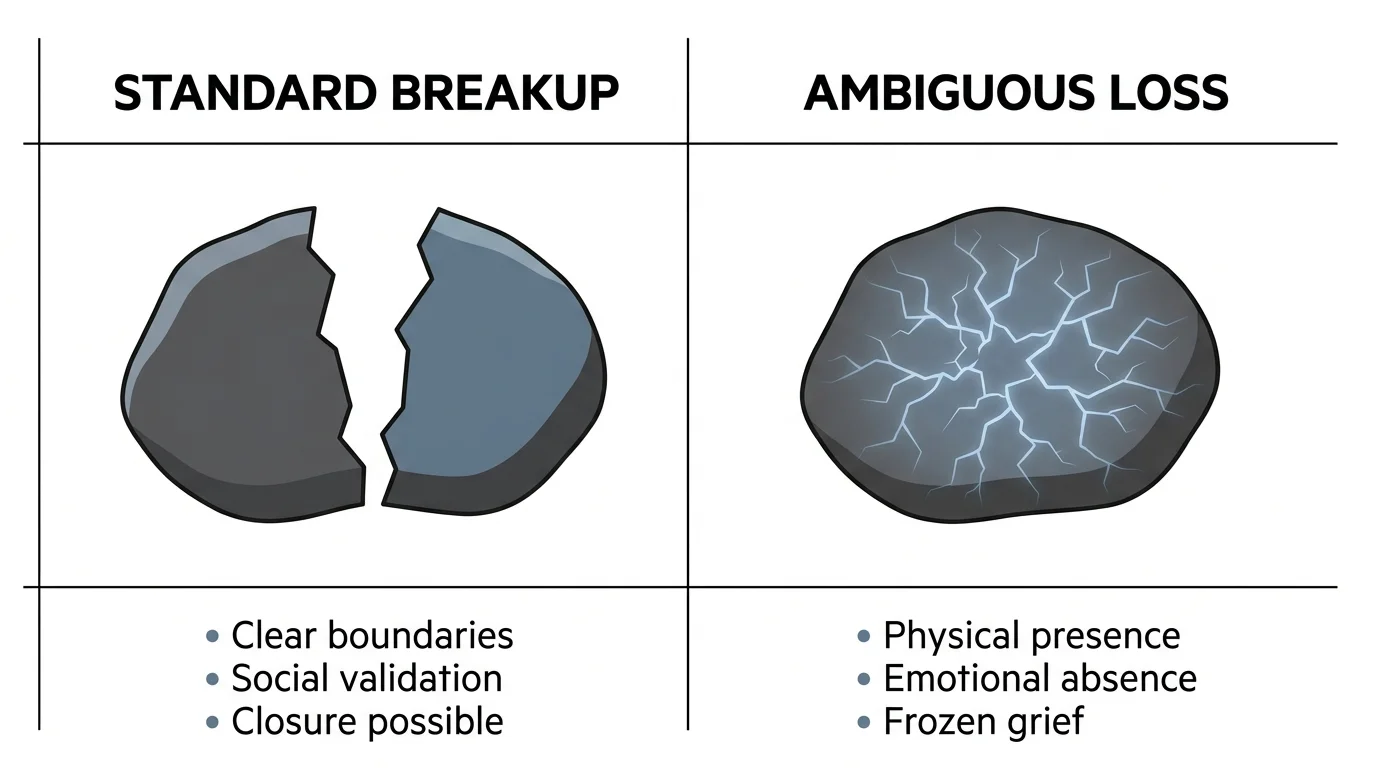
Ambiguous Relationship Loss vs. Standard Breakup Grief
Understanding how grief inside a relationship differs from post-breakup bereavement clarifies why you feel so profoundly stuck. The table below illustrates the contrasting dynamics between these two emotional states:
| Dimension | Ambiguous Grief (During Relationship) | Standard Post-Breakup Grief |
|---|---|---|
| Closure | Indefinite; no formal ending or clear emotional boundary exists. | Definite; the relationship status has officially ended. |
| Social Validation | Low; invisible to friends, family, and social networks. | High; acknowledged through community support and empathy. |
| Hope Dynamic | Fluctuating cycle of false optimism followed by renewed disappointment. | Gradual acceptance of reality leading toward emotional healing. |
| Living Environment | Constant exposure to the source of emotional loss and longing. | Physical space and boundaries allow nervous system regulation. |
| Primary Emotion | Chronic confusion, self-doubt, hypervigilance, and quiet despair. | Acute sadness, anger, acceptance, and eventual emotional renewal. |

Myths Worth Debunking
Navigating emotional loss while still partnered is complicated by persistent societal misconceptions. Dismantling these myths helps you evaluate your circumstances without unwarranted guilt.
- Myth 1: Grief only begins after a formal breakup or divorce.
Reality: Your brain processes emotional disconnection, broken trust, and the death of shared dreams as genuine loss, regardless of your relationship’s legal or social status. - Myth 2: If you still love each other, you shouldn’t feel grief.
Reality: Love and fundamental incompatibility frequently coexist. You can love someone deeply while simultaneously grieving the reality that they cannot meet your emotional needs or build a healthy life with you. - Myth 3: Grieving an active relationship means you have failed.
Reality: Recognizing loss is an act of clarity, not failure. It signifies that you are honoring emotional truth rather than remaining numb to an unfulfilling reality. - Myth 4: Staying together for external reasons eliminates the pain.
Reality: Remaining in an emotionally vacant partnership for finances, children, or fear of loneliness does not stop the grief; it merely extends it into a chronic, exhausting baseline.

How to Cope When You Are Mourning an Unfinished Bond
Living in relational limbo drains your psychological resilience. To regain your emotional footing and make deliberate decisions about your future, practice these evidence-based coping strategies:
- Name the Loss Directly: Acknowledge what is slipping away. Write down specific aspects of the relationship you miss—such as intellectual stimulation, gentle touch, or emotional validation. Giving shape to your sorrow removes the confusing fog of ambiguous loss.
- Stop Chasing False Hope: Notice the exhausting cycle of expecting your partner to suddenly revert to their old self. Ground yourself in what they demonstrate through consistent actions today, rather than what they promised years ago.
- Rebuild Your Independent Identity: When a relationship slowly deteriorates, your entire world can become consumed by attempts to fix it. Reconnect with personal hobbies, physical movement, creative outlets, and friendships that exist entirely outside the partnership.
- Establish Clear Emotional Boundaries: Protect your remaining energy by declining unproductive arguments or refusing to over-explain your basic needs. Step back from unilateral emotional rescue efforts.
- Engage in Honest Dialogue: Initiate a grounded, non-accusatory conversation about the emotional distance. Express your feelings using clear “I” statements, such as: “I feel a profound disconnect between us, and I am struggling with the loneliness in our dynamic. Can we discuss where we stand?”
Signs It’s Time to Talk to a Therapist
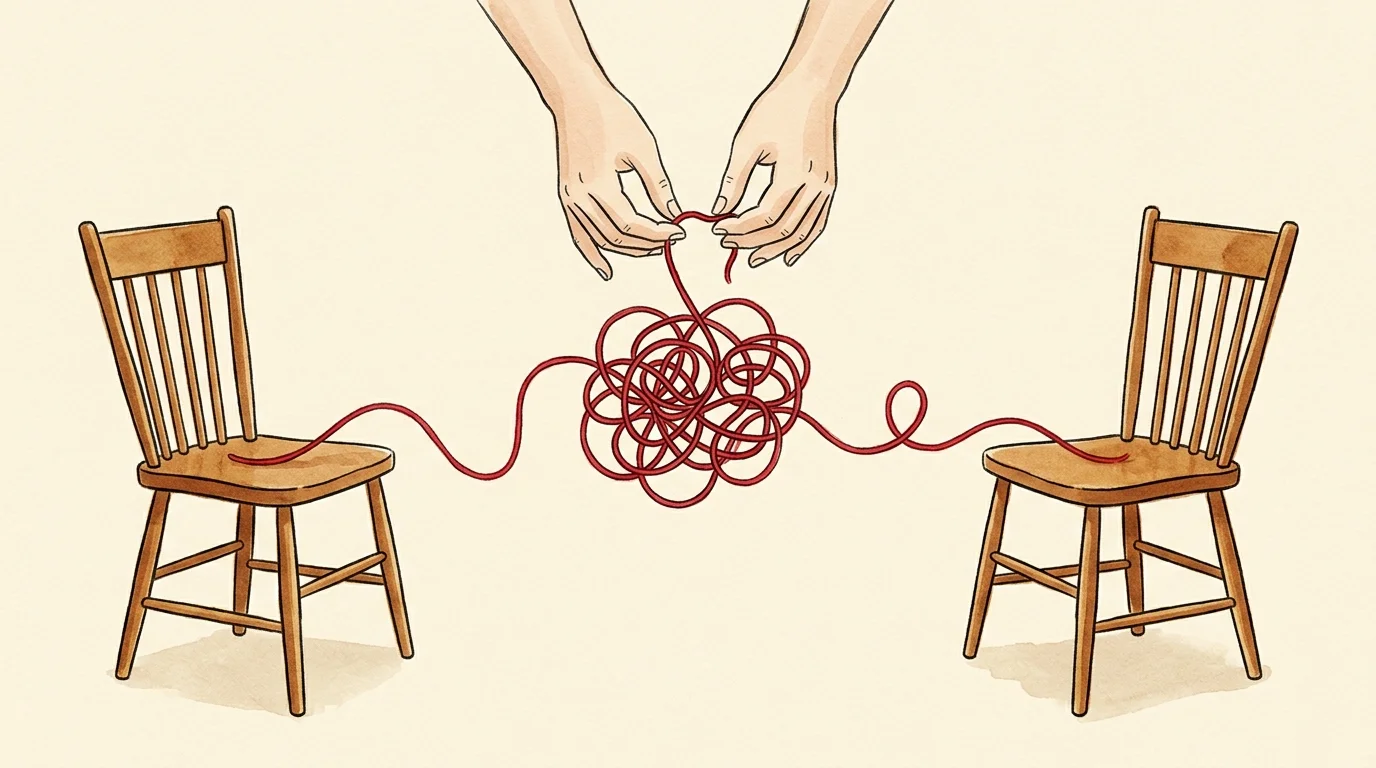
While self-reflection and candid communication can bring clarity, navigating ambiguous loss within a relationship often requires clinical guidance. Consider seeking support from a licensed mental health professional if you notice the following scenarios:
- Persistent Depressive Symptoms: You experience overwhelming apathy, chronic low mood, disrupted sleep, or feelings of hopelessness that interfere with your work and daily functioning.
- Complete Paralysis Around Decision-Making: You recognize that the relationship is causing significant psychological harm, yet you feel entirely immobilized and incapable of setting boundaries or leaving.
- Repeated Cycles of Toxicity or Betrayal: The grief stems from persistent emotional manipulation, chronic dishonesty, or emotional abuse that has eroded your self-esteem and sense of reality.
- Unresolvable Relationship Stalemate: You and your partner want to determine whether the bond is salvageable, but every attempt at conversation deteriorates into stonewalling, contempt, or bitter defensiveness. Couples therapy can provide a structured, safe environment to explore repair or conscious uncoupling.
Frequently Asked Questions
Can a relationship survive once one partner starts grieving it?
Yes, but survival requires radical honesty and mutual commitment from both partners. Grieving the current state of a relationship often signals the death of an outdated dynamic. If both individuals are willing to acknowledge the breakdown, address underlying wounds, and rebuild intimacy through deliberate effort or couples therapy, the partnership can transform into a stronger, more mature bond. However, if one person refuses to engage, unilateral repair is impossible.
Is grieving an ongoing relationship the same as falling out of love?
Not necessarily. Falling out of love often involves a gradual fading of romantic attraction and emotional investment, accompanied by indifference. Grieving an ongoing relationship, conversely, often occurs while you still care deeply for your partner. The grief stems from the painful discrepancy between the love you feel and the reality of an emotionally distant, incompatible, or unhealthy dynamic.
Why do I feel so exhausted all the time while in this relationship?
Grief demands substantial cognitive and somatic energy. When you grieve someone who is still present, your nervous system remains in a perpetual state of hypervigilance—alternating between hope, disappointment, and suppression of your true feelings. This continuous psychological friction produces profound physical and emotional fatigue.
How do I tell my partner that I am grieving our relationship?
Approach the conversation with vulnerability rather than blame. Choose a calm, neutral setting and explain how the emotional distance impacts you. You might say: “I care about us deeply, but I have been feeling a profound sense of sadness and loneliness in our connection lately. It feels like we are drifting away from each other, and I want to talk honestly about what is happening between us.”
Moving Forward with Clarity and Self-Compassion
Recognizing the signs of unresolved grief within an active relationship is not an indictment of your character or a sign of failure. It is your psyche’s honest evaluation of an emotional reality that no longer serves your well-being. Honoring this grief gives you permission to stop pretending that everything is fine and start taking meaningful steps toward emotional health.
Whether this awareness leads to honest renegotiation and renewed intimacy with your partner, or provides the courage to separate with grace, you deserve a life where you feel genuinely seen, valued, and emotionally secure. Treat yourself with profound compassion as you navigate this transitional chapter.
This is educational content based on psychological research and general principles. Individual experiences vary significantly. For personalized guidance, consult a licensed therapist, psychologist, or counselor.
Last updated: February 2026. Psychology research evolves continuously—verify current findings with professional sources.








Leave a Reply