
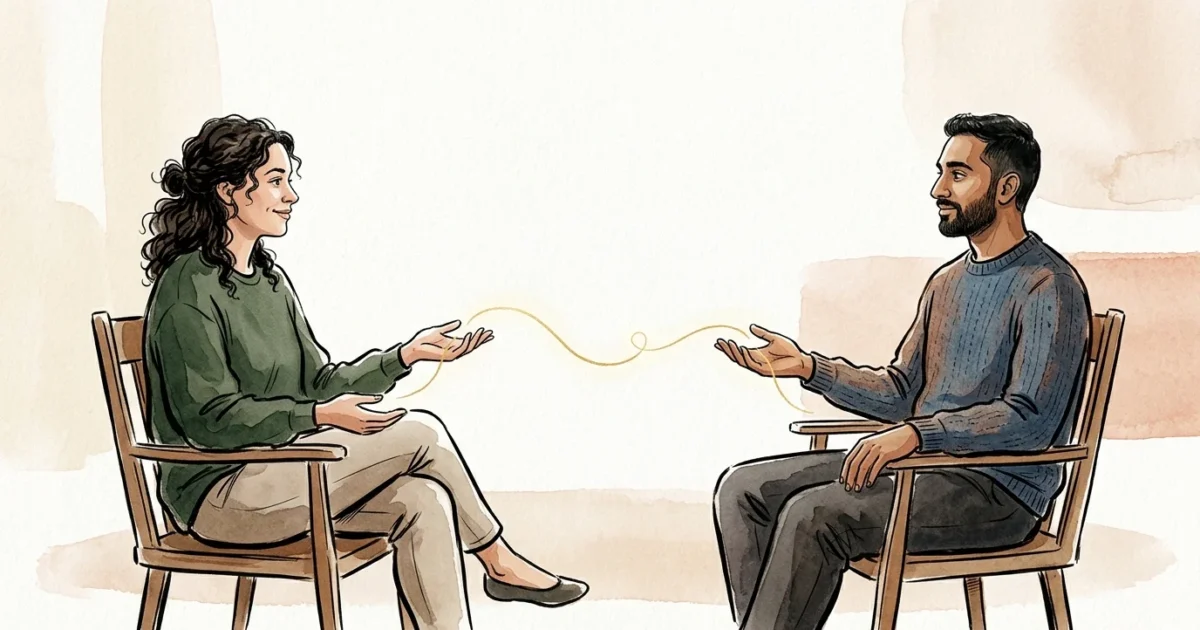
Recognizing true respect in your relationships shapes your self-worth and determines the long-term stability of your connections. While polite words and grand gestures often mask underlying indifference, genuine respect shows up in consistent, quiet daily behaviors. When someone truly respects you, they treat your boundaries as non-negotiable, value your unique perspective, and protect your emotional safety even during heated disagreements. Navigating modern dynamic relationships requires clear distinguishing markers between superficial charm and deep-seated honor. By understanding these key behavioral indicators, you can evaluate your friendships, romantic partnerships, and professional ties to cultivate healthier, mutually fulfilling connections.
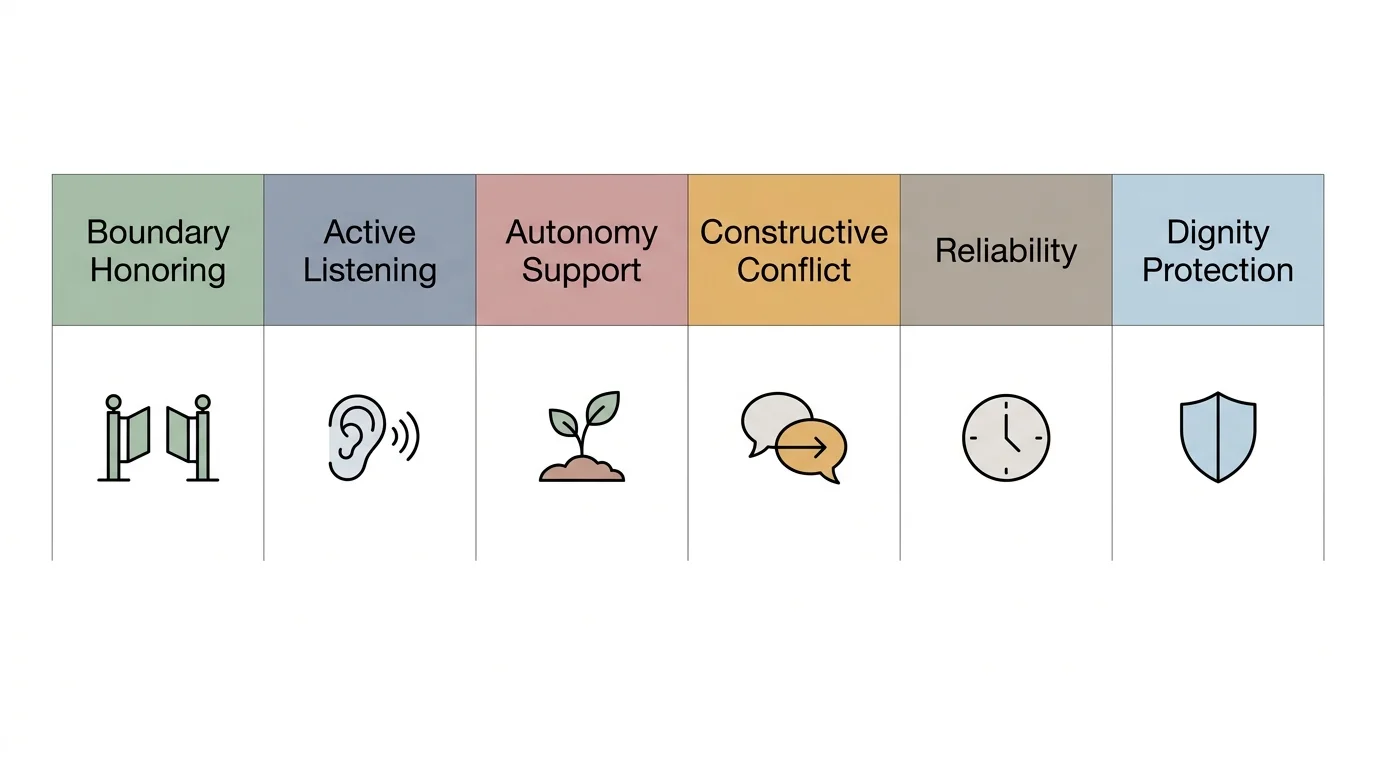
The Essentials: Key Indicators of Respect
- Boundary Honoring: They accept your limits without guilt-tripping, negotiating, or expressing resentment.
- Active, Non-Defensive Listening: They process your words to understand your experience rather than simply planning their rebuttal.
- Autonomy and Growth Support: They celebrate your independent choices, personal aspirations, and unique identity outside the relationship.
- Constructive Conflict Management: They address disagreements directly while refusing to resort to insults, contempt, or stonewalling.
- Reliability with Time and Energy: They value your personal schedule and commitments as equal to their own.
- Dignity Protection: They offer honest feedback privately while upholding your reputation in public spaces.

1. They Honor Your Boundaries Without Pushback
Respect manifests most clearly when you establish a boundary. When you communicate a personal limit—whether regarding your physical space, emotional availability, schedule, or digital presence—a respectful person accepts it immediately. They view your boundaries as healthy parameters that protect your well-being, rather than personal attacks or challenges to conquer.
In contrast, individuals who lack true respect treat boundaries as initial offers open for negotiation. They might use guilt, subtle coercion, passive-aggressive remarks, or relentless questioning to wear down your resolve. Pay attention to how someone responds when you say “no.” Someone practicing respect in relationships acknowledges your autonomy without punishing you through silent treatment, anger, or withdraw of affection.
Consider a practical example: You tell a partner or friend that you cannot attend an evening event because you feel exhausted after a demanding workweek. A respectful individual responds with empathy: “I completely understand; take time to rest and recharge.” Someone who lacks respect might react with guilt: “You never come out with my friends anymore; you care more about your job than me.” True respect honors your right to self-regulate without demanding emotional justification.

2. They Practice Active, Non-Defensive Listening
Listening reflects how much someone values your internal reality. When someone truly respects you, they give you their full attention during conversations. They put down their devices, maintain steady eye contact, and process your perspective before formulating a response. They demonstrate curiosity about your thoughts rather than interrupting or shifting the focus back to themselves.
According to clinical research from The Gottman Institute, responding attentively to a partner’s emotional bids forms the bedrock of long-term relational stability. Respectful individuals engage in active listening by validating your emotions—even when they disagree with your narrative. They ask clarifying questions like, “Can you tell me more about why that hurt your feelings?” rather than invalidating you with phrases like, “You are overreacting” or “That is not what happened.”
Non-defensive listening becomes crucial during challenging conversations. When you bring up an issue regarding their behavior, a respectful person listens without immediate self-defense. They focus on understanding the impact of their actions on your psychological well-being, prioritizing connection over winning an argument.
“Respect and admiration are two of the most crucial elements in a lasting relationship; without them, contempt inevitably fills the void.” — John Gottman, PhD, Relationship Researcher
3. They Celebrate Your Independence and Personal Growth
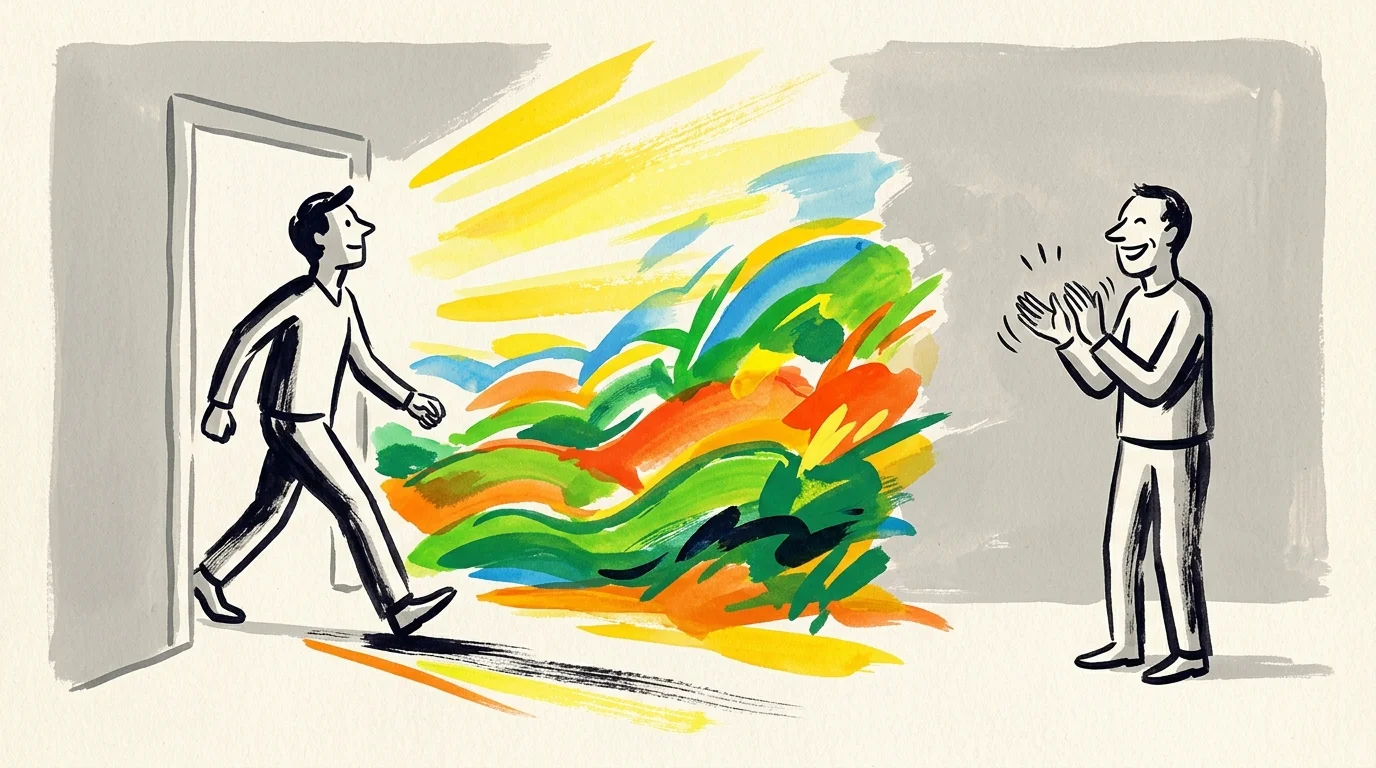
Healthy connections thrive on interdependence, where two autonomous individuals choose to share their lives. True respect requires accepting that you have separate goals, friendships, hobbies, and worldviews. Someone who respects you encourages you to pursue self-improvement, professional advancements, and personal passions—even when those pursuits do not directly involve them.
In insecure dynamic patterns, one person views your independence as a threat. They might belittle your goals, express jealousy over your separate friendships, or guilt-trip you for spending time away from them. These behaviors signal a desire for control rather than a foundation of respect. Psychological frameworks on agency emphasize that honoring personal autonomy builds resilient interpersonal bonds by reducing resentment.
When evaluating how to tell someone respects you, observe their reaction to your achievements and personal evolutions:
- Do they celebrate your successes with genuine enthusiasm?
- Do they support your decision to take up new hobbies or advance your education?
- Do they respect your need for solitude and independent social circles?
- Do they welcome your evolving opinions, or do they demand that you remain unchanged?

4. They Communicate Directly and Resolve Conflicts Fairly
Conflict occurs in every long-term dynamic, but the method of handling disagreements distinguishes mutual respect from toxic dysfunction. Respectful individuals handle conflict with directness, honesty, and emotional maturity. They bring up issues promptly rather than letting resentment build up into passive-aggressive behavior, sarcasm, or covert retaliation.
Research published by the American Psychological Association highlights that destructive conflict behaviors—specifically contempt, global criticism, and stonewalling—predict relational dissolution far more accurately than the frequency of arguments themselves. Contempt, which includes mocking, eye-rolling, name-calling, and dismissive sarcasm, represents the absolute opposite of respect. It positions one person above the other in a hierarchy of worth.
Respectful conflict resolution involves targeting the specific behavior rather than attacking your character. Notice the structural difference between these two approaches:
Disrespectful attack: “You are so lazy and selfish; you never think about keeping this house clean.”
Respectful address: “I felt overwhelmed when I came home to a messy kitchen today. Can we agree on a daily plan to split the chores?”
5. They Respect Your Time, Energy, and Priorities
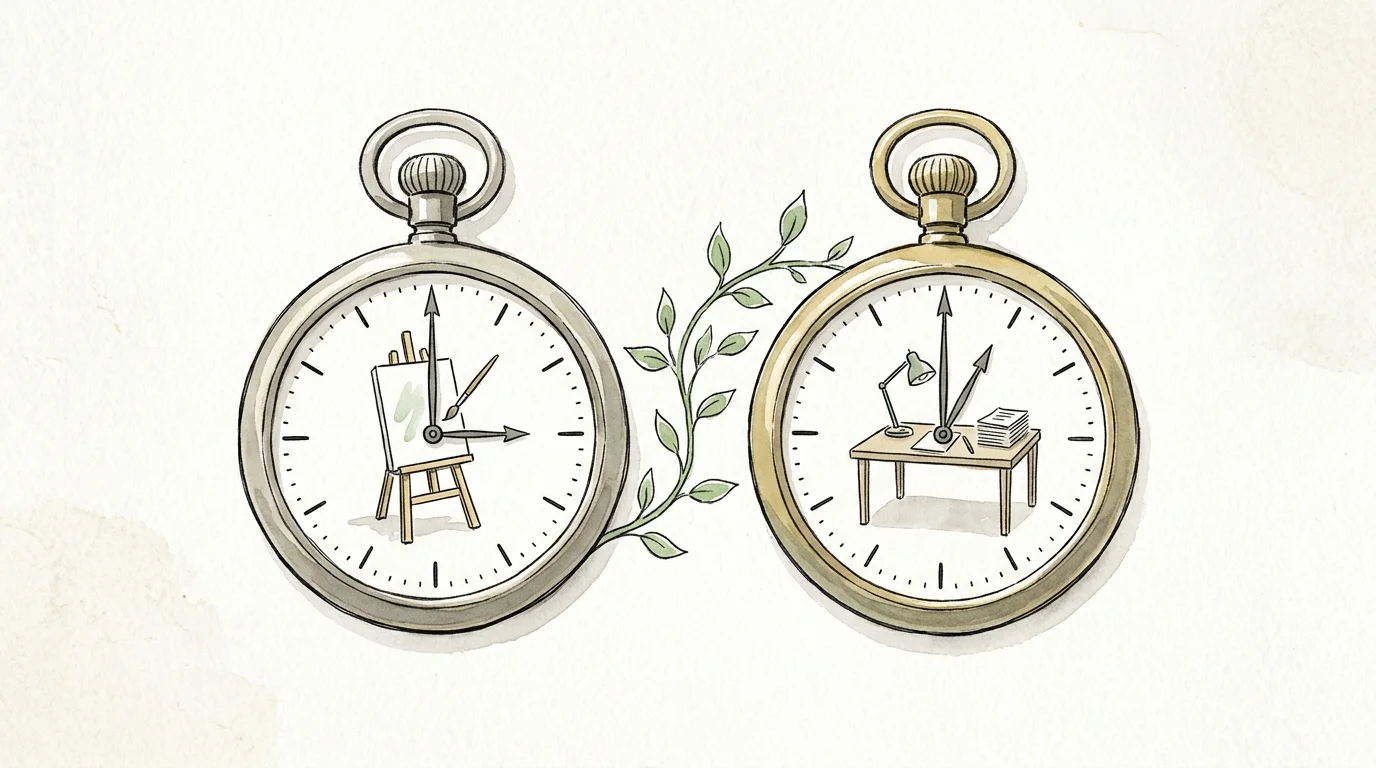
Time represents our most limited resource. When someone respects you, they treat your schedule and commitments with the same gravity as their own. They show up on time, communicate promptly if unexpected delays arise, and avoid canceling plans repeatedly at the last minute without valid reasons.
Respect for your energy also means paying attention to conversational balance. In respectful relationships, both individuals share conversational space equally. One person does not dominate every interaction with their personal problems while ignoring the other’s needs. They notice when you feel tired, overwhelmed, or preoccupied, and adapt their expectations accordingly.
According to analytical articles on relationship psychology from Psychology Today, chronic lateness, constant last-minute cancellations, and conversational dominance often signal covert self-centeredness. Recognizing these baseline operational behaviors helps you separate superficial politeness from true operational respect.

6. They Hold You Accountable While Protecting Your Dignity
True respect does not mean blind approval or constant praise. A person who deeply respects you cares enough about your integrity and growth to offer honest, constructive feedback when you make mistakes. However, the crucial difference lies in how they deliver that accountability.
Respectful people protect your dignity at all times. They offer constructive feedback in private settings, choosing words that show empathy and care. They never expose your vulnerabilities, humiliate you in front of family or friends, or make you the punchline of a cruel joke under the guise of “teasing.” They keep the personal secrets and private struggles you confide in them strictly confidential.
“The curious paradox is that when I accept myself just as I am, then I can change.” — Carl Rogers, PhD, Psychologist
When someone honors your dignity, you feel safe being vulnerable with them. You know that sharing your mistakes or anxieties will not lead to betrayal, public exposure, or strategic weaponization during future arguments. This level of emotional security serves as one of the clearest healthy relationship signs.
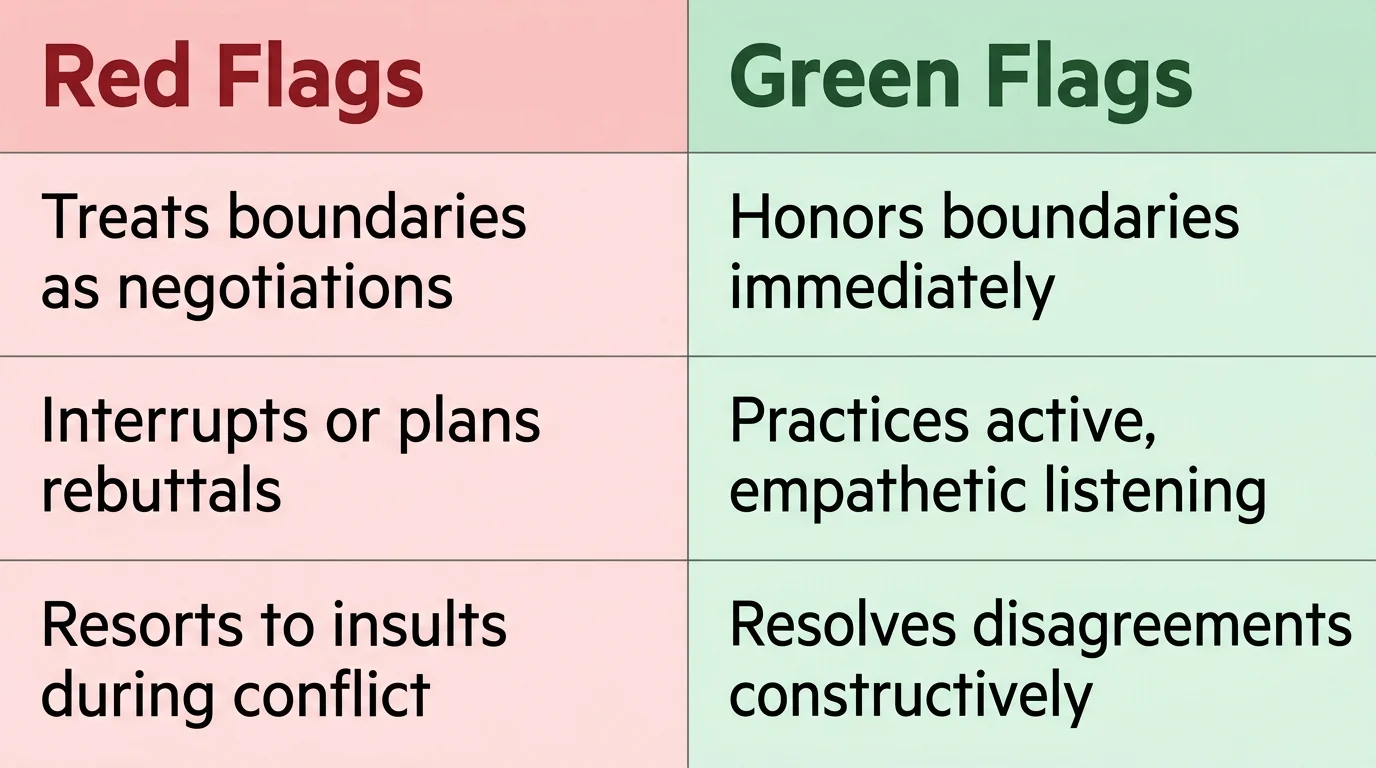
Relationship Red Flags vs Green Flags: A Side-by-Side Comparison
Understanding relationship red flags vs green flags helps you systematically evaluate how respect—or the lack thereof—operates across different relational contexts. Use this quick comparison framework to assess your daily interactions:
| Behavioral Domain | Green Flag (True Respect) | Red Flag (Disrespect / Control) |
|---|---|---|
| Boundary Setting | Accepts “no” gracefully without demanding justifications or guilt-tripping you. | Pushes back, negotiates, uses silent treatment, or gets angry when you set limits. |
| Conflict Resolution | Addresses specific behaviors directly while keeping tone respectful and non-judgmental. | Uses contempt, name-calling, character assassination, or complete emotional stonewalling. |
| Personal Success | Celebrates your achievements enthusiastically and supports your ongoing growth. | Minimizes your accomplishments, acts jealous, or competes directly with you. |
| Time & Reliability | Honors commitments, arrives on time, and values your personal schedule. | Consistently cancels plans last minute, acts late without care, and expects total flexibility. |
| Public Interaction | Protects your privacy and speaks highly of you in front of social or family groups. | Mocks you publicly, reveals your private secrets, or uses you as a joke punchline. |
| Differences of Opinion | Enjoys intellectual differences and values your unique, distinct worldview. | Dismisses your views as foolish, demands total ideological alignment, or belittles your thoughts. |
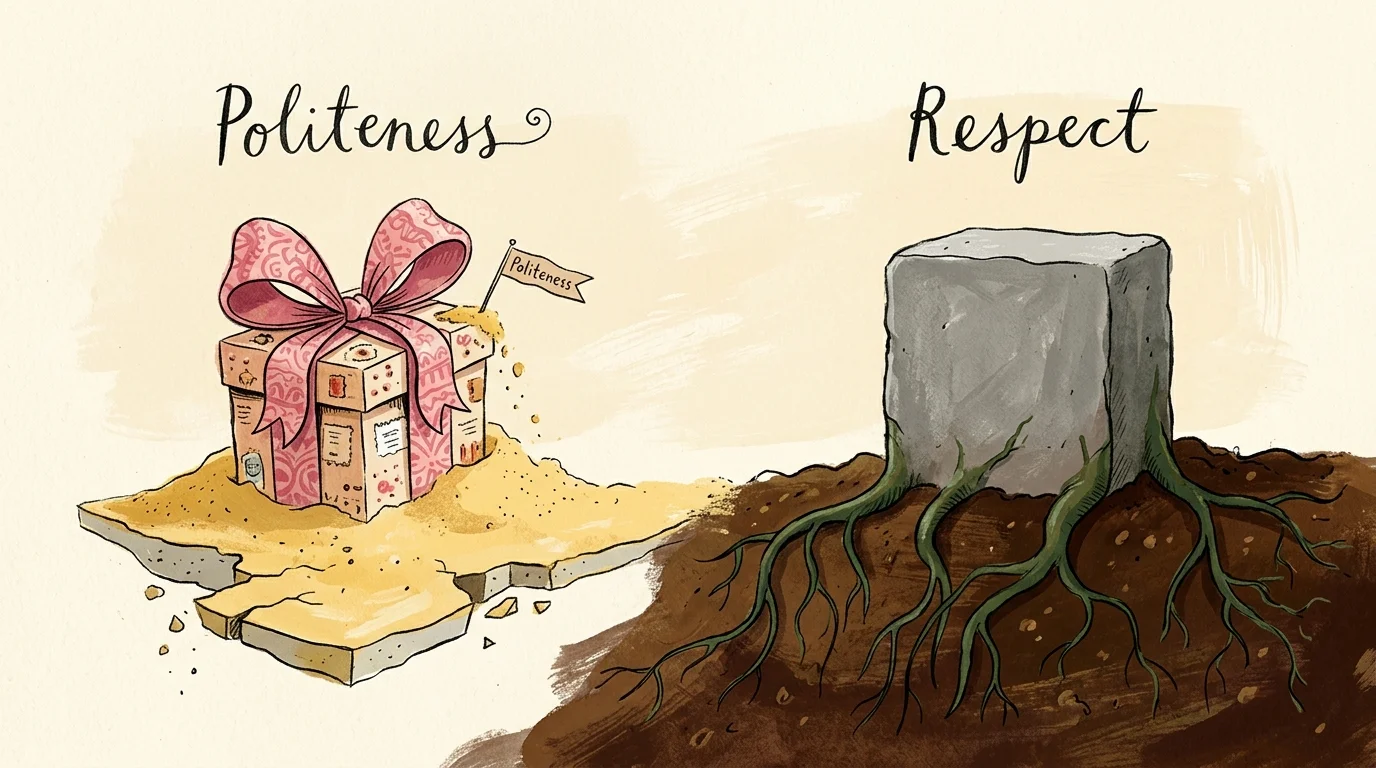
Common Misconceptions About Respect in Relationships
Navigating interpersonal dynamics requires dispelling common myths that obscure what genuine respect actually looks like. Many people tolerate unhealthy dynamics because they confuse controlling behaviors with deep care.
Misconception 1: Respect requires complete agreement.
Many people believe that someone who respects them must agree with every opinion, preference, and choice they make. In reality, fundamental respect allows two people to maintain vastly different views on religion, politics, career paths, or lifestyle choices while continuing to treat each other with dignity. Respect focuses on how people handle differences, not on forcing total alignment.
Misconception 2: Fear and obedience mean respect.
In authoritarian families, workplaces, or romantic relationships, submission often gets mislabeled as respect. Compliance driven by fear of anger, punishment, or abandonment does not constitute respect; it reflects self-preservation. Genuine signs of mutual respect emerge only in environments built on safety, freedom, and free expression.
Misconception 3: Respect means unconditional tolerance of poor behavior.
Respecting someone does not mean accepting abusive, reckless, or toxic actions. In fact, respecting yourself requires setting firm boundaries against mistreatment. True respect involves addressing bad behavior directly and stepping away from toxic situations when necessary.
Misconception 4: Respect is purely passive.
People often define respect simply as the absence of overt insults or physical harm. However, relational respect requires active, intentional engagement. It shows up through attentive listening, considering your partner’s needs when making choices, and consistently investing energy into maintaining trust.

When to Seek Professional Support
Recognizing systemic patterns of disrespect can prove difficult, especially if you grew up in environments where boundary violations were normalized. Seeking guidance from a licensed therapist, clinical counselor, or relationship specialist offers valuable clarity. Consider professional mental health support in the following situations:
- Persistent Emotional Invalidation and Gaslighting: You regularly doubt your memory, reality, or sanity due to a partner’s or family member’s manipulation. Educational resources on emotional regulation from Verywell Mind offer baseline criteria for recognizing toxic communication patterns.
- Chronic Volatility and Fear during Conflicts: You feel constant anxiety or “walk on eggshells” to avoid angry outbursts, contempt, or emotional retaliation from someone close to you.
- Erosion of Self-Worth and Identity: You realize you have abandoned your personal goals, values, friendships, or hobbies to keep peace with a controlling individual.
- Unresolved Relational Trauma: You repeatedly find yourself attracting or tolerating disrespectful partners due to deeply rooted childhood experiences or past relationship trauma.
Frequently Asked Questions
How can you tell if someone respects you in a romantic relationship versus a friendship?
While the foundational principles—such as boundary honoring, direct communication, and active listening—remain identical across all healthy connections, respect in romantic dynamics involves additional layers. Romantic respect includes honoring your sexual boundaries, making collaborative life choices that consider your financial and physical future, and protecting the privacy of your relationship from outside interference.
Can someone love you without respecting you?
Yes, individuals can experience intense feelings of emotional attachment or passion toward someone without truly respecting them. This often happens when love gets confused with codependency, possessiveness, or anxiety-driven attachment. Without mutual respect, love quickly transforms into controlling behavior, volatility, and deep resentment.
What should you do if you notice a lack of respect in your relationship?
Start by communicating your observation directly using “I” statements. Name the specific disrespect (e.g., “I feel disrespected when you roll your eyes while I am speaking”) and state your explicit boundary. Observe their response carefully. If they acknowledge the mistake, apologize sincerely, and adjust their behavior, the relationship can grow. If they dismiss your concern, turn defensive, or mock your feelings, you must evaluate whether remaining in that connection serves your mental health.
Is respect something that must be earned, or should it be a baseline expectation?
Basic human dignity, polite communication, and safety are fundamental rights that every individual deserves automatically. You should never have to “earn” baseline respect, body autonomy, or polite speech in your personal relationships. However, deep personal trust, admiration for character, and professional deference naturally develop over time through consistent, honorable actions.
Building Mutual Respect Moving Forward
Cultivating relationships grounded in true respect begins with your relationship with yourself. When you practice self-respect by enforcing clear boundaries, trusting your intuition, and walking away from mistreatment, you establish a standard for how others must treat you. Pay attention to how people act over time rather than relying solely on early promises or words.
Surround yourself with individuals who value your voice, celebrate your growth, and address conflicts with maturity. Mutual respect creates the safety needed for real vulnerability, personal growth, and lasting connection. By prioritizing these behaviors, you build healthy connections where both you and your partner can thrive.
The information in this article is meant for educational purposes and general guidance. It does not replace individual therapy, counseling, or medical treatment. If you or someone you know is in crisis, contact the 988 Suicide & Crisis Lifeline by calling or texting 988.
Last updated: February 2026. Psychology research evolves continuously—verify current findings with professional sources.






Leave a Reply