
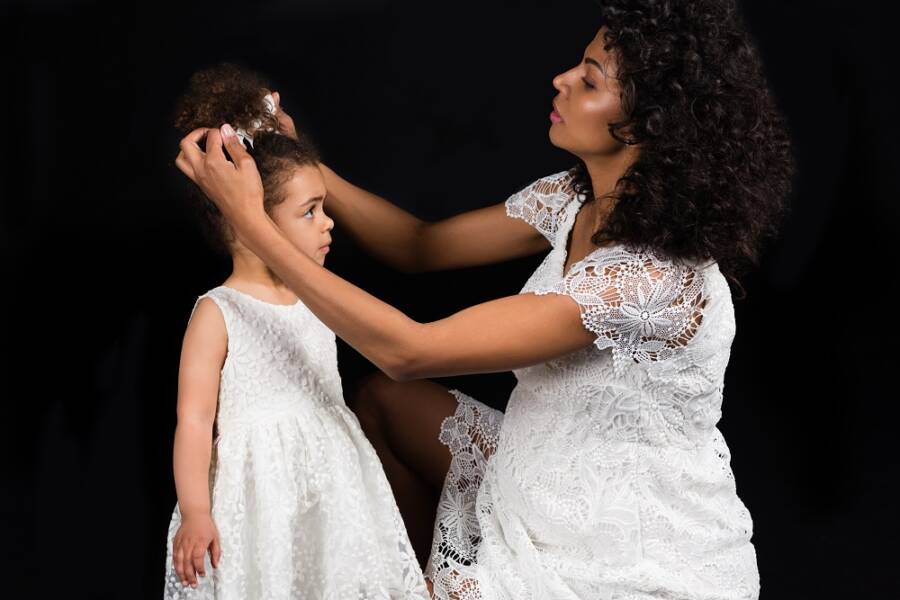
Is there a clear reason why people become narcissists?
Can we as individuals be born narcissists? This will gradually develop over the years, and the main influence is how we were raised. The best psychologists in town answer these questions and a few others, so you may want to make yourself comfortable for the entire article.
According to various Ph. D.s, many people who are thinking about starting a family and having one or two children are asking if the type of parenting may lead the kid to grow up with a narcissistic personality disorder.
Certain family environments during childhood can result in narcissistic personality disorders. Every child craves the attention and approval of their parents. Children adjust to their environments, and becoming narcissistic is frequently the most fruitful and sensible response to certain home circumstances. The social, psychological, and environmental factors that can cause a child to grow up with narcissistic tendencies will be covered below.

The child being raised by parents with narcissistic values
There is no way we should avoid pointing this out: one of the reasons why people become narcissists is because of their parents. In most cases, people do what they can with what they can to raise their children as good people. But not all the time are the results what they expect them to be. Nobody is perfect, and there are no “golden rules” on how to raise children.
For example, there are families in which parents say to their kids that if they can’t be the best, why bother? A child who grows up in a highly competitive household that only rewards exceptional achievement may grow up to exhibit narcissistic traits.
Kids with a background like this one also experienced conditional love. That type of love that needs to be earned. School is always in the first place for these parents, so the kid must do whatever it takes to get exceptional grades.
Children from these households don’t feel consistently loved. They find it difficult to appreciate things for their own sake if they don’t give them status. Their parents only encourage high achievement rather than pushing them to explore their interests and hobbies.
Narcissistic parents are more concerned with how their kids can present a positive image of the family than they are with their “true selves.” “Look at what my kid did!” is what they want to be able to brag about to their neighbors.
This behavior is damaging for both the parent and the kids, and in an attempt to regain control or authority over their lives, they may grow up to exhibit narcissistic traits.
The child being raised by devaluing narcissistic parents
Another reason why people become narcissists is because of a devaluing narcissistic parent. This kind of parenting is typically very controlling, which diminishes and makes the kids feel unworthy. They also have unreasonable expectations of their children and are typically irritable and easily frustrated.
For instance, the narcissistic parent will begin to elevate one child and diminish the others if there are two or more. The “good one” can easily turn into the “bad one,” elevating another sibling all at once. Everyone in the family spends their time attempting to calm the explosive, narcissistic parent, and nobody feels safe.
Children raised in these homes experience feelings of inadequacy, humiliation, and anger. They will probably respond to their early circumstances in a variety of ways.
The child being raised by overindulgent parents
Another reason why people become narcissists is because they were raised not by narcissistic parents but by overindulgent parents. But how is this possible? After all, parents should be supportive of their children, right? Yes, but not in an excessive way.
Psychologists say that a child may develop an unrealistic sense of superiority when parents overindulge or praise them. Constantly telling a child that they are “better than others” or “special” can make them feel entitled and blow up their ego.
Let’s picture this situation: a child is very good at school, their parents are proud, and they love to brag about it with everyone. However, in due time, the child may notice that they’re not as perfect as their parents thought, so when they realize their flaws, they might be ashamed of themselves.
This may encourage them to continue striving for excellence and proof that they are perfect and worthy of praise. In most cases this is a reason why the child will grow into a narcissist, who deep down is dealing with self-esteem issues, always looking for external validation.
Having a neglectful parent as a child
Another important factor that can lead to the development of narcissistic traits in adults is neglectful parenting. A child may engage in behaviors that are an attempt to obtain the attention and validation they were lacking if they are raised feeling neglected, ignored, or unimportant.
Neglectful parents frequently fall short of giving their children the emotional support and direction they require to develop a stable sense of self, in contrast to overindulgent or controlling parents. This type of parenting can create heavy scars in the long run since the child might internalize the idea that their needs and feelings are burdensome or irrelevant.
To fill this emotional gap, some kids might turn to self-defense by engaging in narcissistic behaviors. To cover up feelings of inadequacy or unworthiness, they raise their sense of self-worth, putting on a front of confidence and superiority. This defense mechanism frequently persists into adulthood and becomes deeply embedded.
Now that you’ve read about the most common reasons why people become narcissists, if you want to gain in more in-depth understanding of the topic, we recommend you Understanding Narcissism: A Comprehensive Guide to Understanding, Coping, and Healing from Narcissistic Personality Disorder. This book is meant to help people understand the complexity of NPD, how to recognize it in other people, but also in yourself, and more importantly how to overcome it without a therapist, since not everyone can afford it.
If you reached this far with reading, then you understand that one of the reasons why people become narcissists is because of improper parenting. But besides that, there are a few more reasons narcissism can be developed at an early age. These reasons are:

Emotional abuse during childhood
As a kind of self-defense, children who experience emotional abuse may grow up to be narcissistic. They hide their underlying fears and feelings of unworthiness by projecting a high self-image. Even though abuse by itself cannot guarantee that a person will grow up to be narcissistic, it does foster an atmosphere that severely damages a child’s sense of self. Children frequently develop defense mechanisms to shield themselves from the pain, which can subsequently show up as narcissistic behaviors.
Chronic emotional invalidation is a common occurrence for kids raised in emotionally abusive homes. Their experiences, feelings, and desires are minimized or disregarded, making them feel as though they are unnecessary. They might become unduly dependent on outside validation as a coping mechanism, continuously looking for attention, admiration, or approval to fill the emotional gap left by childhood.
The influence of social media
A child’s development is significantly influenced by the society and culture in which they are raised. External validation is frequently honored in today’s social media-driven society, which encourages children to develop narcissistic tendencies.
For instance, likes and comments on social media sites like Facebook and Instagram promote actions like self-promotion and seeking approval from others. This may eventually encourage narcissistic tendencies in young and vulnerable kids.
What else do you want to know about narcissism? Write it in the comments section.
Related article: 6 Signs You Have a Narcissistic Mother.


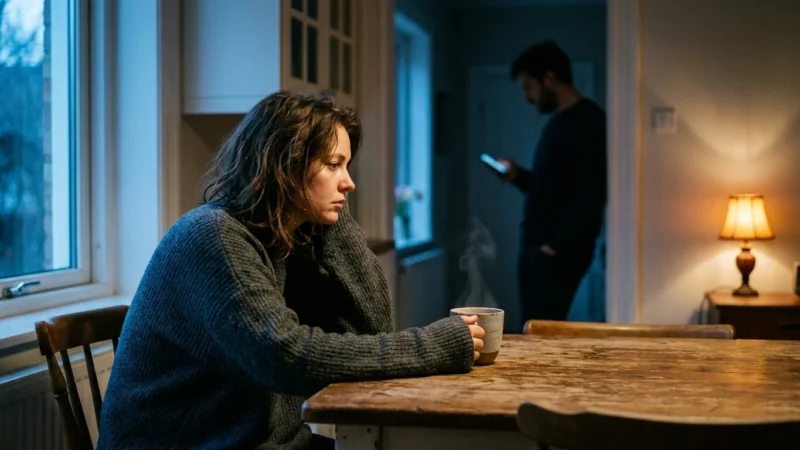






I think i am a victim of a narcissist spouse. counselors are expensive and i feel so inadequate to follow a plan to help myself. I just trust in God to keep me as happy as I can be. I feel like I am controlled but the spouse denies everything and when i point something out, the spouse says i am the reason for the problem. This has always been the case. years ago a psychiatrist told me to walk away and at times make a comment like, ya, or it is what it is. Sometimes the spouse will follow me and continue to harrass me.