
Psychology Diary

The First Step Toward Change Is Awareness

  • Home
  • Relationships
  • Mental Health
  • Expert Tips
  • Life
  • Family
  • Marriage

A Guide to Maintaining Mental Fitness and Brain Health After 60

August 31, 2025 · Expert Tips

Doctor checking man's hearing in clinic.

Protecting Your Mind: Vision, Hearing, and Safety

Some of the most impactful factors for brain health are often overlooked. Addressing sensory impairments, reviewing medications, and safeguarding against exploitation are practical, protective measures that support overall cognitive function and well-being.

The Critical Link Between Senses and Cognition

Your eyes and ears are the primary gateways through which your brain receives information about the world. When these senses are impaired, the brain has to work much harder to process information, diverting cognitive resources that could be used for memory and thinking. Furthermore, untreated hearing loss is a significant risk factor for social isolation and has been strongly linked to a higher risk of developing dementia.

It is essential to schedule regular check-ups:

Annual Vision Exams: Ensure your prescription is up-to-date and get screened for conditions like glaucoma and cataracts.

Regular Hearing Screenings: Hearing loss can be gradual, and many people don’t realize its extent. Modern hearing aids are discreet and highly effective, and using them can dramatically improve social engagement and reduce cognitive load.

Conduct a Medication Review

As people age, they often accumulate multiple prescriptions from different doctors, a phenomenon known as polypharmacy. The more medications a person takes, the higher the risk of adverse drug interactions and side effects, including confusion, memory problems, and dizziness. Certain classes of drugs, such as some over-the-counter sleep aids, benzodiazepines, and certain antidepressants, are known to have cognitive side effects in older adults.

At least once a year, schedule a “brown bag” medication review. Put all of your prescription medications, over-the-counter drugs, and supplements into a bag and take them to your primary care physician or pharmacist. They can review everything to check for potential interactions, redundant prescriptions, and medications that may no longer be necessary or could be prescribed at a lower dose.

Staying Safe from Scams and Financial Exploitation

Criminals frequently target older adults with scams, using psychological tactics to create a sense of urgency, authority, or scarcity. These tactics are designed to bypass rational thought and trigger an emotional reaction. For example, a scammer might pretend to be from the IRS and threaten immediate arrest (authority and urgency) or claim you’ve won a lottery but must pay a fee to collect (scarcity).

Protecting yourself involves developing a default sense of skepticism and having a pre-planned response. A safe, all-purpose script is:

“Thank you for the information. I do not handle financial matters or make decisions over the phone. I will hang up now, independently look up the official contact information for your organization, and call them directly if I am interested.”

Never give personal information, account numbers, or passwords to someone who calls you unexpectedly. Do not click on suspicious links in emails or text messages. If you believe you have been targeted by or have fallen victim to a scam, it is not your fault. Report it to preserve evidence and help authorities. In the U.S., you can report scams to the Federal Trade Commission and the FBI Internet Crime Complaint Center (IC3).

Pages: 1 2 3 4 5 6 7 8

Share this article

Facebook Twitter Pinterest LinkedIn Email

Leave a Reply Cancel reply

Your email address will not be published. Required fields are marked *

Search

Latest Posts

  • A conceptual paper collage showing a silhouette framed by overlapping paper layers, symbolizing a shrinking world. 10 Signs Your Spouse Is Controlling You
  • An adult in a knit sweater sits on a window sill on a gray day, looking out over a misty city with a steaming mug. 10 Subtle Signs You're Just Existing, Not Truly Living
  • Editorial illustration of a person surrounded by a protective warm watercolor aura, deflecting dark droplets on textured paper. 10 Common Psychological Defense Mechanisms - Which One Do You Use?
  • A mixed-media collage silhouette of a person made from torn paper, charcoal sketches, and ink washes, representing fragmented self-trust. 9 Signs of an Emotionally Abusive Relationship
  • A mixed media collage of a human silhouette with layered torn paper in indigo and gold, symbolizing trapped physical energy and healing. 10 Signs Your Body is Holding Trauma
  • An illustration of an adult walking forward, casting a shadow that reveals a towering parental figure behind them. 10 Signs You Were Raised by a Narcissist
  • An editorial gouache illustration of a woman's profile transitioning from concrete architecture to elegant fashion lines. Who Was Melania Before She Met Donald Trump? (A Psychological Portrait)
  • An ink and watercolor illustration of a person holding a large ceramic vase with glowing gold cracks, symbolizing hidden internal pressure. The Psychology of the Person Who Is Always Fine Until They Absolutely Aren't
  • A woman sits in a sunlit home library, looking thoughtfully out a window with an open book on her lap. 12 Signs of a High IQ
  • A candid photograph of a tense moment between a couple in a sunlit kitchen, one partner looking exhausted while the other looks away. 8 Traits of Someone Who Always Has to Be Right

Newsletter

Get the latest posts delivered to your inbox.

Related Articles

Nervous Breakdown

8 Warning Signs of a Nervous Breakdown

Lack of Motivation The lack of incentive you feel when you’re on the verge of…

Read More →
Cheaters always do

This Psychologist Finally Found 7 Signs Cheaters ALWAYS Share

Cheaters always do these things according to cognitive experts:  Red flags aren’t always visible in…

Read More →
mistakes with adult children

4 Worst Mistakes Seniors Make With Their Adult Children

4. Becoming pushy when it comes to the grandchildren. Mistakes with adult children can take…

Read More →
assisted living

10 Reasons Why Assisted Living Facilities Are a Great Decision

You probably know your loved one better than anyone else, so deciding when’s the right…

Read More →
grandparents

Top 9 Worst Mistakes Grandparents Make Without Realizing

5. Never gift pets You have two dogs and a cat, and you love them…

Read More →
negotiation skills

9 Negotiation Skills to Get What You Want

Let’s talk about negotiation skills! From agreeing to your start date to signing off on…

Read More →
Narcissist, falling out of love

6 Subtle Signs You Might Be Falling Out of Love, According to Experts

Do you ever feel like you’re falling out of love with your partner? Many relationships…

Read More →
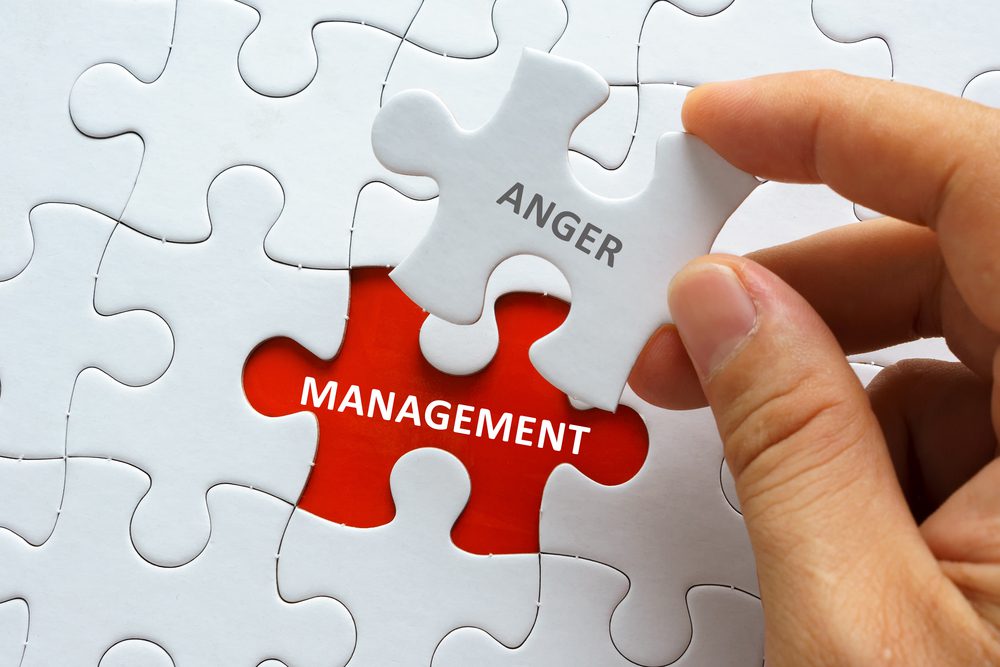
anger management

7 Signs You Have Anger Management Issues

#5 Your Anger Lasts for Too Long When angry outbursts linger for a prolonged period…

Read More →
8 Simple Ways to Boost Your Mood Every Day After 60

8 Simple Ways to Boost Your Mood Every Day After 60

Discover 8 research-backed, simple ways to boost your mood and protect your mental health every…

Read More →

Psychology Diary

The First Step Toward Change Is Awareness

Inedit Agency S.R.L.
Bucharest, Romania

contact@psychologydiary.com

Explore

  • About Us
  • Advertiser Disclosure
  • Contact Us
  • Disclaimer
  • Do not sell my personal information
  • Editorial Policy
  • Frequently Asked Questions
  • Privacy Policy
  • Terms and Conditions
  • Subscribe
  • Unsubscribe

Categories

  • Expert Tips
  • Family
  • Life
  • Marriage
  • Mental Health

© 2026 Psychology Diary. All rights reserved.