Psychology Diary

The First Step Toward Change Is Awareness

  • Home
  • Relationships
  • Mental Health
  • Expert Tips
  • Life
  • Family
  • Marriage

Top 7 Worst Subtle Ways You’re Pushing Your Adult Children Away

August 24, 2023 · Family
pushing your adult children away
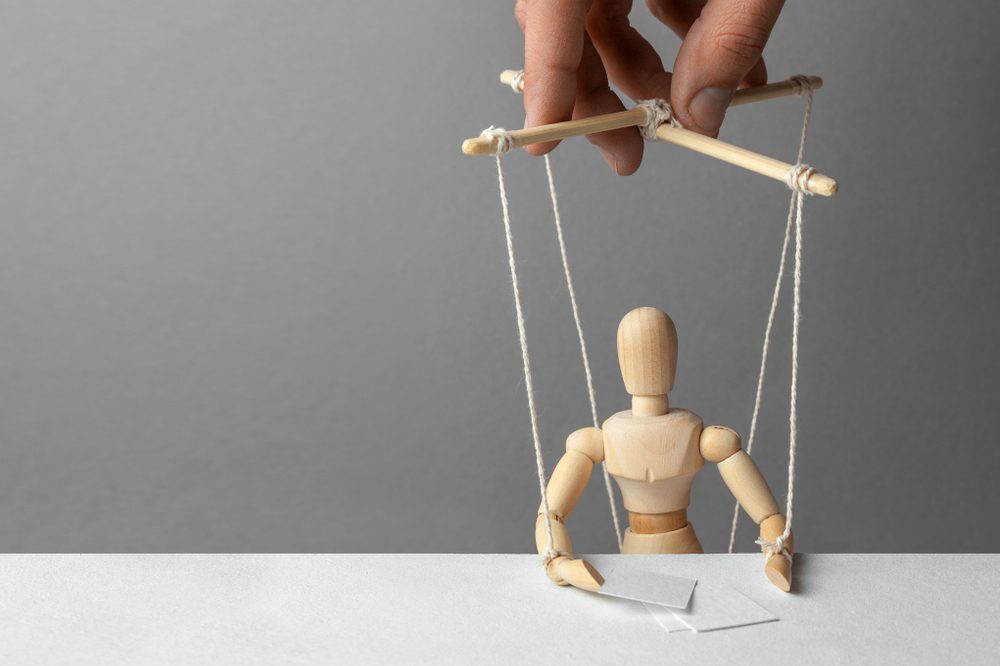
Photo by Bbernard from Shutterstock

You’re keeping track of how much time they spend with you

One of the subtle ways you’re pushing your adult children away is by suggesting they don’t have any interest in spending time with you and nagging about this topic all the time you talk to them. While you may feel neglected and abandoned, most adult kids prefer spending time with their close friends or their wives and kids, and there’s no point in taking this personally.

What can you do in this scenario? Well, first respect their boundaries, and then plan together, if it’s possible, a trip or a full weekend together. Pizza night works just fine too!

You’re snooping too much into their stuff

Have you ever wondered why your adult children are keeping things away from you? Maybe you are too pushy, asking question after question only to find out stuff they don’t want to share with you. Unsolicited advice is part of the same category.

If, for example, your son or your daughter informs you that they were selected for a new job at a new firm, resist the need to inquire about the pay, benefits, working conditions, or other details. Assume that they will let you know if they receive it, and if you haven’t heard anything after a week or so, just inquire whether there has been any update.

Avoid saying things like, “Perhaps you could reach out to them to show how interested you are so you won’t be replaced by another candidate!” It’s rude and they might feel offended and annoyed by the fact that you’re pushing too much on the subject. Demonstrate your unwavering support for them, regardless of the circumstances.

Pages: 1 2 3 4 5 6 7

Share this article

Facebook Twitter Pinterest LinkedIn Email

One response to “Top 7 Worst Subtle Ways You’re Pushing Your Adult Children Away”

  1. Alan Green says:
    October 4, 2023 at 5:15 am

    I consider my parents “authoritarian” because they always knew better and as I grew up I had to fight about my cloths, my friends, my hair style and even my glasses. There was no support of “ME”. When I went to college I never called home. A friend caught me one day and told me my parents were on the phone. I said to tell them I’d call back. He said that they told him to drag me to the phone with whatever force necessary. I answered and my mother said, in her clenched teeth manner, “Just when were you planning ion calling us?”
    Years later, when I was grown and married and living 6 hours away, I called my folks a few times, so I could tell them something. The next day I tried again but couldn’t reach them. I called my sister who lived another couple of hours from my parents, to see if she knew why I couldn’t reach them and she said, “They’re here.” They had gone to visit my sister and would have had to drive within a mile of my house and weren’t going to even stop by. so, they ended up stopping by on their way home but just for a couple of hours before they left to go home.
    One interesting thing I realized after my father passed away. Most things I did, in order to get recognized at work, I did so that I could tell my father to show him how successful I was so I could gain his love and respect. In later years I would do something I was proud of and think to call my father and remember he was not around any more. I would think of calling my mother but I needed the recognition from my father. That’s when I started to live my life for ME !!

    Reply

Leave a Reply Cancel reply

Your email address will not be published. Required fields are marked *

Search

Latest Posts

  • A man holding keys looks startled as he enters an apartment hallway, facing a woman seen from behind. 8 Things Cheaters Often Say When Confronted
  • Illustration of a woman examining a painted timeline on a wall with a magnifying glass as white paint obscures the dates. 11 Signs Someone Is Gaslighting You
  • A man and woman collaboratively place a mosaic keystone into a tiled archway in a sunny courtyard. 11 Common Marriage Myths Psychologists Debunk
  • A man lies awake in bed in a dark room, staring upward beside a digital clock showing 3:00. 12 Symptoms of Anxiety That Show Up at Night
  • Illustration contrasting a stressed head beside a soda can with a calm profile near blueberries, avocados, and walnuts. 10 Foods That May Worsen ADHD Symptoms (Plus Better Choices)
  • Illustration of a raked sand zen garden with a large cracked boulder split by a glowing red fissure. 10 Signs You Have Anger Issues
  • Mother and young daughter smiling and talking together on a park bench covered in autumn leaves in the sunlight. Top 10 Characteristics of Being a Good Mother, According to Psychologists
  • A man chopping carrots in a dimly lit kitchen at night, preparing meal prep containers on a wooden island. 12 Signs You’re Dealing With Silent Anxiety
  • An older woman in a green cardigan sits in a wooden rocking chair by a window looking out at winter snow. 12 Signs of Seasonal Mood Changes in Older Adults
  • Illustration of a laughing man juggling sunny speech bubbles, while his dark shadow sits hunched over in despair. 9 Signs You’re Using Humor to Deflect

Newsletter

Get the latest posts delivered to your inbox.

Related Articles

family

5 Signs your Family Is Trying to Manipulate You

It can be tough to accept, but sometimes the people we should consider to be…

Read More →
Overcoming Parent-Child Conflict

Overcoming Parent-Child Conflict: 5 Easy Steps to Navigate

Psychology Diary Presents: Overcoming parent-child conflict In the complex world of family dynamics, the delicate…

Read More →
Grandfather reading to grandchildren in a park.

Grandparenting from a Psychologist’s Perspective: How to Build a Strong Bond

Grandparenting from Afar: Closing the Distance with Connection In today’s mobile world, many grandparents live…

Read More →
A woman sits thoughtfully at a kitchen table with medicine bottles while an older man washes dishes in the background.

9 Signs of Unspoken Tension Between Aging Parents and Children

Identify 9 signs of unspoken tension between aging parents and adult children, explore the hidden…

Read More →
A young woman sits at a rustic table looking down while an older gray-haired woman watches her from across the table.

12 Things Parents Should Never Say to Their Adult Children

Discover 12 damaging phrases parents should avoid saying to adult children, understand their psychological impact,…

Read More →
A multigenerational Black family sits in wooden chairs around a glowing outdoor fire pit having a discussion at dusk.

9 Family Conversations to Have at Thanksgiving

Explore 9 essential family conversations to have at Thanksgiving, covering estate planning, talking to aging…

Read More →
Mother and young daughter smiling and talking together on a park bench covered in autumn leaves in the sunlight.

Top 10 Characteristics of Being a Good Mother, According to Psychologists

Discover the top 10 characteristics of being a good mother according to psychologists, focusing on…

Read More →
toxic family

12 Signs You’re Dealing With a Toxic Family Member

Punishment is always harsher than it should be Of course, discipline is needed when it…

Read More →
An ink and watercolor illustration of a parent at a table, looking at a phone from which a thorny vine grows.

10 Hidden Signs Your Adult Child Is Toxic

Learn to identify the hidden signs of a toxic adult child, understand the psychological toll,…

Read More →

Psychology Diary

The First Step Toward Change Is Awareness

Inedit Agency S.R.L.
Bucharest, Romania

contact@psychologydiary.com

Explore

  • About Us
  • Advertiser Disclosure
  • Contact Us
  • Disclaimer
  • Do not sell my personal information
  • Editorial Policy
  • Frequently Asked Questions
  • Privacy Policy
  • Terms and Conditions
  • Subscribe
  • Unsubscribe

Categories

  • Expert Tips
  • Family
  • Life
  • Marriage
  • Mental Health

© 2026 Psychology Diary. All rights reserved.