
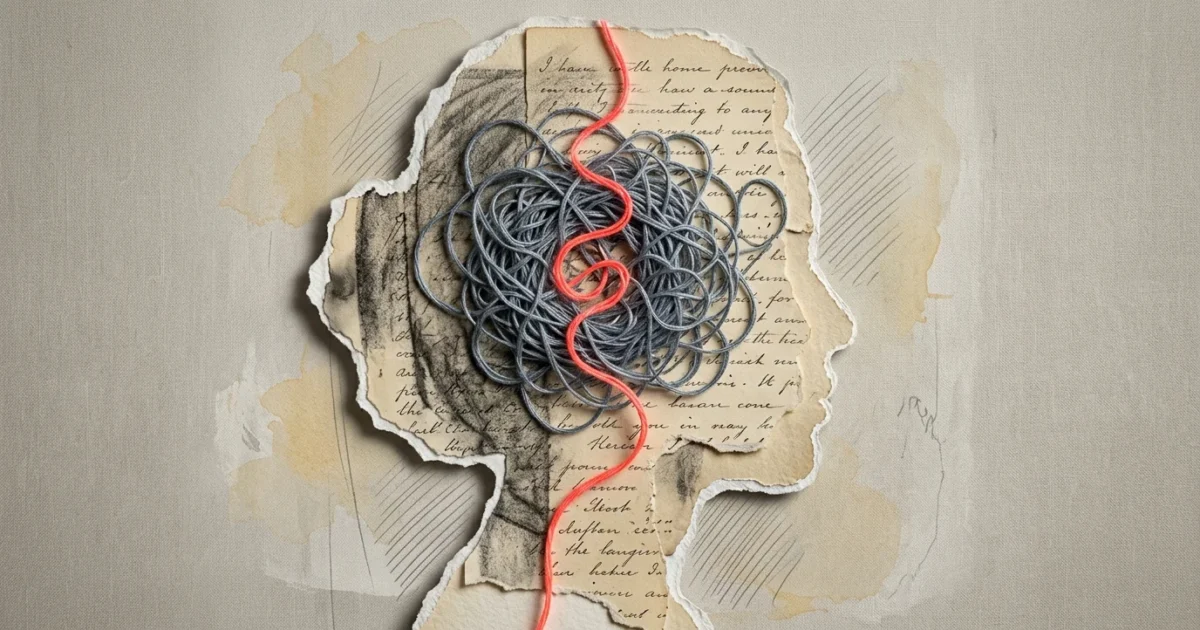
Unresolved resentment rarely announces itself with explosive outbursts; instead, it operates quietly beneath your conscious awareness, eroding your relationships, emotional well-being, and physical vitality. When you swallow frustration to keep the peace or dismiss your own boundaries, unexpressed anger curdles into chronic bitterness. You might believe you moved past a painful slight, yet your body and subconscious mind keep score. Identifying the subtle warning signs of hidden resentment allows you to reclaim emotional clarity, repair damaged connections, and release chronic psychological tension before it hardens into permanent detachment.
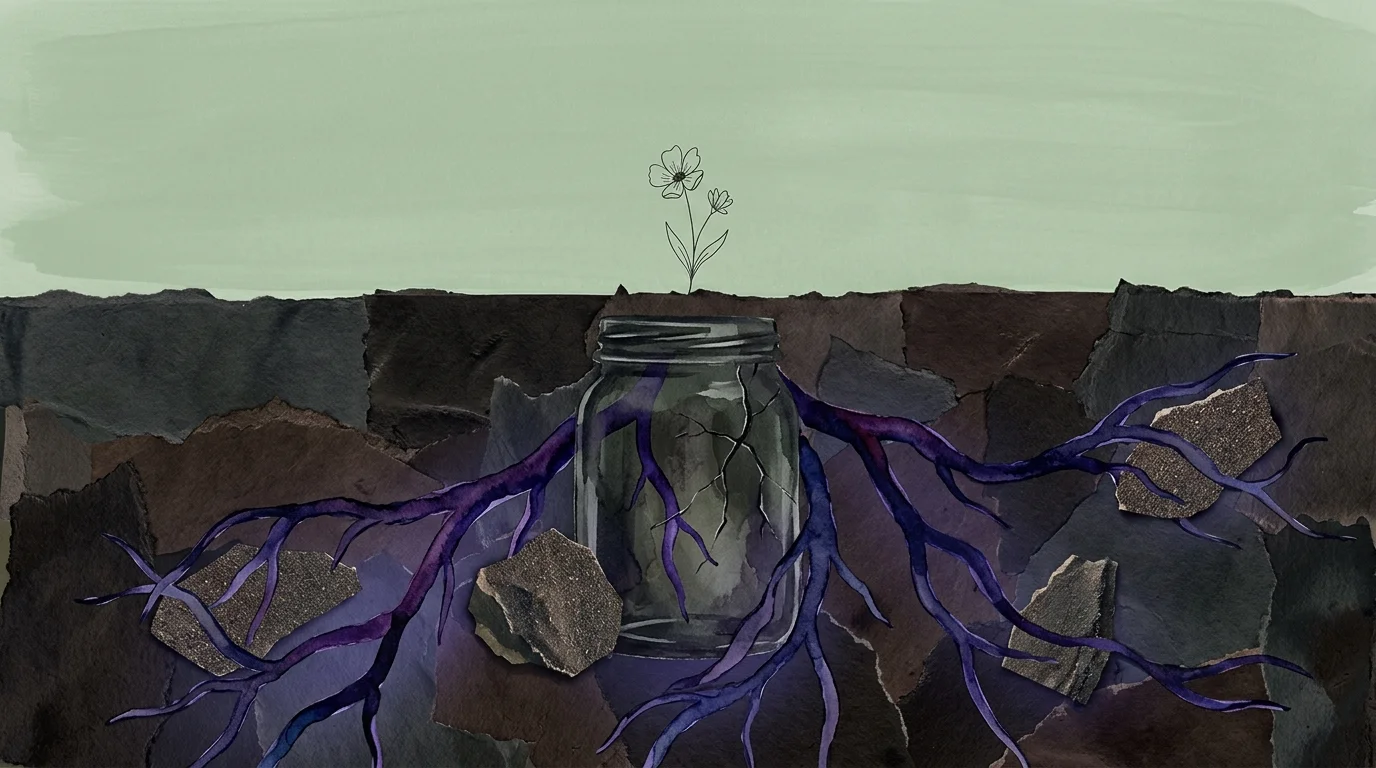
What Is Hidden Resentment and Why Does It Linger?
Psychologists define resentment as a complex, secondary emotional reaction characterized by persistent feelings of ill will, indignation, and bitterness following a perceived injustice, slight, or boundary violation. Unlike raw anger, which surges rapidly as an acute biological response to an immediate threat, resentment develops slowly over time. It takes root when you suppress your immediate emotional reaction; when you tell yourself that speaking up is not worth the conflict; or when you repeatedly sacrifice your personal needs to maintain external harmony.
Resentment thrives in environments where open, assertive communication feels unsafe or unproductive. When you believe that expressing your honest feelings will result in rejection, mockery, or escalation, you tuck those feelings away. However, suppressed emotions do not dissolve; they metastasize into cognitive filters that distort how you interpret another person’s actions. According to clinical frameworks outlined by the American Psychological Association, chronic emotional suppression taxes the central nervous system, sustaining elevated physiological arousal and reinforcing maladaptive interpersonal dynamics.
“Resentment is the feeling of frustration, judgment, anger, ‘better than,’ that comes from setting every boundary too late or not at all.” — Dr. Brené Brown, Research Professor and Author
Because resentment often disguises itself as fatigue, apathy, or rational skepticism, many individuals harbor deep-seated grievances without consciously realizing it. You may tell yourself that you have forgiven a partner, parent, friend, or colleague, yet your behavioral patterns reveal an entirely different emotional reality.
8 Signs You’re Holding Onto Resentment Without Realizing It
Hidden resentment leaks into daily life through micro-behaviors, somatic symptoms, and altered communication styles. Recognizing these subtle markers is the essential first step toward emotional recovery.
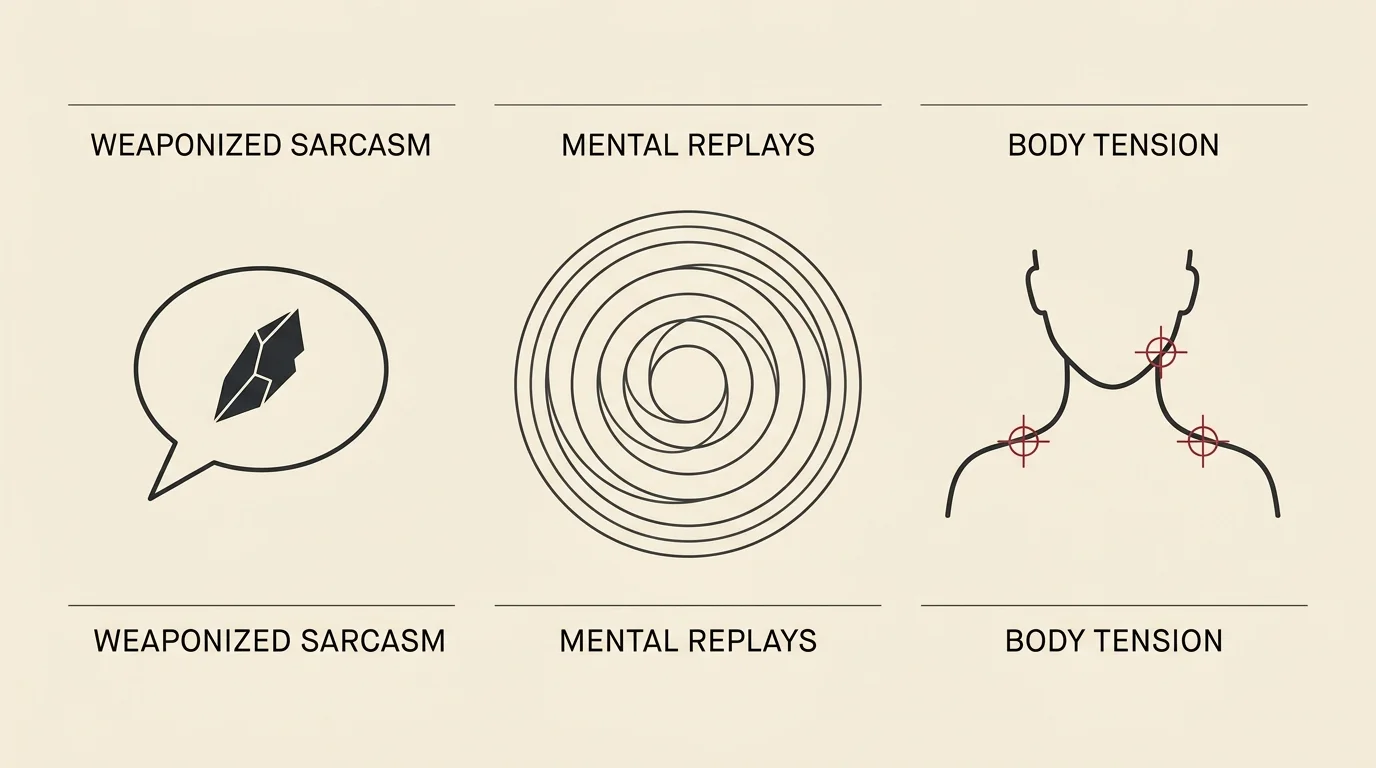
1. Weaponized Sarcasm and Passive-Aggressive “Jokes”
When direct anger feels too dangerous or confrontational to express, your psyche finds alternative escape valves. Sarcasm, cutting humor, and subtle digs allow you to deliver an emotional blow while maintaining plausible deniability. You might find yourself saying something biting, only to follow it with “I was just joking” or “You’re being too sensitive” when the other person reacts.
This passive-aggressive behavior serves as a subconscious defense mechanism. It allows you to discharge small amounts of hostility without taking responsibility for initiating a vulnerable, honest conversation about what actually hurt you.
2. Compulsive Mental Replays and Imaginary Arguments
Do you frequently rehearse what you should have said during a past disagreement while showering, driving, or trying to fall asleep? Ruminative loops are one of the most reliable indicators of unresolved emotional debt. When a past violation lacks genuine closure, your brain treats the event as an active, unresolved problem.
During these mental replays, your mind scripts dramatic confrontations where you finally articulate your grievances with devastating eloquence. While this rumination feels productive in the moment, it actually reinforces neurological pathways associated with distress and keeps your fight-or-flight system perpetually activated.
3. Emotional Stonewalling and Cold Disconnection
Rather than expressing hot anger, individuals holding onto hidden resentment often default to cold detachment. You might notice yourself offering flat, monosyllabic answers (“I’m fine,” “Whatever you want,” “Sure”) or withdrawing your emotional presence from someone you once engaged with warmly.
Relationship researchers at The Gottman Institute identify stonewalling and emotional withdrawal as catastrophic predictors of relationship distress. When you pull away emotionally, you are not simply conserving energy; you are building a protective wall designed to shield yourself from further vulnerability, inadvertently shutting out intimacy in the process.
4. Secret Scorekeeping and Weaponizing the Past
A covertly resentful person keeps an immaculate mental ledger of all sacrifices made and all wrongs endured. You might find that during a minor disagreement about household chores or dinner plans, you suddenly bring up an unrelated mistake the other person committed eighteen months ago.
Scorekeeping reflects a fundamental lack of trust in relationship reciprocity. You catalog past grievances as defensive ammunition, ready to deploy them whenever you feel cornered, invalidated, or unappreciated.
5. Reluctance to Celebrate Their Successes
When someone you secretly resent achieves a milestone—whether a career promotion, personal accolade, or moment of joy—your immediate internal reaction may be a subtle pang of irritation, envy, or emotional numbness rather than genuine excitement. You might catch yourself minimizing their achievement internally, thinking, “Must be nice,” or attributing their success solely to luck.
Conversely, you might experience a quiet sense of validation or vindication when they encounter a setback. This subtle schadenfreude indicates that your subconscious views their struggles as cosmic balancing for the unfairness you feel they inflicted on you.
6. Somatic Distress and Chronic Physical Tension
Resentment is an embodied emotion. When you persistently hold back words, boundaries, and emotional truths, your body absorbs the impact. Many people carrying unconscious resentment experience persistent physical symptoms that resist standard medical explanations.
Common somatic expressions of hidden resentment include:
- Chronic jaw clenching, teeth grinding (bruxism), and tension headaches.
- Persistent tightness across the shoulders, neck, and upper back.
- Gastrointestinal distress, including irritable bowel flare-ups and stomach cramping.
- Shallow breathing patterns and chronic, unexplained physical fatigue.
Research highlighted by Harvard Health Publishing demonstrates that chronic negative emotional states elevate systemic inflammation and dysregulate the sympathetic nervous system, turning psychological grievances into tangible physical suffering.
7. Embracing the “Martyr Complex” While Rejecting Help
If you consistently take on excessive responsibilities, refuse offers of assistance with a dismissive “I’ll just do it myself,” and then feel deeply unappreciated and bitter, you are caught in a martyr cycle. This behavior stems from an unconscious desire to maintain the moral high ground.
By overfunctioning and refusing collaboration, you reinforce a self-fulfilling narrative: that everyone else is unreliable, selfish, or unsupportive. This dynamic allows resentment to thrive while deflecting your own responsibility for establishing healthy operational boundaries.
8. Emotional Flattening and Loss of Spontaneous Warmth
Over time, chronic resentment deadens your capacity for spontaneous affection, playful banter, and physical touch. You may no longer feel active malice toward the person; instead, you feel an overwhelming sense of apathy. The thought of hugging them, laughing at their jokes, or confiding your inner thoughts feels exhausting or unnatural.
This emotional flattening occurs because suppressing negative emotions requires tremendous cognitive effort, which inadvertently dampens positive emotions such as joy, curiosity, and tenderness.
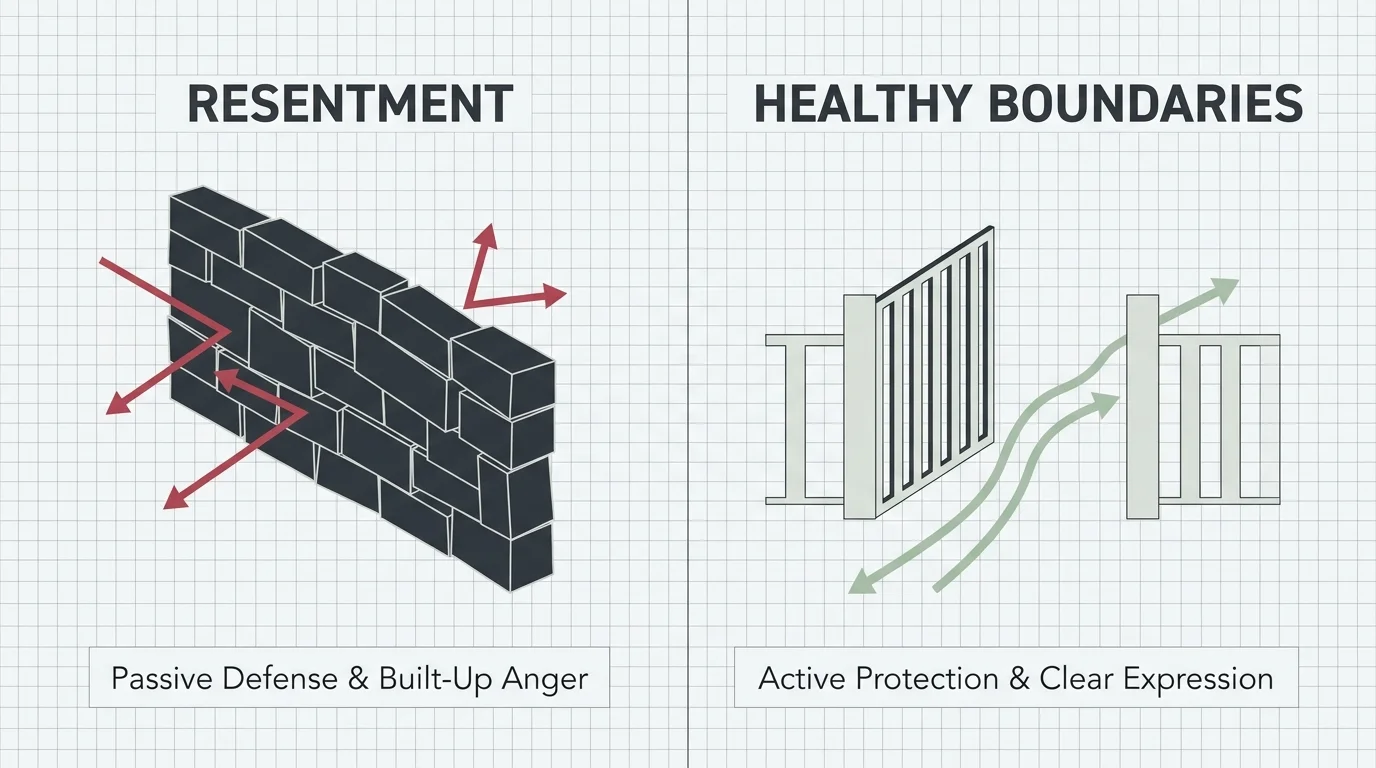
Resentment vs. Healthy Boundaries: Key Differences
Many people mistake their internal resentment for self-protection. However, resentment is a reactive, disempowering state, whereas boundary setting is proactive, clear, and empowering. Understanding the distinction helps you pivot from silent suffering to constructive self-advocacy.
| Dimension | Chronic Hidden Resentment | Healthy Boundary Setting |
|---|---|---|
| Communication | Indirect hints, sarcasm, passive silence, explosive outbursts. | Direct, calm, clear, and assertive verbal expression. |
| Internal Focus | Obsessing over the other person’s behavior, flaws, and fairness. | Focusing on personal limits, values, and self-care requirements. |
| Emotional Energy | Draining, tense, ruminative, and physically exhausting. | Grounded, clear, protective, and emotionally steady. |
| Relational Outcome | Erodes emotional safety, breeds contempt, creates distance. | Preserves connection, clarifies expectations, fosters trust. |
| Personal Agency | Adopts a powerless victim stance; waits for others to change. | Takes full ownership of choices, responses, and actions. |
Myths Worth Debunking About Resentment and Forgiveness
Several widespread misconceptions prevent people from recognizing and resolving their hidden resentment. Dismantling these myths clears the path for genuine emotional healing.
Myth 1: Forgiving Means Excusing Unacceptable Behavior
Forgiveness does not mean condoning mistreatment, minimizing harm, or forfeiting your boundaries. Forgiveness is an internal psychological decision to release the emotional poison of chronic hostility so it no longer controls your nervous system. You can completely forgive someone while simultaneously choosing never to speak to them again or restricting their access to your life.
Myth 2: Time Automatically Heals All Emotional Wounds
Time alone does not heal resentment; intentional processing does. When you leave emotional injuries unattended, time merely allows unexpressed hurt to crystallize into permanent cynicism and relational detachment. Healing requires identifying the root boundary failure and addressing it directly.
Myth 3: Staying Silent Is the Same as Keeping the Peace
Silence often masks conflict rather than resolving it. When you swallow your truth to avoid making waves, you trade authentic peace for artificial tranquility. The conflict does not vanish; it moves inward, transforming into self-directed bitterness and physical tension.

Practical Strategies for Releasing Hidden Resentment
Releasing deep-seated resentment requires transitioning from passive emotional holding to active, conscious processing. Use these evidence-based psychological strategies to clear emotional clutter and restore inner equilibrium.
- Locate the Unmet Need or Broken Boundary: Behind every pocket of resentment lies an unexpressed need or an unmaintained boundary. Ask yourself: What did I need in that moment that I failed to ask for? Where did I say yes when I desperately wanted to say no? Shifting your inquiry from what they did to what you needed restores your personal power.
- Practice Assertive, Vulnerable Communication: Replace passive-aggressive commentary with clean, non-accusatory statements. Use the classic communication framework: “When [specific event] happened, I felt [emotion], because my need for [respect/support/clarity] was not met. Moving forward, I need [specific actionable boundary].”
- Complete the Somatic Stress Cycle: Because resentment lives in the body, cognitive insight alone is insufficient. Engage in physical activities that signal safety to your nervous system—such as vigorous exercise, progressive muscle relaxation, breathwork, or expressive journaling—to discharge stored physiological tension.
- Relinquish the Mental Ledger: Consciously choose to close the imaginary scorebook. Holding onto past transgressions gives you an illusion of control, but it fundamentally keeps you tethered to the past. Accept that you cannot rewrite history, but you can dictate your current relational boundaries.
- Reclaim Your Personal Agency: If you are overfunctioning in your home or workplace, immediately delegate or cease performing non-essential tasks that breed bitterness. Allow others to experience the natural consequences of their own responsibilities.

Signs It’s Time to Talk to a Therapist
While self-reflection and communication adjustments resolve many relational tensions, chronic resentment can become deeply entrenched, signaling deeper psychological distress. Professional clinical support provided through organizations like the Mayo Clinic can help you safely process complex emotional wounds.
Consider seeking support from a licensed mental health professional if you notice the following patterns:
- Intrusive, Inescapable Rumination: You spend hours every day replaying past mistreatments, and these intrusive thoughts interfere with your work performance, focus, or sleep quality.
- Pervasive Contempt in Core Relationships: You find yourself viewing your partner, family member, or close friend with deep disgust or persistent disdain—states that make cooperative communication nearly impossible.
- Severe Somatic and Mood Symptoms: Unresolved bitterness has evolved into clinical symptoms of depression, generalized anxiety, panic attacks, or chronic gastrointestinal and muscular pain.
- Trauma-Based Grievances: The resentment stems from severe emotional, psychological, or physical betrayal, abuse, or neglect that requires specialized trauma-informed modalities such as EMDR, Internal Family Systems (IFS), or Emotion-Focused Therapy (EFT).
Frequently Asked Questions
How do I know if I am resentful or just burnt out?
Burnout typically produces generalized exhaustion, emotional depletion, and reduced efficacy across all domains of life. Resentment, however, is targeted: it attaches specific feelings of injustice, blame, and bitterness to particular individuals, institutions, or roles. If your fatigue is accompanied by an urge to point fingers or a feeling that others are taking unfair advantage of you, resentment is likely the underlying driver.
Can you deeply love someone while simultaneously resenting them?
Yes. In fact, resentment is most common in close relationships where emotional stakes are high. When you care deeply about someone, your expectations of emotional safety, support, and reciprocity are significantly elevated. When those expectations go unmet without open discussion, deep love and chronic resentment frequently co-exist, creating intense internal friction.
What is the fastest way to stop an imaginary argument in my head?
Interrupt the cognitive loop using grounding techniques. Name three physical objects in your immediate environment, place a hand over your chest, and take three slow, diaphragmatic breaths. Then, consciously remind yourself: “This conversation is not happening right now. Rehearsing it will not change the past. I will address this directly if necessary, or I will let it rest for today.”
Why does holding resentment feel addictive?
Resentment triggers neurochemical reward pathways associated with moral superiority and self-righteousness. When you frame yourself as the wronged party, your brain experiences a temporary surge of dopamine and protective energy. However, this high is fleeting and ultimately leaves your nervous system depleted, making the pattern emotionally habit-forming yet psychologically destructive.
Releasing resentment is not a gift you give to the person who hurt you; it is a profound act of self-preservation and personal liberation. By recognizing the subtle warning signs, honoring your real boundaries, and choosing direct communication over silent suffering, you free your emotional energy for the joy, connection, and peace you truly deserve.
This article provides general educational information about psychology and relationships. It is not a substitute for professional therapy or medical advice. Everyone’s situation is unique—if you’re struggling, please reach out to a licensed mental health professional.
Last updated: February 2026. Psychology research evolves continuously—verify current findings with professional sources.









Leave a Reply