

Learning to decline requests without a flood of guilt marks a pivotal turning point in your emotional development and personal integrity. When you transition away from habitual people-pleasing, you reclaim mental energy, protect your schedule, and align your commitments with your core values. Rather than feeling like an aggressive confrontation, declining an invitation or refusing an unreasonable demand becomes a quiet exercise in self-respect. You stop treating compliance as the mandatory price of belonging and start viewing your energy as a finite resource. Recognizing the subtle psychological shifts in your behavior confirms that you have built authentic boundary confidence.
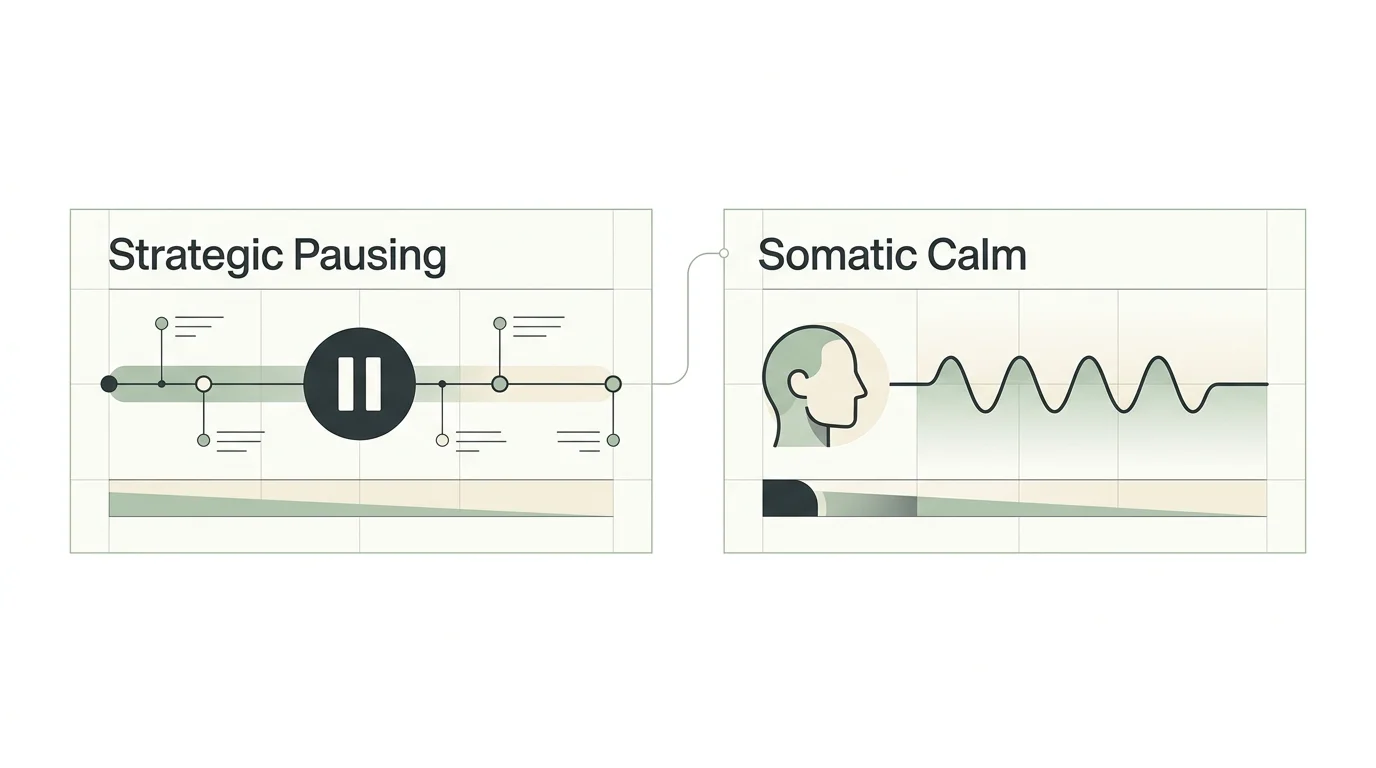
The Essentials: What Boundary Mastery Looks Like
- Clear communication: You deliver polite refusals without fabricating excuses or over-explaining.
- Somatic calm: Your body remains settled instead of triggering a fight-or-flight panic response when you set limits.
- Emotional differentiation: You recognize that someone else’s disappointment is their emotion to process, not an emergency for you to fix.
- Strategic pausing: You stop answering automatically and give yourself time to assess your capacity.
- Absence of rumination: The lingering post-refusal guilt hangover disappears from your routine.

The Psychology of Boundary Setting and Self-Advocacy
Assertive communication requires a balanced view of your own rights and the rights of others. When you spend years prioritizing other people’s comfort at the expense of your well-being, saying no feels dangerous; your nervous system perceives potential social rejection as a threat to your safety. Psychologists often classify chronic compliance as a “fawning” response—a subconscious survival mechanism where you placate others to avoid conflict or abandonment.
According to the American Psychological Association, chronic stress frequently stems from unmanaged role overload and poor interpersonal limits. Developing the capacity to state your limits recalibrates your mental load. Setting boundaries by saying no does not mean you have become cold, callous, or unhelpful. Instead, it demonstrates emotional maturity: you acknowledge that your personal resources—time, emotional energy, cognitive bandwidth, and physical health—are limited and deserve intentional stewardship.
“Daring to set boundaries is about having the courage to love ourselves, even when we risk disappointing others.” — Brené Brown, Ph.D., LMSW

9 Signs You’re Finally Comfortable Saying No
1. You Stop Offering Elaborate Justifications
In the past, refusing an invitation required an extensive backstory. You felt compelled to invent conflicting appointments, exaggerate minor illnesses, or write multi-paragraph text messages apologizing for your absence. Over-explaining is a classic symptom of boundary insecurity; it functions as a plea for the other person to grant you permission to decline.
When you achieve genuine comfort with your limits, your language becomes clean and direct. You use clear, concise phrases such as “I cannot take that on right now,” “Thank you for thinking of me, but I won’t be able to attend,” or simply “That doesn’t work for my schedule.” You realize that a polite refusal is complete on its own; you no longer need an external excuse to validate your decision.
2. Your Nervous System Remains Regulated
Pay attention to your somatic reactions when you decline a request. In early stages of personal growth, setting a boundary often triggers a spike in cortisol and adrenaline. Your heart rate accelerates, your throat tightens, your stomach churns, and you feel an overwhelming urge to retract your statement immediately to relieve the tension.
A primary sign of emotional progress occurs when your body remains grounded during and after the conversation. While you might still register a passing flicker of social awkwardness, you no longer enter a state of fight-or-flight. Your breath remains steady, your posture stays open, and you can sit comfortably with the brief pause that follows your statement.
3. You Separate Empathy from Emotional Responsibility
People who struggle with boundaries often confuse empathy with taking responsibility for another person’s emotional state. If someone looks unhappy or sighs after you turn down their request, you might feel an immediate urge to fix their mood or reverse your decision.
Reaching boundary confidence means practicing emotional differentiation. You can care deeply about someone while recognizing that their disappointment is a natural reaction—not a command for you to sacrifice your needs. Clinical insights from The Gottman Institute emphasize that healthy relationships thrive on emotional differentiation, where each partner takes ownership of their internal experiences without demanding constant emotional accommodation from the other.
4. You Buy Time Instead of Reflexively Agreeing
People-pleasing often happens on autopilot. Before your brain can evaluate whether you have the time, desire, or energy to fulfill a favor, the word “yes” has already left your mouth. This reflexive compliance creates downstream resentment and burnout.
One of the clearest healthy boundary setting signs is the deliberate pause. When someone asks for your time or assistance, you routinely deploy buffer statements:
- “Let me review my calendar and get back to you by tomorrow morning.”
- “I need to check my current project deadlines before I can commit to this.”
- “I am not sure if I have the bandwidth for that; let me think about it.”
By giving yourself space to evaluate requests, you remove urgency and make decisions based on your actual capacity rather than social pressure.
5. You No Longer Experience the “Guilt Hangover”
Earlier in your boundary-setting journey, you might have successfully said no, only to spend the next 48 hours trapped in obsessive rumination. You replayed the exchange repeatedly, wondered if the person now hated you, asked mutual friends if you sounded harsh, and debated sending a frantic follow-up message to smooth things over.
Learning to say no without guilt means the mental echo chamber goes quiet. Once the interaction concludes, you move on with your day. You do not dwell on how the refusal sounded, nor do you assume that a simple boundary has permanently damaged your relationship. Your internal peace remains intact because your self-worth does not depend on universal approval.
6. Your “Yes” Carries Genuine Enthusiasm
When you cannot say no, your affirmative responses become hollow, reluctant, and infused with latent resentment. You agree to organize events, help friends move, or take on extra assignments at work while silently complaining about the burden. This dynamic damages relationships because passive compliance breeds passive-aggressive behavior.
When you master the art of refusal, your commitments regain integrity. When you agree to participate, you show up fully present, engaged, and enthusiastic. The people in your life no longer have to second-guess your motives or wonder if you secretly resent being there; they know that your “yes” is authentic because you possess the strength to say “no.”
7. You Can Tolerate Being Misunderstood or Disliked
A fundamental driver of people-pleasing is the desire to control other people’s perceptions of your character. You want everyone to view you as accommodating, generous, and endlessly dependable. However, setting boundaries inevitably disrupts that image for people who benefit from your lack of limits.
Comfort with refusal means relinquishing the need to curate everyone’s opinion of you. If someone interprets your boundary as selfish, rude, or uncooperative, you allow them to hold that perspective without launching a defensive campaign to prove your goodness. You trust your own values and recognize that your character does not change simply because someone else feels frustrated by your limits.
8. You Hold the Line Against Pushback and Manipulation
Some individuals react poorly when a previously accommodating person begins enforcing boundaries. They may use guilt-tripping (“After everything I’ve done for you?”), gaslighting (“You’ve become so difficult lately”), or sheer persistence to wear down your defenses.
A clear sign of assertiveness and self-respect is your response to this resistance. Instead of crumbling or escalating into an angry argument, you employ calm consistency—often referred to in assertiveness training as the broken-record technique. You restate your refusal with steady composure: “I understand that this is inconvenient for you, but my answer remains no.” You do not get pulled into debates about whether your boundary is justified.
9. You View Boundaries as Relationship Preservers
Insecure boundary-setters view saying no as an act of destruction—a wall that shuts others out and destroys intimacy. Secure boundary-setters understand that clear limits are protective structures that make long-term connection possible.
When you articulate what you can and cannot offer, you prevent the slow poison of silent resentment from destroying your partnerships, friendships, and professional ties. You realize that clear expectations create safety; people know where they stand with you, which builds mutual trust and emotional safety over time.
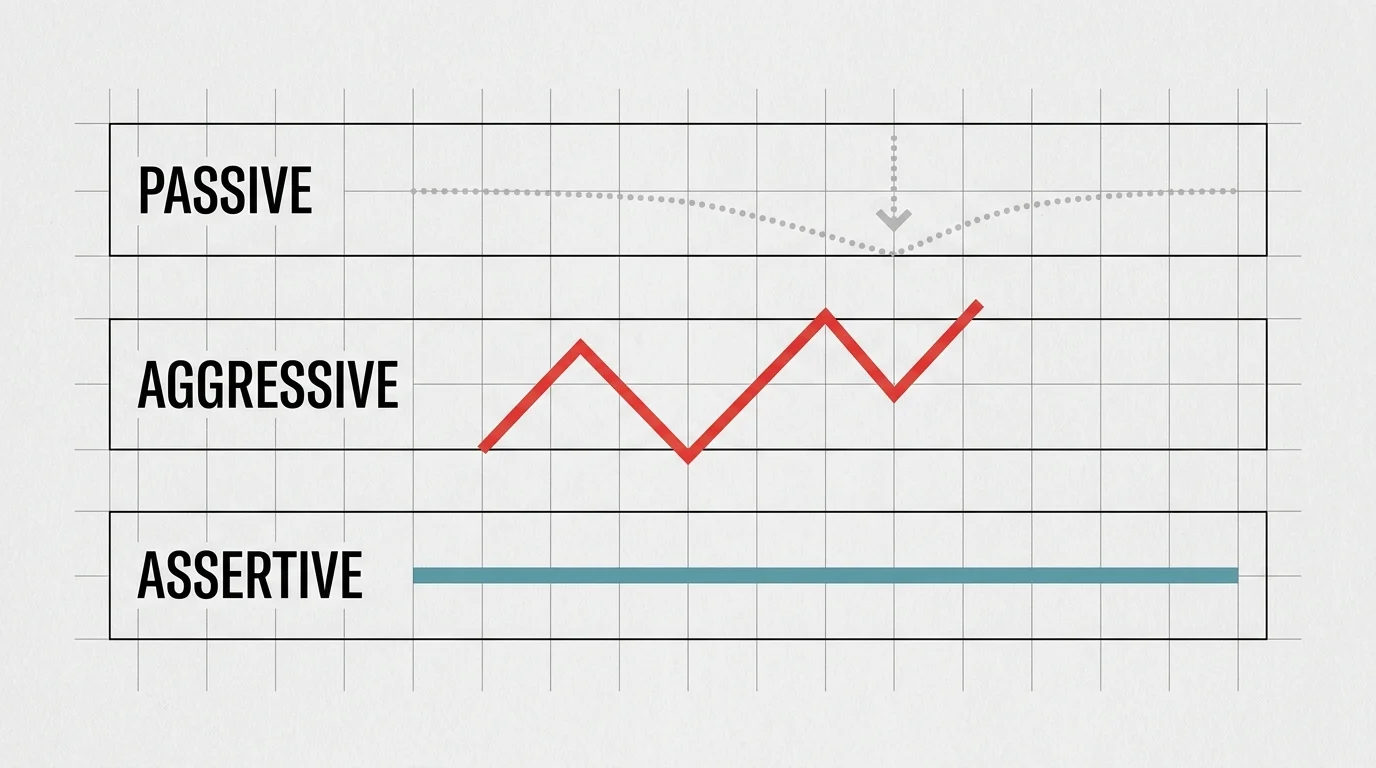
Comparing Communication Styles: Passive, Aggressive, and Assertive
To evaluate your progress, examine how your approach to refusal compares across common communication frameworks:
| Dimension | People-Pleasing (Passive) | Defensive (Aggressive) | Boundary-Confident (Assertive) |
|---|---|---|---|
| Underlying Belief | “Your needs matter; my needs do not matter.” | “My needs matter; your needs are irrelevant.” | “My needs matter, and your needs matter equally.” |
| Communication Tone | Hesitant, apologetic, indirect, over-explaining. | Harsh, combative, demanding, blame-oriented. | Clear, calm, direct, polite, firm. |
| Internal Reaction | High anxiety, intense guilt, post-event rumination. | Anger, defensiveness, self-righteousness. | Grounded, self-respecting, empathetic yet resolved. |
| Handling Pushback | Caving in immediately, apologizing for asking. | Escalating conflict, attacking the requester. | Restating the boundary without debate or emotional volatility. |
| Relationship Outcome | Chronic resentment, exhaustion, burnout. | Alienation, broken trust, hostility. | Mutual respect, predictable expectations, healthy intimacy. |

Patterns to Watch For: Subtle Ways Old Habits Resurface
Developing boundary confidence is rarely a linear progression. Stress, fatigue, and major life transitions can temporarily revive old communication patterns. Research summarized by Harvard Health Publishing demonstrates that under prolonged cognitive or emotional strain, the brain defaults to automated, deeply ingrained habits rather than newly acquired intentional behaviors.
Watch for these common relapse patterns so you can realign quickly:
- The Soft No: Using ambiguous phrasing like “I probably can’t” or “I’ll try my best” when you already know your answer is definitively negative. This creates false hope and forces unnecessary follow-up conversations.
- The Compensatory Yes: Saying no to an initial request, but immediately volunteering for an equally exhausting secondary task out of guilt.
- Over-Apologizing: Beginning every refusal with “I am so terribly sorry,” which frames a normal schedule conflict or personal limit as a moral failure on your part.
- The Exhaustion Threshold: Only asserting boundaries when you are completely depleted or physically sick, rather than proactively managing your energy when you still feel well.

When Self-Help Isn’t Enough
While self-directed assertiveness practice helps many individuals, boundary deficits are sometimes rooted in deeper psychological dynamics that benefit from professional therapeutic support. Consider seeking guidance from a licensed mental health professional if you encounter these situations:
- Trauma and Hypervigilance: You grew up in an environment where asserting a preference resulted in emotional punishment, physical danger, or severe withdrawal of love, making boundary-setting feel physically unsafe today.
- Severe Codependency: Your self-esteem is entirely dependent on being needed, to the point where setting limits produces profound identity distress, depression, or emptiness.
- Fear of Retaliation or Abuse: You are navigating a relationship with a partner, family member, or employer where setting a standard boundary results in threats, financial retaliation, or emotional abuse. In these situations, safety planning with a professional or contacting support resources via Psychology Today’s therapist directory is critical.
- Paralyzing Social Anxiety: The prospect of declining a basic request triggers panic attacks, severe insomnia, or persistent depressive episodes that disrupt your ability to function.
Frequently Asked Questions
How do I say no to my boss without hurting my career?
Focus on capacity and strategic prioritization rather than personal preference. When a manager assigns an unmanageable task, clarify trade-offs directly: “I can take on Project B, but doing so will push back the completion date for Project A to next Thursday. Which one would you prefer I prioritize?” This approach demonstrates professionalism and organizational awareness while keeping your workload manageable.
What if someone calls me selfish for setting a boundary?
Recognize that individuals who benefit from your lack of limits often label self-care as selfishness to regain control. Taking care of your health, time, and emotional stability is self-preservation, not selfishness. You do not need to defend yourself; calmly state, “I understand you are frustrated, but I have to manage my current commitments.”
How do I handle family members who ignore my boundaries?
Remember that a boundary is not a rule for how another person must behave; it is an action plan for what you will do if your limit is crossed. If a relative continues to bring up an off-limits topic or show up unannounced, clearly state your consequence and execute it: “If this topic continues, I will end the call and speak with you next week.” Follow through every single time without exception.
Is it possible to become too rigid with saying no?
Yes. Emotional health involves psychological flexibility. If you use boundaries as a shield to avoid all vulnerability, reasonable collaboration, or normal interpersonal reciprocity, your limits have turned into isolation mechanisms. Healthy boundaries are firm yet adaptable based on context, relationship depth, and genuine emergency situations.
Cultivating Sustainable Self-Respect
Embracing your right to decline requests does not transform you into an uncaring person; it establishes you as a dependable, self-aware adult who honors commitments without resentment. Every time you deliver a calm, honest refusal, you reinforce your self-worth and model healthy communication for the people around you. Treat boundary setting as a practical, ongoing discipline. Start with low-stakes situations—such as declining a promotional email or passing on an optional social gathering—and build the emotional strength necessary to protect your peace across all areas of your life.
This is educational content based on psychological research and general principles. Individual experiences vary significantly. For personalized guidance, consult a licensed therapist, psychologist, or counselor.
Last updated: February 2026. Psychology research evolves continuously—verify current findings with professional sources.









Leave a Reply