
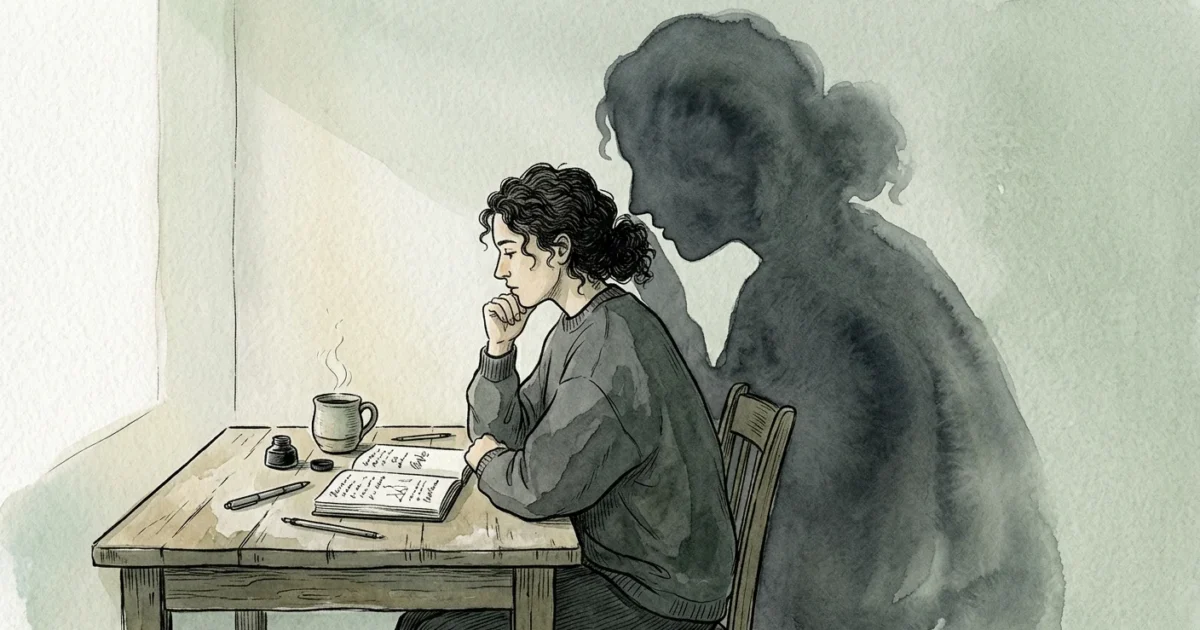
Your internal monologue constantly shapes your emotional resilience, stress tolerance, and daily decisions. When that inner voice shifts from constructive guidance to relentless criticism, it quietly erodes your self-worth and paralyzes your ability to take healthy risks. Recognizing negative self talk patterns early allows you to intercept distorted thinking before it manifests as chronic anxiety, imposter syndrome, or emotional exhaustion. While everyone experiences self-doubt occasionally, chronic self-blame and harsh internal dialogue indicate that your thought patterns require recalibration. Learning the primary negative self talk warning signs empowers you to quiet your inner critic, reclaim mental clarity, and cultivate a supportive, realistic mindset that serves your long-term psychological well-being.
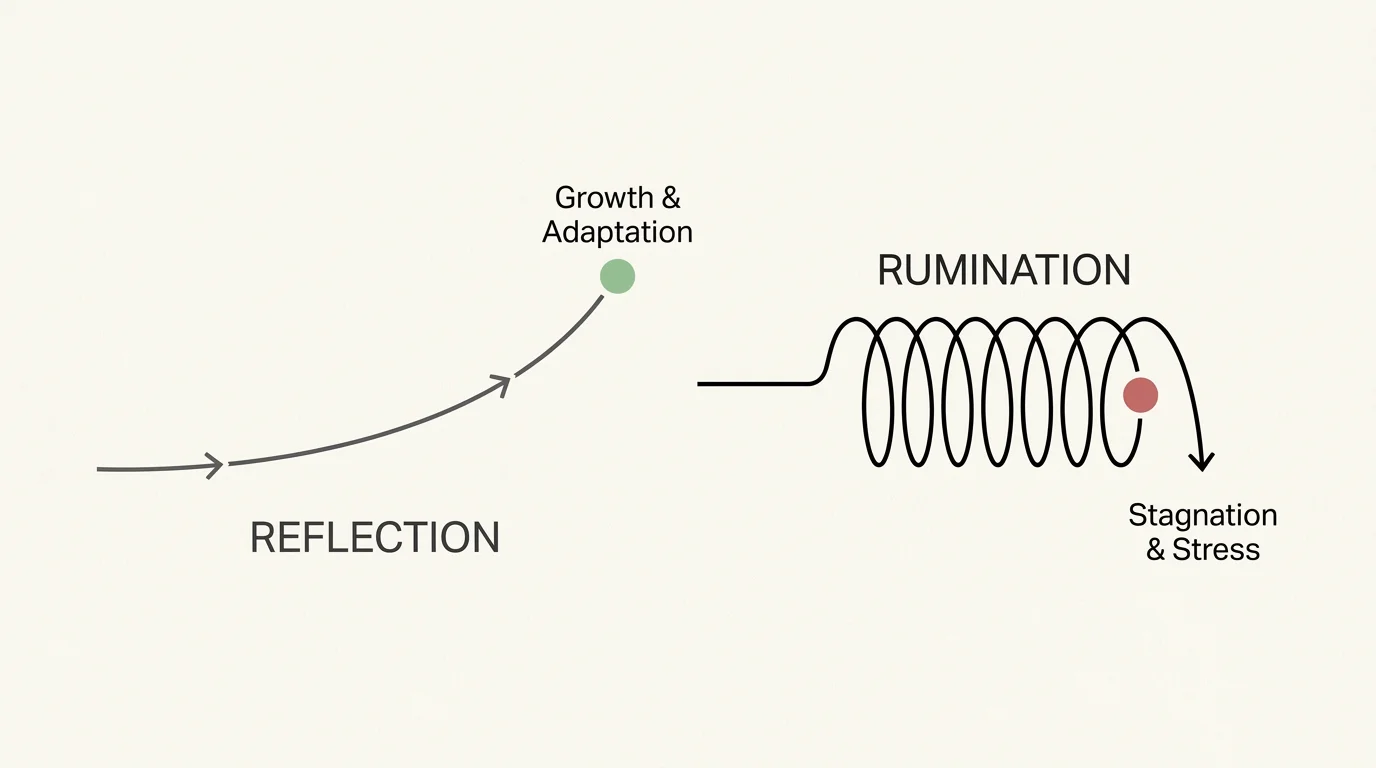
The Mechanics of Internal Dialogue: When Reflection Becomes Rumination
Self-talk is the steady stream of conscious and semi-conscious thoughts that narrate your daily life. Psychologists classify this dialogue as an essential executive function; it helps you plan, solve problems, regulate emotions, and evaluate past behavior. When operating productively, your inner narrative acts as an objective coach. It highlights areas for improvement, celebrates milestones, and helps you navigate complex social scenarios.
However, this cognitive mechanism can easily derail. Under prolonged stress, unresolved trauma, or perfectionistic standards, healthy self-evaluation devolves into chronic rumination. Instead of assessing specific actions (“I need to prepare more thoroughly for that presentation”), a hypercritical narrative attacks your core character (“I am incapable and foolish”). According to the American Psychological Association, repetitive negative thinking plays a central role in the onset and maintenance of mood disorders, directly altering how your brain processes stressors.
When you internalize harsh self-criticism, your nervous system responds as if you face an ongoing external threat. The brain does not cleanly distinguish between attacks originating from an outside adversary and attacks generated by your own thoughts. As a result, harmful inner dialogue triggers the release of stress hormones like cortisol and adrenaline, leaving you emotionally drained and physically depleted.
“Talk to yourself like you would to someone you love.” — Brené Brown, Ph.D., LMSW
7 Signs Your Inner Critic Has Crossed the Line
Pinpointing signs your inner critic is too harsh requires careful self-observation. Because internal narratives feel automatic and familiar, you might mistake destructive cognitive habits for objective reality. Below are seven evidence-based indicators that your internal dialogue has become excessively toxic.
1. You Default to All-or-Nothing Polarities
All-or-nothing thinking—also known as dichotomous or black-and-white thinking—strips nuance from your self-perception. If a project, social interaction, or personal goal falls short of absolute perfection, your inner monologue labels the entire endeavor an utter failure. You might catch yourself thinking, “If I don’t get this promotion, my entire career is a waste,” or “Because I skipped my workout today, my fitness routine is completely ruined.”
This cognitive distortion ignores the vast spectrum of progress that lies between flawless execution and complete defeat. Human development occurs incrementally; evaluating your efforts through binary outcomes sets an unattainable standard that guarantees perpetual disappointment.
2. You Catastrophize Minor Complications
Catastrophizing involves taking a minor setback, ambiguous feedback, or small mistake and immediately projecting the worst possible outcome. If an email from your supervisor reads slightly more formal than usual, your mind instantly leaps to getting fired, losing your home, and never finding employment again.
This habit creates chronic physiological hyperarousal. Research highlighted by Harvard Health Publishing demonstrates that chronic worry and catastrophic forecasting keep the amygdala on high alert, locking your body in an exhausting fight-or-flight cycle over hypothetical emergencies that rarely materialize.
3. You Automatically Absorb Unwarranted Blame
Personalization occurs when you hold yourself entirely responsible for external events, other people’s moods, or unpredictable circumstances outside your control. When a colleague seems irritable or a friend cancels dinner plans, your reflexive thought is, “What did I do to upset them?”
This pattern indicates that your self-criticism warning signs have evolved into an exaggerated sense of responsibility. By assuming you are always the root cause of negative outcomes, you burden yourself with an emotional weight that belongs elsewhere; you simultaneously disempower others from owning their feelings and behaviors.
4. You Discount Positive Evidence as Accidental
When you achieve something significant, receive praise, or handle a challenge gracefully, does your mind immediately minimize the accomplishment? A common manifestation of harmful self-talk is treating your successes as flukes, luck, or clerical errors while treating your mistakes as defining proof of your incompetence.
If someone compliments your work, an overactive critic whispers, “They are just being polite,” or “If they really understood how much I struggled, they wouldn’t praise me.” This mental filtering selectively deletes affirmative data, keeping you trapped in an inaccurate self-image regardless of how much evidence exists to the contrary.
5. Your Language Is Dominated by Punitive “Should” Statements
Psychologist Karen Horney famously described the “tyranny of the shoulds”—a cognitive trap where you judge yourself against rigid, unbending rules regarding how you ought to feel, think, and perform. Thoughts like “I should never feel overwhelmed,” “I must always be productive,” or “I should have known better” reveal unrealistic internal demands.
These self-directed imperatives foster chronic guilt and shame. Instead of encouraging meaningful growth, they create a punitive internal environment where you constantly fall short of impossible expectations.
6. You Experience Somatic Stress Before Routine Tasks
Negative self-talk does not remain confined to your thoughts; it directly triggers physical symptoms. When your inner voice is consistently hostile, simple daily demands—such as sending an email, speaking in a meeting, or making a phone call—produce immediate physical dread.
Pay attention to your body throughout the day. Common somatic markers of a harsh inner critic include:
- Chronic muscle tension in your neck, jaw, or shoulders
- A sinking sensation or tight knot in your stomach
- Shallow breathing or sudden spikes in resting heart rate
- Fatigue that persists even after adequate sleep
As documented by the Cleveland Clinic, chronic emotional stress regularly converts into tangible somatic symptoms, confirming that psychological hostility wears down physical vitality over time.
7. You Engage in Preemptive Self-Sabotage and Avoidance
One of the most dangerous signs of harmful self talk habits is behavioral avoidance. When your inner critic convinces you that failure or rejection is inevitable, your brain attempts to protect you from embarrassment by discouraging action altogether.
You might decline invitations, withhold creative ideas, delay applying for new roles, or procrastinate on meaningful goals under the guise of “being realistic.” In reality, this is preemptive self-defeat. Your internal narrative prevents you from gathering new, disconfirming evidence that could prove your capabilities.
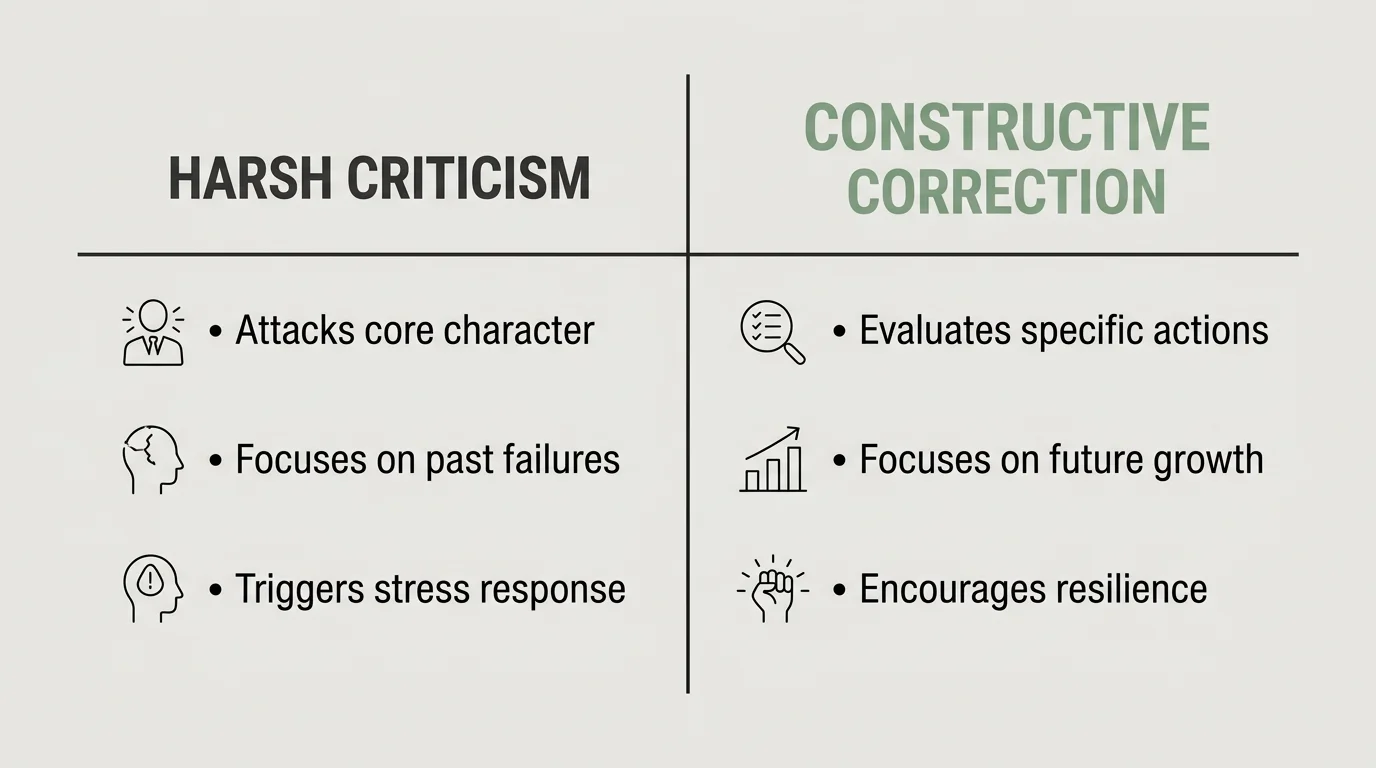
Harsh Inner Critic vs. Constructive Self-Correction
Differentiating between destructive self-criticism and productive self-reflection is essential for personal growth. The table below outlines how these two internal approaches diverge across key psychological dimensions:
| Dimension | Destructive Inner Critic | Constructive Self-Reflection |
|---|---|---|
| Core Focus | Attacks identity, character, and inherent self-worth. | Evaluates specific actions, strategies, and behaviors. |
| Emotional Tone | Hostile, shaming, impatient, and contemptuous. | Curious, calm, realistic, and solution-oriented. |
| Response to Mistakes | Views errors as permanent proof of personal inadequacy. | Views errors as natural data points for adjustments. |
| Perspective on Growth | Demands instant perfection; punishes any deviation. | Values consistent effort and incremental progress. |
| Behavioral Outcome | Leads to avoidance, paralysis, and exhaustion. | Encourages agency, resilience, and proactive problem-solving. |
Myths Worth Debunking About Self-Criticism
Many individuals cling to harsh internal narratives because cultural misunderstandings portray self-criticism as a virtue. Discarding these misconceptions is the first step toward lasting cognitive change.
Myth 1: “Being hard on myself is the only way to stay motivated.”
Many high achievers believe that without a relentless inner critic, they will become lazy, complacent, or undisciplined. Psychological research shows the opposite: while fear and self-flagellation can produce short-term urgency, they inevitably lead to burnout, anxiety, and impaired performance. Compassionate, objective self-correction sustains motivation far more effectively over the lifespan because it does not deplete your emotional reserves.
Myth 2: “Rewiring negative self-talk requires forced positive affirmations.”
Replacing toxic thoughts with unrealistic positivity (e.g., repeating “I am completely fearless and destined for glory”) often backfires. When your conscious mind recognizes an affirmation as untrue, it rejects the statement, increasing internal conflict. Effective cognitive restructuring does not demand blind optimism; it requires accuracy and fairness. Shifting from “I ruin everything” to “I made an error, but I have the skills to resolve it” provides an authentic, grounded alternative that your brain can accept.
Myth 3: “Your internal dialogue is a fixed personality trait.”
You were not born with a hypercritical inner voice; you learned it over time through social conditioning, early authority figures, peer pressure, or past environments. Because your brain maintains neuroplasticity throughout adulthood, you can systematically unlearn automatic cognitive pathways and establish healthier neural patterns through dedicated practice.

Evidence-Based Strategies to Shift Your Internal Dialogue
Interrupting entrenched cognitive habits requires deliberate, actionable techniques rooted in Cognitive Behavioral Therapy (CBT) and acceptance-based modalities. Use these evidence-backed methods when you notice negative self talk warning signs arising:
- Practice Psychological Distancing: Research led by psychologist Ethan Kross reveals that shifting from first-person self-talk (“Why am I so stressed?”) to third-person self-talk (“Why is [Your Name] feeling stressed?”) immediately reduces emotional reactivity. Addressing yourself by name creates objective distance, enabling you to advise yourself with the clarity you would offer a close friend.
- Interrogate the Evidence: Treat your critical thoughts as hypotheses rather than facts. When your inner voice insists that you will fail, ask yourself: What concrete evidence supports this thought? What contradictory evidence am I ignoring? What is a more balanced interpretation of this scenario?
- Implement the “Double Standard” Test: Whenever you notice harsh internal dialogue, ask whether you would ever speak those exact words to a trusted friend, child, or colleague. If saying those words aloud to someone else feels cruel, refuse to direct them inward.
- Name Your Inner Critic: Giving your harsh inner monologue a distinct, playful persona (such as “The Drill Sergeant” or “The Worrier”) separates your core identity from the mental noise. This separation helps you acknowledge the thought without identifying with it or obeying its demands.
“The curious paradox is that when I accept myself just as I am, then I can change.” — Carl Rogers, Ph.D., Clinical Psychologist

Signs It’s Time to Talk to a Therapist
While self-directed strategies offer significant relief, deeply entrenched self-criticism sometimes requires professional clinical intervention. According to resources from Verywell Mind, therapeutic support provides structured frameworks for uncovering the origin of self-defeating patterns. Consider scheduling an appointment with a licensed mental health professional if you notice any of the following scenarios:
- Pervasive Feelings of Worthlessness: Your internal dialogue consistently convinces you that you have no value, leading to persistent low mood, despair, or loss of interest in life.
- Debilitating Anxiety and Imposter Syndrome: Fear of making mistakes or being “exposed” causes significant distress, panic attacks, or disruptions in your professional or academic life.
- Relationship Impairment: Your self-critical projections cause you to push loved ones away, constantly seek reassurance, or tolerate mistreatment from others due to low self-esteem.
- Unhealthy Coping Mechanisms: You turn to substance misuse, disordered eating, self-harm, or severe social isolation to numb the emotional pain caused by your internal critic.
Frequently Asked Questions
Can negative self-talk physically affect my brain and body?
Yes. Chronic self-criticism activates the hypothalamic-pituitary-adrenal (HPA) axis, keeping your body in a sustained state of stress. Over time, elevated cortisol levels can impair sleep, weaken immune function, elevate blood pressure, and contribute to chronic inflammation throughout the body.
How long does it take to change chronic negative self-talk patterns?
Rewiring automatic thoughts takes consistent effort over several weeks to months. Most individuals practicing cognitive restructuring and self-compassion notice meaningful reductions in emotional distress within 6 to 12 weeks of daily practice as new neural pathways strengthen.
What is the core difference between self-correction and self-criticism?
Self-correction evaluates specific behaviors with the goal of improvement; it maintains respect for your inherent worth. Self-criticism attacks your identity and character, using shame and hostility as blunt motivators that ultimately undermine long-term progress.
Why does my inner critic get louder when I attempt something new or ambitious?
Your brain naturally prioritizes safety and predictability. When you step outside your comfort zone, your inner critic attempts to protect you from vulnerability, judgment, or failure by discouraging you from moving forward. Recognizing this reaction as an overzealous defense mechanism helps you proceed despite the discomfort.
Moving Forward with Clarity and Self-Compassion
Transforming your internal dialogue does not require eliminating every critical thought overnight. The goal is not perfection; it is awareness. By recognizing negative self talk patterns the moment they surface, you create a conscious pause between an automatic reaction and your chosen response.
Treat your mind as a cognitive workspace that deserves patience and care. Each time you challenge an absolute statement, replace a catastrophizing narrative with balanced evidence, or offer yourself basic grace after an error, you dismantle decades-old habits of self-blame. With time and deliberate practice, your inner dialogue will evolve into a steady, reliable source of resilience.
This article provides general educational information about psychology and relationships. It is not a substitute for professional therapy or medical advice. Everyone’s situation is unique—if you’re struggling, please reach out to a licensed mental health professional.
Last updated: February 2026. Psychology research evolves continuously—verify current findings with professional sources.








Leave a Reply