
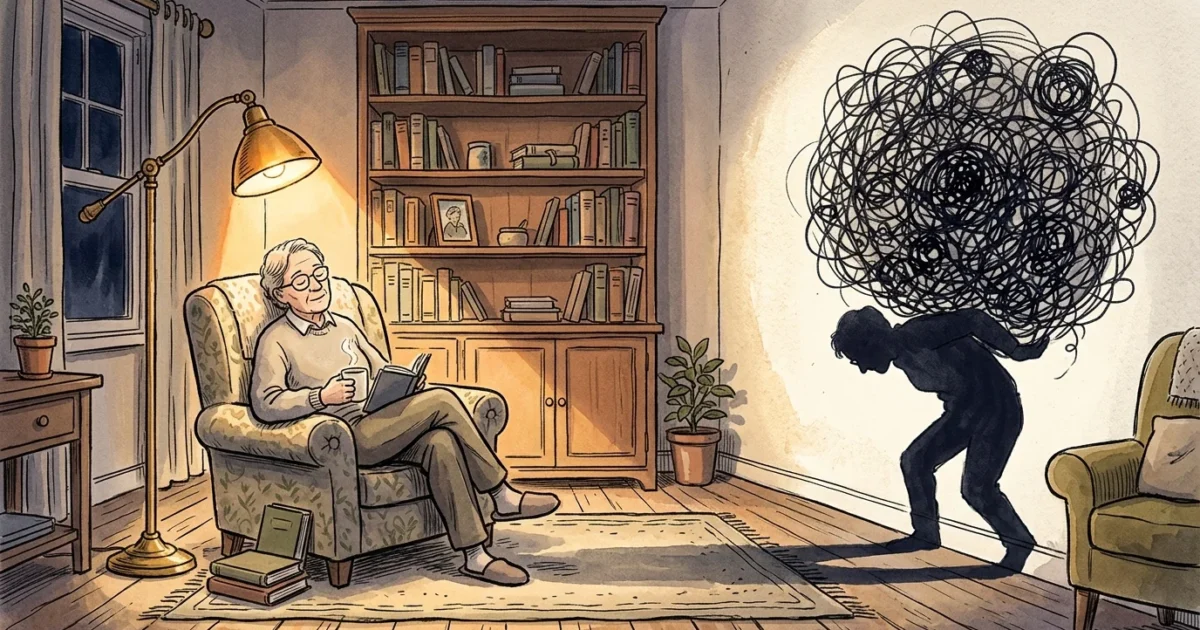
Sleep rarely fixes the heavy, persistent weight of emotional exhaustion. While physical fatigue fades after a restful night or a quiet weekend, deep psychological depletion lingers—leaving you feeling detached, irritable, and incapable of meeting daily emotional demands. You might catch yourself staring blankly at screen tasks, pulling away from close relationships, or reacting with sudden irritation over minor setbacks. Recognizing the distinction between routine tiredness and genuine mental fatigue symptoms is the critical first step toward recovery. According to research from the American Psychological Association, chronic stress drains your mental reserves long before physical symptoms appear. Identifying these subtle warnings lets you rebuild your capacity and restore emotional balance.
Emotional Exhaustion vs Tiredness: Understanding the Difference
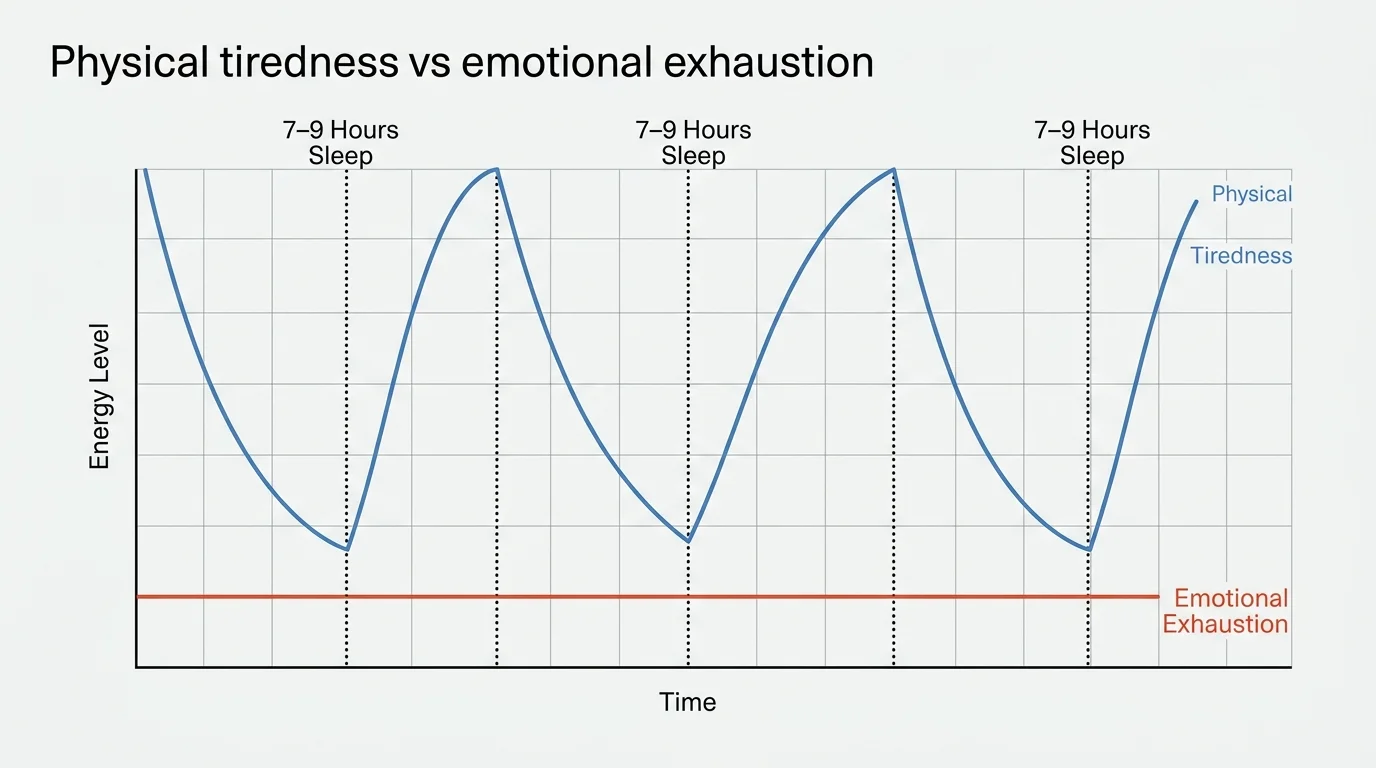
Most people confuse physical tiredness with emotional exhaustion, yet these two states originate from vastly different biological and psychological processes. Physical tiredness occurs when your body expends muscular or cellular energy. When you run a long distance, complete home chores, or stay awake past your normal bedtime, your body builds up adenosine; a night of restorative sleep flushes out this metabolic byproduct and restores your physical vigor.
Emotional exhaustion—a core component of psychological burnout—operates differently. It stems from prolonged exposure to unresolved emotional stress, high interpersonal demands, or continuous cognitive strain. When life demands more emotional output than your nervous system can process, your body activates its chronic stress response. Cortisol levels remain elevated, your amygdala stays on high alert, and your brain’s executive functioning center in the prefrontal cortex slows down to conserve energy.
Understanding emotional exhaustion vs tiredness requires evaluating how rest affects your energy levels. Physical sleep resets physical stamina, but it cannot resolve internal boundary overextension, ongoing grief, or systemic work strain. The comparison table below highlights the fundamental differences between these two conditions:
| Feature | Physical Tiredness | Emotional Exhaustion |
|---|---|---|
| Primary Cause | Physical exertion, muscular effort, or short-term sleep deprivation | Chronic stress, boundary overextension, ongoing conflict, or mental overload |
| Rest Restoration | A solid 7–9 hours of sleep or a day of light activity fully restores energy | Sleep offers minimal relief; you wake up feeling as drained as when you went to bed |
| Mental State | Alert and mentally present, despite feeling heavy physical limbs | Brain fog, decision fatigue, reduced concentration, and cognitive slowness |
| Emotional Tone | Generally balanced, optimistic, or satisfied after completing physical effort | Apathy, cynicism, irrational irritability, dread, or emotional numbness |
| Social Capacity | Enjoys spending calm time with loved ones after rest | Views social interaction as exhausting, demanding, or overwhelming |

7 Signs You’re Emotionally Exhausted, Not Just Tired
Recognizing the signs of burnout early stops severe mental breakdown before it paralyzes your routine. Here are seven grounded indicators that reveal your emotional energy reserves have run dry.
1. Persistent Brain Fog and Decision Fatigue
When mental fatigue symptoms set in, simple choices feel like monumental hurdles. Selecting what to eat for dinner, drafting a simple email reply, or prioritizing daily tasks triggers an intense sense of overwhelm. Your prefrontal cortex—the region responsible for executive function, planning, and focus—becomes compromised under sustained stress. You may forget basic appointments, misplace common household objects, or struggle to retain information you read moments earlier. This mental sluggishness is not a character flaw; it is your brain’s protective response to ongoing cognitive overload.
2. Emotional Numbness and Cynicism (Depersonalization)
In pioneer burnout research, social psychologist Christina Maslach identified depersonalization—a sense of detachment and cynicism—as a primary defense mechanism against emotional depletion. When you lack the bandwidth to process incoming emotional demands, your mind erects an involuntary buffer. You might notice that news stories, family milestones, or work victories no longer evoke joy or empathy. Instead, you operate on autopilot, feeling disconnected from your surroundings and viewing life through a lens of cynicism.
3. Irrational Irritability and Low Frustration Tolerance
When your emotional bucket is empty, even minor inconveniences cause disproportionate reactions. A spilled glass of water, a slow internet connection, or a partner’s quiet request can unleash intense frustration or tearful outbursts. Because your nervous system spends excessive time in a fight-or-flight state, your tolerance threshold shrinks dramatically. You lack the emotional padding necessary to absorb everyday friction calmly.
4. Persistent Dread and Loss of Daily Motivation
Waking up with a pit in your stomach—even on days free of major demands—signals severe internal strain. You no longer look forward to weekends, hobbies, or events that used to bring you genuine delight. Psychologists refer to this inability to feel pleasure as anhedonia. When chronic stress saturates your brain, dopamine production drops, stripping away your intrinsic motivation and replacing it with a pervasive sense of apathy.
5. Disrupted Sleep Patterns Despite Severe Fatigue
Paradoxically, being emotionally exhausted rarely leads to peaceful, deep sleep. Elevated cortisol levels disrupt your circadian rhythm, making it difficult to shut off racing thoughts at night. You might fall asleep from pure physical fatigue, only to awaken abruptly around 3:00 AM with a racing pulse and anxious thoughts. Alternatively, you may oversleep for ten hours yet awaken feeling entirely unrefreshed, as chronic stress prevents your brain from reaching restorative slow-wave and REM sleep cycles.
6. Unexplained Somatic Symptoms and Muscle Tension
Your mind and body exist in a continuous feedback loop. When you suppress or ignore emotional distress, your body manifests that tension physically. Common physical markers include chronic jaw clenching, tight shoulders and neck muscles, frequent tension headaches, and gastrointestinal issues like nausea or bloating. The Mayo Clinic notes that long-term stress exposure dysregulates your digestive and immune systems, making you far more susceptible to frequent colds and stomach distress.
7. Social Withdrawal and Deep Emotional Isolation
When you suffer from emotional depletion, even loved ones can feel like demands on your remaining energy. You might ignore text messages, decline invitations, or withdraw from conversations because you lack the capacity to listen or offer empathy. While brief isolation can provide temporary calm, prolonged social withdrawal isolates you from the emotional support networks necessary for genuine healing.
Myths Worth Debunking About Burnout and Mental Fatigue
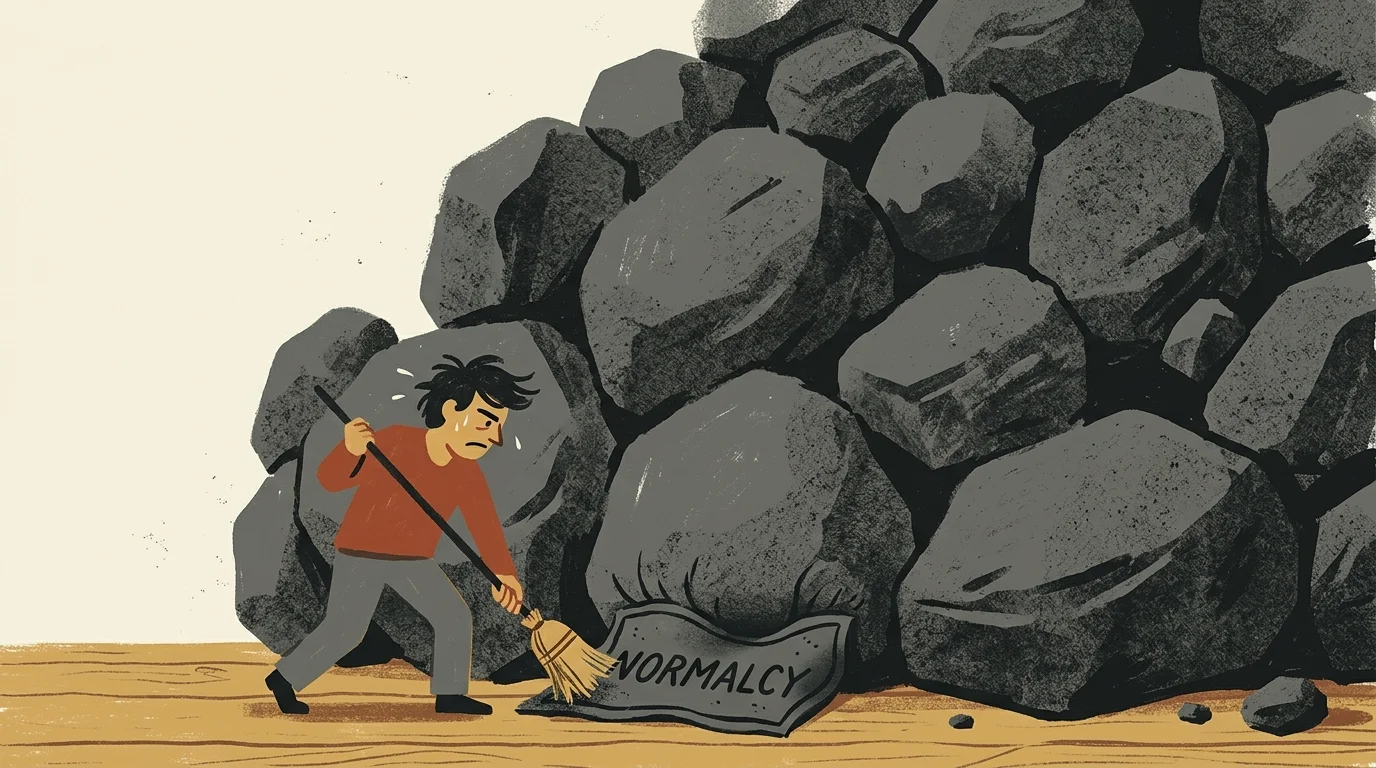
Misunderstandings around emotional exhaustion signs often prevent people from seeking timely relief or implementing meaningful lifestyle changes. Let’s clear up four common myths about mental depletion:
- Myth 1: A weekend vacation will cure your exhaustion. While taking time off offers brief respite, a short trip cannot undo months or years of systemic stress, poor boundaries, or toxic environments. Long-term recovery requires daily structural changes, not temporary escapes.
- Myth 2: Emotional exhaustion only impacts corporate high-achievers. Burnout does not discriminate. Stay-at-home parents, informal family caregivers, college students, and individuals navigating chronic illness frequently experience intense emotional burnout.
- Myth 3: Pushing through makes you mentally stronger. Ignoring your nervous system’s warning signals does not build resilience—it leads to physical illness, anxiety disorders, and clinical depression. True emotional strength involves recognizing your limits and honoring them.
- Myth 4: Exhaustion is a personal failure or sign of weakness. Experiencing mental exhaustion simply means you have carried heavy burdens for too long without adequate support, rest, or resources. It reflects your environment and load, not your character.

Actionable Strategies to Recover Your Emotional Capacity
Overcoming deep psychological fatigue demands deliberate, consistent action. You cannot cure emotional exhaustion with passive habits like scrolling on your phone or watching television; true recovery requires restorative practices that calm your nervous system and replenish your inner reserves.
1. Implement Strict Micro-Boundaries
To stop energy drain, you must limit non-essential demands on your time and attention. Start small by establishing micro-boundaries throughout your day:
- Set a firm digital curfew by turning off work notifications after 6:00 PM.
- Decline social obligations that feel obligatory rather than nourishing.
- Pause for 10 seconds before agreeing to new requests, allowing yourself time to evaluate your energy reserves honestly.
2. Practice Daily Nervous System Regulation
Because emotional depletion keeps your sympathetic nervous system activated, you need deliberate practices to trigger your parasympathetic rest-and-digest response. According to researchers at Harvard Health, simple somatic techniques lower heart rate and reduce stress hormones effectively:
- The Physiological Sigh: Take two quick inhales through your nose, followed by one long, slow exhale through your mouth. Repeat this cycle three to five times to relieve acute tension immediately.
- Progressive Muscle Relaxation: Tense specific muscle groups (such as your shoulders or feet) for 5 seconds, then release them completely while noticing the physical sensation of relaxation.
- Sensory Grounding: Name 5 things you can see, 4 you can touch, 3 you can hear, 2 you can smell, and 1 you can taste to bring your hyperactive mind back to the present moment.
3. Shift from Passive Distraction to Active Rest
Scrolling social media or binge-watching shows might feel like relaxing, but these activities stimulate your brain and keep cognitive fatigue active. Replace passive distraction with active rest practices that restore your nervous system:
- Spend 20 minutes walking outdoors without wearing headphones or listening to podcasts.
- Engage in gentle movement, such as restorative yoga or light stretching.
- Practice silent sitting, journaling, or listening to calming instrumental music.
4. Perform an Energy Audit
Take time to write down your weekly activities and interactions. Divide them into two categories: activities that drain your energy and activities that restore it. While you cannot eliminate every draining responsibility, look for opportunities to reduce, delegate, or reframe tasks that suck your emotional bandwidth dry.
Expert Perspectives on Boundaries and Recovery
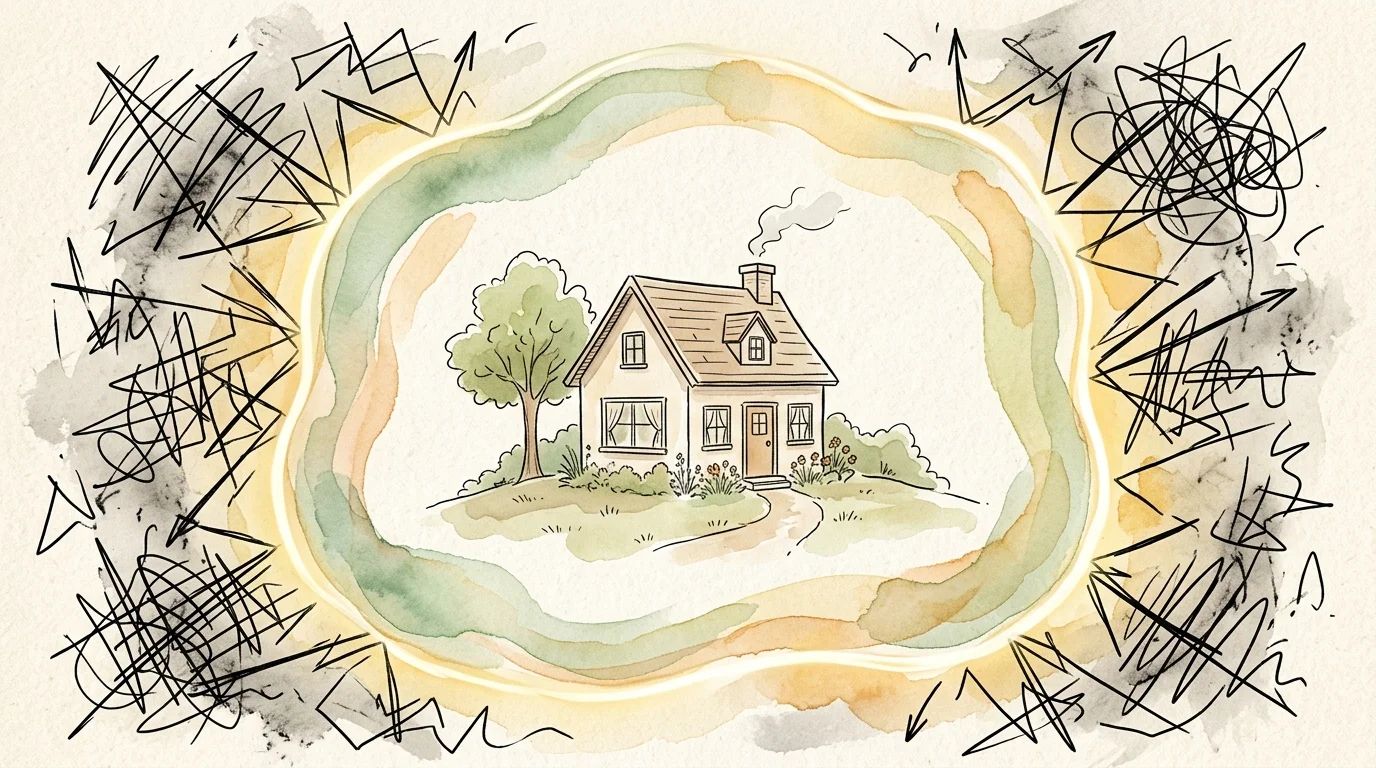
Mental health professionals emphasize that setting firm boundaries is essential for emotional survival and healing. Protecting your emotional capacity requires letting go of the need to manage everyone else’s expectations.
“Daring to set boundaries is about having the courage to love ourselves, even when we risk disappointing others.” — Brené Brown, Ph.D.
When you constantly prioritize other people’s comfort over your own well-being, your nervous system remains trapped in hyper-vigilance. Healing begins when you view your energy as a finite, precious resource that deserves protective boundaries.
“The curious paradox is that when I accept myself just as I am, then I can change.” — Carl Rogers, Psychologist
Acknowledging your exhaustion without judgment opens the door to genuine recovery. Accepting your current limits allows you to rebuild strength systematically rather than forcing yourself past your breaking point.

Signs It’s Time to Talk to a Therapist
While self-care strategies and boundary setting help manage mild to moderate depletion, severe emotional exhaustion often requires professional mental health support. Consider reaching out to a licensed therapist if you experience any of the following situations:
- Persistent Duration: Your symptoms of emotional exhaustion, apathy, or physical fatigue linger for more than four to six weeks despite setting boundaries and increasing physical rest.
- Functional Impairment: You struggle to manage basic everyday responsibilities, such as maintaining work performance, caring for dependents, or attending to personal hygiene.
- Severe Anhedonia and Hopelessness: You feel completely detached from life, experience continuous dread, or feel a profound sense of hopelessness about the future.
- Escalating Mental Health Symptoms: You begin experiencing frequent panic attacks, intrusive thoughts, extreme irritability that damages relationships, or turn to substances to cope with chronic emotional distress.
If you or someone you know is feeling overwhelmed, navigating severe depression, or experiencing thoughts of self-harm, immediate support is available. You can connect with compassionate professionals for free, confidential support 24/7 through the 988 Suicide & Crisis Lifeline or explore comprehensive recovery materials through the Substance Abuse and Mental Health Services Administration (SAMHSA).
Frequently Asked Questions
What is the main difference between emotional exhaustion and depression?
While emotional exhaustion and depression share overlapping symptoms—such as fatigue, brain fog, and low motivation—they remain distinct conditions. Emotional exhaustion directly correlates with high situational stress and overextension; when stressors diminish and proper rest is introduced, emotional capacity recovers. Clinical depression, on the other hand, is a pervasive mood disorder that persists across all areas of life, regardless of environmental stress levels or rest periods.
How long does it take to recover from severe emotional exhaustion?
Recovery timelines vary widely based on individual circumstances, support systems, and coping mechanisms. Mild emotional fatigue can improve over a few weeks of deliberate rest and boundary enforcement. However, severe, multi-year burnout may require six months to two years of consistent lifestyle adjustments, therapeutic support, and nervous system regulation to achieve complete recovery.
Can emotional exhaustion cause physical illness?
Yes. Prolonged emotional stress maintains high levels of cortisol and adrenaline in your bloodstream, suppressing immune system function, increasing systemic inflammation, and straining your cardiovascular system. According to the American Psychological Association, unmanaged chronic stress significantly increases the risk of high blood pressure, digestive disorders, chronic pain, and susceptibility to viral infections.
How can I explain my emotional exhaustion to my partner or manager?
Communicate clearly, objectively, and proactively without offering unnecessary apologies. When speaking to a manager, focus on workload management and solution-oriented boundaries (e.g., “To maintain the high quality of my output on Project A, I need to adjust deadline expectations for Project B”). When talking to a romantic partner, use clear “I” statements to describe your bandwidth (e.g., “I love you and want to connect, but my mental energy is completely depleted today. I need 45 minutes of quiet time alone to reset before we talk about our dinner plans”).
Taking Your First Steps Toward Recovery
Recovering from emotional exhaustion requires treating your remaining energy with profound respect. Start small: choose one boundary to enforce today, schedule fifteen minutes of unstructured quiet time, or communicate your current capacity honestly with a loved one. Progress comes from small, repeatable choices that signal safety and rest to your nervous system.
Remember that reclaiming your mental energy is not a selfish act—it is an absolute prerequisite for living a sustainable, fulfilling life. Protect your mental bandwidth today so you can bring your authentic, vibrant self to the people and projects that matter most tomorrow.
This article provides general educational information about psychology and relationships. It is not a substitute for professional therapy or medical advice. Everyone’s situation is unique—if you’re struggling, please reach out to a licensed mental health professional.
Last updated: February 2026. Psychology research evolves continuously—verify current findings with professional sources.








Leave a Reply