

Most people measure emotional intelligence by obvious traits like dramatic empathy or charismatic leadership, yet high EQ traits often manifest in quiet, daily mental habits you might completely overlook in yourself. When you possess subtle emotional intelligence signs, you navigate interpersonal tension, self-regulate under pressure, and process complex feelings without making a spectacle of your growth. Recognizing these hidden signs of emotional intelligence helps you appreciate your existing psychological resilience while identifying specific pathways for improving emotional intelligence across your relationships and career. By examining these overlooked eq psychology traits, you can build deeper self-trust, refine your communication, and harness your quiet emotional strengths with far greater confidence and clarity.
Why Hidden Emotional Intelligence Traits Are Easy to Overlook
Popular culture often equates high emotional intelligence with outgoing social charm, unshakeable calmness, or speeches filled with expressive sensitivity. Psychological research paints a far more nuanced picture; emotional intelligence manifests primarily in how you process internal feedback, manage stress, and handle daily micro-interactions. The foundational work of psychologists John Mayer and Peter Salovey, later expanded by Daniel Goleman, defines emotional intelligence through four core branches: perceiving emotions, using emotions to facilitate thought, understanding emotional causes, and managing emotions effectively.
Because so much of this work happens quietly inside your mind, you might discount your own progress. When you decide not to fire off a defensive text message, or when you notice your shoulders tensing before an intense meeting, you are exercising advanced psychological skills. The American Psychological Association emphasizes that emotional self-regulation represents a primary indicator of long-term mental well-being and relationship health. Recognizing these nuanced behaviors transforms how you evaluate your personal development.

1. You Create a Micro-Pause Before Reacting to Conflict
Impulsive reactions often stem from an activated threat response in your brain—specifically within the amygdala. When someone criticizes your work or cuts you off in conversation, your nervous system interprets the event as an attack. If you possess subtle emotional intelligence, you create a tiny buffer between that initial internal surge and your outward vocal response.
This pause does not mean you feel indifferent; rather, it indicates that your prefrontal cortex has stepped in to evaluate the situation rationally. During those crucial two or three seconds, you assess whether responding immediately serves your long-term goals. You choose reflection over impulse, which prevents unnecessary escalation in personal and professional relationships.
“Between stimulus and response there is a space. In that space is our power to choose our response. In our response lies our growth and our freedom.” — Viktor Frankl, Neurologist and Psychiatrist
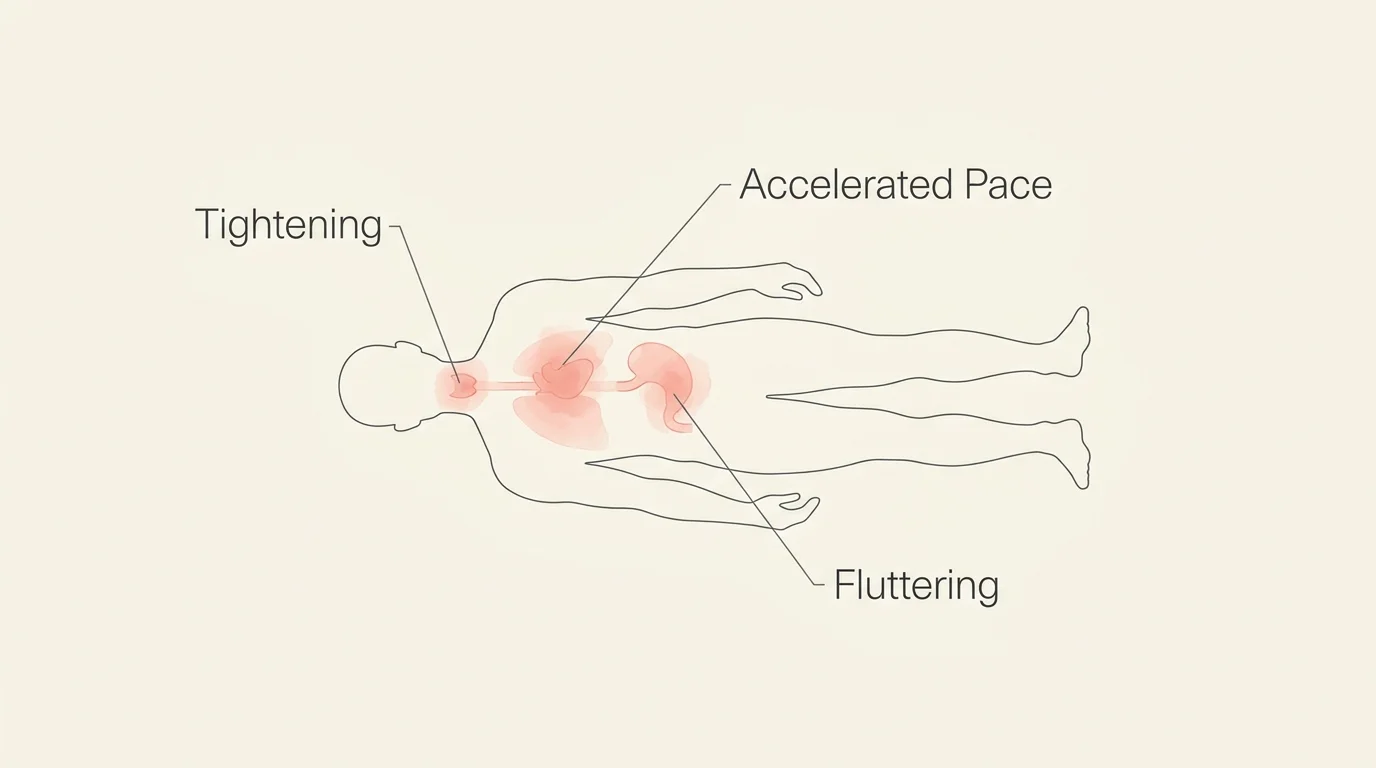
2. You Track Physical Body Cues Before Labeling Feelings
Your body frequently registers emotional shifts before your conscious mind translates them into words. This physiological awareness—known in psychology as interoception—allows you to detect subtle changes in your internal state, such as a quickened pulse, shallow breathing, or tension in your stomach.
High EQ individuals pay attention to these physical signals rather than ignoring them until an emotional explosion occurs. According to clinical resources published by Harvard Health, connecting physical sensations to emotional states enhances stress management and protects against somatic fatigue. By recognizing a clenched jaw as an early warning sign of frustration, you can adjust your environment or take deep breaths before anger takes control.

3. You Can Experience Two Seemingly Opposite Feelings at Once
Psychological maturity replaces black-and-white thinking with dialectical awareness—the capacity to hold two contrasting emotional states simultaneously. Less emotionally attuned individuals often force themselves into single emotions, believing they must feel entirely happy or entirely sad about a given situation.
You show high emotional intelligence when you can sit with emotional complexity. Consider these real-world examples of dialectical emotional awareness:
- Career Transitions: Feeling genuinely thrilled about a major job promotion while simultaneously grieving the loss of your familiar team routine.
- Relationship Dynamics: Feeling deep affection for your partner while feeling frustrated by a recurring habit.
- Personal Growth: Celebrating your recent progress while acknowledging that you still have significant work to do.
This skill—often called emotional granularity—prevents you from oversimplifying your internal life and allows you to make decisions that honor the full truth of your experience.

4. You Differentiate Empathy From Unsolicited Problem-Solving
When a friend or partner shares a painful story, human instinct often urges us to fix the issue immediately. However, rushing to offer solutions often stems from our own discomfort with sitting alongside someone else’s emotional pain. True emotional attunement recognizes the boundary between listening and fixing.
If you possess high EQ, you offer presence without attempting to take control. You listen actively, validate their feelings, and ask supportive questions like, “Do you want to brainstorm solutions together, or do you just need to vent?” Research from The Gottman Institute highlights emotional attunement as a cornerstone of lasting intimacy; feeling understood consistently outweighs receiving immediate, unprompted advice.
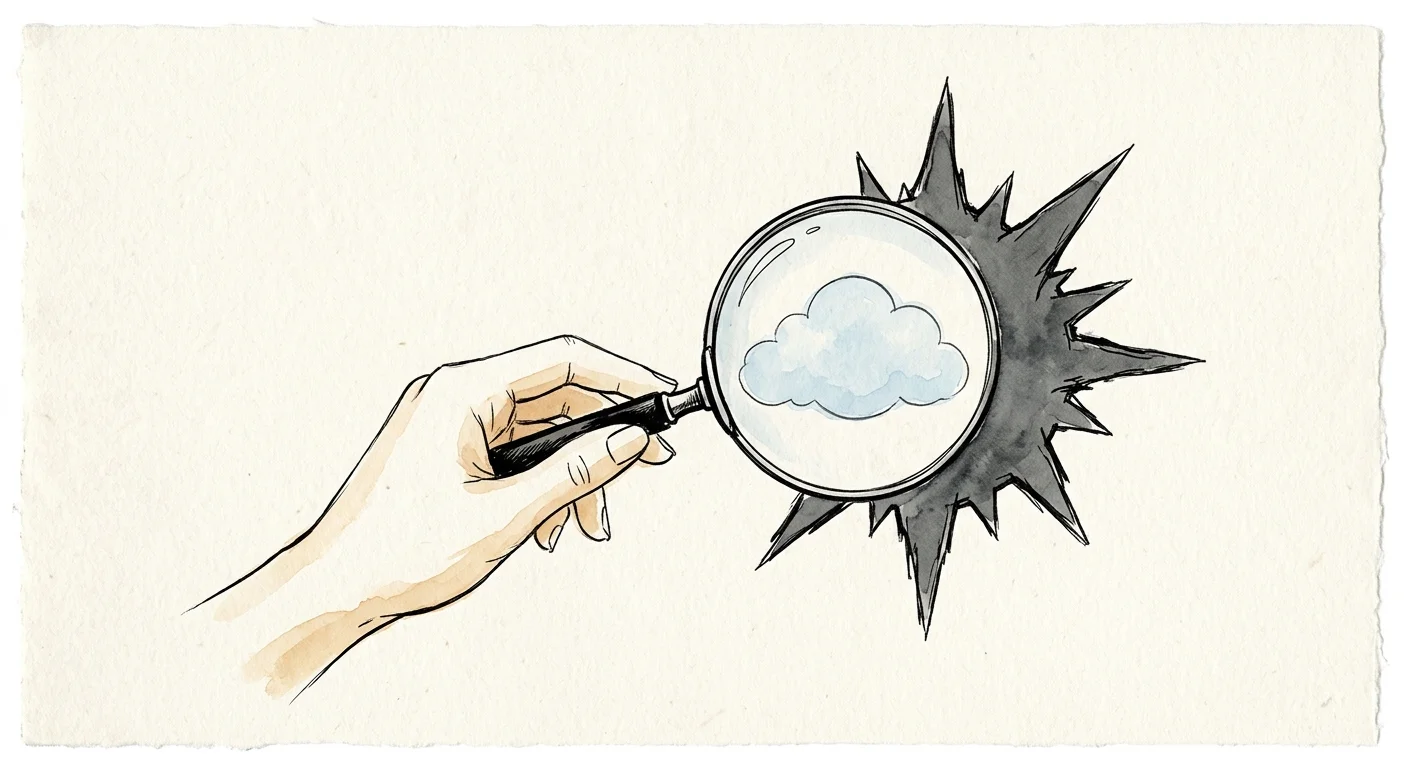
5. You Curiosity-Test Your Assumptions About Other People’s Intentions
The human brain relies on cognitive shortcuts, frequently falling into the fundamental attribution error—the tendency to attribute other people’s negative behavior to bad character while excusing our own mistakes as results of circumstance. When a colleague misses a deadline, an impulse might urge you to think, “They are lazy and irresponsible.”
Emotional intelligence rewires this automatic habit into active curiosity. Instead of jumping to negative judgments, you ask yourself constructive questions:
- What unseen stressors or pressures might they be facing right now?
- Did I communicate my expectations clearly and completely?
- How can I gather more context before drawing a conclusion?
This mental shift keeps your working relationships constructive and prevents unnecessary resentment from festering in your personal life.

6. You Separate Your Self-Worth From Being Right
For many individuals, admitting an error feels like a threat to their identity, triggering defensiveness and deflection. When you develop strong EQ psychology traits, you separate your core self-worth from your need to hold the correct answer in every discussion.
You can say “I was wrong” or “I hadn’t considered that perspective” without experiencing a collapse in self-esteem. You view new information as an upgrade to your understanding rather than a defeat. This intellectual humility builds trust quickly because friends, family, and colleagues realize you value truth and connection over personal ego.
“Vulnerability is not winning or losing; it’s having the courage to show up and be seen when you have no control over the outcome.” — Brené Brown, Ph.D., LMSW

7. You Protect Your Peace Without Hostility or Guilt
Setting boundaries often creates anxiety for people who equate self-care with selfishness. However, emotionally intelligent individuals view boundaries as protective walls that preserve long-term relationships rather than barriers designed to push people away.
You demonstrate this quiet sign of emotional intelligence when you deliver a firm “no” calmly and directly. You do not offer long, defensive excuses, nor do you lash out at the person asking. You recognize that protecting your time, energy, and mental health allows you to show up fully for the commitments you choose to keep.

8. You Treat Feedback as Information Rather Than an Existential Threat
Receiving constructive criticism tests emotional maturity. Low emotional intelligence manifests as immediate pushback, making excuses, or completely dismissing the source. High emotional intelligence allows you to filter external feedback objectively.
When receiving critical notes at work or personal feedback in a relationship, you follow a reflective mental process; you separate the delivery style from the core message, extract actionable insights that foster personal growth, and leave behind unhelpful comments without harbouring lasting bitterness. You treat feedback as valuable data that refines your skills.
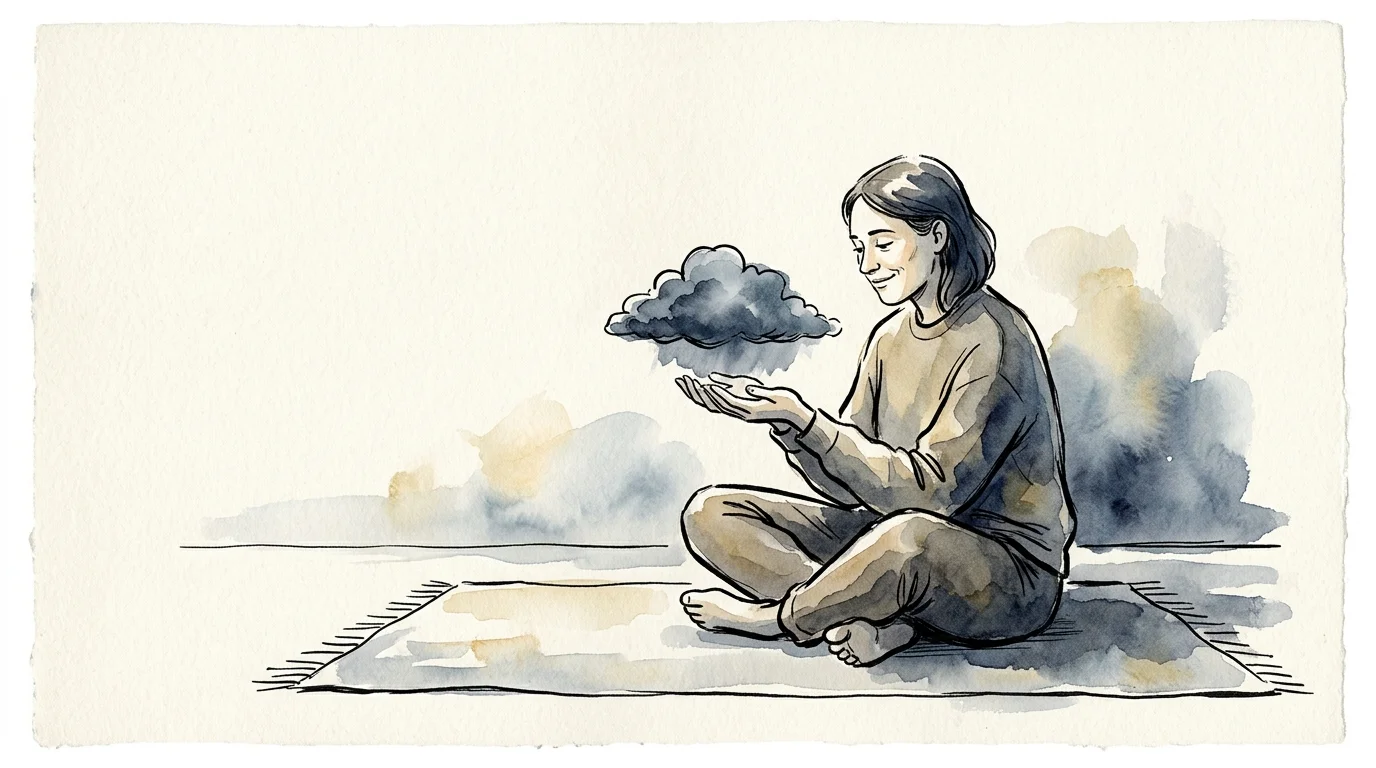
9. You Resist the Urge to Instantly Numb Uncomfortable Emotions
Discomfort—whether it stems from boredom, anxiety, loneliness, or disappointment—drives many people toward instant distraction. They reflexively reach for social media, online shopping, comfort food, or alcohol to escape the present moment. Emotional intelligence involves developing distress tolerance—the ability to sit with uncomfortable feelings until they pass naturally.
When you feel a wave of anxiety or sadness and allow yourself to experience it without reaching for an immediate coping device, you demonstrate remarkable emotional strength. You recognize that emotions operate like waves; they peak, recede, and pass through your nervous system without requiring drastic intervention.
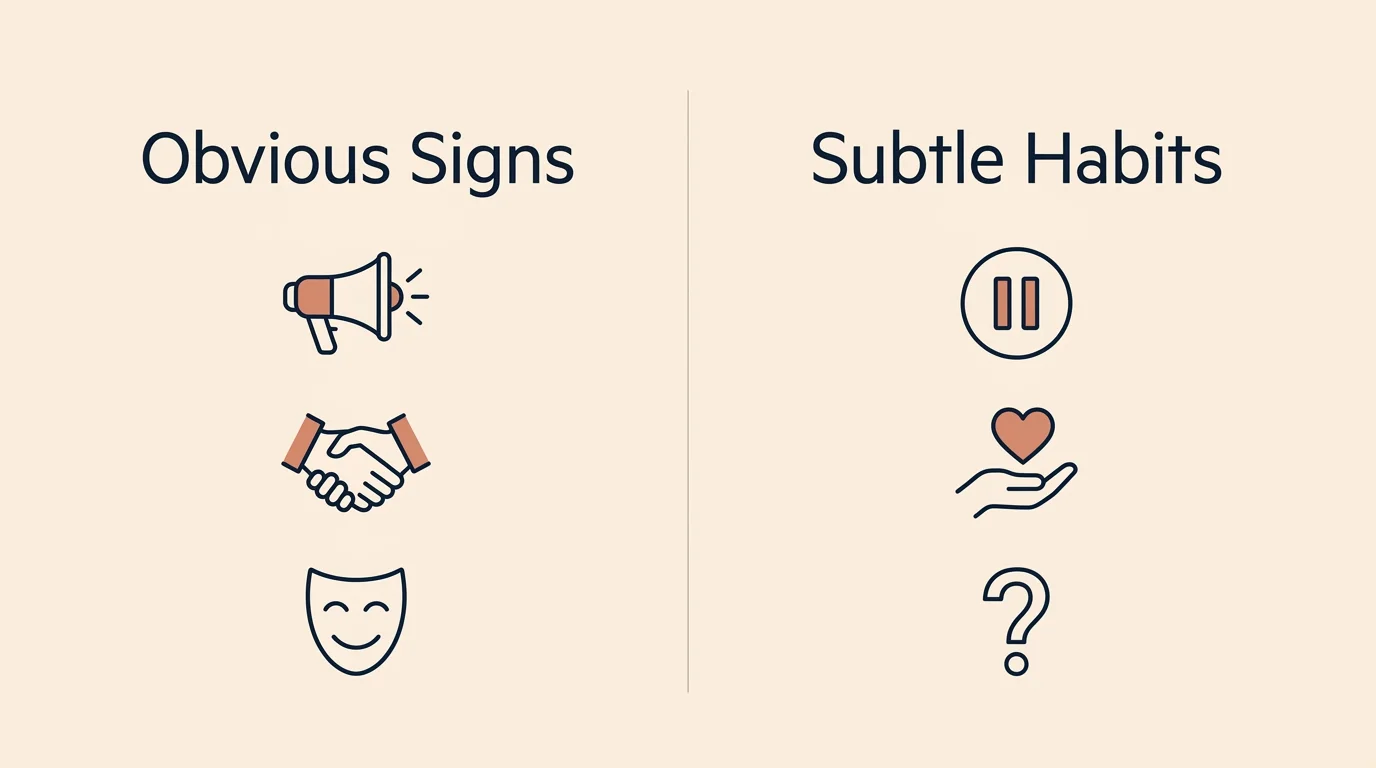
Subtle vs. Obvious Signs of Emotional Intelligence
Understanding how emotional intelligence manifests daily becomes easier when you compare common surface-level assumptions with real, internal psychological habits. The table below illustrates these dynamic differences:
| Overt / Misunderstood EQ Trait | Subtle / High EQ Psychology Trait | Daily Real-World Scenario |
|---|---|---|
| Always displaying unshakeable positivity | Emotional granularity and dialectical acceptance | Acknowledging genuine stress while remaining hopeful during a challenging team project. |
| Rushing to solve everyone’s problems instantly | Active presence and conversational boundary regulation | Listening patiently to a struggling friend without interrupting to give unsolicited advice. |
| Never showing frustration or anger | Recognizing physical cues and regulating expression | Noticing muscle tension during a debate and taking a slow breath before speaking calmly. |
| Winning debates with smooth verbal skills | Intellectual humility and separating worth from ego | Gracefully conceding a point when someone presents valid data that contradicts your stance. |
| Saying “yes” to every request to keep peace | Setting firm, clear boundaries without defensiveness | Declining an extra project commitment politely so you can maintain high work quality. |

Common Misconceptions About High Emotional Intelligence
Misunderstandings about emotional intelligence often prevent people from recognizing their own psychological growth. Clearing away these myths helps you construct an accurate assessment of your emotional health.
Articles on Psychology Today consistently highlight that emotional intelligence does not equal pleasant passivity. Addressing these common misunderstandings reveals what high EQ actually looks like in practice:
- Misconception 1: Emotionally intelligent people never get angry or upset. Emotional intelligence is not about suppressing feelings; it involves experiencing the full spectrum of human emotion while choosing how to express those feelings constructively.
- Misconception 2: EQ is an innate personality trait that cannot change. Neuroscience confirms that brain plasticity allows adults to strengthen self-regulation, empathy, and emotional awareness through practice and habit formation.
- Misconception 3: High EQ individuals are always extroverted and social. Introverts frequently possess exceptional emotional intelligence, relying on internal reflection, acute observation, and deep one-on-one empathy.
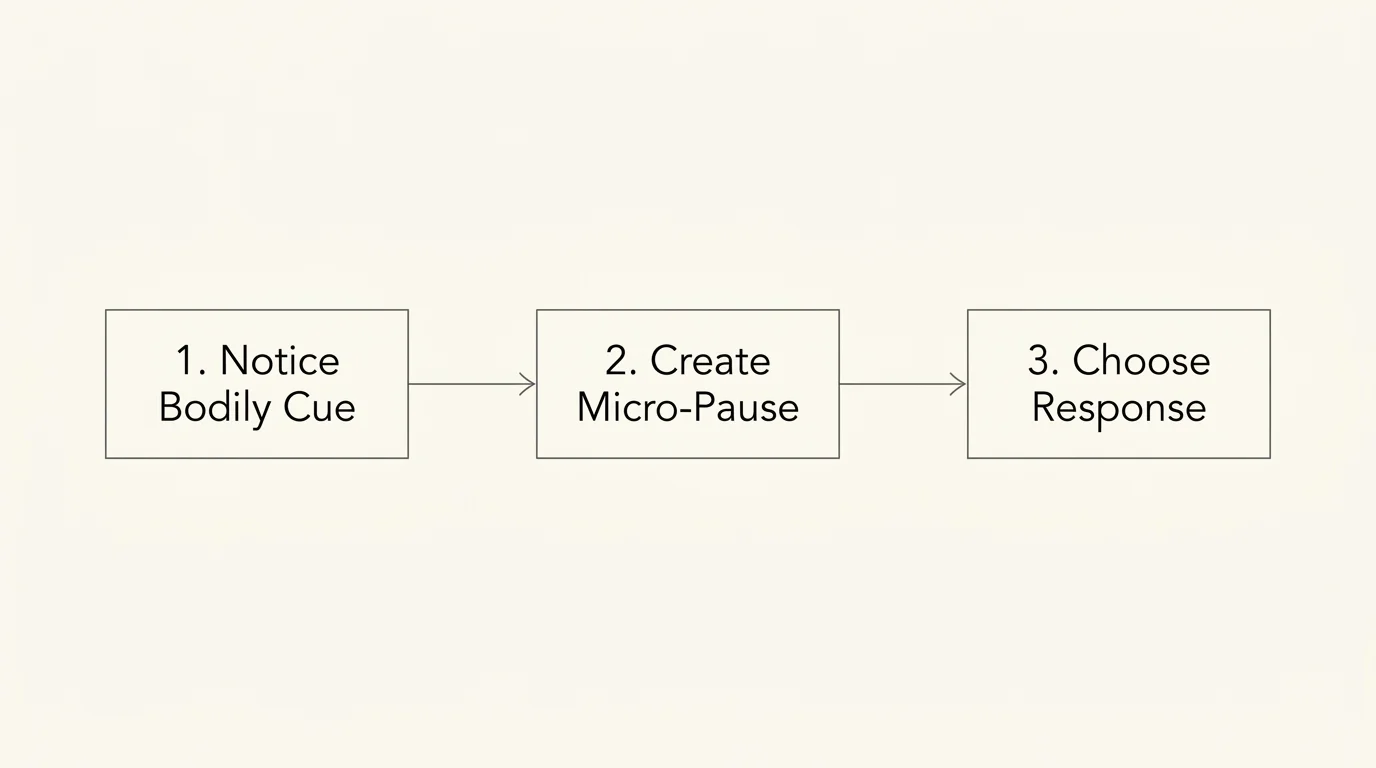
Practical Strategies for Improving Emotional Intelligence
Enhancing your emotional capacity requires intentional daily practice. You can build stronger emotional habits by integrating these practical, research-backed techniques into your routine:
- Practice the “Name It to Tame It” Technique: Coined by psychologist Dr. Daniel Siegel, labeling your specific emotion reduces activity in your amygdala. Replace broad statements like “I feel bad” with precise words like “I feel overlooked” or “I feel overstimulated.”
- Conduct a Daily 2-Minute Somatic Audit: Pause twice a day to scan your body from head to toe. Notice muscle tightness, shallow breathing, or gut discomfort, and connect those physical markers to your current thoughts.
- Implement the 5-Second Delay Rule: When responding to a challenging email, text message, or comment, count slowly to five before speaking or typing. Use this window to evaluate your intentions.
- Keep a Debrief Journal for Emotional Triggers: When an interaction upsets you, write down what happened, what feeling surfaced, and how you responded. Look for recurring patterns over time. Educational resources on Verywell Mind show that expressive writing helps process complex emotional events and sharpens self-awareness.

Finding the Right Professional Help
While self-guided tools effectively build everyday emotional skills, professional mental health support provides targeted guidance when deeper challenges arise. Developing high emotional intelligence includes recognizing when you need professional assistance to process past experiences or manage severe emotional distress.
Consider seeking support from a licensed therapist or mental health counselor in the following scenarios:
- Persistent Emotional Dysregulation: You frequently experience overwhelming anger, panic, or sadness that interferes with your daily career or family life.
- Trauma-Based Reactions: Past experiences trigger intense physical or emotional reactions that make self-regulation feel impossible on your own.
- Chronic Relational Conflict: You notice repeating patterns of destructive communication, emotional detachment, or volatile conflicts across multiple personal relationships.
- Difficulty Establishing Identity or Boundaries: You struggle with severe people-pleasing habits that leave you emotionally exhausted and resentful.
Therapeutic modalities such as Cognitive Behavioral Therapy (CBT), Dialectical Behavior Therapy (DBT), and Emotion-Focused Therapy (EFT) offer structured frameworks for improving emotional intelligence. Organizations like the National Alliance on Mental Illness (NAMI) provide accessible directories to help you locate qualified mental health professionals in your community.
Frequently Asked Questions
Can you have high emotional intelligence and still struggle with anxiety or depression?
Yes. Emotional intelligence involves how you understand and manage your feelings, but it does not make you immune to clinical mental health conditions. Many people with high EQ experience anxiety or depression; however, their emotional awareness often helps them recognize symptoms early, practice effective coping strategies, and seek professional help proactively.
What is the core difference between IQ and EQ?
IQ (Intelligence Quotient) measures cognitive abilities such as logic, analytical reasoning, and spatial awareness. EQ (Emotional Quotient) measures your capacity to identify, understand, manage, and communicate emotions effectively. While IQ remains relatively stable throughout adulthood, EQ can be deliberately developed and strengthened across your entire life.
How long does it take to improve emotional intelligence traits?
Building emotional intelligence is an ongoing process rather than a quick fix. With consistent daily practice—such as using pause techniques, naming specific emotions, and practicing active listening—most people notice meaningful improvements in their reactions and relationships within two to three months.
Can someone with low emotional intelligence learn to change?
Absoutely. Brain plasticity allows individuals to build new neural pathways over time. When someone commits to self-reflection, actively seeks feedback, and practices emotional regulation, they can significantly increase their emotional intelligence regardless of their baseline habits.
Nurturing Your Emotional Growth
Recognizing emotional intelligence in yourself begins with appreciating quiet, everyday victories—the moments you choose patience over conflict, listen without judging, or acknowledge a difficult feeling without running away from it. These subtle mental habits demonstrate genuine psychological strength and personal growth. As you continue refining these skills, remember that building emotional maturity is a lifelong process rather than a final achievement.
The information in this article is meant for educational purposes and general guidance. It does not replace individual therapy, counseling, or medical treatment. If you or someone you know is in crisis, contact the 988 Suicide & Crisis Lifeline by calling or texting 988.
Last updated: February 2026. Psychology research evolves continuously—verify current findings with professional sources.









Leave a Reply