
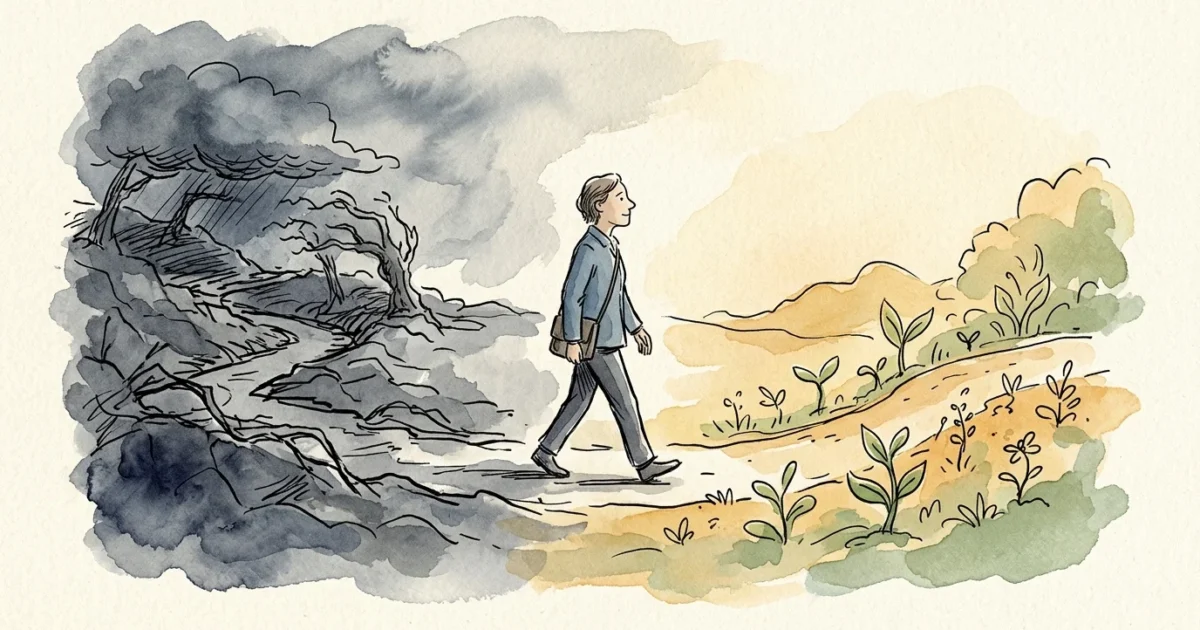
When unexpected hardship strikes, psychological resilience determines how effectively you recover and regain your footing. Far from being a rare genetic gift reserved for a fortunate few, resilience functions as a set of dynamic psychological skills that you can actively develop at any stage of life. Researchers and psychologists emphasize that resilient people do not avoid emotional pain or stress; instead, they process difficult experiences through specific cognitive patterns, emotional regulation habits, and supportive behaviors. By understanding the core resilience traits that foster mental strength, you can transform how you respond to adversity, protect your emotional well-being, and navigate life’s most daunting challenges with clarity and confidence.
The Science Behind the Psychology of Resilience
Psychologists define resilience as the process and outcome of successfully adapting to difficult or challenging life experiences. According to research published by the American Psychological Association, resilience involves dynamic behavioral adaptation rather than an unyielding, rigid personality trait. When you encounter high-stress environments, your brain evaluates threats through cognitive appraisal—determining whether a situation exceeds your resources to cope.
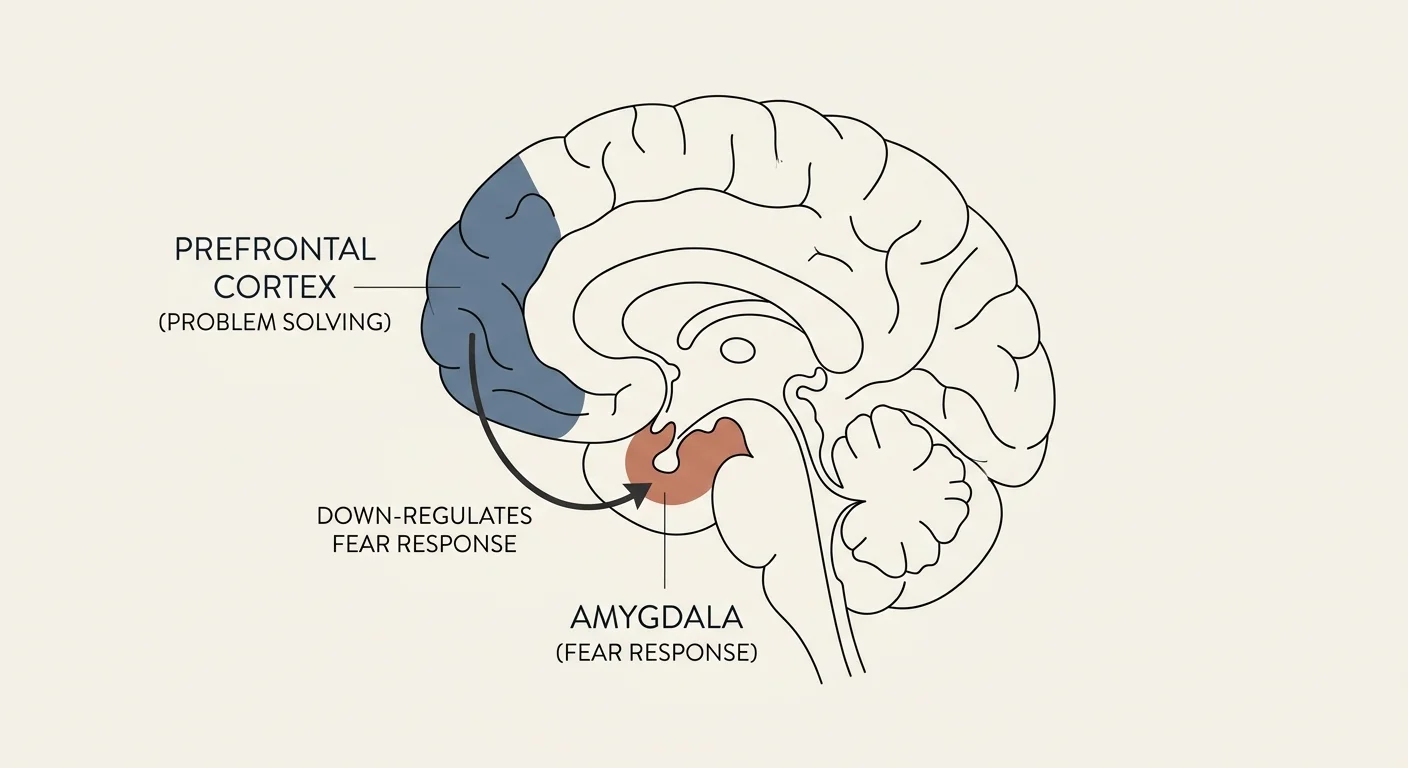
Resilient individuals possess neuroplastic pathways that allow them to down-regulate fear responses in the amygdala while engaging the prefrontal cortex for constructive problem-solving. This neural flexibility enables you to acknowledge pain without becoming paralyzed by it. Instead of viewing adversity as a permanent dead end, your mind learns to view stress as a temporary obstacle that yields to targeted action and psychological adaptation.
“When we are no longer able to change a situation, we are challenged to change ourselves.” — Viktor E. Frankl, Psychiatrist and Author of Man’s Search for Meaning
1. Realistic Optimism
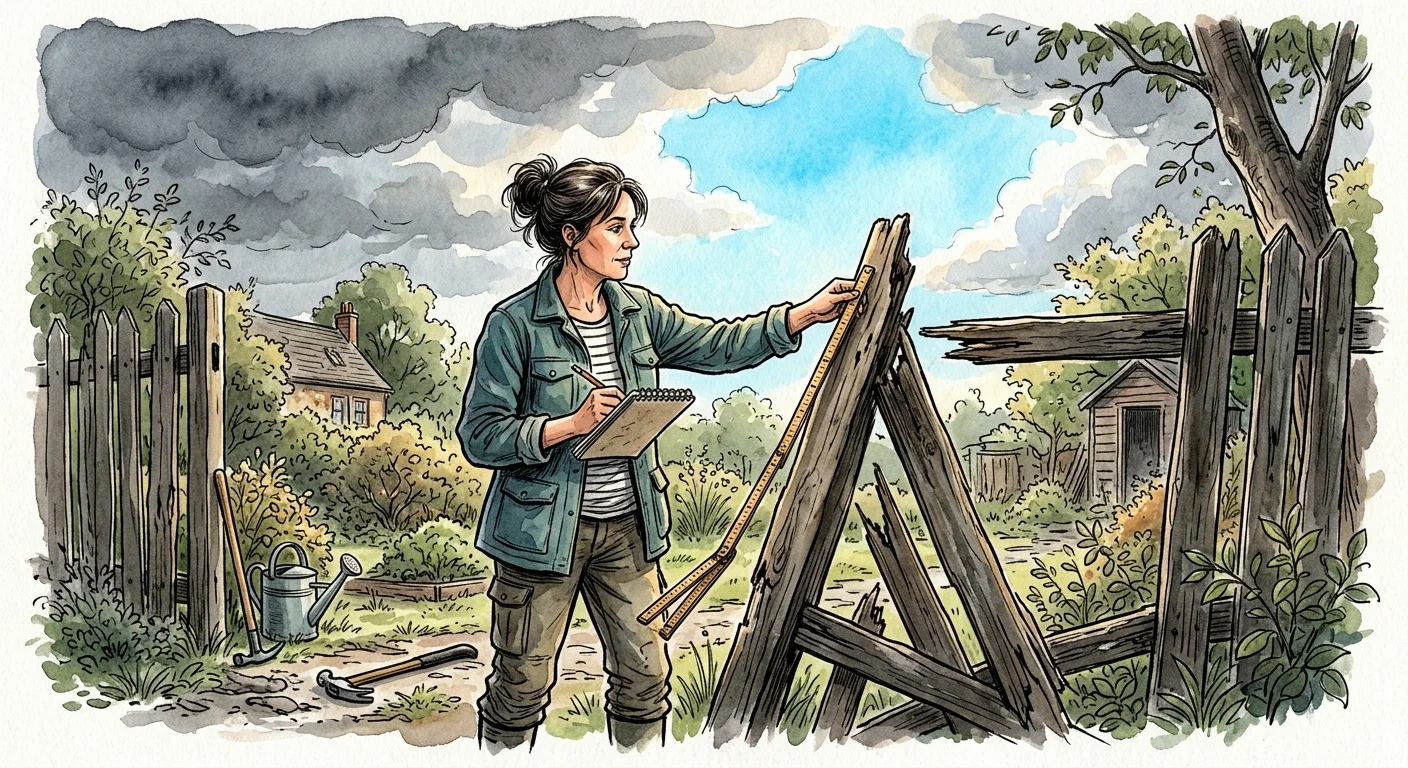
Highly resilient people do not indulge in toxic positivity or pretend that difficulties do not exist. Instead, they practice realistic optimism—a cognitive framework that balances a clear-eyed assessment of present distress with an enduring faith in their ultimate ability to overcome it. You acknowledge the harsh realities of a loss, illness, or setback, but you reject the belief that the current pain will last forever.
Psychological research shows that realistic optimists actively scan their environment for viable solutions rather than fixating exclusively on threat vectors. By decoupling optimism from denial, you grant yourself permission to feel genuine grief or frustration while simultaneously constructing an actionable path forward.
2. High Emotional Self-Regulation
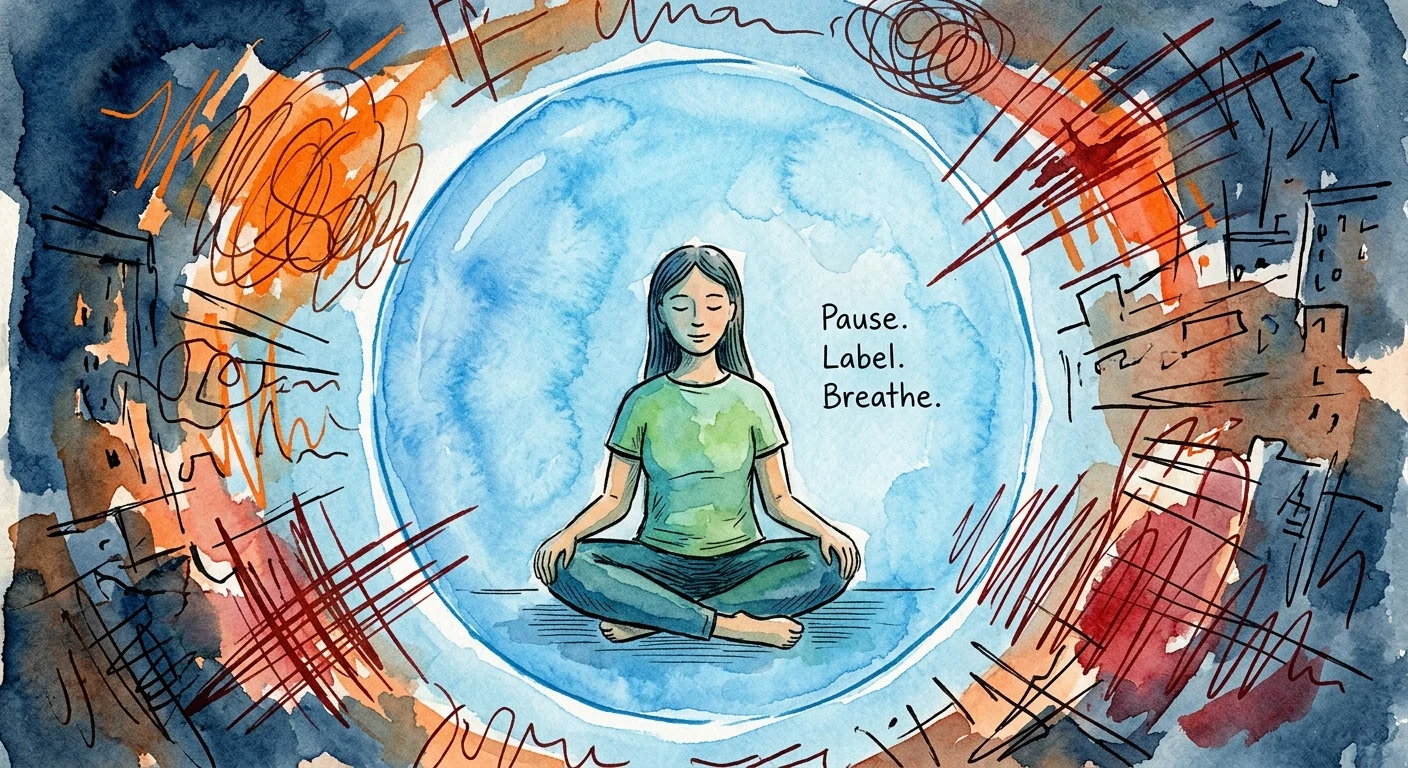
Emotional regulation represents the bedrock of psychological resilience. When crisis occurs, your nervous system naturally triggers a fight-or-flight response. Resilient individuals feel intense emotions like anger, panic, or sorrow, but they possess high distress tolerance—the capacity to sit with uncomfortable internal states without making impulsive, self-defeating decisions.
You cultivate emotional regulation through mindfulness, deliberate pause strategies, and emotional granular labeling. Naming a specific emotion reduces brain activity in the amygdala, granting you the psychological space required to choose a thoughtful response over a purely reactive impulse.
3. Cognitive Flexibility and Reframing
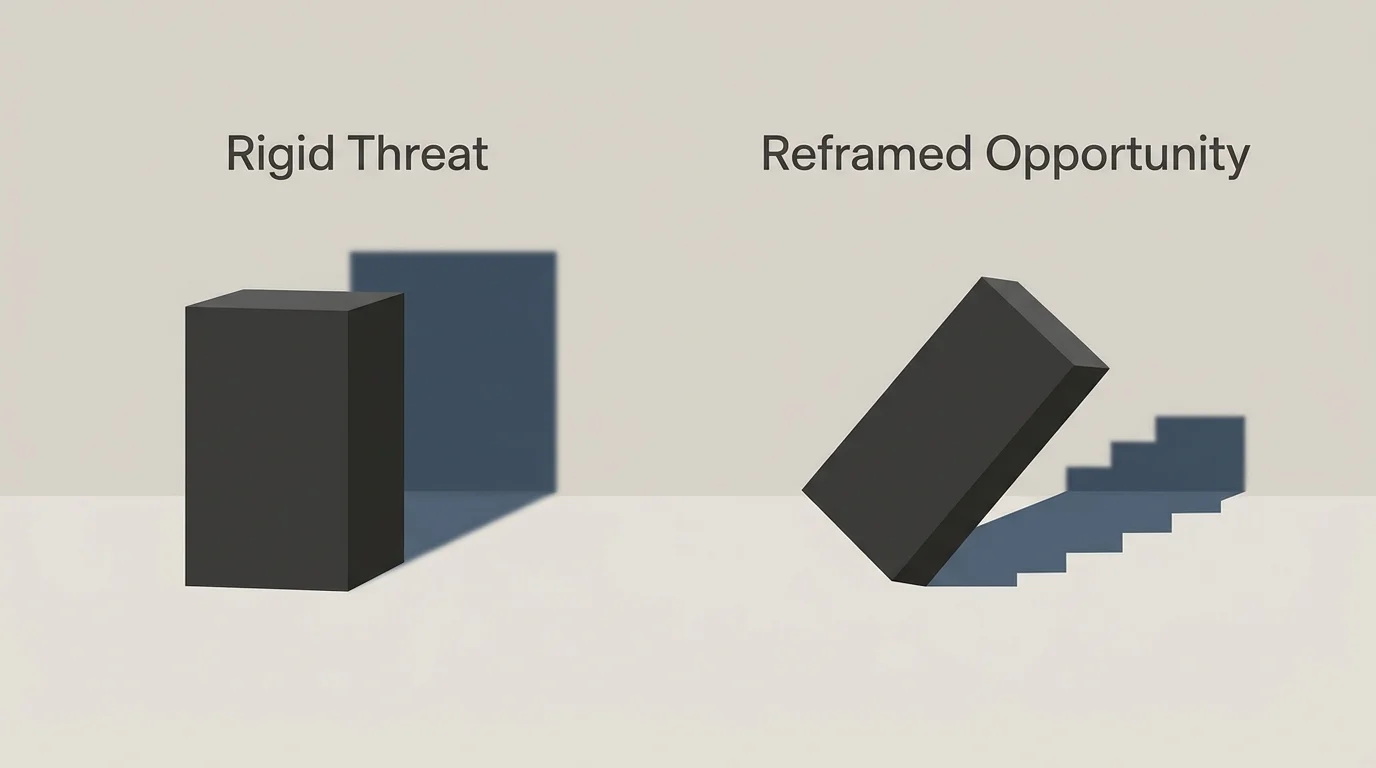
Rigid thinking creates psychological fragility. When life disrupts your plans, cognitive flexibility allows you to update your internal mental models and adapt to changing circumstances. Highly resilient people practice cognitive reframing—shifting how they view a stressful event to find alternative, constructive interpretations.
Cognitive reframing does not mean lying to yourself about pain. It means shifting your internal dialogue from “This setback completely ruins everything” to “This situation is difficult, but it highlights what I need to adjust moving forward.” This shift changes your appraisal of an event from an unmanageable threat into a solvable challenge.

4. A Strong Internal Locus of Control
Psychologists distinguish between an external locus of control—believing outside forces dictate your fate—and an internal locus of control, where you believe your personal decisions directly influence your life’s direction. Resilient people recognize that while they cannot control external events, they retain absolute control over their internal responses and chosen actions.
When faced with systemic problems or unexpected crises, identifying small variables within your immediate influence restores agency. Focusing your physical and mental energy exclusively on what you can control prevents learned helplessness and builds momentum during chaotic transitions.

5. Active Coping Strategies over Avoidance
Avoidance coping—numbing distress through substance use, chronic distraction, or denial—provides short-term relief at the expense of long-term emotional stability. Resilient individuals consistently favor active coping mechanisms. They confront problem sources directly by gathering relevant information, seeking advice, and developing structured action plans.
Active coping breaks massive, overwhelming problems down into micro-tasks. Taking even a minor, constructive step forward lowers circulating cortisol levels and reinforces your psychological self-efficacy, proving to your brain that you possess agency in difficult moments.

6. Deep Social Connection and Relational Support
Independence often receives praise, but true psychological resilience relies heavily on interdependence. According to data from the National Alliance on Mental Illness, strong social connections serve as a vital protective factor against depression, severe anxiety, and trauma response duration.
Signs of a resilient person include the willingness to express vulnerability and request help without viewing support as a sign of personal weakness. Establishing a reliable network of friends, family, or support groups offers emotional validation, practical assistance, and fresh perspectives during acute stress.

7. Self-Compassion and Low Self-Criticism
Many people mistakenly assume that harsh self-criticism drives success and strength. However, psychological research demonstrates that intense self-criticism undermines resilience by triggering threat responses inside your brain. Resilient people practice self-compassion, treating themselves with the same kindness and understanding they would offer a close friend during a trial.
When you make a mistake or experience failure, self-compassion allows you to acknowledge errors without plunging into shame. This gentle internal stance reduces performance anxiety, accelerates emotional recovery, and encourages you to take healthy risks in the future.

8. A Clear Sense of Purpose and Meaning
Having a clear sense of purpose acts as an anchor when life presents turbulence. Grounding your identity in core values, personal goals, family commitment, or community service gives suffering a context, making pain tolerable when it serves a broader objective.
Psychologists note that resilient people frequently engage in post-traumatic growth—the process of deriving new meaning, personal appreciation, or revised life priorities after enduring profound hardship. You use adversity as a catalyst to clarify what truly matters to you.
9. Healthy Boundary Setting
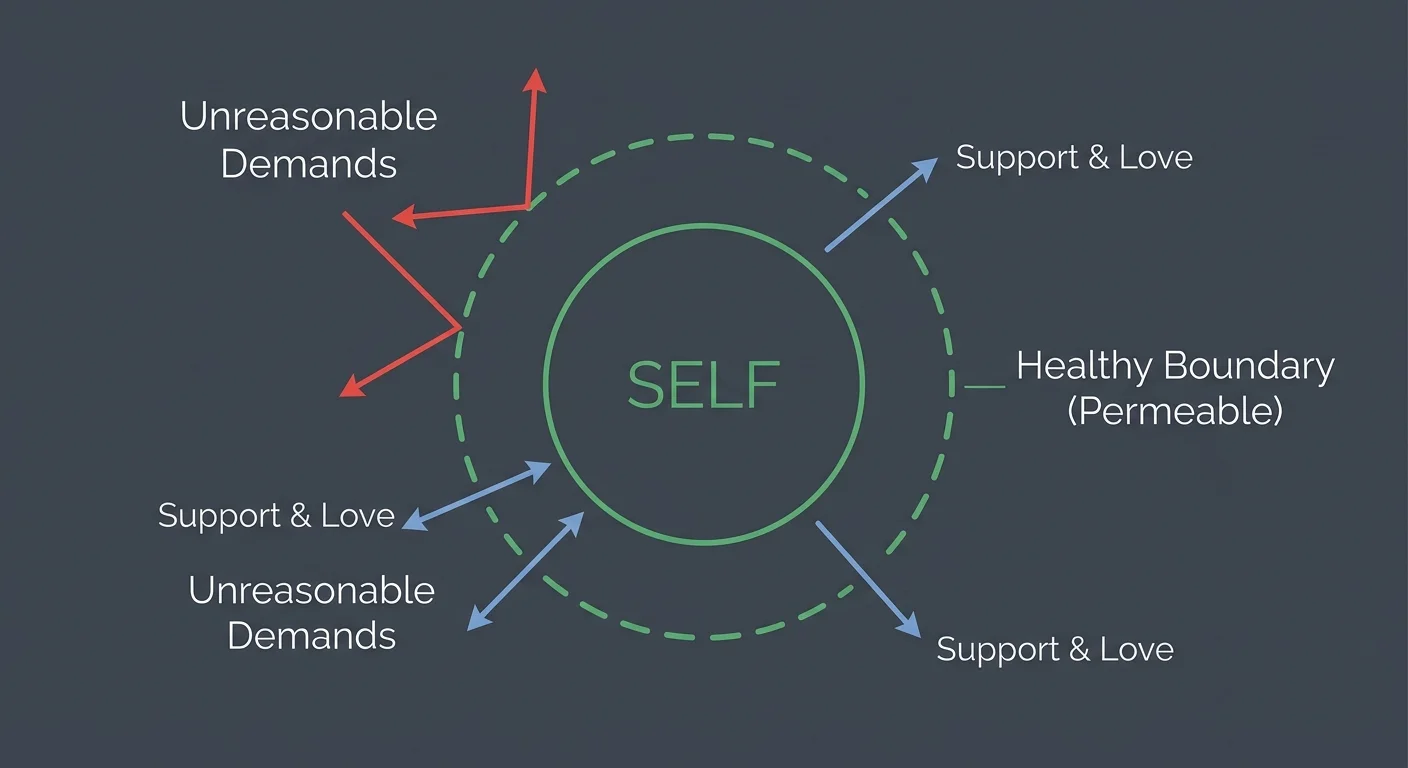
You cannot remain resilient if you constantly deplete your emotional and physical reserves. Resilient people preserve their energy by setting clear, firm boundaries in personal and professional relationships. They understand their capacity limits and communicate those limits calmly and assertively.
Setting boundaries protects your mental bandwidth, ensuring you retain the physical energy, cognitive focus, and emotional space necessary to manage life’s inevitable personal crises without reaching total exhaustion.
Comparing Reactive Mindsets vs. Resilient Mindsets
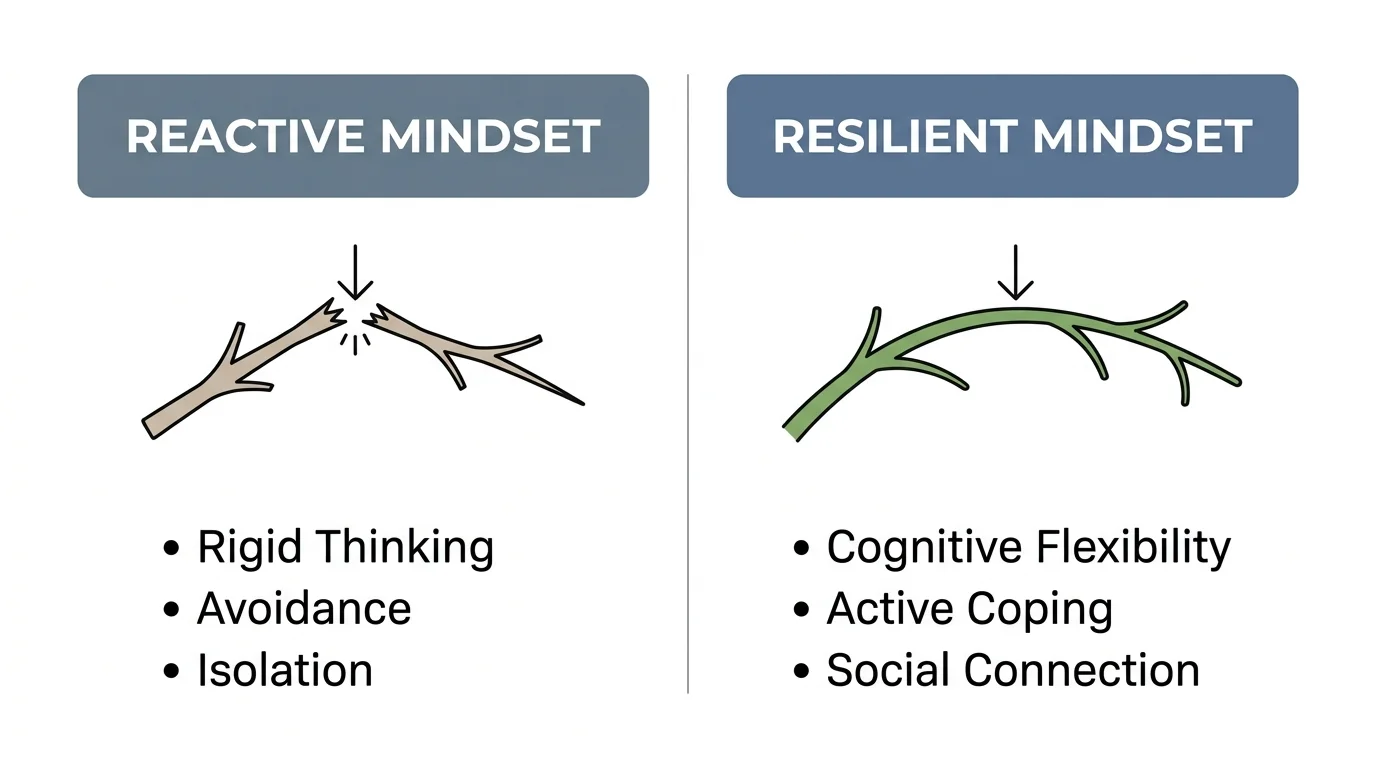
Understanding how resilient people think becomes clearer when you contrast their cognitive habits against rigid, reactive coping strategies. The table below illustrates how different mindsets handle common stressors:
| Dimension | Reactive / Rigid Coping | Resilient Coping |
|---|---|---|
| View of Setbacks | Permanent, pervasive, and personal failures. | Temporary, specific, and opportunities for learning. |
| Emotional Focus | Suppressing distress or drowning in worry. | Acknowledging feelings while practicing self-regulation. |
| Locus of Control | External: feeling helpless against circumstances. | Internal: focusing strictly on controllable responses. |
| Problem-Solving | Avoidance, denial, or chronic procrastination. | Active engagement and proactive step-taking. |
| Social Orientation | Isolating oneself due to shame or pride. | Seeking help and leaning on trusted relationships. |
| Self-Talk | Harsh self-criticism and catastrophic thinking. | Self-compassionate, realistic, and constructive. |
Common Misconceptions About Psychological Resilience
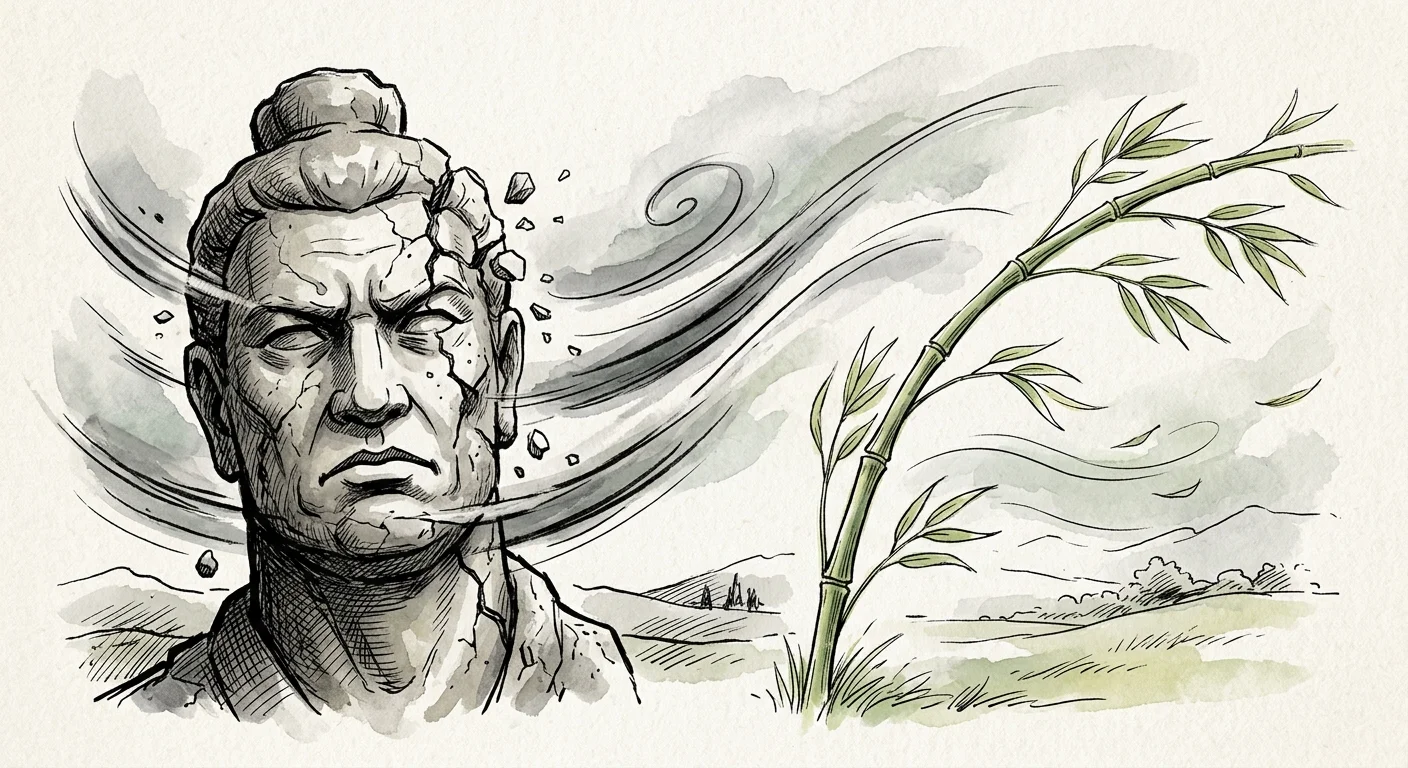
Despite growing interest in building emotional resilience, widespread misunderstandings distort what mental strength really looks like in practice. Clearing up these misconceptions helps you set realistic expectations for your own emotional growth:
- Misconception 1: Resilient people do not feel pain or distress. Resilience is not stoicism or emotional numbness. Resilient individuals experience grief, fear, and sadness just as deeply as anyone else; the difference lies in how they navigate and process those feelings over time.
- Misconception 2: Resilience is an innate trait you either have or lack. Resilience acts like a muscle rather than a fixed genetic trait. While temperament plays a minor role, research confirms that anyone can learn resilience traits through intentional habit changes and cognitive restructuring.
- Misconception 3: Resilient individuals handle everything entirely alone. Hyper-independence often stems from trauma rather than genuine strength. True resilience relies on social support, community connection, and knowing when to ask for help.
- Misconception 4: Resilience means bouncing back to your exact previous state. Major life events alter you permanently. Resilience focuses on bouncing forward—adapting to a new reality and growing through change rather than trying to restore an outdated status quo.

How to Build Emotional Resilience in Your Daily Life
Building emotional resilience requires deliberate, consistent practice. According to clinical guidance from Harvard Health, incorporating structured mental habits into your daily routine reshapes your stress response pathways over time. Consider trying these concrete steps:
- Practice daily cognitive reframing: When a minor frustration occurs, write down your immediate negative thought. Challenge it by writing two alternative, balanced interpretations.
- Establish a daily self-compassion ritual: When you make a mistake, pause and speak to yourself in the second person using warm, supportive language, as if reassuring a loved one.
- Map your control circles: Draw a circle on a sheet of paper. Inside, list everything you can directly influence regarding a current stressor. Outside the circle, write things you cannot control, and commit to letting those items go.
- Strengthen your relational network: Schedule consistent, meaningful check-ins with friends or family members who provide safety, emotional validation, and perspective.
- Incorporate physical stress completion loops: Engage in moderate physical movement, deep breathing, or nature walks to discharge physical tension from your body after acute stress.
“Vulnerability is not winning or losing; it’s having the courage to show up and be seen when we have no control over the outcome.” — Brené Brown, Ph.D., LMSW, Research Professor and Author

Finding the Right Professional Help
While self-directed strategies build everyday coping skills, cultivating resilience sometimes requires guidance from a professional therapist. You do not need to wait for a total crisis to seek therapy. Consulting a professional provides evidence-based frameworks tailored to your unique history and nervous system.
Consider seeking care from a licensed mental health clinician if you experience any of the following scenarios:
- Persistent emotional overwhelm: You feel constantly hyper-vigilant, anxious, or emotionally numb for weeks following a stressful transition or loss.
- Inability to break avoidance cycles: You find yourself consistently using alcohol, food, isolation, or compulsive behaviors to escape uncomfortable thoughts and emotions.
- Unresolved traumatic responses: Flashbacks, intrusive thoughts, or overwhelming shame interfere with your ability to function in work or personal relationships.
- Stagnation and loss of meaning: You feel disconnected from your values, struggle to find purpose, or experience chronic feelings of despair.
Therapies like Cognitive Behavioral Therapy (CBT), Acceptance and Commitment Therapy (ACT), and Eye Movement Desensitization and Reprocessing (EMDR) offer effective tools for building long-term emotional strength. You can find qualified practitioners through trusted directories like Psychology Today or local mental health networks.
Frequently Asked Questions
Can trauma ruin a person’s ability to be resilient?
No. While severe trauma can disrupt nervous system regulation and alter baseline stress responses, research in neuroplasticity proves that healing and post-traumatic growth remain possible at any age. With appropriate therapy, trauma survivors often develop profound levels of resilience.
How long does it take to build resilience?
Building resilience is a continuous process rather than a quick fix. Most people notice improvements in distress tolerance and mood regulation within six to twelve weeks of consistently practicing cognitive reframing, mindfulness, and active coping techniques.
Is resilience the same as mental toughness?
Not entirely. Mental toughness often emphasizes pushing through pain and suppressing vulnerability to reach short-term goals. Resilience prioritizes long-term adaptability, emotional processing, self-compassion, and dynamic recovery from hardship.
What is the fastest way to improve emotional resilience?
The fastest way to build resilience involves strengthening your immediate social connections and learning basic emotional regulation skills, such as physiological sighing and cognitive reframing during everyday stressors.
Moving Forward on Your Resilience Journey
Developing psychological resilience is an ongoing process of self-discovery and mental adaptation. As you integrate these nine traits into your daily routine, remember that perfection is never the goal. Small, consistent shifts in how you view challenges, treat yourself, and connect with others create substantial compounding benefits over time.
Give yourself permission to move at your own pace. Every time you pause during a moment of distress, reframe a catastrophic thought, or reach out to a friend for support, you actively strengthen your mind and equip yourself to handle whatever life presents next.
The information in this article is meant for educational purposes and general guidance. It does not replace individual therapy, counseling, or medical treatment. If you or someone you know is in crisis, contact the 988 Suicide & Crisis Lifeline by calling or texting 988.
Last updated: February 2026. Psychology research evolves continuously—verify current findings with professional sources.







Leave a Reply