

Destructive relationship dynamics rarely begin with overt malice; instead, they steadily erode your confidence, intuition, and emotional stability. Recognizing these patterns early preserves your mental health.
When a partnership drains your vitality rather than nurturing it, everyday interactions turn into an exhausting exercise in self-preservation. You find yourself questioning your basic instincts and worth.
Uncovering the key indicators of an emotionally destructive partner empowers you to separate genuine connection from toxic psychological erosion. Here is how to evaluate your situation with absolute clarity.
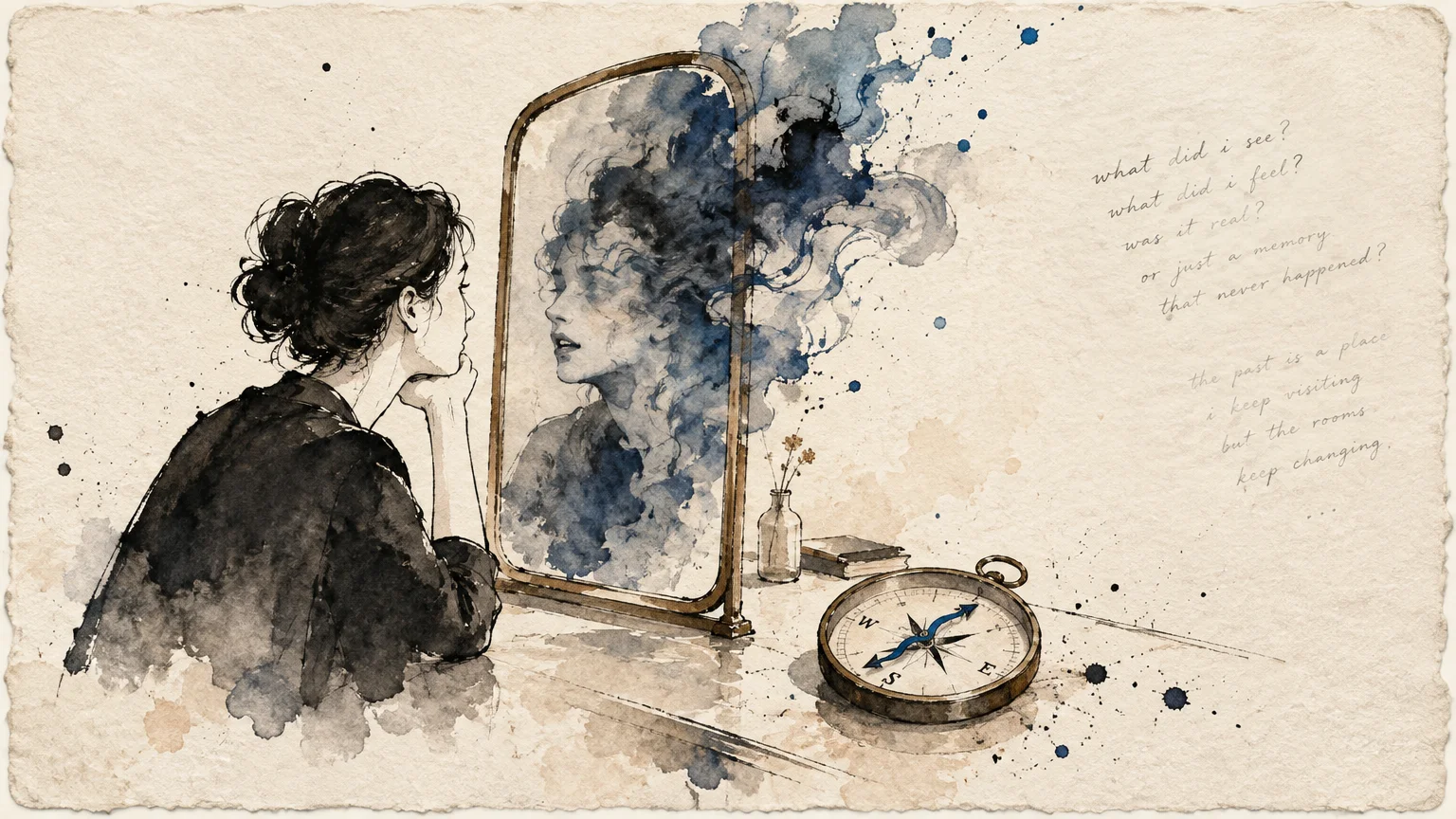
1. Reality Distortion and Chronic Gaslighting
Gaslighting occurs when your partner systematically undermines your perception of reality. Over time, you begin doubting your own memories, emotional reactions, and judgment.
This dynamic does not happen overnight. An emotionally destructive partner reframes past events, denies conversations took place, and accuses you of being overly sensitive or paranoid.
Clinical insights from Psychology Today highlight how prolonged gaslighting leaves targets feeling anxious, confused, and utterly dependent on their partner for clarity.

2. Relentless Contempt and Derision
Contempt goes far beyond occasional bickering or disagreement; it involves an explicit stance of moral and intellectual superiority. Your partner uses sneers, eye-rolling, sarcasm, and cruel jokes disguised as humor.
Longitudinal studies by The Gottman Institute identify contempt as the single greatest predictor of relationship dissolution. Contempt conveys disgust rather than frustration.
“Contempt is the sulfuric acid for love.” — Dr. John Gottman, Relationship Researcher
Living under continuous mockery diminishes your self-worth. You learn to silence your thoughts simply to avoid being ridiculed or dismissed.

3. Systematic Isolation from Your Support System
An emotionally destructive partner isolates you by subtly alienating your friends and family. They rarely demand sudden separation; instead, they plant seeds of doubt about your loved ones.
They may complain whenever you make independent plans or initiate dramatic fights right before social outings. Gradually, you cancel plans just to keep the peace.
This isolation serves a clear psychological function: without an external sounding board, you lose perspective on what constitutes healthy treatment.

4. Chronic Emotional Volatility and Eggshell Walking
Unpredictable temperaments turn home environments into high-stress combat zones. You monitor your partner’s vocal tone, footsteps, and body language to anticipate their next explosion.
Walking on eggshells creates a biological state of perpetual hyperarousal. Your nervous system stays flooded with stress hormones because safety feels conditional and fleeting.
These erratic emotional shifts represent classic warning signs of a bad partner. Healthy relationships offer emotional consistency, not chaotic mood swings that dictate your day.

5. Pervasive Boundary Violations
Healthy partnerships rely on mutual respect for emotional, physical, and digital boundaries. Destructive partners treat your personal boundaries as personal challenges or insults.
They rummage through your private messages, disregard requests for personal space, or press sexual intimacy when you express discomfort. Each breach chips away at your autonomy.
When you attempt to enforce a boundary, they accuse you of being secretive or unloving. They force you to choose between self-respect and relational peace.

6. Weaponized Insecurities and Vulnerability
True intimacy requires sharing personal fears, past wounds, and perceived shortcomings. A toxic partner collects these confidences and uses them as ammunition during arguments.
They dredge up your deepest regrets to deflect criticism or assert control. Suddenly, personal disclosures become weapons designed to trigger intense shame.
This breach of trust makes authentic emotional safety impossible. You retreat behind defensive walls because showing authentic vulnerability invites retaliation.
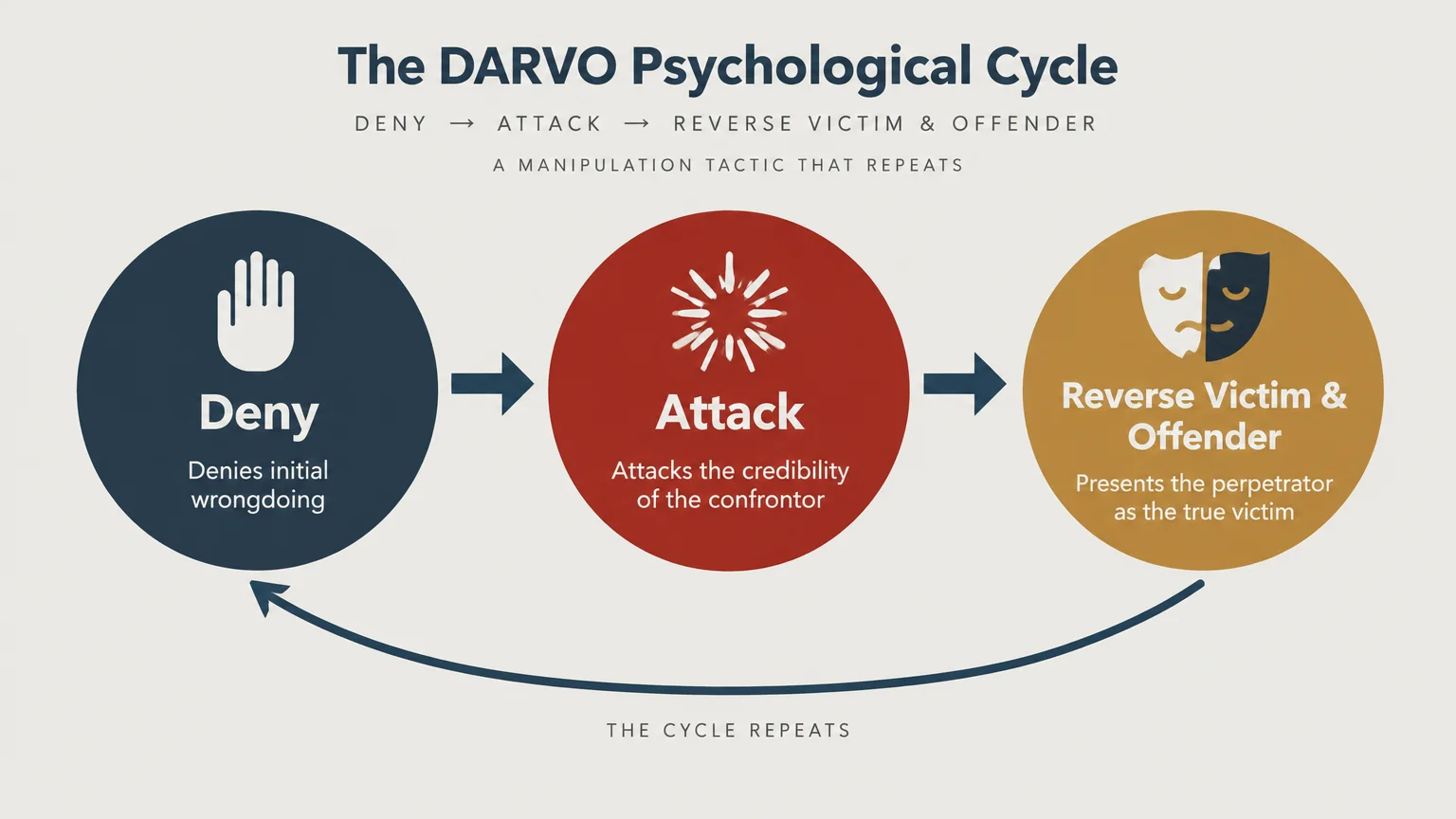
7. Complete Inversion of Blame (DARVO)
Whenever you raise legitimate concerns, the focus shifts entirely to your alleged shortcomings. Psychologists term this pattern DARVO: Deny, Attack, and Reverse Victim and Offender.
If you confront your partner about dishonesty, they rage about your suspicious nature. Within minutes, you find yourself apologizing for upsetting them.
This chronic evasion of accountability ranks high among emotionally destructive relationship signs. It prevents any meaningful repair from occurring.

8. Covert Financial Control and Autonomy Theft
Destructive dynamics frequently extend into practical life decisions, especially personal finances. A partner may scrutinize your purchases, sabotage your career aspirations, or demand total financial management.
By controlling material resources, they diminish your capacity for independent decision-making. You must ask permission for ordinary activities and spending.
Financial autonomy underpins psychological independence. Stripping that control away keeps you trapped in a dynamic of complete reliance.
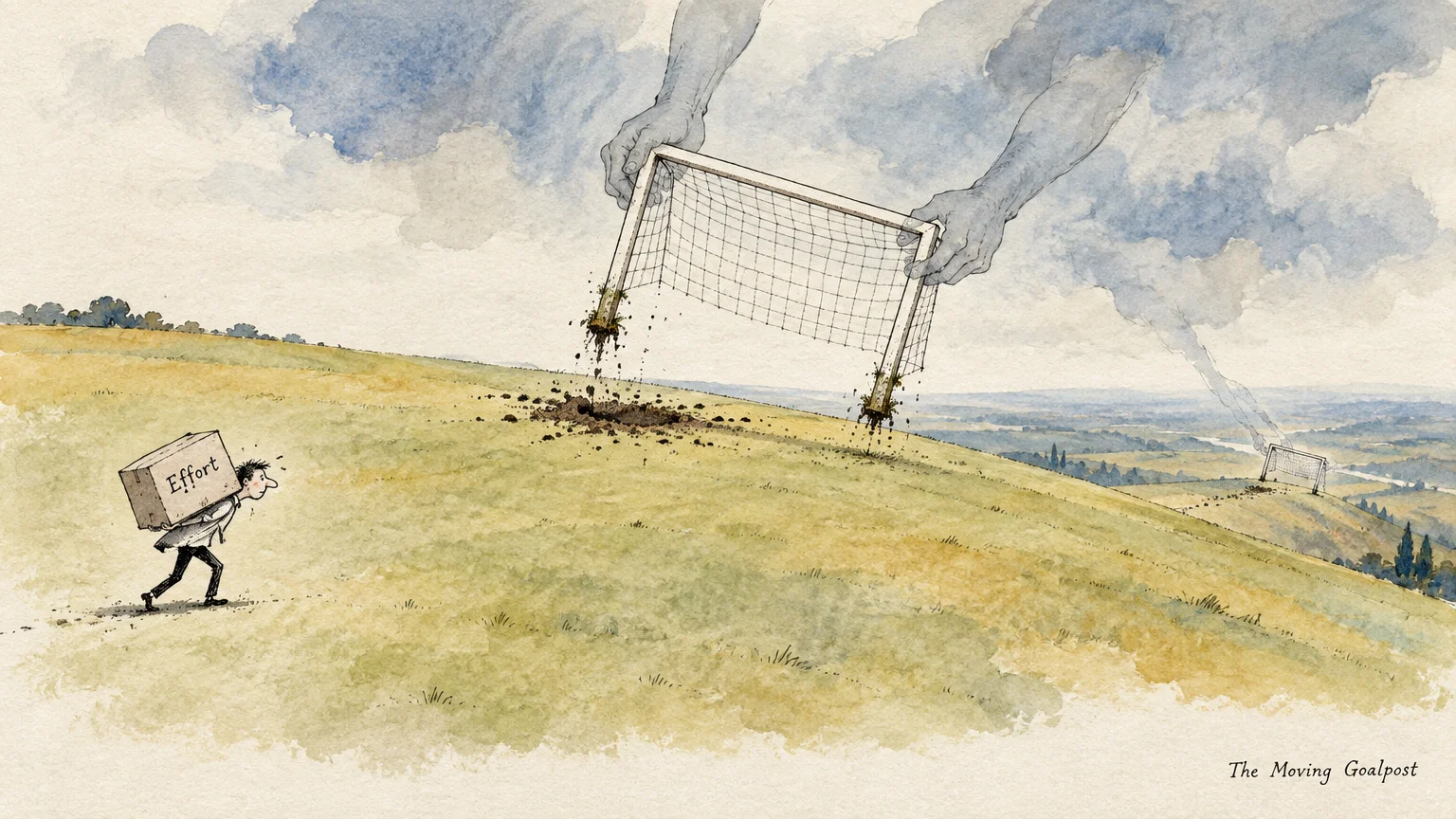
9. Shifting Expectations and Moving Goalposts
In an unhealthy partnership, satisfaction remains permanently out of reach. As soon as you meet one arbitrary standard, your partner invents three more.
This dynamic creates a relentless cycle of striving and disappointment. You expend endless energy trying to please someone who refuses to be pleased.
These shifting standards serve to keep you off-balance and preoccupied. Your partner maintains dominance by ensuring you always feel inadequate.

10. Measurable Decline in Your Physical and Mental Well-Being
Your physical body often registers relationship toxicity long before your conscious mind accepts it. Chronic emotional distress triggers gastrointestinal issues, insomnia, migraines, and persistent exhaustion.
The American Psychological Association emphasizes that prolonged interpersonal conflict creates sustained stress that impairs cardiovascular and immune function.
If your vitality, laughter, and mental resilience have evaporated, your relationship may be the driving factor. Your somatic symptoms represent urgent signals demanding attention.
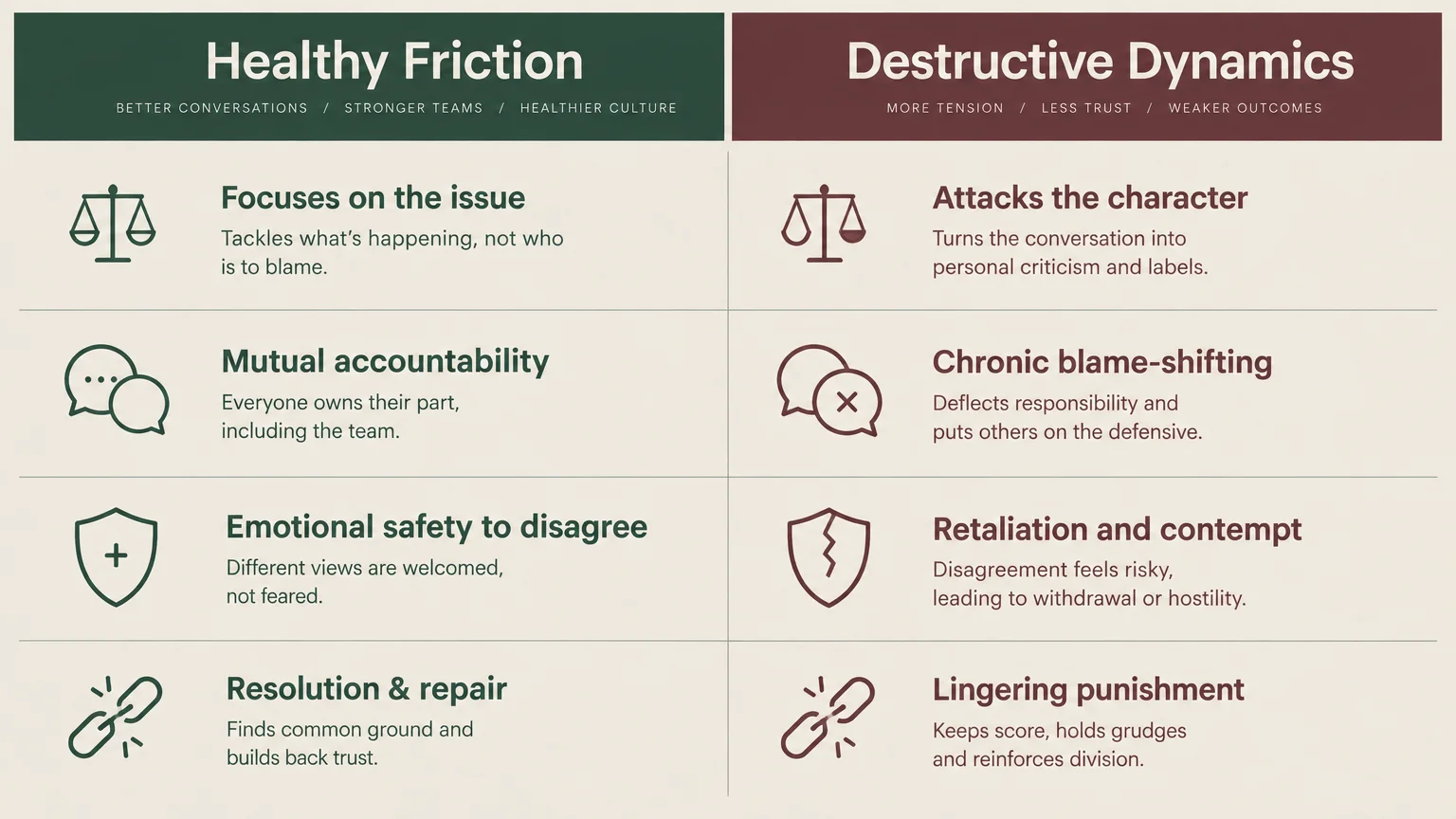
Healthy Friction vs. Destructive Dynamics
Conflict occurs in every relationship, but the nature of that conflict reveals whether your partnership is healthy or destructive.
Review this comparison to clarify where your relationship sits on the spectrum between normal friction and psychological damage.
| Relationship Dimension | Healthy Disagreement | Destructive Dynamics |
|---|---|---|
| Communication | Focuses on the issue; respectful dialogue | Personal insults, sarcasm, and cruel mockery |
| Conflict Resolution | Aims for compromise and repair | Aims for total submission and dominance |
| Boundaries | Respected without penalty | Ignored, punished, or framed as betrayal |
| Accountability | Both partners apologize and make amends | Blame is inverted; the victim is blamed |
| Emotional Safety | Vulnerability builds deeper closeness | Vulnerability is exploited as future leverage |
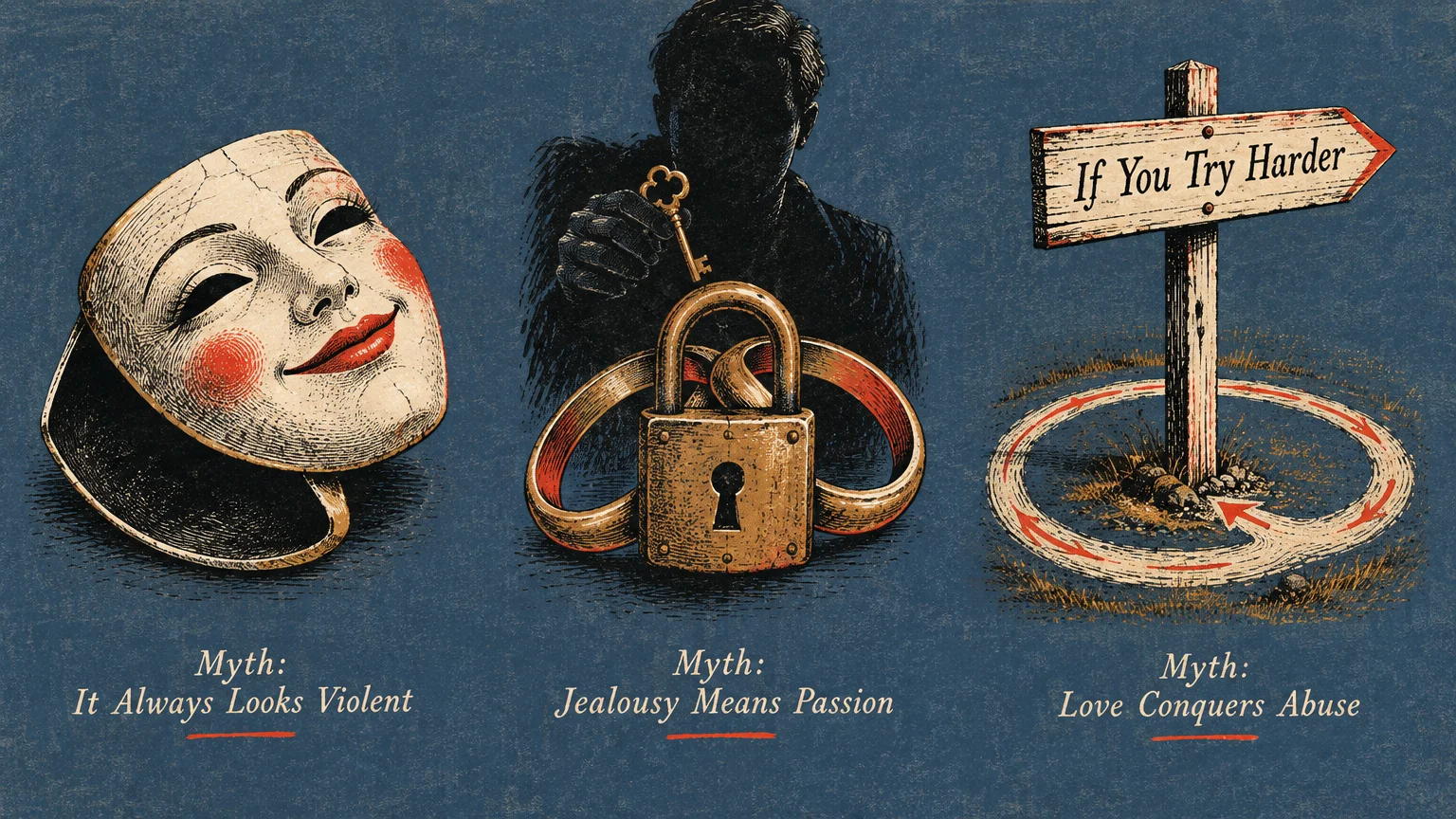
Myths Worth Debunking About Destructive Relationships
Cultural narratives often obscure what emotional destruction actually looks like. Dispelling these misconceptions will help you evaluate your circumstances objectively.
Myth 1: Destructive Relationships Always Involve Physical Violence
Psychological and emotional degradation can erode your identity without leaving a single bruise. Non-physical abuse causes profound nervous system distress and long-term trauma.
Myth 2: True Love Means Tolerating Endless Suffering
Unconditional love should never require unconditional tolerance of mistreatment. Sacrificing your mental stability to prove devotion only enables further boundary violations.
Myth 3: You Can Fix Your Partner If You Try Harder
Personal transformation requires intrinsic motivation and deliberate effort from the individual. No amount of patience or accommodating behavior on your part will heal someone unwilling to change.

Signs It’s Time to Talk to a Therapist
Recognizing signs of a toxic partner can provoke overwhelming distress. Connecting with a licensed mental health professional provides essential clarity and objective support.
Seek professional guidance promptly if you recognize any of these four critical scenarios in your daily life:
- You experience severe dissociation, constant brain fog, or persistent doubts about your sanity.
- You feel profound dread, panic, or intense physical anxiety before returning home.
- You have completely abandoned your personal values, friendships, and goals to maintain relational peace.
- You struggle with overwhelming depression, hopeless feelings, or intrusive thoughts of harm.
Resources from the National Alliance on Mental Illness offer pathways to specialized therapists trained in interpersonal trauma.

Reclaiming Your Agency: Practical Steps Forward
Breaking free from an emotionally destructive cycle requires strategic planning and disciplined focus. Prioritize your safety and psychological restoration through deliberate action.
- Document reality: Maintain a private, secure journal detailing factual conversations and incidents to anchor your perception against gaslighting.
- Rebuild social connections: Reconnect with trusted friends, family members, or colleagues to restore your external perspective.
- Enforce firm boundaries: Identify non-negotiable boundaries regarding communication, privacy, and personal time, refusing to compromise them.
- Consult specialized professionals: Speak with individual therapists or relationship advocates who understand psychological abuse dynamics.
If you face immediate danger or crisis, reach out to the 988 Suicide & Crisis Lifeline by calling or texting 988 anytime.
Frequently Asked Questions
Can an emotionally destructive partner change?
Meaningful change requires genuine self-awareness, accountability, and long-term professional intervention. If your partner denies their behavior or blames you, lasting change remains highly improbable.
How do I know if my partner is destroying me or if we just have communication issues?
Normal conflict focuses on resolving specific disagreements with mutual respect. Destructive dynamics involve systemic patterns of belittling, control, and erosion of your autonomy.
Why is it so hard to leave a destructive relationship?
Trauma bonding, financial dependence, and intermittent affection keep individuals attached to toxic partners. Your brain becomes conditioned to crave relief during intermittent cycles of peace.
What is the first step to leaving safely?
Start by discreetly rebuilding your private support system and consulting a licensed mental health professional. Secure personal documentation, establish independent finances, and craft a clear safety plan.
Closing Thoughts and Safety Support
Acknowledging that someone you care about is destroying your emotional well-being represents an act of profound courage. Healing begins the moment you decide your peace is worth defending.
This article provides general educational information about psychology and relationships; it is not a substitute for professional therapy or medical advice. Everyone’s situation is unique—if you’re struggling, please reach out to a licensed mental health professional.
Last updated: February 2026. Psychology research evolves continuously—verify current findings with professional sources.









Leave a Reply