Psychology Diary

The First Step Toward Change Is Awareness

  • Home
  • Relationships
  • Mental Health
  • Expert Tips
  • Life
  • Family
  • Marriage

6 Signs Someone Is Being Passive-Aggressive With You

August 10, 2026 · Relationships
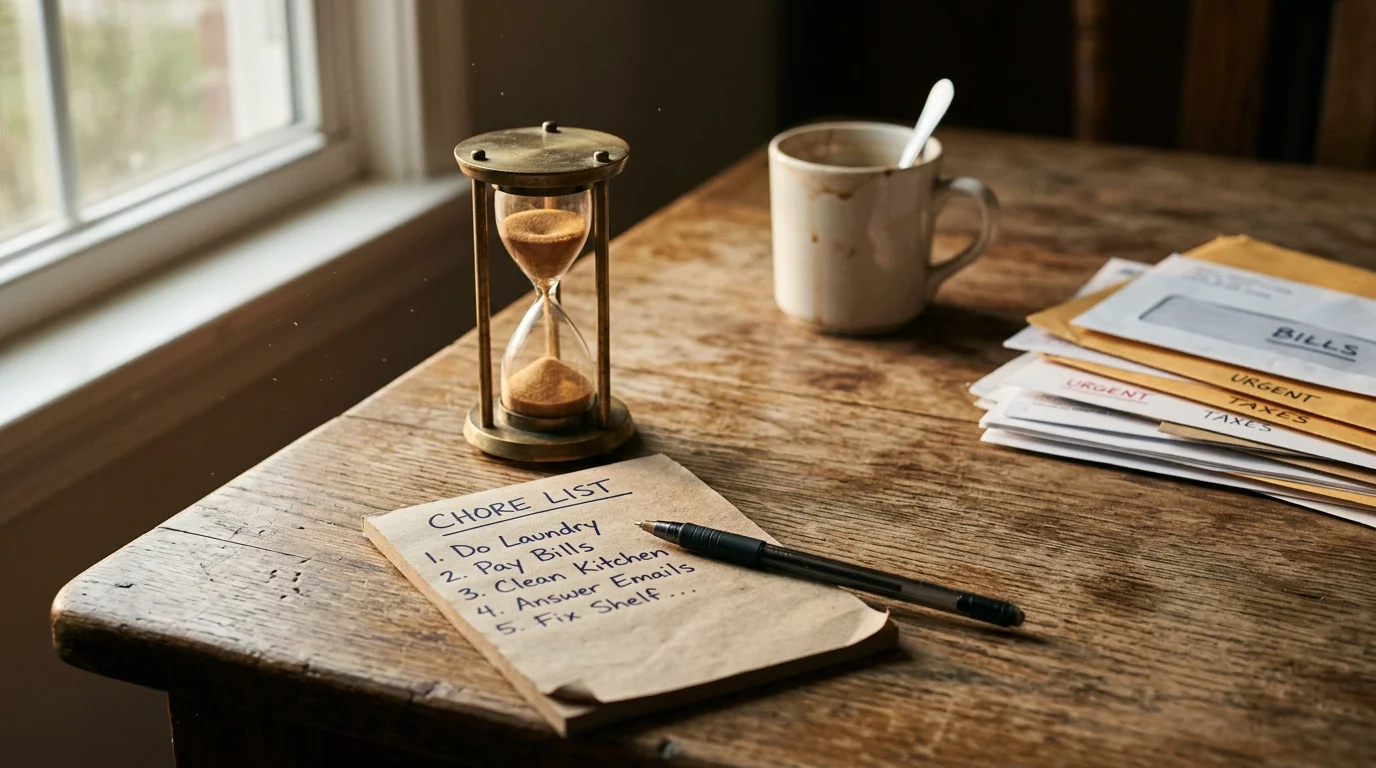
An hourglass, a chore list notepad with a pen, a coffee mug, and a stack of mail on a rustic wooden desk.
Watch for deliberate procrastination and sloppy work when people silently protest tasks they secretly resent.

2. Strategic Inefficiency and Intentional Delay

When passive-aggressive individuals agree to a request they secretly resent, they rarely say “no” outright. Instead, they use strategic inefficiency, deliberate procrastination, or sloppy work to express their protest without risking an immediate argument.

A 2022 workplace study conducted by Go1 and OnePoll surveyed 2,000 employed adults and found that 70% experienced passive-aggressive behavior at work, with 64% encountering it at least once a week. Crucially, 71% of respondents reported that exposure to passive aggression caused them to reduce their workplace output to the bare minimum. When a partner repeatedly promises to fix a leaky faucet but leaves it undone for months, or a colleague turns in a vital report late and filled with errors, they are using compliance paired with poor performance to vent their frustration.


Pages: 1 2 3 4 5 6 7 8 9 10 11 12 13 14 15

Share this article

Facebook Twitter Pinterest LinkedIn Email

3 responses to “6 Signs Someone Is Being Passive-Aggressive With You”

  1. Scott says:
    October 8, 2026 at 12:53 pm

    This was written by a people person. People people are driven entirely by their emotionality. They project that everyone else is, too.

    I’m probably one of the most passively aggressives on the planet. But I don’t move or communicate this way because I’m emotional. I’m probably one of the least emotional people on earth. Thus, I don’t operate this way because I’m angry, resentful, etc.

    I’m passively aggressive because It is a very efficient and effective way for me to achieve my personal goals. I avoid conflicts because they reduce my efficiency and (probably) my effectiveness. My preferred move is to ignore the other guy. If that doesn’t work, then I’ll walk around him (detour). If he corners me into a confrontation, I’ll smoke him so fast that he won’t see it coming. Then I can resume achieving my personal goals. I don’t fear confrontation. Fear is an emotion.

    Obviously, I’m an asocial. Almost never do I need something from the other guy. But the other guy, if he is a people person, badly needs from others (e.g., validation). I self validate. Therefore, I have no use for (status) negotiation. Usually the other guy has nothing of value to offer me in negotiation, other than his anger avoidance – and that is worth nothing at all to me. In fact, if other guy is attempting to sabotage me, enabling his anger (pushing his buttons passively aggressively) clouds his mind with emotionality, and that makes it easier for me to thwart his sabotage attempts.

    Reply
  2. Ron Urrutia says:
    October 8, 2026 at 4:19 pm

    This is not a good explanation of Passive/Aggressive bx. Passive/Aggressive bx is displayed by latent angry people who are passively angry and their pay back passivity towards others is their way of getting back at them. This communication style is Indirect and dishonest bc they’ve been misunderstood/unheard in Life and this unfortunately works for them.

    Reply
  3. Joseph W Carroll says:
    October 9, 2026 at 10:10 am

    In my opinion, there is no such thing as “Passive Aggressive.” Either someone is aggressive or they’re not. ALL people have emotions and are entitled to their feelings. That is an absolute fact! I discovered a very long time ago that I cannot control what others feel or think, nor should I even remotely attempt to. That’s called manipulation. I have worked with countless people that just don’t like me for whatever reason, and I’m fine with that. Those people are not important to me in my life. I have to ignore it and simply move on with my life and what is important to me. When I proverbially write a person off and mentally walk away from them, that’s the end of how I think of them. What I have discovered about myself over the decades of my existence is that the only person that I can control or really be concerned about is myself. I care for and about my family and those that are truly in my life. But other than that, my attitude is you do you. Goodbye.

    Reply

Leave a Reply Cancel reply

Your email address will not be published. Required fields are marked *

Search

Latest Posts

  • Illustration of a woman carefully balancing a tall, precarious stack of teacups while walking through a busy city square. 10 Behaviors Linked to Caring Too Much About Others’ Opinions
  • A man leans back against a yellow cinder-block wall with his eyes closed beside bags in a concrete stairwell. 11 Behaviors That Mask Deep Sadness
  • Cross-section illustration of a two-story home, showing a woman cooking and a faint, transparent figure on the sofa. 12 Behaviors Linked to Childhood Emotional Neglect
  • Illustration of a walking businessman with a cutaway view revealing intricate brass clockwork gears and steam inside. 11 Signs of Hidden Anxiety
  • A man unloads groceries from an open car trunk while a woman watches him in a gravel driveway outside a house. 7 Signs Someone Is Avoiding a Hard Conversation
  • Man holding a shopping list looks up thoughtfully beside grocery store shelves filled with pasta boxes. 10 Signs Your Memory Is Affected by Stress
  • A man holding a clipboard and multimeter inspects an open electrical breaker panel in a workshop. 10 Signs You're a Natural Problem Solver
  • A man sits behind the steering wheel of a car parked outside a lit suburban house on a rainy evening. 12 Behaviors Linked to Family Gathering Anxiety
  • Man in a long winter coat standing in snow, looking at a brightly lit house decorated with Christmas lights. 8 Signs You're Dreading the Holidays for Deeper Reasons
  • A multigenerational Black family sits in wooden chairs around a glowing outdoor fire pit having a discussion at dusk. 9 Family Conversations to Have at Thanksgiving

Newsletter

Get the latest posts delivered to your inbox.

Related Articles

Name Change After Divorce

5 Reasons to Change Your Name After Divorce

Should You Change Your Name After Divorce? If you’ve been married for long, the transition…

Read More →
things narcissists do after a breakup, men say no to intimacy

Evil but Common Things Narcissists Do After a Breakup

Empty promises regarding their change No, don’t fall for that! If you’ve been in the…

Read More →

8 Ways of Rejecting Someone You’re Not Into (And Still Be Nice)

While it can be very upsetting to get rejected by the person you like, it’s…

Read More →
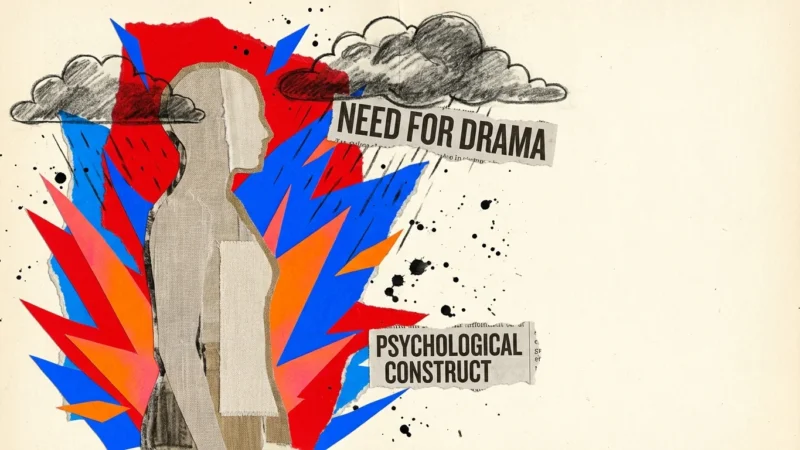
A mixed media collage showing a calm silhouette surrounded by jagged, colorful paper cutouts and ink splatters, representing chaos.

7 Signs Someone Loves Drama More Than Peace

Learn the 7 psychological signs someone loves drama more than peace, and discover actionable strategies…

Read More →
dream about your ex dreams

7 Intriguing Reasons You Dream About Your Ex

Do you dream about your ex? When I first got into my first serious relationship,…

Read More →

10 Things Women Do Behind Closed Doors

4. Spend a lot of time in the bathtub… …to get rid of all that…

Read More →

10 Ways in Which Stress Can Damage Your Relationship

Stress is a word that defines most people’s lives right now. So no, you’re not…

Read More →

11 Worst Things You Could Possibly Do Behind Closed Doors

5. Talking too much  Everyone is concerned about what is going to happen in the…

Read More →
signs of childhood trauma

5 Warning Signs of Childhood Trauma in Adult Life

Can we identify the signs of childhood trauma in adult life?  In recent years, people…

Read More →

Psychology Diary

The First Step Toward Change Is Awareness

Inedit Agency S.R.L.
Bucharest, Romania

contact@psychologydiary.com

Explore

  • About Us
  • Advertiser Disclosure
  • Contact Us
  • Disclaimer
  • Do not sell my personal information
  • Editorial Policy
  • Frequently Asked Questions
  • Privacy Policy
  • Terms and Conditions
  • Subscribe
  • Unsubscribe

Categories

  • Expert Tips
  • Family
  • Life
  • Marriage
  • Mental Health

© 2026 Psychology Diary. All rights reserved.