

What does “attachment” mean?
You probably think a lot about the fact that “we need to belong” because it’s in human nature, and believe it or not, many psychologists say that this is the main force that drives human nature. We look to connect with others; we want relationships that can fulfill our needs; we seek support and comfort from others, but we forget that first of all, we must be happy with ourselves, and only after that can we develop healthy connections with other people.
This has its roots in our childhood, when every attachment style developed. Some of us were needy and very attached to our parents, while others were a bit distant, and they didn’t even notice when their mom left the room. Interesting, right?
Since it’s very important to learn how to confront your concerns, establish a more securely connected way of interacting with others, and create stronger, healthier, and more satisfying relationships, we will go through what attachment styles are and how to recognize them.
Ambivalent or anxious-preoccupied attachment style
This attachment style is happening due to inconsistent parenting. Because of this inconsistency, the youngster may find it challenging to interpret the meaning of their parents’ actions and what kind of response to anticipate in the future. Since the caregivers’ actions are contradictory, the child may become confused about his or her relationship with them.
Do you feel clingy and anxious when you’re in a committed relationship? People with an anxious attachment style have low self-esteem, are afraid of rejection, and are jealous every time another person wants to talk with their partner.
Of course there is nothing wrong with craving a bit of attention from your significant other, but some people who have this attachment style tend to overwhelm others. And in most cases, a partner like this will be afraid of losing their “better half,” and they can’t imagine living alone.
It may feel like you are always riding an emotional roller coaster if you have an insecure attachment style, which can be exhausting. Many people who have this kind of attachment aren’t very content or happy with their lives.
They also have frequent mood swings since they don’t feel confident and attractive in their partner’s eyes. Various studies have shown that people with this type of attachment can become secure only if they have the full support of their partner, while seeing a therapist might also help.

Disorganized / Fearful-Avoidant attachment style
Because it is most common in people who have had a traumatic childhood or who have been physically or verbally abused by their parents, this is by far the most difficult type of insecure connection. Instead of being the primary source of security, their parents become the primary source of anxiety. Children like this are afraid to express their feelings and emotions for fear of being beaten or mocked by one of their parents.
People in this kind of relationship struggle to trust others and exhibit exceedingly inconsistent behavior as adults. While they want to have a connection with someone, they also have the fear of rejection, which eventually will hurt their feelings. Somehow, this resembles what they’re used to from childhood, when one or both parents were aggressive and dismissive.
Furthermore, people who have this type of attachment are afraid of intimate connections, and they tend to reject their partners very often. Disorganized adults may also experience depression, borderline personality disorder, or other mental illnesses, including substance abuse. Unfortunately, without appropriate care and medication, this kind of attachment cannot be altered, and the whole procedure will be difficult.
Avoidant / Dismissive attachment style
Do you know that some people want to raise their children to be independent and tough? That’s why they tend to forbid any expression of feelings and emotions in front of others. From the outside, these kids may seem secure and self-sufficient, but on the inside, they will grow with no interest in feelings or any type of connection to other human beings. And here we are talking about both friendships and romantic relationships.
Adults with an avoidant or dismissive attachment style aren’t able to maintain a healthy relationship or build something in the future. They also have a high sense of self-worth and a favorable opinion of themselves. The dismissive or avoidant personality type has a tendency to think that a relationship is not necessary in order to feel full because, in most cases, they are feeling good by themselves.
As an avoidant person, you don’t want to rely on others, have others rely on them, or look to social relationships for support and acceptance. Adults who exhibit this attachment pattern typically shy away from emotional intimacy. When confronted with a scenario that can be emotionally intense, they also frequently conceal or suppress their emotions.
This is one of the most common types of connections and is frequently seen in conjunction with the first type of anxious connection.

Secure Attachment
This is probably the least common type of connection, and everybody aims to achieve this level of confidence. There are some people who are able to have it, either because they were born in a healthy environment, the person gained it naturally, or it happened only after months or years of psychological therapy.
In contrast to all the attachment styles mentioned above, this one implies that a person is very comfortable expressing their emotions and feelings without the fear of being rejected. Furthermore, these people’s relationships are based on a true connection, tolerance, honesty, and emotional closeness.
Having a balanced sense of closeness and intimacy without avoiding or becoming pathologically dependent on these feelings is a sign of safe attachment and love in a partnership. If you haven’t experienced a secure attachment during your childhood years, don’t be afraid! You aren’t doomed to a life full of uncertainty and toxic relationships because everything can be fixed, and it’s never too late to find a therapist who can help you develop healthy traits.
How can I change my attachment style?
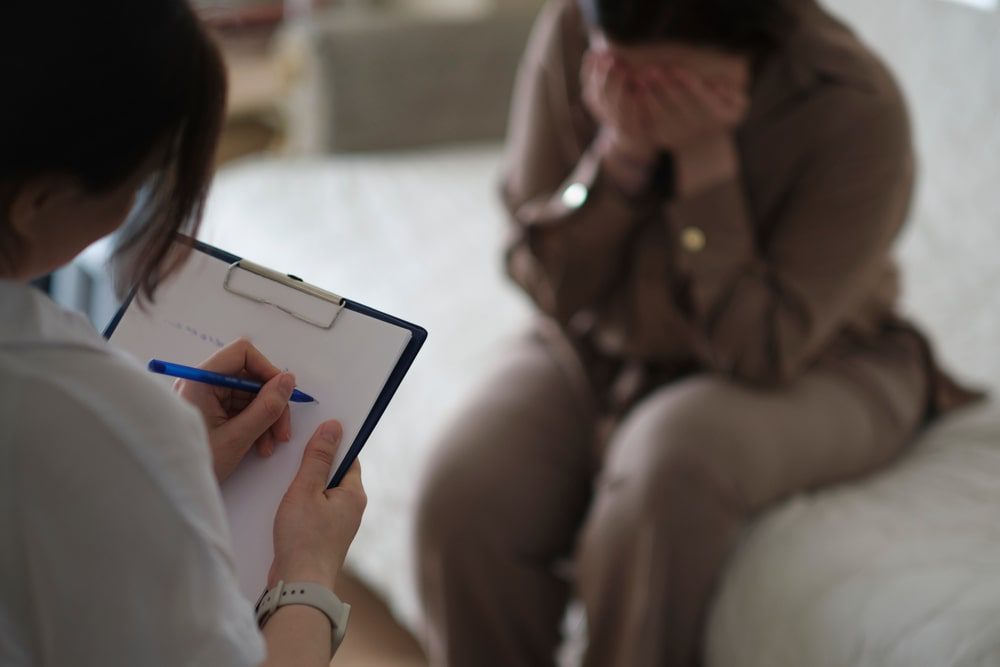
You can overcome mental health issues with the assistance of a therapist, enabling you to actively participate in your relationships and create a healthy lifestyle. They can help you acknowledge your type of attachment, and after that, how can you improve and evolve. Start with small steps and address all the childhood concerns in therapy.
You can process and identify all of the past events that triggered your attachment style with professional assistance, so they no longer affect your present. Know that you can fill in the gaps and create a loving and healthy relationship with yourself if you are one of the 45% of people who did not acquire a solid attachment throughout childhood.
Remember that everything starts with your self-esteem! You must focus on your strengths and learn to appreciate yourself for the person you are. Good luck on your journey of self-discovery!
If you’re new here, don’t forget to subscribe to our page! We have plenty of useful articles that may help you find the best version of yourself! If you’re looking for more articles on this subject, we recommend you read THIS one too. …psst! and don’t forget to leave a comment.







Leave a Reply