
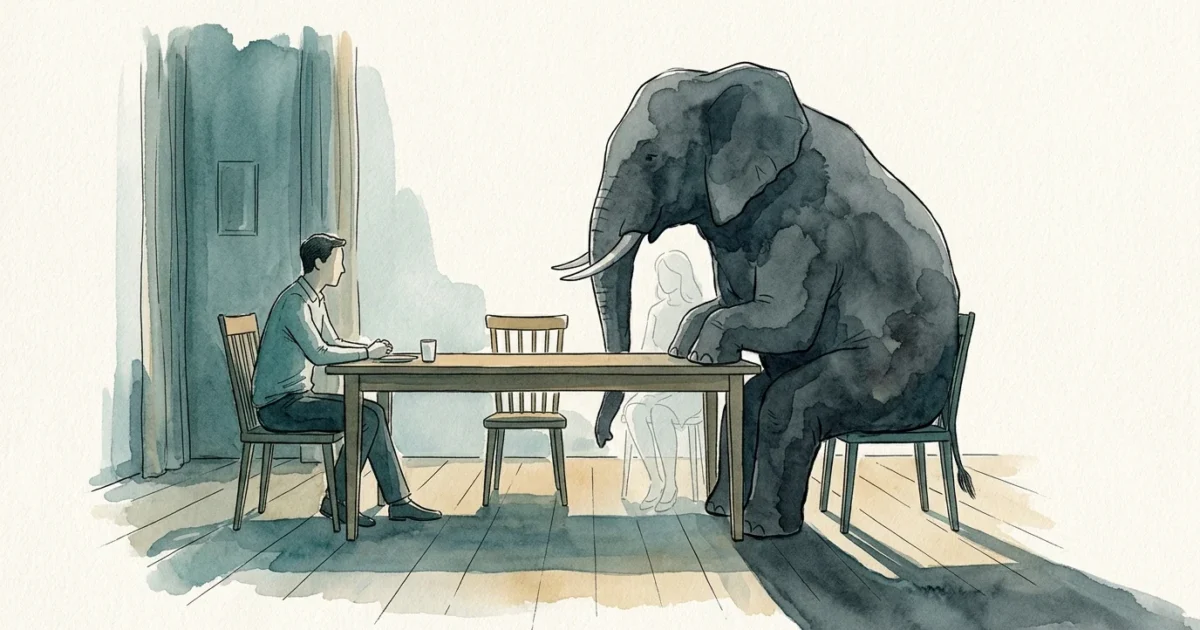
Avoiding an uncomfortable conversation drains your mental energy long before you ever utter a word. When an unaddressed conflict looms, your brain treats interpersonal tension like an active threat, triggering subtle defense mechanisms designed to protect you from short-term discomfort. However, sidestepping necessary discussions rarely preserves peace; instead, it breeds chronic resentment, emotional detachment, and physical stress. Recognizing the psychological patterns of avoidance allows you to regain control over your relationships and emotional well-being. Here are eight unmistakable signs you are dodging a tough talk, the psychological mechanisms fueling your hesitation, and actionable strategies to address challenging topics with clarity and confidence.
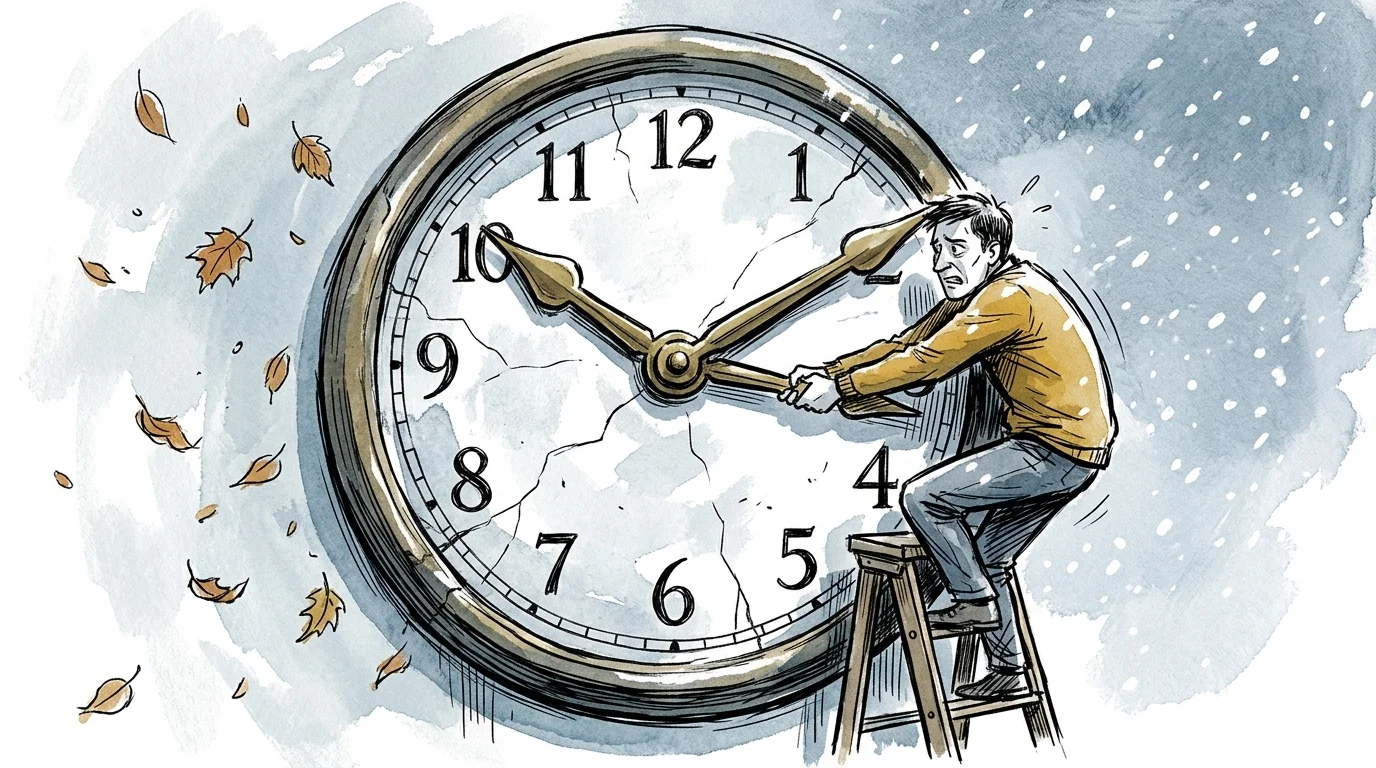
1. Chronic Procrastination Masquerading as “Waiting for the Right Time”
You tell yourself that tonight is not ideal because your partner had a stressful workday, or that bringing up a salary discrepancy during a quarterly review will derail team morale. While basic emotional intelligence requires reading the room, perpetually waiting for the “ideal moment” is one of the most common signs of conflict avoidance. In psychological terms, this rationalization functions as an ego defense mechanism: you reframe your avoidance as empathy or diplomacy, allowing you to sidestep guilt while postponing necessary discomfort.
Research published by the American Psychological Association indicates that avoidance coping often compounds anticipatory anxiety; the longer you delay an inevitable confrontation, the more threatening the scenario appears in your mind. If you find yourself consistently moving the goalposts—promising you will speak up next weekend, after the holidays, or once a project wraps up—you are not timing the conversation strategically. You are simply dodging it.
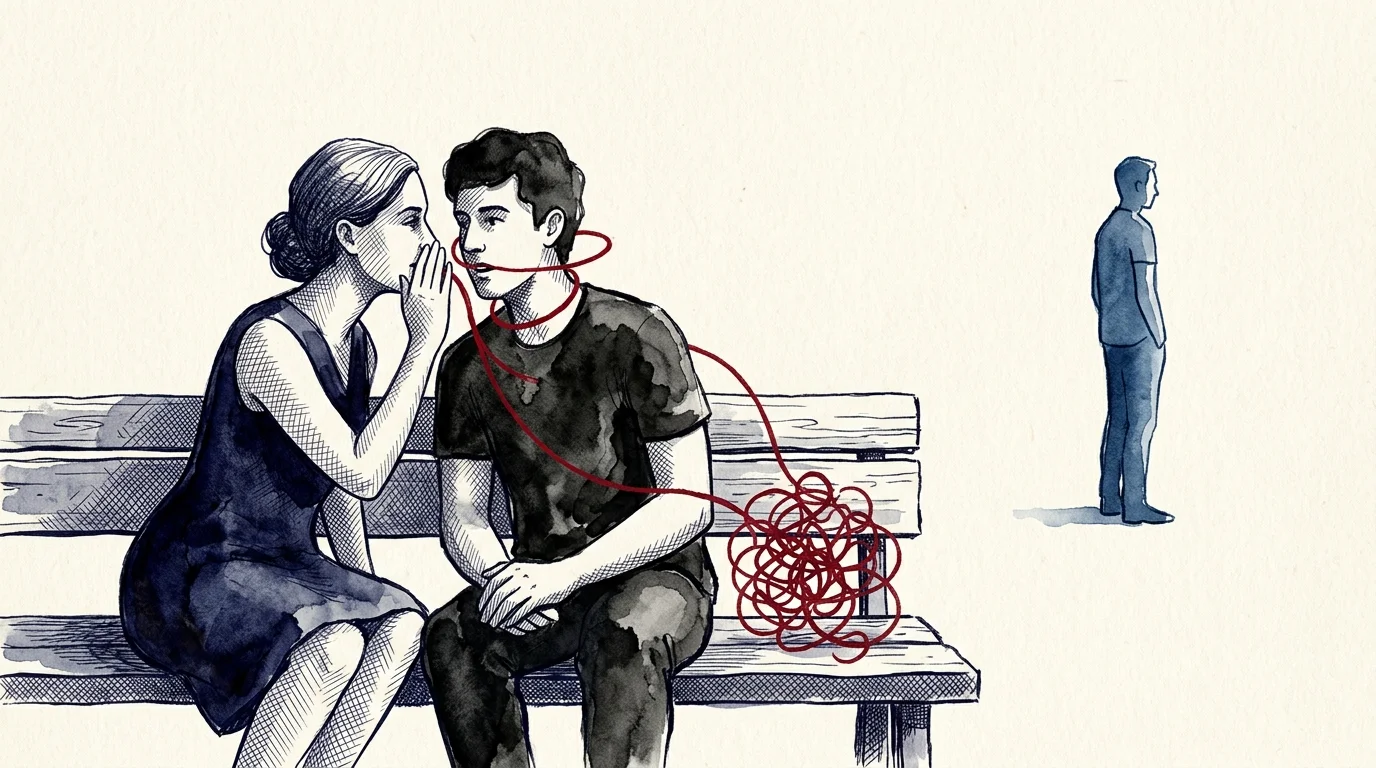
2. Triangulation: Venting to Everyone Except the Person Involved
When you feel frustrated by a colleague, friend, or partner, do you immediately call a third party to vent? In family systems theory, this dynamic is known as triangulation. By introducing an outside person into the relational tension, you temporarily discharge emotional pressure without addressing the root cause of the friction. Venting provides a short-term release of dopamine and validation, creating the illusion that you have dealt with the issue when you have merely displaced it.
While seeking objective perspective can help you clarify your thoughts, habitual venting keeps you trapped in communication avoidance patterns. According to relationship insights from Psychology Today, discussing grievances with bystanders rather than the source creates relational gossip, erodes trust, and prevents genuine conflict resolution. If your friends know the exact details of your grievance while the person responsible remains entirely in the dark, you are actively avoiding the real conversation.

3. Somatic Symptoms and Physical Tension Around Specific People
Your nervous system frequently registers interpersonal stress before your conscious mind acknowledges it. When you suppress the desire to speak your truth, your body internalizes that unresolved tension. You might notice a tight jaw, a knot in your stomach, shallow breathing, or sudden tension headaches whenever a particular person enters the room or calls your phone.
Clinical data highlighted by Harvard Health demonstrates how chronic emotional suppression activates the sympathetic nervous system, releasing cortisol and adrenaline as though you were under physical threat. If your body enters a state of hyperarousal or physical fatigue around someone with whom you have unresolved business, your physiology is signaling an emotional logjam that demands verbal resolution.

4. Excessive People-Pleasing and Over-Accommodating
When you fear that asserting a boundary will spark a confrontation, you may instinctively pivot to appeasement—a behavioral response often referred to as “fawning.” You laugh off inappropriate jokes, agree to work assignments you do not have the bandwidth to complete, or enthusiastically endorse social plans you secretly dread. This dynamic creates a false sense of relational harmony at the expense of your internal integrity.
Over-accommodation serves as a protective shield: if you make yourself agreeable, indispensable, and constantly pleasant, you believe you can insulate yourself from the friction of a direct confrontation. However, this pattern inevitably produces deep-seated resentment. Every time you say yes to avoid a difficult discussion, you say no to your own emotional boundaries, quietly damaging the authenticity of the relationship.
“Clear is kind. Unclear is unkind. Feeding people half-truths or bullshit to make them feel better (which is almost always about making ourselves more comfortable) is unkind.” — Brené Brown, Ph.D., LMSW
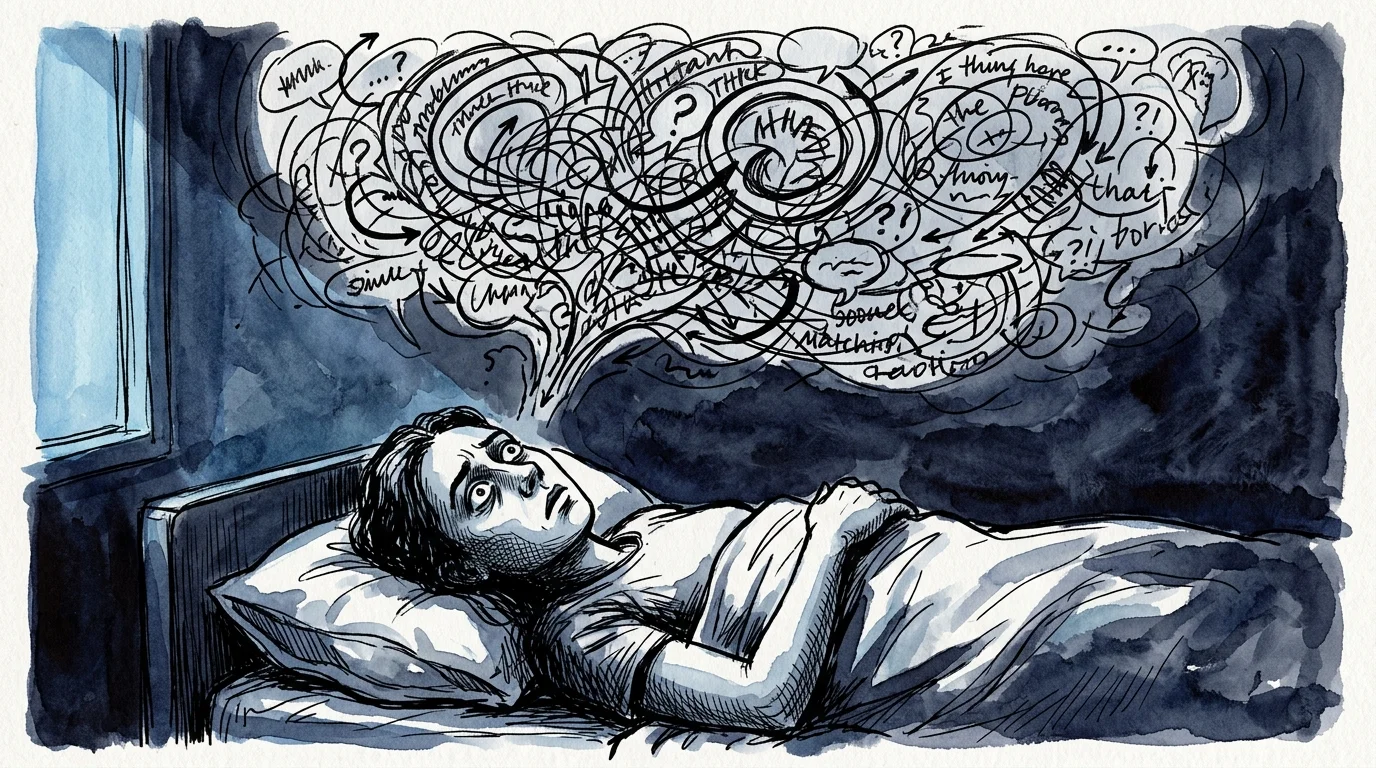
5. Rehearsing Exhausting Mental Arguments That Never Happen
Do you spend your morning commute, shower time, or sleepless nights scripting elaborate arguments with someone in your life? You anticipate their every retort, formulate brilliant rebuttals, and experience the physiological surge of a high-stakes debate—all within the confines of your own imagination. This cognitive loop, known as anticipatory rumination, consumes massive amounts of mental bandwidth while producing zero external results.
Rumination occurs because your brain seeks resolution for an unfinished emotional task—a phenomenon tied to the Zeigarnik effect, which notes that the human mind holds onto uncompleted tasks with heightened intensity. Rehearsing these imaginary confrontations provides a false sense of preparation, but without real-world communication, it only reinforces hostility and amplifies your fear of the actual interaction.

6. Passive-Aggressive Leakage and Sarcasm
Unspoken emotions rarely stay buried; instead, they leak out sideways. When you consciously or unconsciously refuse to express direct dissatisfaction, your frustration manifests through subtle behavioral jabs: heavy sighing, weaponized sarcasm, backhanded compliments, deliberate sluggishness, or withholding affection.
Passive aggression is conflict avoidance disguised as subtle hostility. It allows you to express anger while maintaining plausible deniability if challenged (“I was just joking” or “Nothing is wrong, I am just tired”). However, researchers at The Gottman Institute have demonstrated that passive-aggressive withdrawal and underlying contempt rank among the most destructive communication patterns in any relationship, eroding emotional safety far faster than an honest, respectful argument ever could.

7. Emotional Withdrawal and Shifting to Surface-Level Chit-Chat
A sudden transition from intimate, transparent dialogue to strictly transactional conversation is a hallmark sign of relational avoidance. You might find yourself discussing the weather, household chores, or logistics with a partner while carefully dodging any topic that touches on emotional connection, future planning, or shared values. In professional settings, this looks like sticking exclusively to email threads and evading one-on-one check-ins.
By keeping all interactions strictly superficial, you construct an emotional buffer zone. This “polite chill” protects you from the vulnerability required to bring up contentious subjects, but it simultaneously hollows out the relationship. Over time, the emotional distance becomes wider and harder to bridge than the original issue you wanted to avoid.

8. Productive Distraction and Manufactured Busyness
Have you ever found yourself suddenly compelled to scrub your baseboards, reorganize your digital file system, or take on extra projects at work precisely when you know an uncomfortable talk is overdue? This behavior is known as productive procrastination or functional avoidance. By keeping yourself perpetually occupied with practical tasks, you generate a socially acceptable excuse to evade emotional labor.
Productive distraction tricks you into feeling accomplished while leaving the relational elephant in the room entirely untouched. You convince yourself that you are simply too busy to sit down for a serious discussion; in reality, you are using busyness as a behavioral anesthetic to numb the discomfort of impending confrontation.
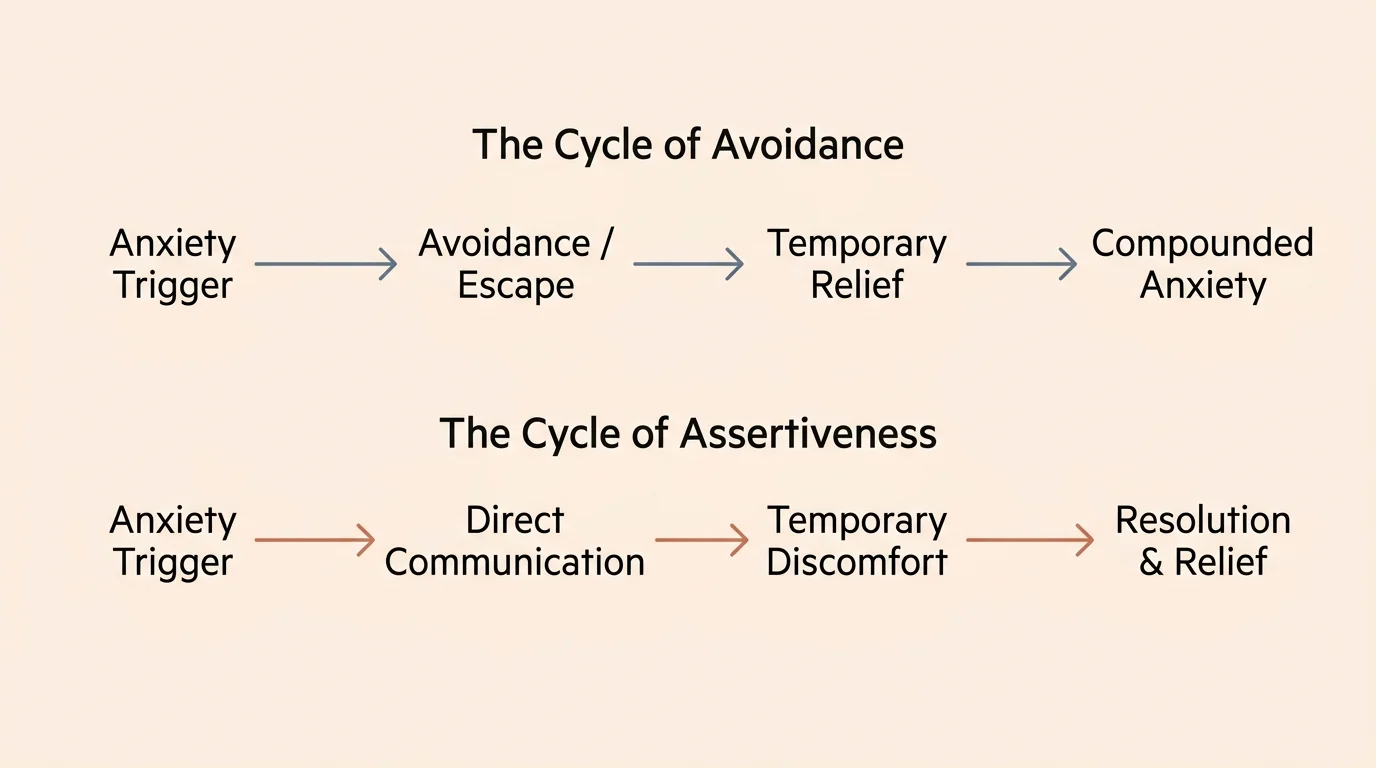
Communication Styles Compared: Avoidance vs. Assertiveness
Understanding where your habits fall on the communication spectrum helps you identify areas for growth. The table below outlines how different approaches manifest in interpersonal interactions.
| Communication Style | Primary Motivation | Common Behavioral Patterns | Relational Impact | Internal Emotional Cost |
|---|---|---|---|---|
| Avoidant / Passive | Prevent immediate tension and maintain short-term peace | Silence, changing the subject, fawning, productive distraction | Emotional drift, superficial connection, unresolved issues | Resentment, chronic anxiety, somatic tension |
| Passive-Aggressive | Express anger without taking direct accountability | Sarcasm, eye-rolling, procrastination, weaponized silence | Erosion of trust, mutual confusion, escalating hostility | Bitterness, guilt, chronic frustration |
| Aggressive | Dominate the conversation and force compliance | Interrupting, blaming, shouting, invalidating the other party | Fear-based compliance, defensiveness, relational rupture | Isolation, remorse, high interpersonal conflict |
| Assertive | Address reality directly while respecting both parties | Clear requests, active listening, steady boundaries, emotional regulation | Deepened trust, collaborative problem-solving, mutual respect | Clarity, emotional relief, personal agency |
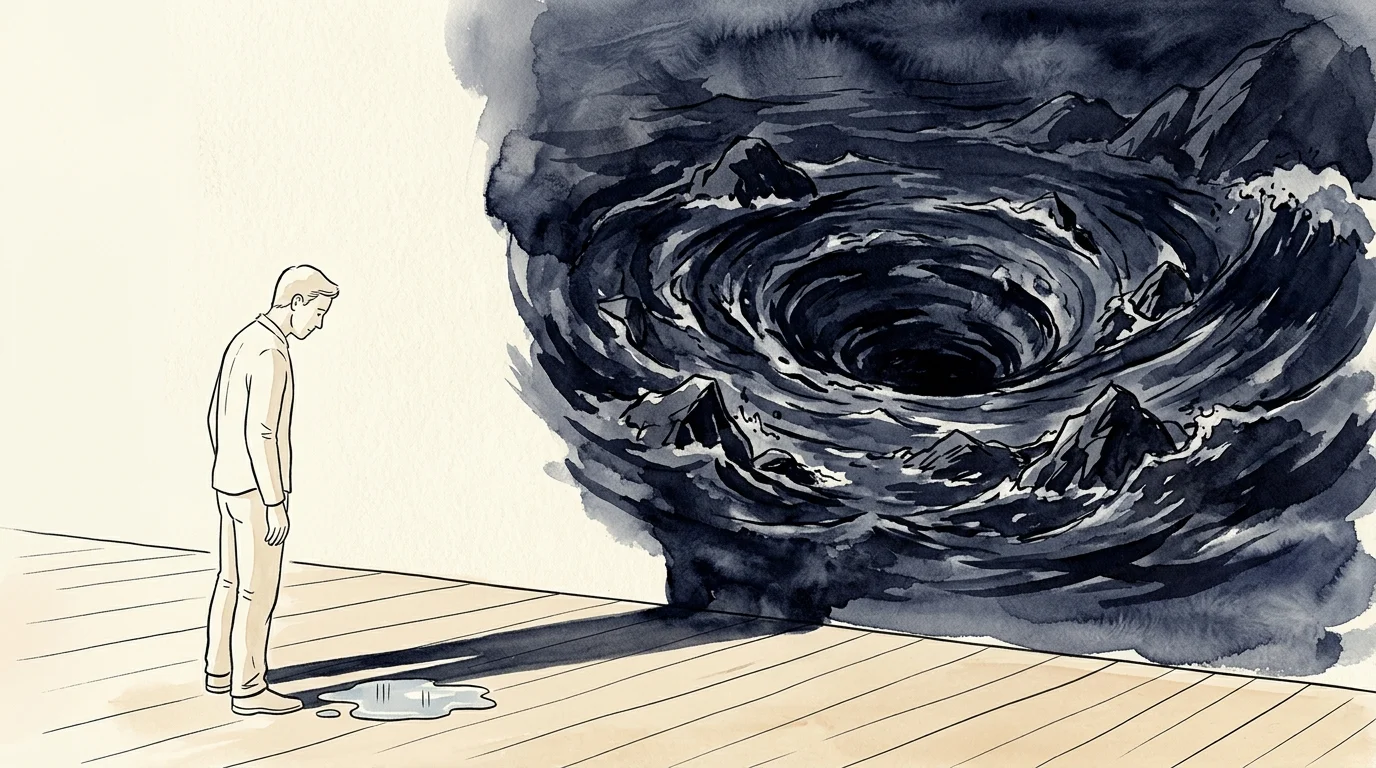
Common Misconceptions About Conflict and Difficult Talks
Many communication avoidance patterns stem from deeply ingrained myths about what conflict actually means. Dismantling these false assumptions is critical for shifting into healthier dialogue patterns.
- Misconception 1: “Bringing this up will ruin our relationship.” Many people assume that introducing conflict damages a connection. In reality, unexpressed grievances and covert resentment destroy relationships far more consistently than candid, respectful discussions. Healthy relationships are not defined by the absence of conflict, but by the ability to navigate rupture and repair.
- Misconception 2: “If I wait, the problem will resolve itself.” Time rarely heals relational misunderstandings without active engagement. Left unaddressed, interpersonal friction tends to calcify into permanent resentment and cognitive bias, causing you to interpret future interactions through a lens of suspicion.
- Misconception 3: “If they really cared, they would already know what is wrong.” Expecting others to read your mind or interpret your subtle emotional withdrawals is an unfair expectation that guarantees disappointment. Clear communication is your responsibility; assuming others share your perspective without explicit dialogue generates unnecessary friction.
- Misconception 4: “A productive conversation requires both people to agree.” A successful difficult conversation does not always culminate in total agreement. The primary goals are understanding, mutual clarity, and establishing clear boundaries. You can reach a constructive resolution while acknowledging differing viewpoints.
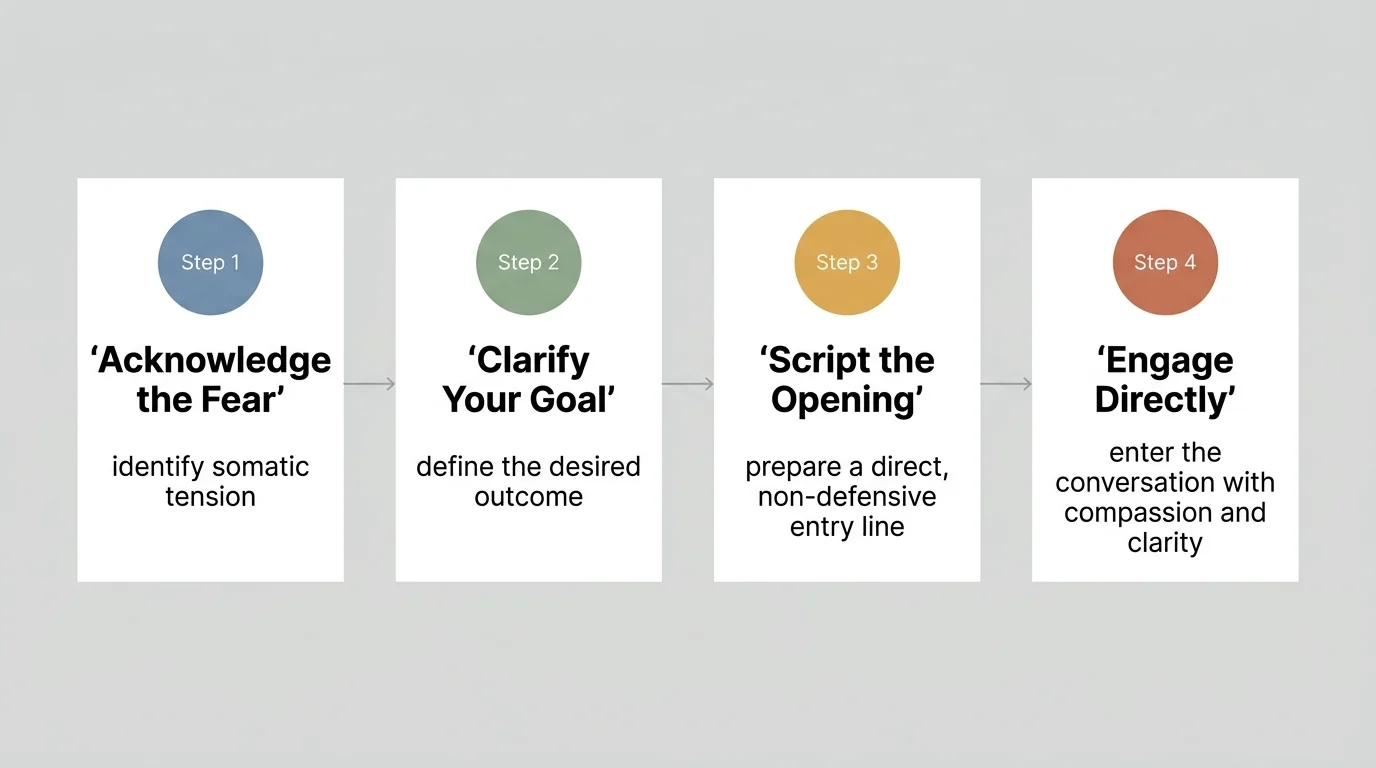
How to Transition from Avoidance to Action: A 4-Step Framework
Moving past conflict avoidance requires practical tools to regulate your nervous system and structure your thoughts before initiating the conversation. Use this evidence-informed framework to navigate challenging discussions effectively.
- Clarify Your Core Objective: Before speaking, ask yourself what you genuinely want to achieve. Are you seeking behavioral change, an apology, a boundary, or simply to share your experience? Discard the desire to “win” or prove the other person wrong, and focus instead on mutual clarity.
- Regulate Your Nervous System First: You cannot communicate clearly when stuck in a fight-or-flight response. Practice slow, extended diaphragmatic exhalations or a brief walk before starting the discussion. Entering the room with a calm nervous system significantly reduces the likelihood of triggering defensiveness in the other person.
- Use a “Soft Startup”: Research from marital psychology underscores the importance of the first three minutes of a conversation. Avoid accusatory “you” statements (e.g., “You never help around here”). Instead, frame the discussion around objective observation, your personal experience, and a specific request: “When [observable behavior happened], I felt [specific emotion], and I need [clear request for the future].”
- Stay Grounded During Pushback: Expect the other person to experience an initial flash of surprise or defensiveness. Do not match their emotional escalation. Acknowledge their perspective with phrases like “I hear that you see it differently” while remaining anchored to your core point.

Finding the Right Professional Help
While self-awareness and communication frameworks resolve many everyday conflicts, certain relational dynamics require clinical intervention. Professional therapy provides a structured, neutral space to dismantle entrenched avoidance patterns.
Consider seeking the guidance of a licensed marriage and family therapist (LMFT), psychologist, or counselor if you experience any of the following scenarios:
- Severe Trauma or Fear of Retaliation: If bringing up boundaries or grievances triggers intense panic, flashbacks, or genuine concerns for your psychological or physical safety, specialized individual trauma therapy (such as EMDR or somatic therapy) is essential.
- Chronic Stonewalling in Close Relationships: When one or both partners completely shut down, walk out, or refuse to engage in dialogue for days at a time, couples therapy can help identify the underlying attachment wounds driving the withdrawal.
- Repetitive Relational Breakdown: If you find a recurring pattern of abruptly ending friendships, jobs, or romantic partnerships whenever conflict arises, individual psychotherapy can help you explore conflict-avoidant attachment styles.
- Debilitating Somatic Anxiety: If the thought of interpersonal confrontation consistently provokes severe panic attacks, nausea, insomnia, or physical distress, professional mental health support can assist you in building distress tolerance and assertive communication skills.
Frequently Asked Questions
What should I do if the other person gets defensive or attacks me?
Maintain your emotional composure and refuse to engage in an escalating argument. You can de-escalate by saying, “I am not bringing this up to attack you; I value our connection and want us to be on the same page. Let’s take a twenty-minute break and revisit this when we both feel grounded.” Taking a structured pause allows both nervous systems to reset.
How do I know if an issue is worth addressing or if I should let it go?
Use the “Rule of Three”: if a behavior or situation has bothered you on three separate occasions, or if it occupies your thoughts for more than 48 hours, it is no longer an isolated incident that you can simply let go. If it produces recurring mental rumination or emotional distance, it warrants a clear conversation.
Can conflict avoidance be linked to childhood experiences?
Yes. Many individuals develop conflict-avoidant patterns in childhood as an adaptive coping strategy. If you grew up in a household where conflict led to volatility, explosive anger, emotional abandonment, or silent treatment, your brain learned that speaking up is unsafe. Recognizing this historical origin allows you to update your beliefs as an adult with agency.
How can I manage physical shaking or a racing heart during a tough talk?
Somatic symptoms reflect an adrenaline surge. You can manage this by planting both feet firmly on the floor, slowing down your speaking cadence by twenty percent, and taking intentional sips of water. Pausing before you speak grounds your physiology and signals safety to your nervous system.
Addressing unresolved tension requires courage, but the long-term cost of silence is far greater than the temporary discomfort of an honest discussion. By noticing your avoidance cues and taking deliberate, grounded steps toward communication, you cultivate resilience, safeguard your boundaries, and build deeper, more authentic relationships.
This is educational content based on psychological research and general principles. Individual experiences vary significantly. For personalized guidance, consult a licensed therapist, psychologist, or counselor.
Last updated: February 2026. Psychology research evolves continuously—verify current findings with professional sources.









Leave a Reply