
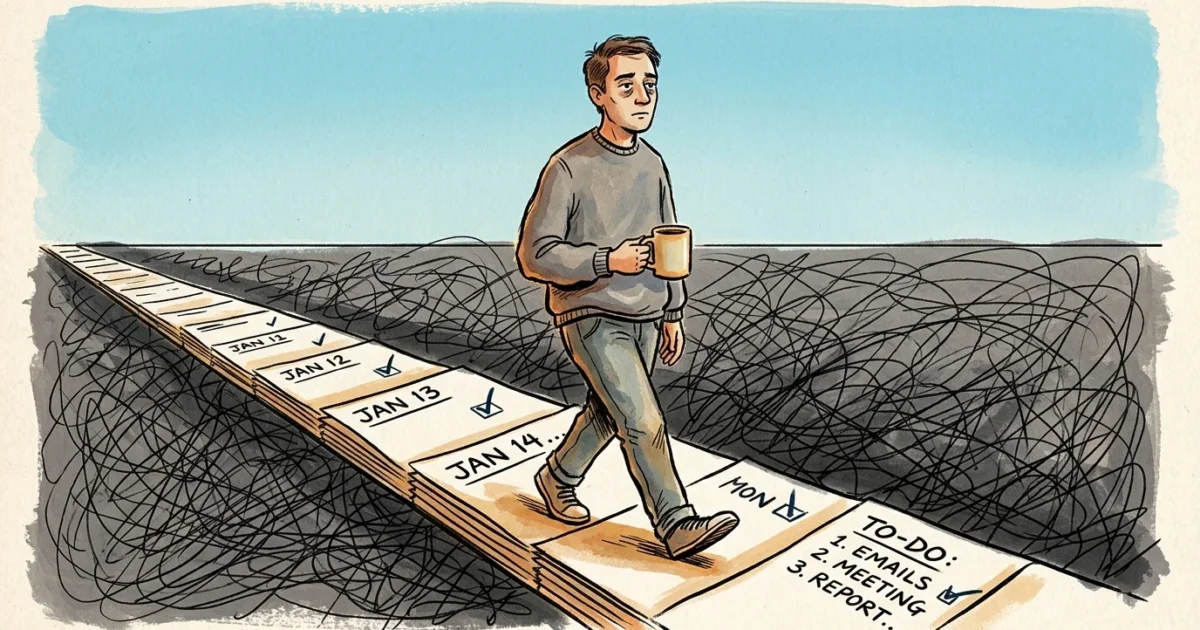
A packed calendar often masquerades as a meaningful life, leaving you exhausted rather than energized by your daily achievements. When you equate constant motion with personal growth, your nervous system remains trapped in perpetual overdrive while your deeper emotional needs go unmet. Many high-achieving adults fall into this exact trap, mistaking the adrenaline of endless task completion for genuine purpose. Distinguishing busy from meaningful is essential if you want to break free from empty productivity and cultivate sustainable joy. Recognizing the subtle psychological signs of chronic over-activity helps you reclaim your time, align your schedule with your authentic core values, and discover what true personal fulfillment really feels like.
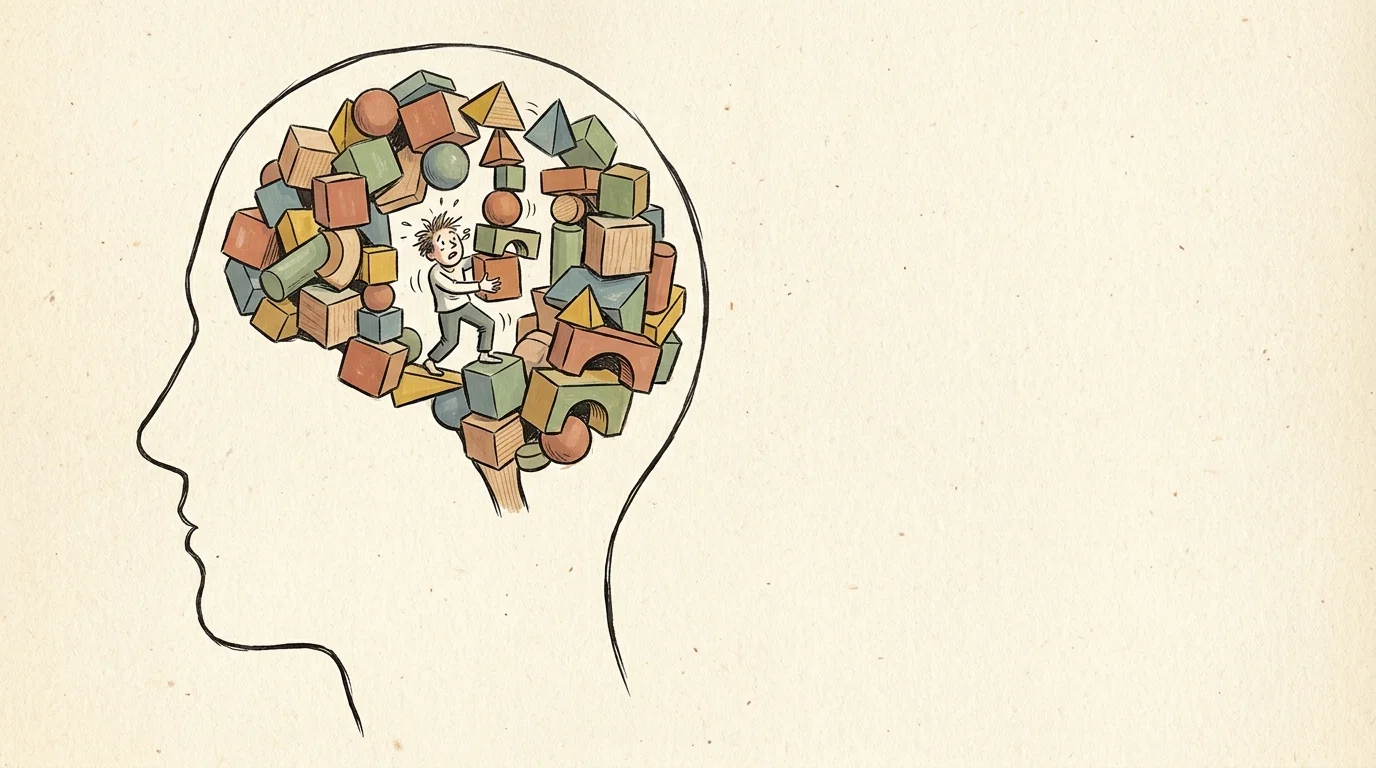
The Psychological Trap of Chronic Busyness
Modern culture frequently treats an overflowing schedule as a badge of honor. When people ask how you are doing, the reflexive response is often, “So busy, but good!” Yet beneath this cultural norm lies a profound psychological vulnerability. Behavioral scientists have identified several cognitive mechanisms that explain why you might gravitate toward perpetual motion even when it leaves you emotionally depleted.
One primary driver is what psychologists term idleness aversion. Seminal research from the University of Chicago demonstrated that humans possess a deep-seated urge to stay busy, often inventing reasons to expend effort even when the activity serves no real purpose. When given a choice between doing nothing or engaging in a meaningless task, participants chose the task—provided they had even the flimsiest justification. Activity offers a quick hit of dopamine, creating a temporary sensation of productivity that disguises underlying feelings of emptiness or aimlessness.
Furthermore, staying busy functions as a socially sanctioned defense mechanism. In clinical psychology, this behavior is known as avoidant coping or emotional numbing. When you pack every minute of your day with meetings, chores, and digital notifications, you leave zero cognitive space for unresolved grief, career dissatisfaction, or relationship strain to surface. Frantic pacing effectively drowns out existential questions that feel too daunting to confront.
According to research highlighted by the American Psychological Association, chronic over-scheduling fuels persistent sympathetic nervous system arousal. This keeps your cortisol levels elevated, narrows your cognitive flexibility, and makes it virtually impossible to access the calm, reflective states necessary to experience meaning and deep contentment.

7 Signs You’re Busy but Not Fulfilled
Confusing busyness with fulfillment rarely happens overnight. Instead, it creeps into your life through subtle habit shifts, emotional numbness, and skewed priorities. Here are the seven definitive signs that your full schedule is serving as a substitute for genuine life satisfaction.
1. Your Wins Bring Numb Relief Instead of Genuine Joy
When you complete a major project, land a promotion, or cross off the final item on your to-do list, what is your immediate internal response? If you experience a brief exhale of “Thank goodness that is over” followed immediately by anxiety about the next task, you are operating on a treadmill of empty accomplishment.
True fulfillment produces what psychologists call eudaimonic well-being—a sense of purpose, deep satisfaction, and emotional resonance that lingers long after a milestone is reached. Busyness, by contrast, relies on the brief mitigation of tension. You do not feel proud; you merely feel spared from failure for another day.
2. Unscheduled Stillness Triggers Guilt and Anxiety
Notice what happens inside your body when an unexpected hour of free time opens up. Do you sink comfortably into a chair with a book, or do you feel a creeping wave of restlessness and unease? If quiet moments make your heart race or provoke internal accusations of laziness, your nervous system has conditioned you to equate your human worth solely with measurable output.
This phenomenon, often termed “toxic productivity,” creates an internal environment where rest feels dangerous. You may find yourself compulsively checking email during vacations, organizing kitchen drawers while watching a movie, or inventing artificial emergencies just to maintain momentum.
3. You Outsource Your Self-Worth to External Metrics
When you live a fulfilled life, your sense of value stems from internal alignment: living according to your ethics, nurturing deep bonds, and honoring your creative or personal passions. When you are trapped in empty busyness, your self-worth becomes entirely contingent on external validation.
You begin measuring your value through metrics such as:
- The sheer number of emails cleared from your inbox.
- Praise from managers or clients for working outside regular business hours.
- The physical fullness of your color-coded calendar.
- Social media engagement or performative displays of hustle.
Because these external metrics require constant maintenance, you can never slow down without experiencing an acute drop in self-esteem.
4. You Are Chronically Exhausted but Emotionally Starved
There is a fundamental difference between healthy tiredness and existential burnout. Physical exhaustion after a day spent gardening, mentoring a young colleague, or creating art feels grounded and satisfying; a good night of sleep restores your vitality. But the exhaustion born from empty busyness is accompanied by deep emotional deprivation.
You crawl into bed depleted, yet you wake up feeling hollow, resentful, and uninspired. As noted by health experts at Harvard Health, chronic mental fatigue without emotional reward is one of the clearest early indicators of psychological burnout and depressive states.
5. Your Relationships Have Become Transactional and Rushed
Chronic busyness erodes empathy and presence. When your schedule dominates your identity, conversations with your partner, children, or closest friends start feeling like agenda items that need to be managed efficiently.
You may catch yourself multitasking while your spouse is speaking, rushing your kids through bedtime routines with visible irritation, or canceling dinners with friends because social engagements feel like “one more obligation.” When interactions lose their depth and become logistical exchanges, your social fulfillment plummets while your isolation grows.
6. You Operate in Constant Reaction Mode
A fulfilled life is built through intentional choices. You consciously decide where to invest your finite emotional and physical energy based on what matters most to your long-term vision. Chronic busyness, conversely, is almost entirely reactive.
You spend your days putting out fires, answering urgent pings, attending meetings you did not choose, and accommodating other people’s emergencies. You mistake rapid response times for competence. In reality, an external locus of control is running your life, leaving you with zero cognitive bandwidth to ask what you actually want.
7. You Experience the Persistent Ache of “Empty Busyness”
At the end of an eleven-hour workday, you collapse on the couch, look back over the hours that just evaporated, and realize with a sinking feeling that you cannot name a single meaningful thing you accomplished. You were in motion every second, yet nothing you touched nurtured your intellect, your soul, or the people you love.
This persistent cognitive dissonance—being utterly overwhelmed while simultaneously feeling like you are doing nothing that truly matters—is the definitive hallmark of signs you’re busy but not fulfilled.
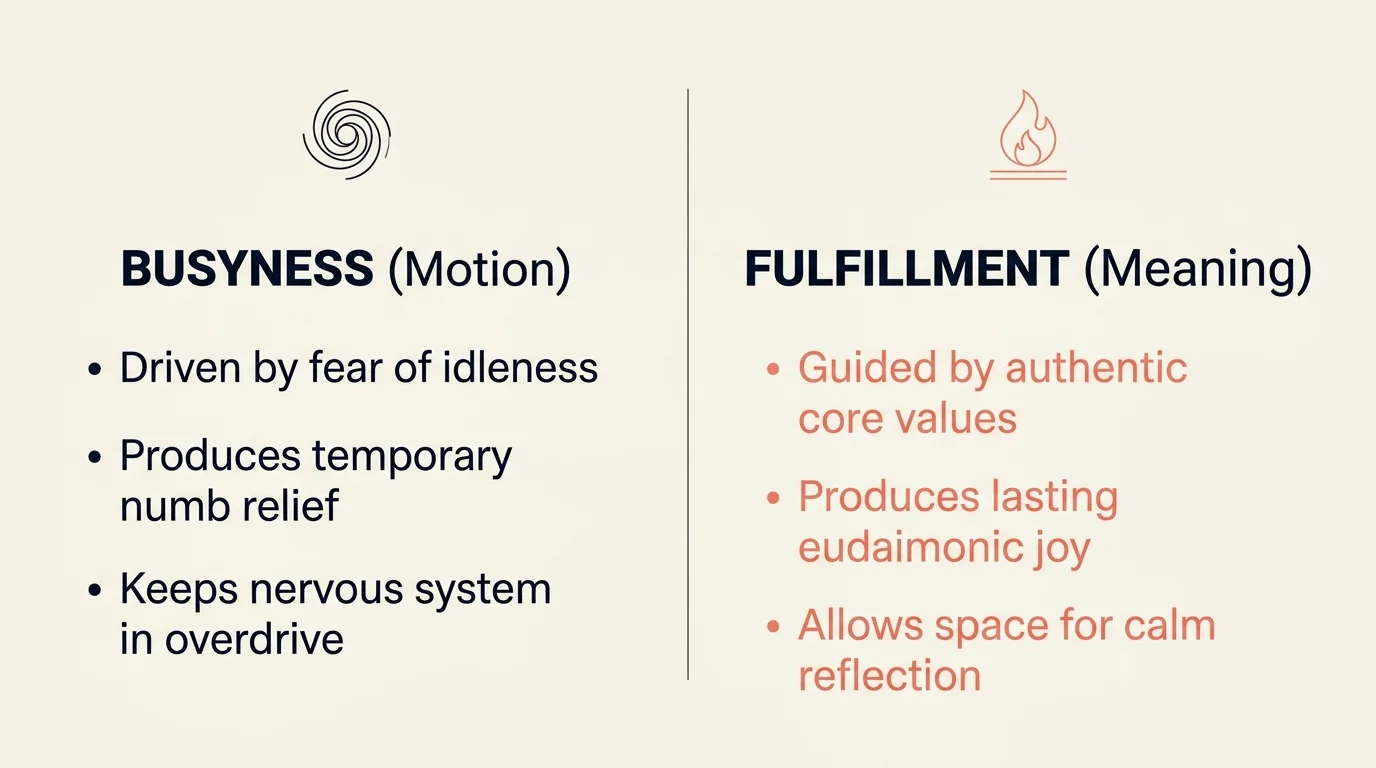
Busyness vs. Fulfillment: A Direct Comparison
Understanding the clear distinction between frantic activity and meaningful engagement helps you diagnose your daily patterns accurately. The table below outlines how these two states differ across psychological, relational, and physiological dimensions.
| Dimension | Chronic Busyness | True Fulfillment |
|---|---|---|
| Core Motivation | Fear of inadequacy, habit, avoidant coping, external validation | Personal values, authentic curiosity, purpose, connection |
| Internal State | Frenetic, reactive, hurried, constantly vigilant | Present, deliberate, grounded, emotionally resonant |
| Response to Rest | Guilt, anxiety, boredom, compulsive task-seeking | Gratitude, restoration, mental rejuvenation, ease |
| Success Metric | Volume of tasks completed, hours logged, applause | Depth of impact, personal alignment, relationship health |
| Boundaries | Porous or non-existent; defaults to saying “yes” to all demands | Clear and protected; intentional about where energy flows |
| Nervous System | Sustained sympathetic activation (fight-or-flight overdrive) | Balanced autonomic regulation (parasympathetic restoration) |
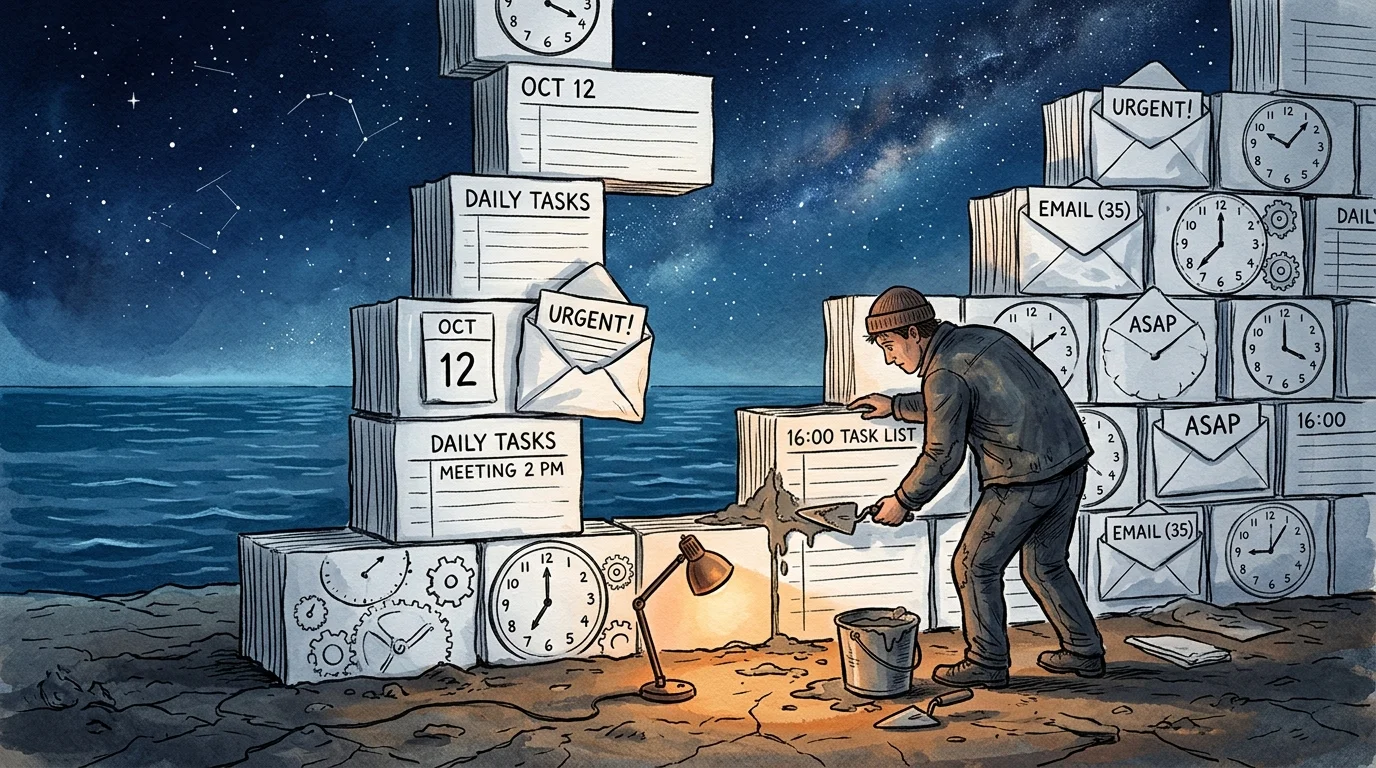
Expert Perspective: Why We Numb Through Hustle
Recognizing the urge to stay frantically occupied requires looking honestly at the uncomfortable emotions we attempt to outrun. Over-functioning is often an emotional armor designed to protect us from vulnerability.
“Crazy-busy is a great armor, it’s a great way for numbing. What a lot of us do is that we stay so busy, and so out in front of our life, that the truth of how we’re feeling and what we really need can’t catch up with us.” — Brené Brown, Ph.D., LMSW, Research Professor and Author
When you slow down, the silence forces you to confront the realities you may have been avoiding: an unfulfilling marriage, an uninspiring career path, unmet creative longings, or unhealed grief. Embracing fulfillment requires having the courage to put down the armor of busyness and sit with whatever truth surfaces in the quiet.

Common Misconceptions About Productivity and Fulfillment
To cultivate a genuinely meaningful life, you must dismantle several pervasive myths that keep high-achieving individuals trapped in cycles of chronic overwork.
Misconception 1: “A Full Schedule Means You Are Successful”
Modern culture conflates capacity with competence. Just because you can juggle twenty projects simultaneously does not mean those projects are worthy of your life energy. True success is the ability to direct your focus toward what matters deeply while calmly letting irrelevant noise fall away.
Misconception 2: “Fulfillment Eliminates Boring or Difficult Work”
Finding genuine meaning in your career or personal life does not mean every moment feels blissful. Writing a book, raising children, running a business, or mastering a skill involves repetitive, mundane, and frustrating tasks. The difference is that fulfilled individuals endure friction for the sake of a purposeful goal, whereas the chronically busy endure friction simply to avoid stillness.
Misconception 3: “Slowing Down Means You Lack Ambition”
Many people fear that stepping off the hamster wheel will cause them to lose their competitive edge or slide into apathy. In reality, deliberate pauses sharpen your strategic thinking. Some of the world’s most innovative thinkers and leaders prioritize unstructured thinking time precisely because chronic task-switching blunts executive functioning and deep creative problem-solving.
Misconception 4: “Rest Is a Reward You Earn After Finishing Everything”
Treating rest as a conditional prize guarantees you will never rest, because your to-do list will never be permanently completed. High-performing psychological health requires viewing rest as a biological requirement—the baseline fuel that makes meaningful engagement possible in the first place.

Practical Strategies: Shifting from Motion to Meaning
Transitioning from empty busyness to authentic fulfillment requires deliberate structural and psychological shifts. Use the following evidence-based practices to recalibrate your daily routines.
- Conduct a Values-Alignment Audit: For three consecutive days, track your activities in 30-minute increments. Alongside each activity, write down whether it drained your energy, maintained baseline operations, or provided deep meaning. If less than 20% of your waking hours connect to your core values, your schedule needs an intentional restructuring.
- Schedule Protected “White Space”: Block out at least 45 minutes of unstructured time on your calendar every day. Treat this block as inviolable. Use it for walking without headphones, journaling, resting, or daydreaming. When the urge to “do something productive” arises, observe the discomfort without acting on it.
- Implement the “Eudaimonic Check-In”: At the end of each workday, replace the traditional checklist review with three reflective questions:
- What gave me energy today?
- Whom did I connect with meaningfully?
- What did I do today that genuinely mattered, even if nobody noticed?
- Practice Boundary Anchoring: Create pre-determined rules that protect your life from non-essential commitments. For example: “I do not answer non-emergency emails after 6:30 PM,” or “I do not accept weekend social invitations when I have traveled for work that week.” Boundaries preserve the emotional space necessary for fulfillment.
- Differentiate Passive Numbing from Restorative Rest: Collapsing on the sofa to scroll social media for two hours is not restorative rest; it is passive numbing that often increases mental fatigue. Swap digital consumption for true nervous system resets: nature walks, gentle yoga, warm baths, or reading fiction.

Finding the Right Professional Help
While habit adjustments can resolve mild over-scheduling, chronic busyness often masks deeper psychological patterns that benefit from professional therapeutic support. Consider reaching out to a licensed mental health professional if you recognize any of the following scenarios:
- Physical Symptoms of Severe Burnout: You experience persistent insomnia, gastrointestinal distress, tension headaches, or sudden panic attacks when trying to step away from work demands.
- Deep-Seated Worth Contingency: Your self-worth is so fragile that the thought of saying “no” to a supervisor, colleague, or family member triggers overwhelming terror of rejection or abandonment.
- Busyness as Trauma or Grief Avoidance: You realize you are using obsessive productivity to outrun unresolved traumatic experiences, complex grief, or persistent depressive symptoms.
- Severe Relationship Distress: Your inability to unplug from work and task-orientation has severely damaged your marriage, your bond with your children, or your closest friendships.
Evidence-based modalities such as Acceptance and Commitment Therapy (ACT), Cognitive Behavioral Therapy (CBT), and psychodynamic counseling are exceptionally effective at helping individuals untangle their identity from their productivity. Therapeutic resources and provider directories are readily accessible through organizations like the National Institutes of Health and leading mental health directories.
Frequently Asked Questions
How can I tell if my job is genuinely fulfilling or just keeping me distracted?
Ask yourself how you feel on Sunday evenings and during the middle of your work week. A fulfilling job may be demanding and stressful at times, but you will retain a strong sense of pride, alignment with your core principles, and curiosity about the work. If your job only provides adrenaline, financial security, and a shield against boredom—leaving you hollow at the core—you are likely using work as an emotional distraction rather than a source of meaning.
Why do I feel anxious or irritable whenever I try to relax?
When your autonomic nervous system is accustomed to high chronic stimulation, dropping into low gear feels physiologically abnormal. Your brain misinterprets the sudden drop in adrenaline and heart rate as a potential threat, prompting feelings of anxiety, guilt, or restlessness. With consistent practice in low-stakes relaxation, your nervous system learns that stillness is safe.
Can someone be highly ambitious without falling into empty busyness?
Healthy ambition focuses on mastery, contribution, and long-term vision. Toxic busyness focuses on speed, volume, and external approval. Highly ambitious individuals who maintain fulfillment know how to say “no” to 90% of opportunities so they can pour their best energy into the 10% that truly moves the needle.
How long does it take to reset your nervous system from chronic productivity?
Unlearning ingrained patterns of over-functioning is a gradual process. Most individuals report noticeable shifts in mental clarity, emotional presence, and lowered anxiety within four to eight weeks of consistent boundary enforcement, daily stillness practice, and values realignment.
Reclaiming Your Time and Purpose
Life is too brief to spend on a treadmill of performative achievement that leaves your spirit exhausted. Finding true fulfillment vs staying busy requires the courage to slow down, question your habits, and prune away the commitments that do not serve your deeper purpose. As you create space between your tasks, you give yourself the greatest gift of all: the room to experience your own life as it happens.
This article provides general educational information about psychology and relationships. It is not a substitute for professional therapy or medical advice. Everyone’s situation is unique—if you’re struggling, please reach out to a licensed mental health professional.
Last updated: February 2026. Psychology research evolves continuously—verify current findings with professional sources.









Leave a Reply