
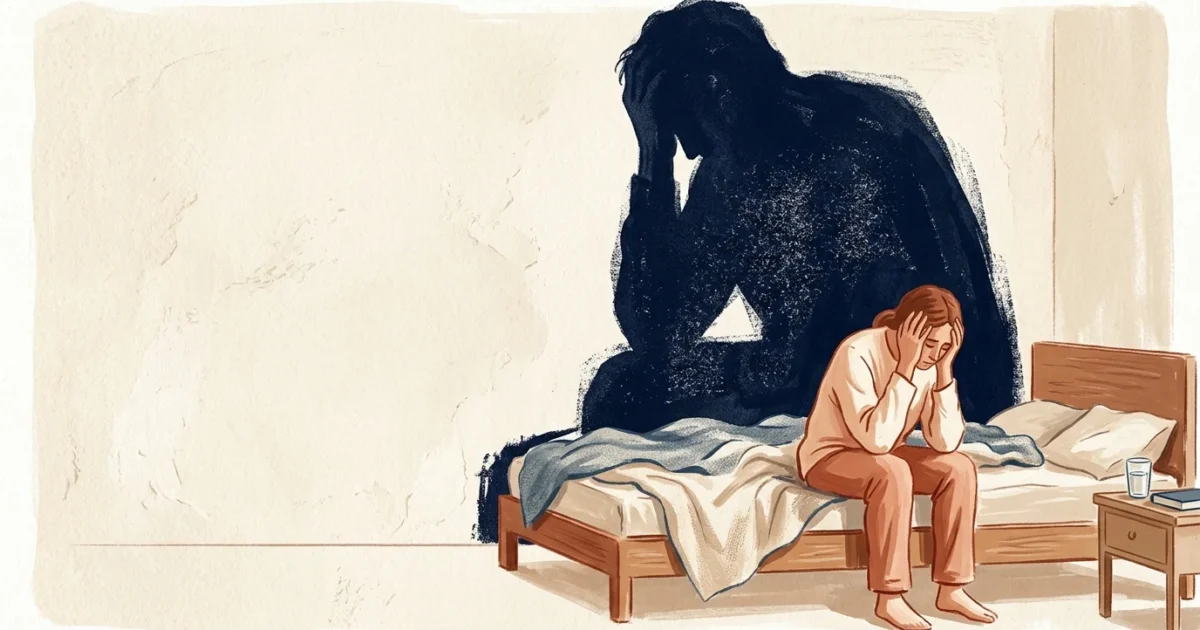
Distinguishing everyday tiredness from clinical exhaustion helps you address underlying physical or psychological health conditions before they permanently damage your quality of life. While standard fatigue resolves with consistent sleep and proper nutrition, concerning fatigue persists regardless of rest, severely impairing your executive function, metabolic output, and emotional stability. Recognizing the physiological red flags that signal systemic exhaustion allows you to advocate effectively for your health during doctor appointments and prevent long-term cellular depletion. When you understand how pathologically persistent fatigue manifests in your daily routine, you can make informed decisions to protect your long-term vitality and overall physical well-being.
Chronic Fatigue vs. Normal Tiredness: Understanding the Spectrum
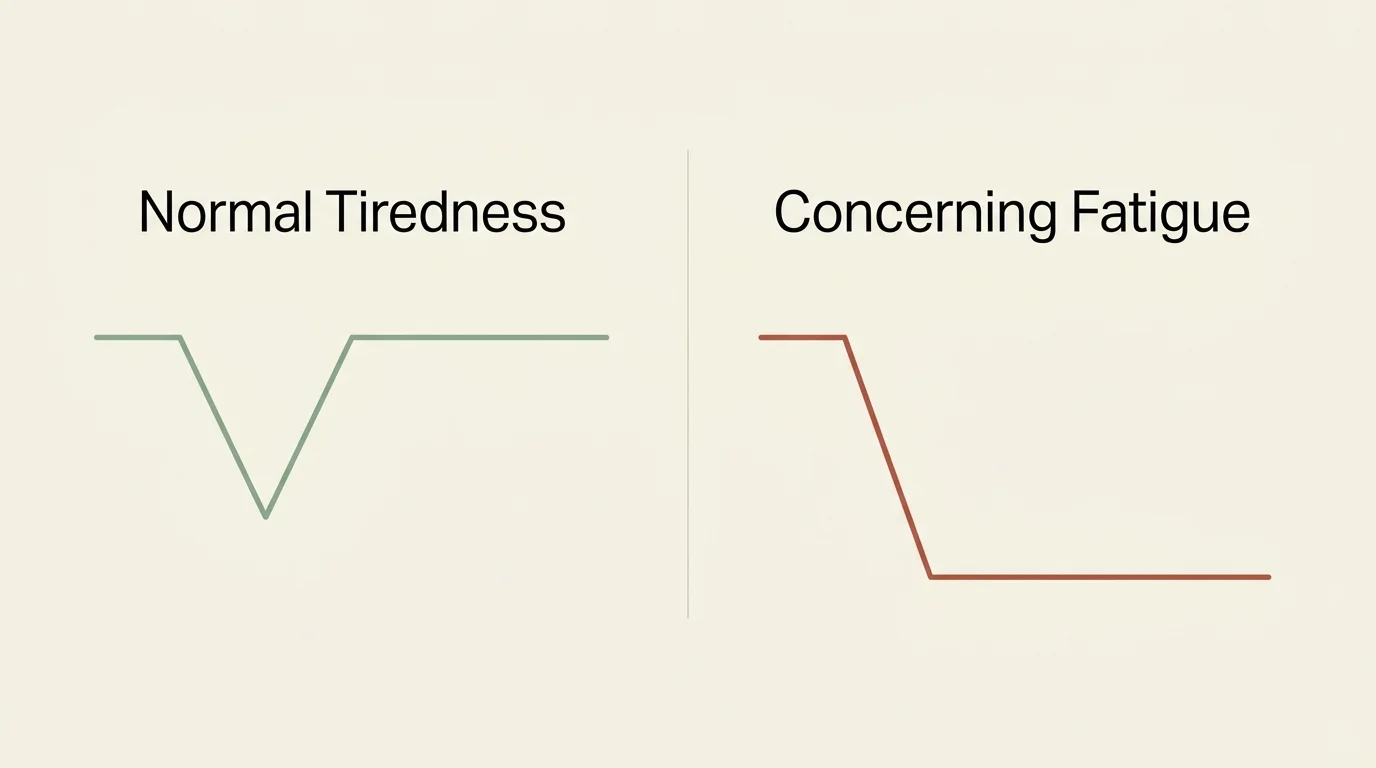
Tiredness is a normal, healthy biological reaction to exertion. When you complete a intense workday, finish a tough workout, or stay up late, your brain accumulates adenosine—a neurochemical that creates sleep pressure. Once you sleep, your lymphatic system clears biological metabolic waste, your muscle tissues repair, and your energy reserves restore. Within twenty-four to forty-eight hours, you bounce back.
Concerning fatigue operates on an entirely different biological mechanism. It does not stem from simple energy expenditure; instead, it represents an underlying breakdown in your body’s energy production, endocrine signaling, or nervous system regulation. According to research published by the American Psychological Association, chronic stress and systemic strain alter the hypothalamic-pituitary-adrenal (HPA) axis, keeping your cortisol levels perpetually disrupted and preventing true physical recovery.
When tiredness shifts into clinical fatigue, resting no longer refuels your biological battery. You are not simply low on fuel; your internal generator itself is malfunctioning. To evaluate where your current physical state falls on this biological spectrum, examine the core differences in the table below.
| Feature | Normal Tiredness | Concerning Fatigue |
|---|---|---|
| Response to Rest | Resolves completely after one or two nights of restorative sleep. | Persists uninterrupted despite full nights of undisturbed sleep. |
| Onset Pattern | Tied directly to known exertion, stress, or temporary sleep loss. | Arrives suddenly without clear cause or lingers indefinitely after illness. |
| Cognitive Function | Slight, temporary sluggishness that improves after morning hydration or caffeine. | Persistent brain fog, word-finding difficulty, and slowed processing speed. |
| Physical Capacity | Exercise causes temporary muscle tiredness, followed by elevated energy. | Minimal physical activity causes profound crashes lasting hours or days. |
| Systemic Symptoms | Isolated to feeling sleepy or muscularly fatigued. | Accompanied by joint pain, swollen glands, mood changes, or orthostatic dizziness. |
The 9 Signs Your Fatigue Has Crossed Into Concerning Territory
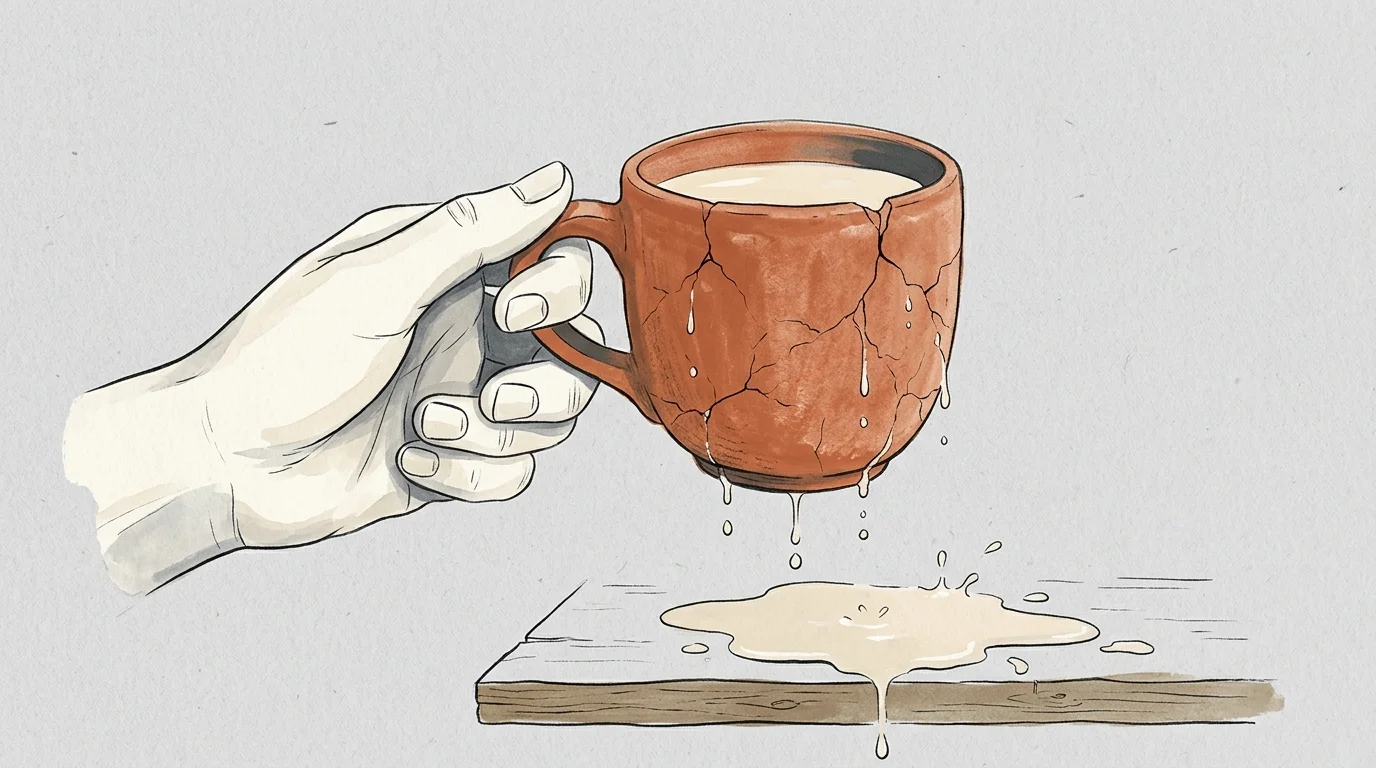
Recognizing the exact moment physical tiredness evolves into medical exhaustion requires paying close attention to your body’s physical and emotional signals. Below are nine actionable warning signs that indicate your tiredness requires medical and psychological evaluation.
1. Unrefreshing Sleep and Waking Exhausted
If you sleep for seven to nine uninterrupted hours and still wake up feeling as though you haven’t slept at all, your sleep architecture has failed to perform its restorative functions. Deep slow-wave sleep and REM sleep allow your cellular mitochondria to synthesize adenosine triphosphate (ATP)—the fundamental energy currency of your cells. When neuroinflammation, sleep apnea, or hormonal imbalances disrupt these deep sleep stages, your body remains stuck in a high-alert, catabolic state throughout the night.
Notice how you feel during the first thirty minutes after waking. If your limbs feel heavy, your head feels cloudy, and you require immediate intense stimulation just to sit up, you are experiencing unrefreshing sleep—a core diagnostic criteria for chronic fatigue syndromes and metabolic disorders.
2. Cognitive Slowing and Persistent Brain Fog
Concerning fatigue rarely remains confined to the body; it directly attacks your executive network in the prefrontal cortex. You might notice that you struggle to recall common words, lose your train of thought mid-sentence, or take twice as long to process basic written information. Clinical insights provided by Harvard Health demonstrate that persistent cognitive slowing often points to low-grade neuroinflammation or reduced microvascular circulation in cerebral tissue.
When routine daily tasks—like calculating a tip, drafting an email, or balancing your schedule—feel like navigating through deep mud, your fatigue has crossed into cognitive dysfunction. This symptom deserves explicit documentation and medical follow-up.
3. Post-Exertional Malaise (PEM)
Post-Exertional Malaise is perhaps the clearest line of demarcation between normal exhaustion and pathological fatigue. PEM occurs when minor physical, cognitive, or emotional exertion triggers a disproportionate crash in your energy levels—often arriving 12 to 48 hours after the activity occurred.
For example, taking a short walk through your neighborhood or managing a tense meeting at work might cause you to feel completely fine in the moment. However, two days later, you wake up unable to get out of bed, feeling as if you have developed a severe viral illness. This delayed energy crash signals systemic mitochondrial dysfunction and autonomic nervous system overload.
4. Unexplained Muscle Weakness and Physical Heavy-Bodied Sensations
There is a distinct difference between muscle soreness after a heavy workout and structural muscle weakness during basic activities. Concerning fatigue manifests as an oppressive heaviness in your limbs—a physical sensation often described as having lead weights tied to your arms and legs.
You might find holding your smartphone up to your ear exhausting, lifting a light laundry basket difficult, or climbing a single flight of stairs overwhelming for your thigh muscles. When basic motor functions require immense conscious strain, your neuromuscular system is signaling severe metabolic exhaustion.
5. Autonomic Instability and Orthostatic Dizziness
Your autonomic nervous system regulates involuntary bodily functions, including blood pressure, heart rate, and internal temperature. When chronic exhaustion impairs autonomic control, you experience orthostatic intolerance—the inability to stand upright without experiencing physiological distress.
Pay attention to what happens when you move from a sitting or lying position to a standing position. If your heart races, your vision dims around the edges, or you feel lightheaded and unsteady, your autonomic nervous system is failing to constrict blood vessels efficiently to pump blood back up to your brain. This pattern often connects to conditions like Postural Orthostatic Tachycardia Syndrome (POTS) or severe dynamic hypovolemia.
6. Emotional Anhedonia and Psychological Detachment
While burnout and clinical depression can cause fatigue, systemic physical exhaustion can also actively induce emotional numbness, known medically as anhedonia. When your nervous system remains severely depleted, your brain conserves energy by blunting your emotional responses.
You might notice that activities, hobbies, and relationships that once brought you joy now elicit no emotional response at all. You do not necessarily feel deeply sad; rather, you feel empty, flat, and emotionally disconnected. Distinguishing this state from primary psychological depression is critical, as treating the underlying physiological exhaustion often restores emotional vitality.
7. Low-Grade Immune Activation and Swollen Lymph Nodes
Does your exhaustion feel like you are perpetually coming down with a flu that never fully develops? Persistent tiredness accompanied by a recurrent sore throat, tender lymph nodes in your neck or armpits, and low-grade fevers indicates that your immune system is actively struggling against an underlying stressor.
Data from the Cleveland Clinic emphasizes that chronic viral reactivations—such as Epstein-Barr Virus (EBV) or persistent post-viral immune activation—frequently trigger chronic, unexplained systemic fatigue. When immune markers remain chronically elevated, your cellular resources are constantly diverted toward an internal immune battle, leaving zero energy for your daily life.
8. Thermoregulatory Disruption and Night Sweats
A healthy body maintains a stable internal temperature within a narrow range. When fatigue becomes medically concerning, your hypothalamus—the brain’s thermostat—loses its fine-tuned control over thermoregulation.
You might experience sudden cold chills while sitting in a warm room, cold hands and feet that refuse to warm up, or unexplained night sweats that soak through your clothing. These fluctuations indicate that your sympathetic and parasympathetic nervous systems are severely out of balance, driving continuous homeostatic instability.
9. Persistence Beyond Four Weeks Without Clear Cause
Acute fatigue from a hectic week, temporary stress, or a mild infection should resolve within two to three weeks as your tissue heals and your nervous system settles down. When profound exhaustion continues past four to six weeks without an obvious lifestyle cause, it transitions into chronic fatigue.
Ignoring persistent fatigue in the hopes that it will magically vanish often leads to severe lifestyle decompensation. Once fatigue reaches the one-month mark without improvement, systematic medical investigation becomes necessary to rule out thyroid dysfunction, autoimmune conditions, severe anemia, and metabolic diseases.

What Can Go Wrong: Misconceptions About Persistent Fatigue
Misunderstanding the nature of severe fatigue leads many people to make choices that worsen their underlying condition. Addressing these common misconceptions helps protect your body from unnecessary physical harm.
- Myth 1: “Pushing through with intense exercise will boost my energy.” If your exhaustion stems from Post-Exertional Malaise or cellular dysfunction, high-intensity aerobic exercise will exacerbate mitochondrial damage and trigger severe, long-lasting energy crashes. Pacing must always replace aggressive physical push-through strategies.
- Myth 2: “High-dose caffeine and stimulants are safe coping mechanisms.” Relying heavily on coffee, energy drinks, or central nervous system stimulants forces depleted adrenal systems to release emergency stress hormones. This creates a cycle of false energy followed by deeper biological collapse.
- Myth 3: “If basic blood tests come back normal, nothing is physically wrong.” Standard routine lab panels check for acute illnesses and severe imbalances, but they often miss subclinical thyroid dysfunction, early autoimmune markers, micronutrient deficiencies, and autonomic dysregulation. Normal routine lab results mean you need more comprehensive testing, not that your symptoms are imaginary.
- Myth 4: “Fatigue is purely a mental health issue.” While psychological conditions like depression and chronic anxiety certainly manifest with physical tiredness, assuming fatigue is entirely psychological causes people to miss treatable physical conditions like sleep apnea, anemia, or autoimmune disorders.
The Mind-Body Axis: How Physical and Psychological Fatigue Intersect
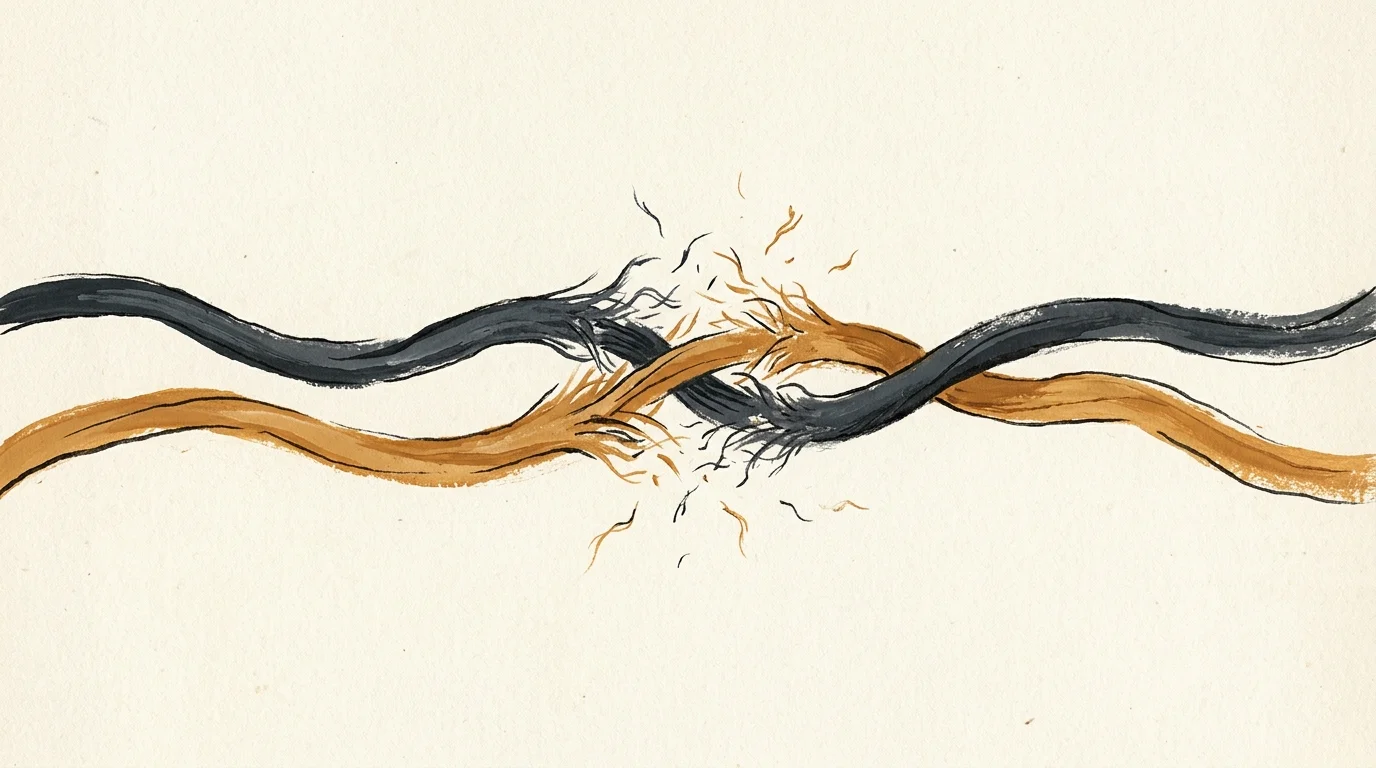
Your mind and body do not operate in isolated vacuums; they form a tightly coupled, bi-directional feedback loop. Physical illnesses trigger systemic inflammation that crosses the blood-brain barrier, altering brain chemistry and producing feelings of emotional helplessness. Conversely, severe psychological strain creates sustained nervous system arousal that exhausts physical tissues.
According to resource materials from the National Institute of Mental Health, prolonged exposure to stress hormones like cortisol and adrenaline directly alters neuroplasticity, leaving you feeling physically incapacitated. Disentangling somatic illness from emotional strain requires treating both systems simultaneously with equal respect and clinical diligence.
“The curious paradox is that when I accept myself just as I am, then I can change.” — Carl Rogers, On Becoming a Person
Accepting that your current physical body has firm, unyielding boundaries is not an act of surrender; it is the vital starting point for recovery. Fighting your exhaustion through sheer willpower only deepens your physiological debt.

Actionable Steps: How to Audit and Pace Your Exhaustion
To advocate effectively for yourself in a clinical setting, you need concrete data regarding your daily symptoms and functional capacity. Follow this practical, three-step auditing protocol to gather precise information about your fatigue patterns.
Step 1: Keep a 14-Day Energy and Activity Journal
Track your energy daily using a simple 1 to 10 scale (where 1 represents complete bedridden exhaustion and 10 represents optimal vitality). Log three specific data points every day:
- Morning baseline score: Assess your physical and cognitive energy within 30 minutes of waking.
- Activity logs: Record physical efforts (walking, house cleaning), cognitive tasks (computer work, reading), and emotional events (work meetings, family stress).
- Delayed response: Record how you feel 24 and 48 hours after high-demand events to identify hidden Post-Exertional Malaise patterns.
Step 2: Implement “Energy Envelope” Pacing
Pacing is an evidence-based lifestyle adaptation method designed to keep your daily energy expenditure strictly within your current functional capacity. Think of your daily energy as a rigid financial budget:
- Stop activities when you reach 60% of your perceived exertion limit, leaving 40% in reserve for essential healing and metabolic functions.
- Break necessary physical tasks into tiny, manageable segments separated by scheduled, zero-stimulation rest breaks (lying in a quiet room with eyes closed).
- Prioritize tasks ruthlessly; eliminate non-essential obligations until your energy baseline stabilizes.
Step 3: Measure Objective Physiological Indicators
Incorporate objective wearable tracking tools to evaluate your autonomic recovery without relying solely on subjective feelings:
- Resting Heart Rate (RHR): A persistent spike in your baseline morning resting heart rate often signals ongoing inflammation, illness, or severe overtraining.
- Heart Rate Variability (HRV): A consistently low HRV indicates that your autonomic nervous system is stuck in parasympathetic suppression and sympathetic fight-or-flight overactivation.
Key Medical Evaluations to Request from Your Physician
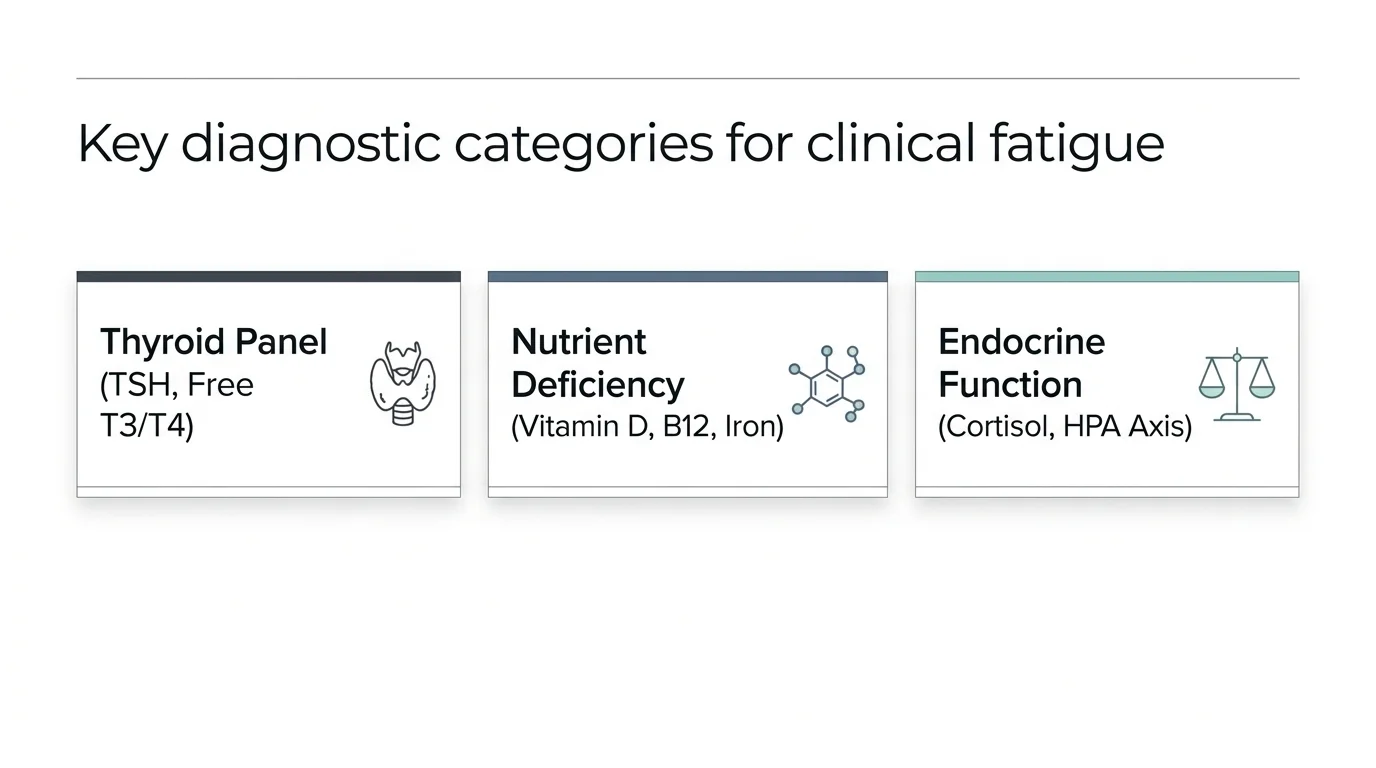
When you present your fatigue log to a primary care physician, request a systematic screening process to evaluate underlying medical causes. Comprehensive diagnostic pathways recommended by major clinical research centers usually start with the following essential lab tests:
- Full Iron Panel & Serum Ferritin: Ferritin measures your stored iron reserves. Low ferritin levels cause profound tissue hypoxia and severe fatigue, even if your basic hemoglobin levels appear technically “normal.”
- Comprehensive Thyroid Panel: Request tests for TSH, Free T3, Free T4, and Thyroid Peroxidase (TPO) Antibodies to thoroughly rule out subclinical hypothyroidism or Hashimoto’s Thyroiditis.
- Vitamin D3 and B12 Levels: Deficiencies in these key vitamins directly impair cellular energy metabolism, peripheral nerve function, and immune control.
- High-Sensitivity C-Reactive Protein (hs-CRP) & ESR: Essential inflammatory markers that reveal hidden systemic inflammation throughout your vascular and muscular systems.
- HbA1c & Fasting Insulin: Measures blood glucose control to evaluate underlying insulin resistance, reactive hypoglycemia, and metabolic instability.
- Overnight Polysomnography (Sleep Study): Diagnostic sleep monitoring to rule out obstructive sleep apnea, upper airway resistance syndrome (UARS), and restless legs syndrome.

When to Seek Immediate Professional Support
While most forms of chronic fatigue require planned outpatient evaluation, certain “red flag” symptoms demand immediate emergency medical intervention. Seek immediate emergency care if your exhaustion is accompanied by any of the following symptoms:
- Sudden, severe chest pain, pressure, or shortness of breath while resting.
- Fainting spells (syncope), sudden loss of consciousness, or severe acute confusion.
- Unexplained, rapid loss of body weight without alterations to your diet or activity.
- Sudden onset of severe, focal muscle weakness, slurred speech, or vision changes.
- Pervasive feelings of severe despair, hopeless mental states, or thoughts of self-harm.
If you are experiencing severe psychological distress or thoughts of self-harm, please reach out immediately to the 988 Suicide & Crisis Lifeline by calling or texting 988 (in the US and Canada), or contact your local emergency health services.

Taking Action for Your Health
Listening to your body’s physiological signals is not an act of weakness; it is an essential skill for long-term health. When fatigue moves beyond typical tiredness, your body is delivering an urgent message that its biological systems require investigation, protection, and care. By documenting your exact physical symptoms, honoring your daily energy limits, and working collaboratively with knowledgeable medical professionals, you can identify underlying physiological drivers and systematically build a path back toward sustainable vitality.
Take your symptoms seriously, advocate firmly for full diagnostic testing, and treat your body with compassionate patience as you take the necessary steps to recover your health.
This is educational content based on psychological research and general principles. Individual experiences vary significantly. For personalized guidance, consult a licensed therapist, psychologist, or counselor.
Last updated: February 2026. Psychology research evolves continuously—verify current findings with professional sources.









Leave a Reply