

This year in the U.S., it’s anticipated that there will be close to 500,000 new patients with Alzheimer’s disease. A new dementia case is reported globally every three seconds.
Alzheimer’s is one of the primary causes of dementia. This disease is known to harm brain nerve cells. There might not be many symptoms at first, if any. The initial symptom is frequently short-term memory loss.
Alzheimer’s disease gradually impairs judgment, speech, and mental processes as even more neurons are lost. A person’s capacity to operate and take care of themselves is ultimately impacted.
Approaches to prevent and treat Alzheimer’s disease are still being explored. We might be able to stop or halt the progression of Alzheimer’s as we understand more about how the disorder manifests.
#1 Life Expectancy
A person with Alzheimer’s disease has a poor prognosis for life expectancy. After this diagnosis, there are a lot of variables that affect the lifespan.
Alzheimer’s disease progresses at varying rates. The typical lifespan of someone with this disease is three to eleven years from the time of diagnosis, but some people live for twenty years or longer. Life expectancy may vary depending on the severity of the disability at diagnosis. Alzheimer’s disease advances more quickly when cardiovascular risk factors, such as untreated hypertension, are present.
Due to difficulty swallowing, which can cause food or liquids to reach the lungs where an infection might start, pneumonia is a significant risk factor for mortality. Dehydration, starvation, accidents at the workplace, and infections are some of the more common causes of mortality.

#2 Does Alzheimer’s Disease Affect Women Differently?
According to a study led by the Alzheimer’s Association, women are much more likely to get Alzheimer’s disease. For women, the lifelong chance of developing Alzheimer’s disease is 1 in 5, according to the study, which divided individuals into men and women. Half as many males, or 1 in 10, experience it.
Women generally live longer than men, which is one of the causes of the higher rates in this gender. The main risk factor for Alzheimer’s disease is thought to be age. Another hypothesis is that before 1950, women often did not receive the same level of formal education as men. Higher incidences of Alzheimer’s disease are correlated with lower levels of schooling.
Differences Between Men and Women
Compared to men, women appear to experience a faster progression of Alzheimer’s disease. According to research, women typically get their diagnoses later in life.
Generally speaking, women outperform men in terms of memory and recall. Changes in memory might not be detected as early since they might still fall within the “normal” range on tests that are more commonly used.
When considered collectively, these elements might have an effect on the prevalence of Alzheimer’s disease in women. Try to live a healthier life in order to help you have the best possible life and lower your risk of developing this condition. This includes maintaining a nutritious and healthy diet, taking care of one’s physical and mental health, getting enough sleep, participating in social activities, and keeping in touch with loved ones.
#3 Your Heart and Your Brain Are More Related Than You Might Think
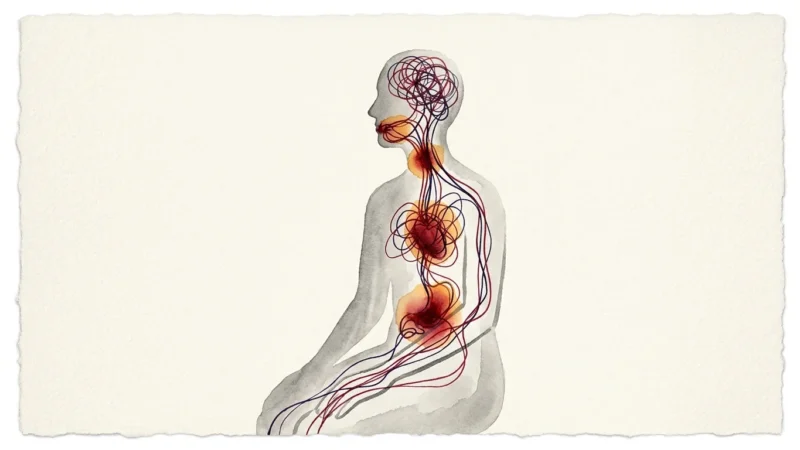
There are some fascinating studies on the connection between inflammation in one area of the body and inflammation in other areas. Inflammatory proteins accumulate in the brain in Alzheimer’s disease. It has been demonstrated that inflammation has a role in numerous chronic illnesses, such as diabetes and heart disease.
Diabetes, metabolic syndrome, heart disease, and the onset of Alzheimer’s disease are all related. It is known that each of these causes inflammation in various body regions.
There are steps you may take to control your diabetes, metabolic syndrome, and heart disease. The management or prevention of Alzheimer’s disease may be supported by these factors: eating foods that reduce inflammation (a Mediterranean diet is recommended), regular blood pressure checks, as well as, exercise, and medication.
Vascular dementia, which is brought on by clogged blood vessels inside the brain, may also be caused by heart disease. Because of this, brain tissues receive less oxygen.
#4 The Demographics of Alzheimer’s
Alzheimer’s disease prevalence rises with age. In the US, Alzheimer’s affects 5% of those between the ages of 65 and 74. In those who are 75 to 84 years old, these rates rise to 13.1%. 33.2 percent of adults aged 85 and older have Alzheimer’s disease.
Just like many other fields of study, research on Alzheimer’s is not diverse enough. The broad population in the US is not fairly represented by study participants. This is a problem for all illnesses, but it’s especially important to consider with disorders like Alzheimer’s disease because they may disproportionately impact people of color.
According to statistics, 14.5% of Hispanic and 18.6% of African American people over 65 have Alzheimer’s disease. This is significantly more than the 10% of White adults over 65 who have Alzheimer’s disease.
Genetic differences are unlikely to be the cause of higher rates of Alzheimer’s disease among People of Color. It is more likely connected to structural racism, which makes it extremely difficult to receive healthcare and it also raises the poverty rate. Education, wages, anxiety, shelter, and violence exposure are all impacted by structural racism.

#5 The Role of Education in the Development of Alzheimer’s Disease
Higher education levels are linked to a decreased risk of Alzheimer’s disease. From an early age, more formal schooling may change how the brain develops. Learning new things strengthens neural connections and could increase the brain’s resistance to stress.
Additionally, it’s possible that the higher income that more education typically brings with it will reduce the risk of Alzheimer’s. It’s never too late to broaden your social networks and learn something new. Your risk may be decreased by participating in group activities or making more social connections.
Therefore, you should look for hobbies and activities that require your brain to work in order to try to reduce your risk of having this disease. Some recommended activities are: playing an instrument, learning a new language, taking various classes or online courses, etc.
#6 This Disease Is a Leading Cause of Death
According to the Alzheimer’s Association, this disease is the sixth most common cause of mortality in the country. Alzheimer’s disease or another type of dementia accounts for about 1 in 3 deaths in adults over 65.
According to the statistics, Alzheimer’s disease claimed 121,499 lives in the US in 2019. Given that it is based on the official cause of death that was recorded, this figure could not be particularly accurate. Other medical issues frequently worsen in people with Alzheimer’s disease. This might shorten life expectancy.
For people 65 and older, it ranks as the fifth most common cause of death. In addition, Alzheimer’s disease is a major factor in disability and poor health. Patients endure years of illness as the condition worsens before passing away.
What Are the Main Symptoms of Alzheimer’s Disease?
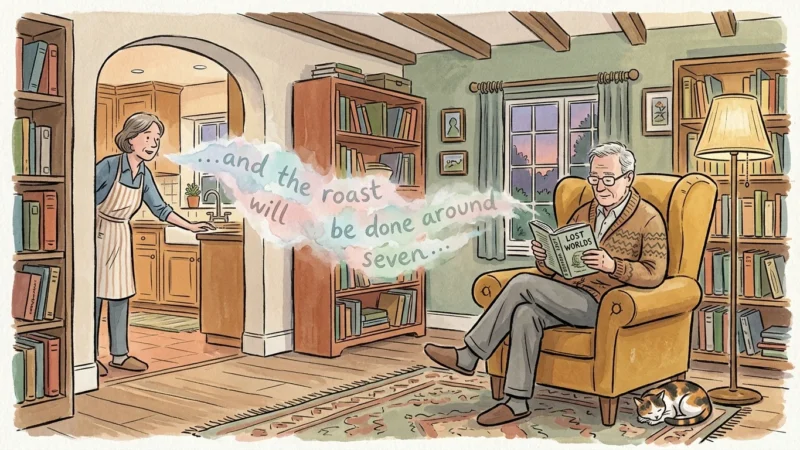
Forgetting information that was just learned is one of the most prevalent symptoms of this disease, particularly in the early stages. Others include forgetting significant dates or occasions, repeatedly asking the exact same questions, and becoming more dependent on family members or memory aids (such as notes) for tasks you used to be able to complete on your own.
Some dementia sufferers may see changes in their capacity to make and stick to plans or handle numbers. They can have a hard time paying their payments on time or following a simple recipe. They could find it difficult to focus and work more slowly than they did in the past.
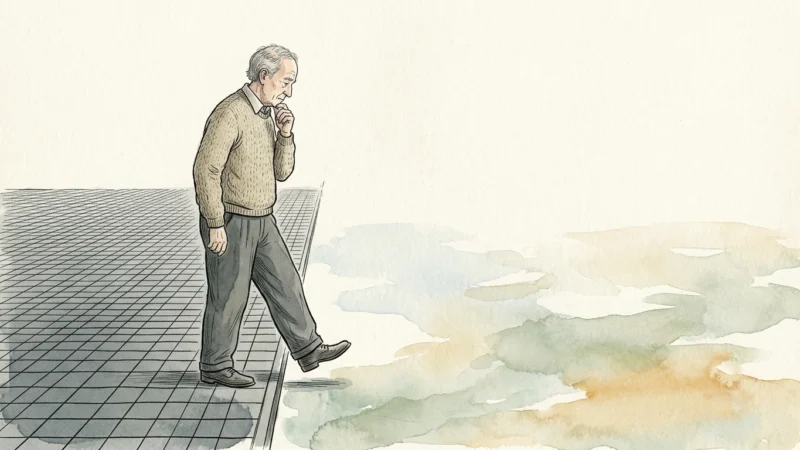
Daily duties are frequently difficult for people with Alzheimer’s. They might occasionally struggle to put together a grocery list, drive to a well-known place, or recall the basics of a beloved game.
Did you know that the process of retirement has several stages? If you are curious or just want to know more about retired life, you should check out: These Are The 5 Stages of Retirement – Where Are You Now?






What daily activities, can help with dementia.