Psychology Diary

The First Step Toward Change Is Awareness

  • Home
  • Relationships
  • Mental Health
  • Expert Tips
  • Life
  • Family
  • Marriage

The Surprising Link Between Gut Health and Your Mood

August 31, 2025 · Mental Health

Smiling senior woman holding a salad bowl in a kitchen.

How Does Gut Health Affect Anxiety and Depression?

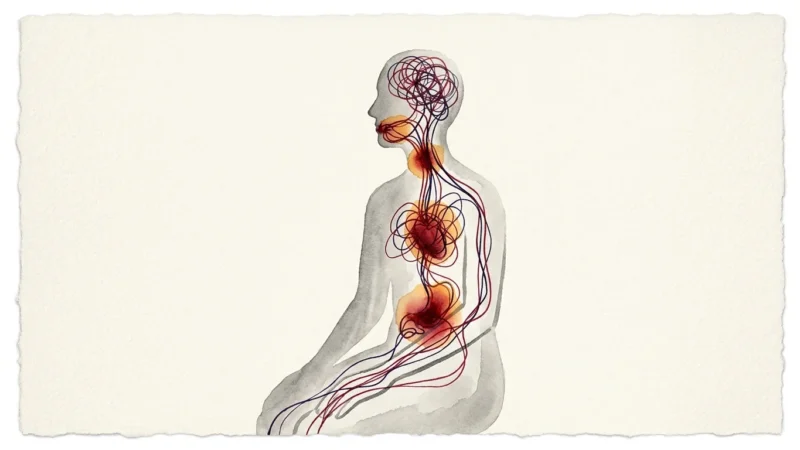
Understanding that a connection exists is the first step. The next is to explore how this link specifically influences common mental health challenges like anxiety and depression. The relationship is complex and bidirectional, meaning gut health affects mood, and mood can, in turn, affect gut health. Let’s break down how this powerful feedback loop works.

The Neurotransmitter Connection

As we mentioned, your gut microbes are essential for producing neurotransmitters, the chemical messengers that your brain cells use to communicate with each other. Besides serotonin, gut bacteria also produce other crucial mood-regulating chemicals like dopamine (related to reward and motivation) and GABA (gamma-aminobutyric acid), which has a calming effect and helps keep anxiety in check.

When the gut microbiome is out of balance, the production of these neurotransmitters can be disrupted. This can mean there are fewer “feel-good” or “calming” chemicals available for your brain. It’s like trying to have a pleasant conversation in a room where the volume is turned way down. The brain struggles to maintain a balanced mood without the right chemical tools.

The Inflammation Pathway

Inflammation is the body’s natural response to injury or infection. In the short term, it’s a good thing. But when it becomes chronic, it can cause problems throughout the body. An unhealthy gut lining, sometimes referred to as “leaky gut” (or increased intestinal permeability), can allow bacteria and inflammatory particles to pass into the bloodstream. The immune system flags these as invaders, triggering a body-wide inflammatory response.

This systemic inflammation can reach the brain. When the brain is inflamed, it doesn’t function optimally. Research has shown a strong link between higher levels of inflammation and the prevalence and severity of depression. Inflammation can interfere with the production and function of neurotransmitters and can even impact the brain regions responsible for mood regulation. Addressing gut health and lowering inflammation can be a key strategy in managing mood disorders.

The Stress Response System

The gut-brain axis is also intimately involved in how you perceive and respond to stress. Your body’s primary stress response system is the hypothalamic-pituitary-adrenal (HPA) axis. When you encounter a stressor, this system releases cortisol, the main stress hormone.

An unbalanced gut can send stress signals to the brain, effectively putting the HPA axis on high alert. It can become overactive, leading to chronically elevated cortisol levels. This state of constant, low-grade “fight-or-flight” is a hallmark of chronic anxiety. Your body feels perpetually threatened, even when there’s no immediate danger. By calming the gut, you can help soothe this overactive stress response system, making it easier to feel safe and relaxed.

It’s important to remember this is a two-way street. High levels of psychological stress can also negatively impact your gut. Stress can reduce blood flow to the gut, change the composition of your microbiome, and increase gut permeability. This is why a period of intense stress or worry can often lead to digestive issues. It’s a cycle where stress hurts the gut, and a hurt gut sends more stress signals to the brain. The good news is that you can intervene in this cycle at any point—by managing stress or by supporting your gut.


Pages: 1 2 3 4 5 6 7 8

Share this article

Facebook Twitter Pinterest LinkedIn Email

Leave a Reply Cancel reply

Your email address will not be published. Required fields are marked *

Search

Latest Posts

  • 10 Hidden Signs Your Adult Child Is Toxic
  • A conceptual paper collage showing a silhouette framed by overlapping paper layers, symbolizing a shrinking world. 10 Signs Your Spouse Is Controlling You
  • An adult in a knit sweater sits on a window sill on a gray day, looking out over a misty city with a steaming mug. 10 Subtle Signs You're Just Existing, Not Truly Living
  • Editorial illustration of a person surrounded by a protective warm watercolor aura, deflecting dark droplets on textured paper. 10 Common Psychological Defense Mechanisms - Which One Do You Use?
  • A mixed-media collage silhouette of a person made from torn paper, charcoal sketches, and ink washes, representing fragmented self-trust. 9 Signs of an Emotionally Abusive Relationship
  • A mixed media collage of a human silhouette with layered torn paper in indigo and gold, symbolizing trapped physical energy and healing. 10 Signs Your Body is Holding Trauma
  • An illustration of an adult walking forward, casting a shadow that reveals a towering parental figure behind them. 10 Signs You Were Raised by a Narcissist
  • An editorial gouache illustration of a woman's profile transitioning from concrete architecture to elegant fashion lines. Who Was Melania Before She Met Donald Trump? (A Psychological Portrait)
  • An ink and watercolor illustration of a person holding a large ceramic vase with glowing gold cracks, symbolizing hidden internal pressure. The Psychology of the Person Who Is Always Fine Until They Absolutely Aren't
  • A woman sits in a sunlit home library, looking thoughtfully out a window with an open book on her lap. 12 Signs of a High IQ

Newsletter

Get the latest posts delivered to your inbox.

Related Articles

stay calm during election

9 Ways to Stay Calm During Election Season

Stay calm during election season by following these steps: With whom am I going to…

Read More →
therapist

10 Warning Signs You Should Talk to a Therapist

2. You’re having trouble processing something in your life Have you ever felt speechless while…

Read More →
therapy

5 Problems Not Even Therapy Can Solve for You

Your relationship It may sound surprising to you, but another problem therapy sessions can’t fix…

Read More →
anxiety, relationship, stress

These Are the 6 Types of Anxiety Disorders

#2 Panic Disorder Panic attacks strike people with panic disorder frequently and without warning. Even…

Read More →
burnout

7 Signs of Burnout (and What To Do About It)

Even the greatest jobs can lead to burnout. The more you work and the more…

Read More →
Dementia vs. Schizophrenia adult

Is It Schizophrenia or Dementia? 5 Signs Explained

Do you feel more forgetful or confused lately? You may deal with Schizophrenia or Dementia!…

Read More →
paranoia after 60

5 Subtle Signs of Paranoia After 60, According to Psychiatrists

They always misinterpret situations They can be wonderful deception detectors, but all they see are…

Read More →
high-level thinker

Are You a High-Level Thinker? Read What Psychologists Say

How can you tell if you are a high-level thinker?  When you say “high-level thinker,”…

Read More →
A conceptual mixed media collage showing a silhouette with a peeling mask, revealing a deep indigo inner layer.

8 Trauma Responses That Get Mistaken for Personality Traits

Learn how to identify eight common trauma responses—from people-pleasing to hyper-independence—that are frequently mistaken for…

Read More →

Psychology Diary

The First Step Toward Change Is Awareness

Inedit Agency S.R.L.
Bucharest, Romania

contact@psychologydiary.com

Explore

  • About Us
  • Advertiser Disclosure
  • Contact Us
  • Disclaimer
  • Do not sell my personal information
  • Editorial Policy
  • Frequently Asked Questions
  • Privacy Policy
  • Terms and Conditions
  • Subscribe
  • Unsubscribe

Categories

  • Expert Tips
  • Family
  • Life
  • Marriage
  • Mental Health

© 2026 Psychology Diary. All rights reserved.