Psychology Diary

The First Step Toward Change Is Awareness

  • Home
  • Relationships
  • Mental Health
  • Expert Tips
  • Life
  • Family
  • Marriage

Grandparenting from a Psychologist’s Perspective: How to Build a Strong Bond

August 31, 2025 · Family

Grandmother comforting adult son in kitchen.

Frequently Asked Questions (FAQs)

Navigating the nuances of grandparenting can bring up specific questions. Here are a few common ones, addressed with a practical, relationship-focused lens.

What if my adult child doesn’t seem to want my help or advice?

This can be hurtful, but it’s often not personal. It is usually a sign that your adult child is trying to establish their own competence and independence as a parent. The best response is to respect their lead. Shift from giving advice to offering validation and support. Instead of “You should try…”, say “It sounds so tough. I trust you’ll figure out what’s best for your family. I’m here for you if you ever want to brainstorm or just vent.” By consistently applying the “ask-before-advice” rule (“Are you open to a suggestion?”), you show respect for their autonomy, which paradoxically makes them more likely to seek your wisdom in the future.

How do I handle it when my grandchild is misbehaving and the parents don’t intervene in a way I agree with?

This is a very common and difficult situation. The cardinal rule is this: unless the child is in immediate physical danger, you must defer to the parents in the moment. Intervening over their heads undermines their authority and confuses the child. Address your concerns with the parents later, in private. Use a gentle, non-blaming I-statement. For example: “Later today, could we talk for a few minutes about what happened at the park? I felt anxious when Leo was climbing so high, and I wasn’t sure what my role should be in that moment. Could you help me understand your rules around that so I can support you better?” This frames it as a collaborative problem-solving conversation, not a criticism.

Is it okay to “spoil” my grandchildren?

The word “spoil” can mean different things. If “spoiling” means showering them with unconditional love, your full attention, and special experiences, then yes—that is the beautiful gift of grandparenting. However, if “spoiling” means routinely overriding the parents’ rules, buying excessive gifts to win affection, or shielding children from the natural consequences of their actions, it can cause problems. It can create friction with the parents and teach the child that rules are negotiable. The goal of positive grandparenting techniques is to build a bond based on genuine connection, not material possessions or being the “fun one” who breaks the rules. Your relationship is the real treat.


Pages: 1 2 3 4 5 6 7 8 9

Share this article

Facebook Twitter Pinterest LinkedIn Email

Leave a Reply Cancel reply

Your email address will not be published. Required fields are marked *

Search

Latest Posts

  • An editorial mixed-media collage of a woman's silhouette filled with tangled gray threads and a single glowing red thread. 8 Signs You're Holding Onto Resentment Without Realizing It
  • An editorial ink and watercolor illustration of a person reading peacefully in an armchair, protected by a glowing golden aura. 9 Signs You're Finally Comfortable Saying No
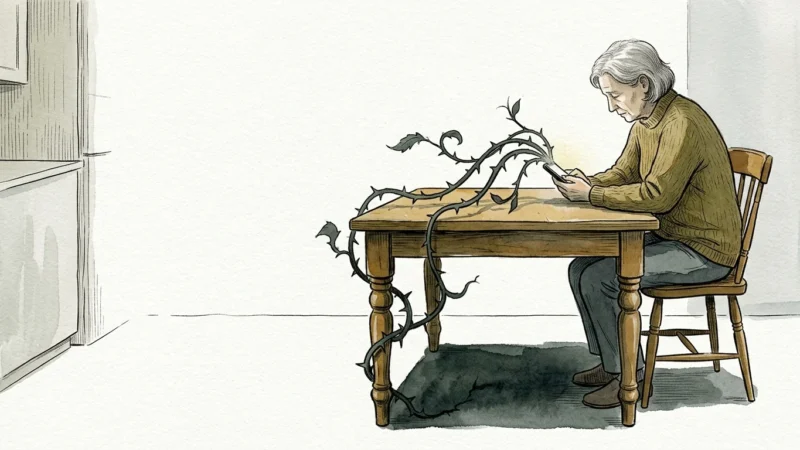
  • An editorial ink and watercolor illustration of a person sitting at a desk with an giant shadow of their own profile whispering in their ear 7 Signs Your Self-Talk Has Become Overly Negative
  • Illustration of a tired person carrying a massive stack of boxes, ignoring an outstretched hand offering help. 8 Signs You Struggle to Receive Help From Others
  • Editorial watercolor illustration of a person carrying a tall, precarious stack of mismatched boxes, symbolizing unearned guilt. 9 Signs You're Still Carrying Guilt That Isn't Yours
  • Illustration of a person walking on a treadmill made of calendar pages under a cloudy sky. 7 Signs You've Confused Being Busy With Being Fulfilled
  • A warm gouache illustration of a person sitting peacefully amidst a swirling aura of soft light, leaves, and gentle waves. 8 Signs You're a Highly Sensitive Person
  • Editorial illustration of a couple on a couch, where one partner is a fading, transparent watercolor silhouette, representing emotional loss 9 Signs You're Grieving a Relationship That Isn't Over
  • An ink and watercolor illustration of a calm person standing by a wooden garden gate, symbolizing healthy and protective boundaries. 7 Signs You've Built Healthy Boundaries With Family
  • An ink and watercolor illustration of a couple at a table where one person is replaced by a giant, dark watercolor elephant silhouette. 8 Signs You're Avoiding a Difficult Conversation

Newsletter

Get the latest posts delivered to your inbox.

Related Articles

Signs Of A Toxic Daughter In Law1

11 Signs of a Toxic Daughter-in-Law and How to Deal With Her

Signs of a Toxic Daughter-in-Law Navigating the intricate dynamics within a family can be tough,…

Read More →
daughter

What Your Daughter-in-Law Wants You to Know

When you’re saying ‘YES’ to the big question, you’re not only saying it to your…

Read More →

Why Your In-Laws Are Driving You Crazy

As some would say, you either love or hate your in-laws, there’s no in-between. But…

Read More →
toxic grandparent, emotional masochist

7 Shocking Signs You Might Be a Toxic Grandparent

Are you a toxic grandparent? Let’s find out together! A relationship between adult children and…

Read More →
Overcoming Parent-Child Conflict

Overcoming Parent-Child Conflict: 5 Easy Steps to Navigate

Psychology Diary Presents: Overcoming parent-child conflict In the complex world of family dynamics, the delicate…

Read More →

Your In-Laws Might Cause You These 9 Common Troubles

You have to consider your in-laws too when you are getting married! When you decide…

Read More →
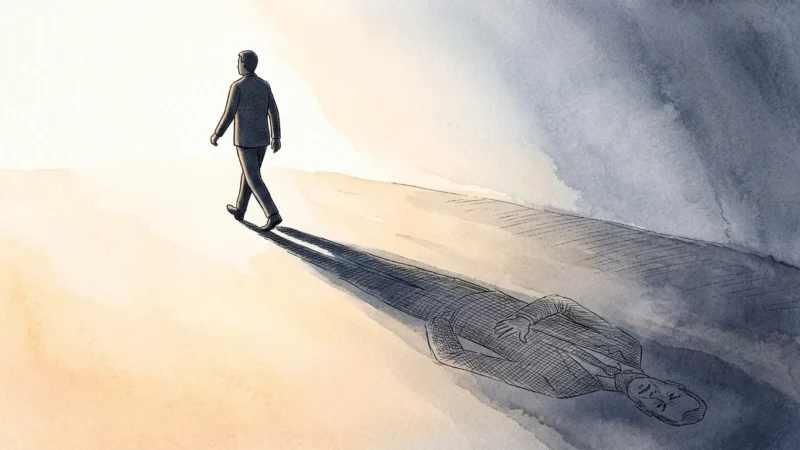
An illustration of an adult walking forward, casting a shadow that reveals a towering parental figure behind them.

10 Signs You Were Raised by a Narcissist

Discover the 10 critical signs you were raised by a narcissistic parent, understand the hidden…

Read More →
things your grandkids want to say

5 Things Your Grandkids Want to Say (But Haven’t Yet)

These are the things your grandkids want to say, but they are too afraid to…

Read More →
deal with a stubborn daughter-in-law, things your daughter-in-law wants you to know

8 Essential Things Your Daughter-in-Law Wants You to Know

Here’s the cold truth: there are some things your daughter-in-law wants you to know, but…

Read More →

Psychology Diary

The First Step Toward Change Is Awareness

Inedit Agency S.R.L.
Bucharest, Romania

contact@psychologydiary.com

Explore

  • About Us
  • Advertiser Disclosure
  • Contact Us
  • Disclaimer
  • Do not sell my personal information
  • Editorial Policy
  • Frequently Asked Questions
  • Privacy Policy
  • Terms and Conditions
  • Subscribe
  • Unsubscribe

Categories

  • Expert Tips
  • Family
  • Life
  • Marriage
  • Mental Health

© 2026 Psychology Diary. All rights reserved.