
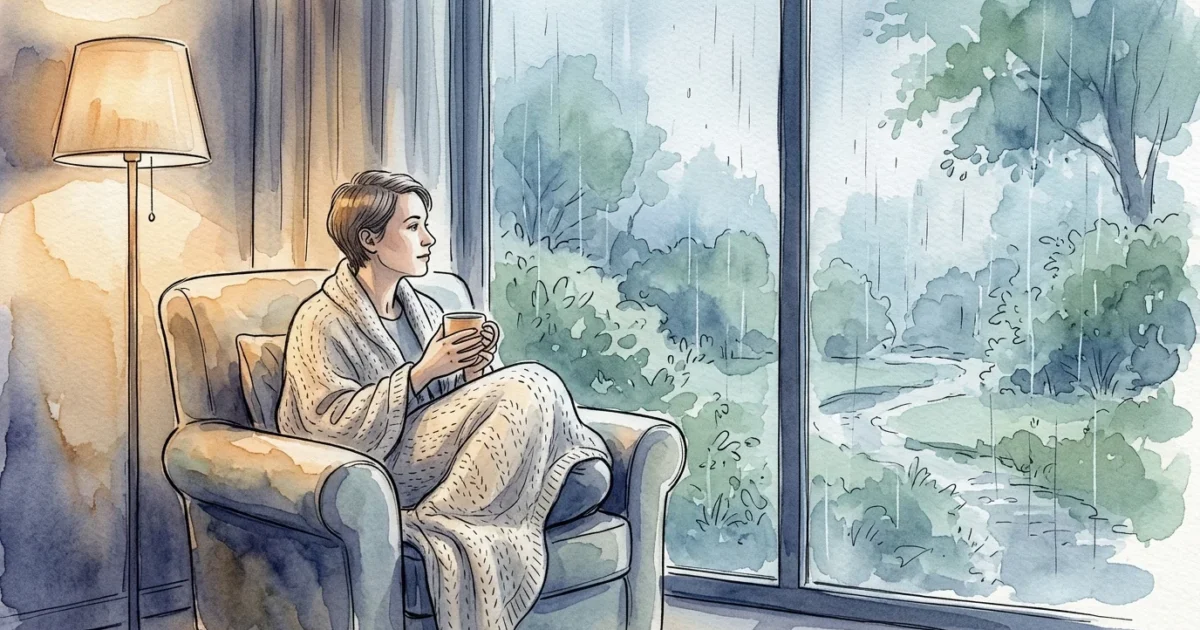
Thriving in your own company transforms how you navigate relationships, emotional stress, and personal goals. Many people confuse solitude with social isolation, assuming that spending time alone signals a lack of connection or warmth. However, psychological research highlights a clear distinction between painful loneliness and peaceful, chosen solitude. Learning to embrace quiet moments without fleeing into digital distractions or unfulfilling social commitments builds profound emotional resilience. When you cultivate comfort with solitude, you gain clarity, down-regulate your nervous system, and strengthen your sense of self-worth. Understanding the key indicators of healthy emotional independence helps you evaluate your relationship with yourself and create a balanced, fulfilling life.
Solitude vs. Loneliness: Understanding the Psychological Distinction
To evaluate your relationship with personal space, you must first understand solitude vs loneliness psychology. While society often treats these terms as interchangeable, clinical psychology views them as distinct internal states with vastly different impacts on your brain and body.
Loneliness represents a subjective distress signal; it occurs when a perceived gap exists between the social connection you desire and the social connection you actually experience. Loneliness triggers a physiological threat response, elevating cortisol levels and keeping your sympathetic nervous system on high alert. You can feel profoundly lonely in a crowded room or inside a long-term marriage if emotional intimacy is lacking.
Solitude, on the other hand, is the intentional practice of being alone without feeling lonely. According to research published by the American Psychological Association, voluntary solitude promotes self-reflection, enhances creative problem-solving, and facilitates emotional self-regulation. In solitude, your brain gets the opportunity to disengage from external social demands and reset.
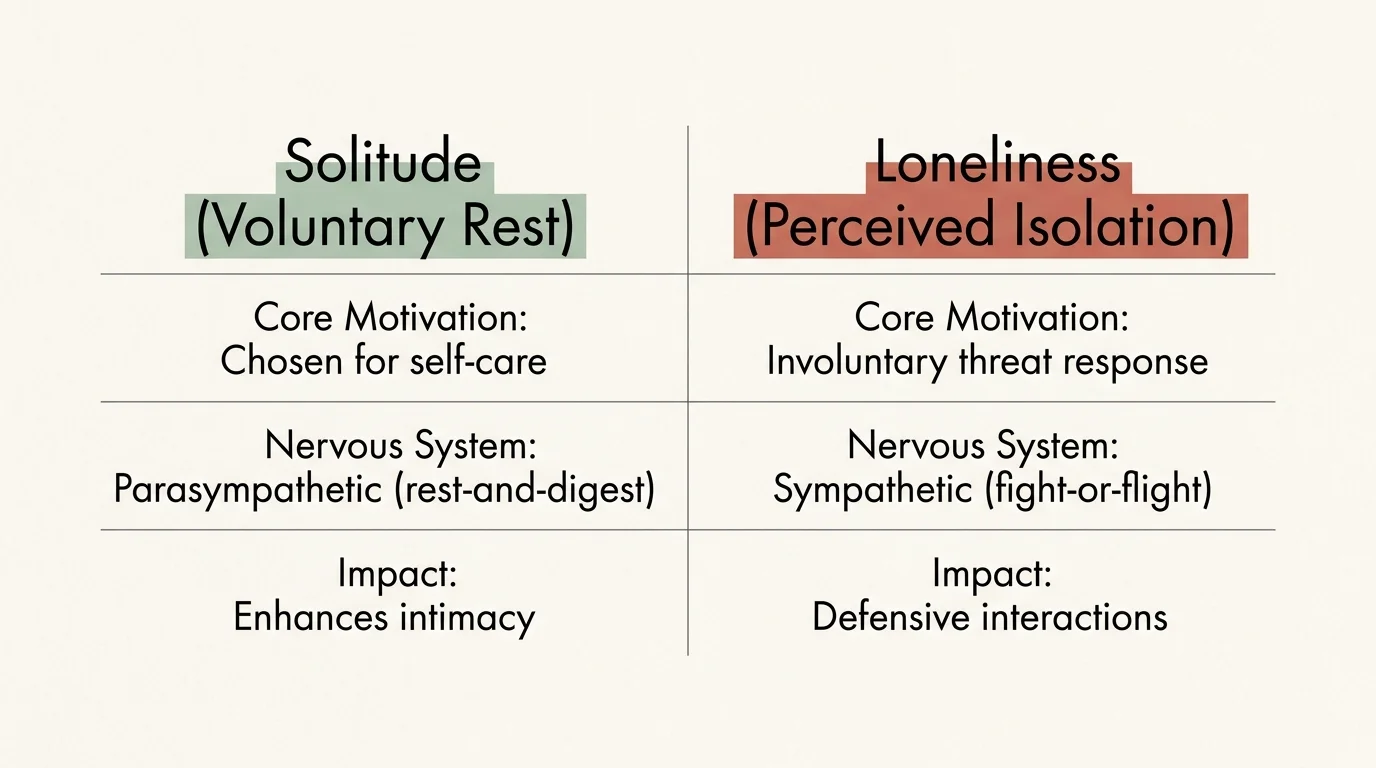
| Dimension | Solitude (Voluntary Rest) | Loneliness (Perceived Isolation) |
|---|---|---|
| Core Motivation | Chosen intentionally for self-care and focus | Involuntary; driven by unmet emotional needs |
| Emotional Quality | Peaceful, grounded, reflective, restoring | Anxious, empty, rejected, draining |
| Nervous System State | Parasympathetic (rest-and-digest) activation | Sympathetic (fight-or-flight) hyperarousal |
| Impact on Relationships | Enhances intimacy through clear boundaries | Can lead to needy or defensive social interactions |
1. You Treat Solitude as Restoration, Not Punishment
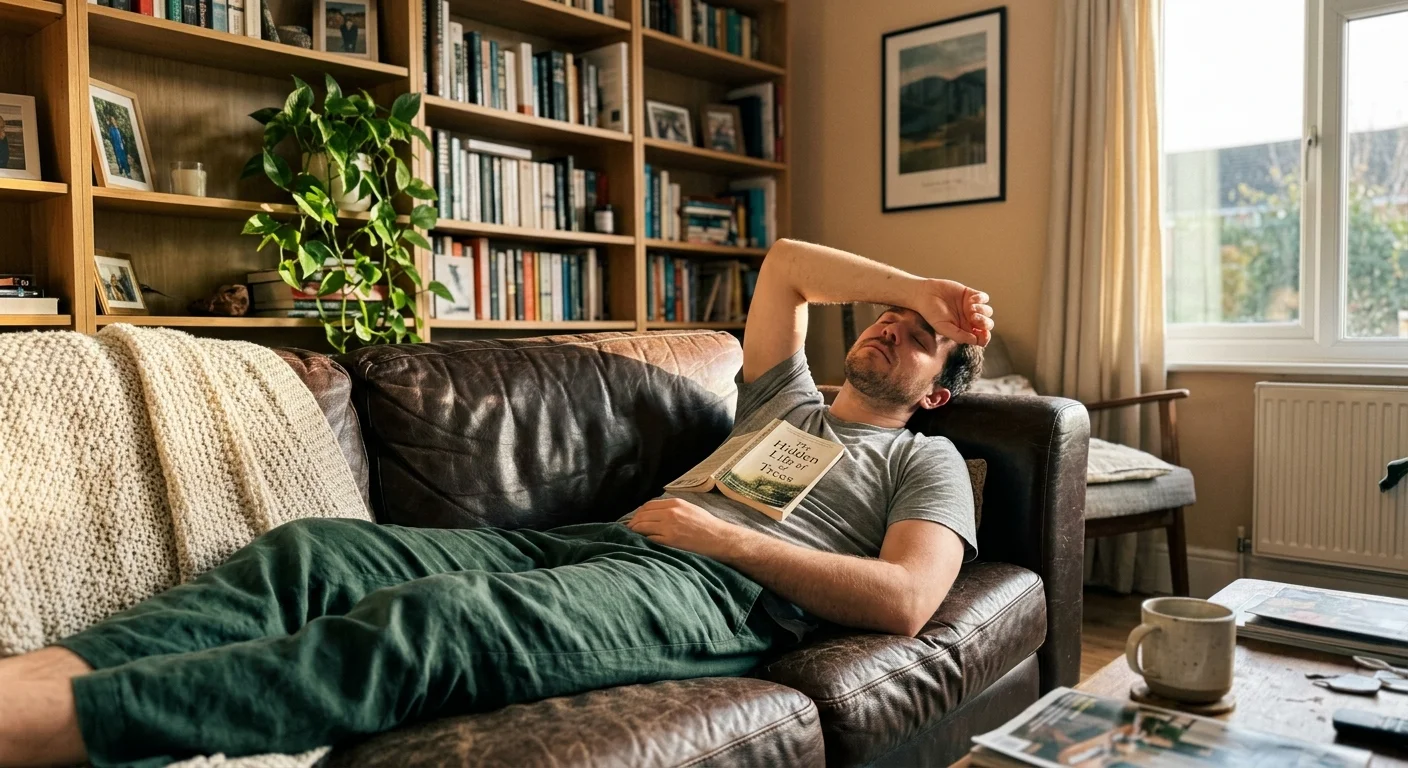
When you master healthy alone time psychology, an unscheduled evening does not feel like a void you need to fill. Instead of viewing quiet hours as a sign of social rejection or boredom, you view solitude as a vital opportunity to recharge your cognitive and emotional batteries.
Modern daily life places relentless demands on your attention. Constant notifications, work interactions, and family commitments keep your cognitive load high; over time, this continuous external stimulation causes sensory fatigue. People who are comfortable being alone recognize when their nervous system needs a break. They use solo time to engage in restorative activities—such as reading, taking a nature walk, or simply resting without guilt.
If you genuinely enjoy your quiet hours, you do not feel an urgent compulsion to reach for your phone or turn on ambient background noise the moment you enter an empty room. You welcome the stillness because you trust that your mind can rest safely within it.
2. Your Self-Worth Doesn’t Rely on External Validation
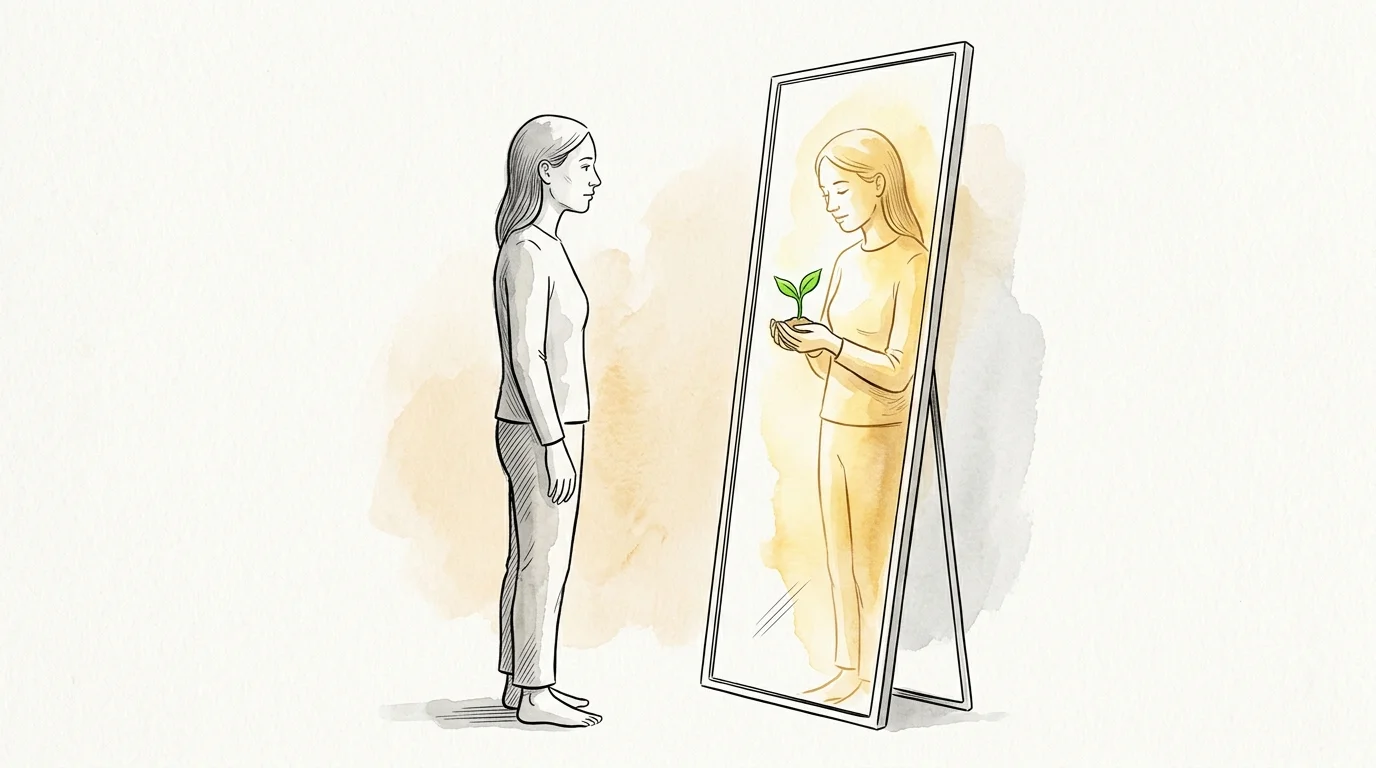
A key hallmark of psychological maturity involves shifting from an external locus of control to an internal one. Among the most noticeable signs of self sufficiency emotionally is the ability to validate your own achievements, values, and experiences without needing immediate public approval.
When you feel comfortable being alone, you can enjoy an accomplishment without instantly broadcasting it on social media or seeking praise from peers. You take pride in your progress because it aligns with your internal standards, not because it earned social accolades. This internal stability protects you from the emotional volatility that comes with constantly seeking external validation.
Consider how you handle personal choices. Can you select a outfit, pursue a new passion, or make a major life decision without polling ten friends first? Emotionally independent adults consult others for perspective, but they ultimately trust their internal compass to make the final call.
3. You Choose Relationships Out of Desire, Not Fear of Isolation
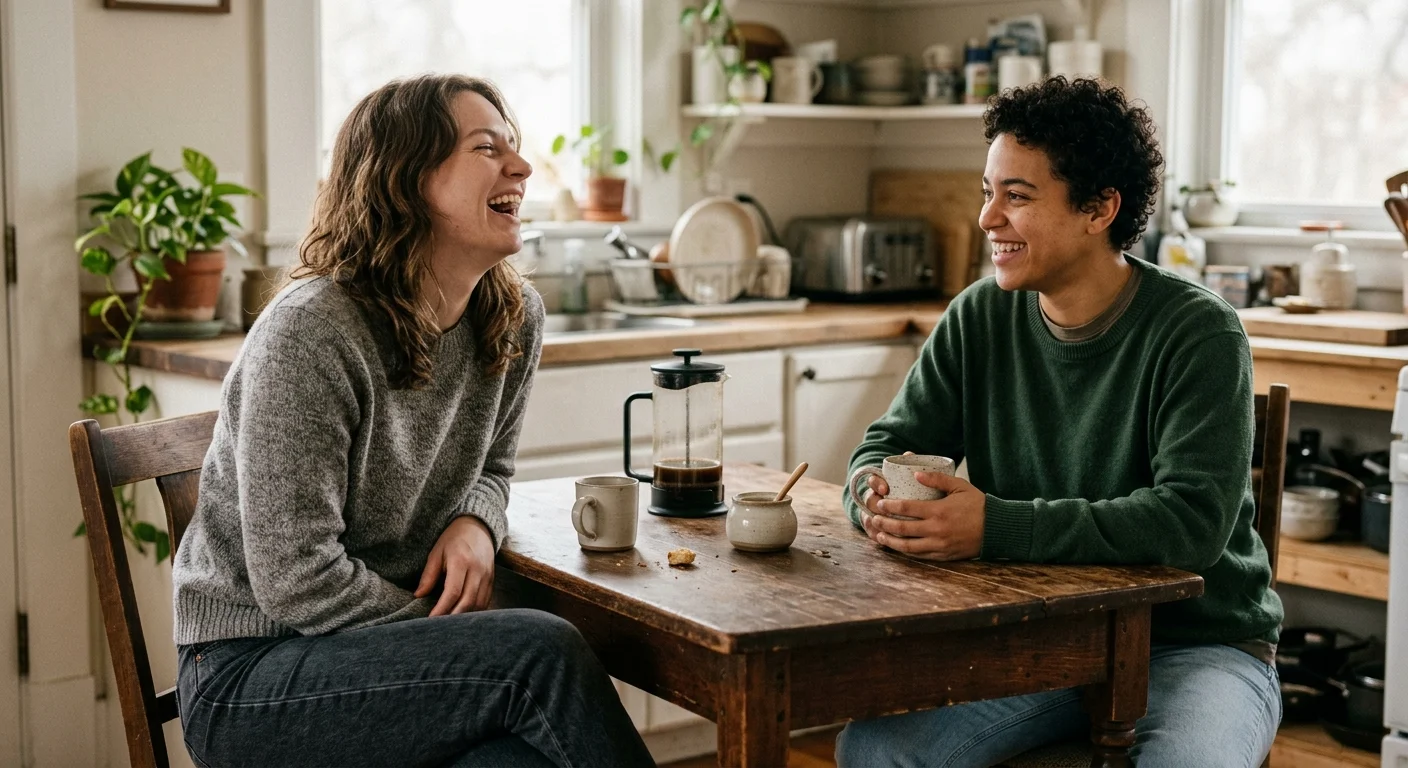
Your ability to sit comfortably with yourself directly shapes the quality of your personal relationships. Research from The Gottman Institute emphasizes that healthy romantic partnerships require two differentiated individuals who choose to share their lives, rather than two codependent individuals who fuse together out of emotional fear.
When you fear being alone, you lower your standards for how people treat you. You might stay in toxic romantic dynamics, maintain draining friendships, or tolerate emotional mistreatment simply because the alternative—an empty apartment or a weekend by yourself—feels unbearable. Fear of solitude makes you vulnerable to settling for suboptimal connections.
Conversely, being comfortable alone acts as an emotional filter. You invite people into your life because they bring genuine value, warmth, and mutual respect; you don’t keep them around just to fill physical space. If a relationship turns destructive, you possess the self-assurance required to step away, knowing you will be fine on your own.
“True belonging requires us to believe in and belong to ourselves so fully that we can find sacredness both in being a part of something and in standing alone in the wilderness.” — Brené Brown, PhD, LMSW, Research Professor
4. You Can Sit with Your Thoughts Without Fleeing to Distractions
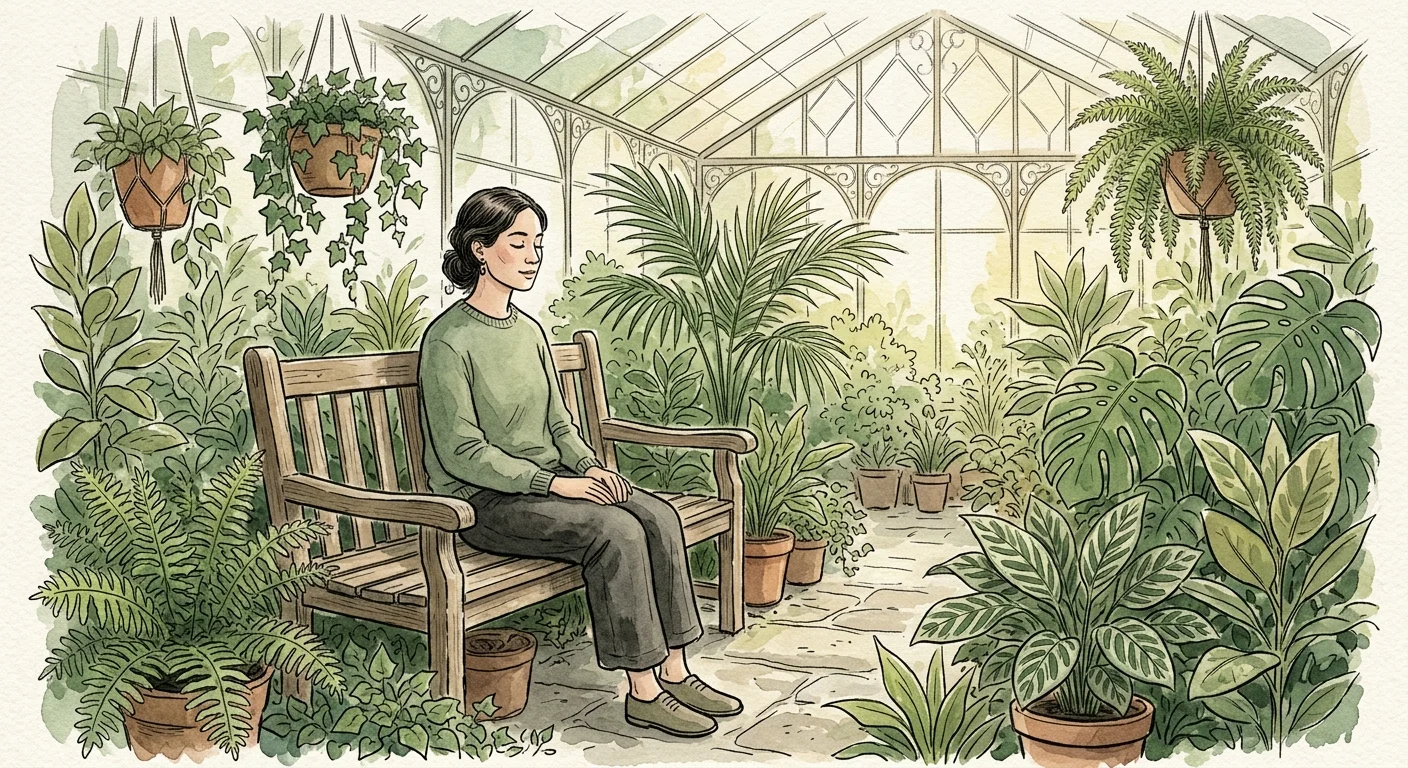
Many individuals struggle with quiet moments because solitude acts as a mirror. When external noise fades, latent emotions—unprocessed grief, career anxieties, relationship doubts, or unaddressed mistakes—surface to the conscious mind. For many, this sudden emotional presence feels overwhelming.
To avoid these uncomfortable feelings, people often rely on experiential avoidance strategies: compulsively checking emails, endless social media scrolling, binge-watching shows, or overworking. These behaviors keep the brain distracted so internal distress remains suppressed.
Demonstrating real comfort with solitude means cultivating distress tolerance. You can sit with quiet thoughts—even uncomfortable ones—without reflexively reaching for a digital pacifier. You allow your feelings to arise, acknowledge them with self-compassion, and process them naturally; this practice builds true confidence in enjoying your own company.

5. You Engage in Solo Activities with Confidence
Have you ever wanted to try a new restaurant, see a movie, or visit an art exhibit, but decided against it because nobody could join you? Expecting companion availability before participating in life restricts your world and breeds unnecessary resentment.
Psychologists refer to the anxiety of doing things alone in public as a consequence of the “spotlight effect”—a cognitive bias where individuals wildly overestimate how much surrounding people observe and judge their actions. In reality, most people pay little attention to whether you are dining alone or attending a concert by yourself.
Overcoming this hesitation serves as one of the clearest comfort with solitude signs. You do not postpone life experiences while waiting for someone else’s schedule to align with yours. You comfortably book the ticket, take the table for one, or travel to a new city because your enjoyment stems from the activity itself, not just from being seen with a group.
6. You Maintain Clear Boundaries and Respect Others’ Need for Space
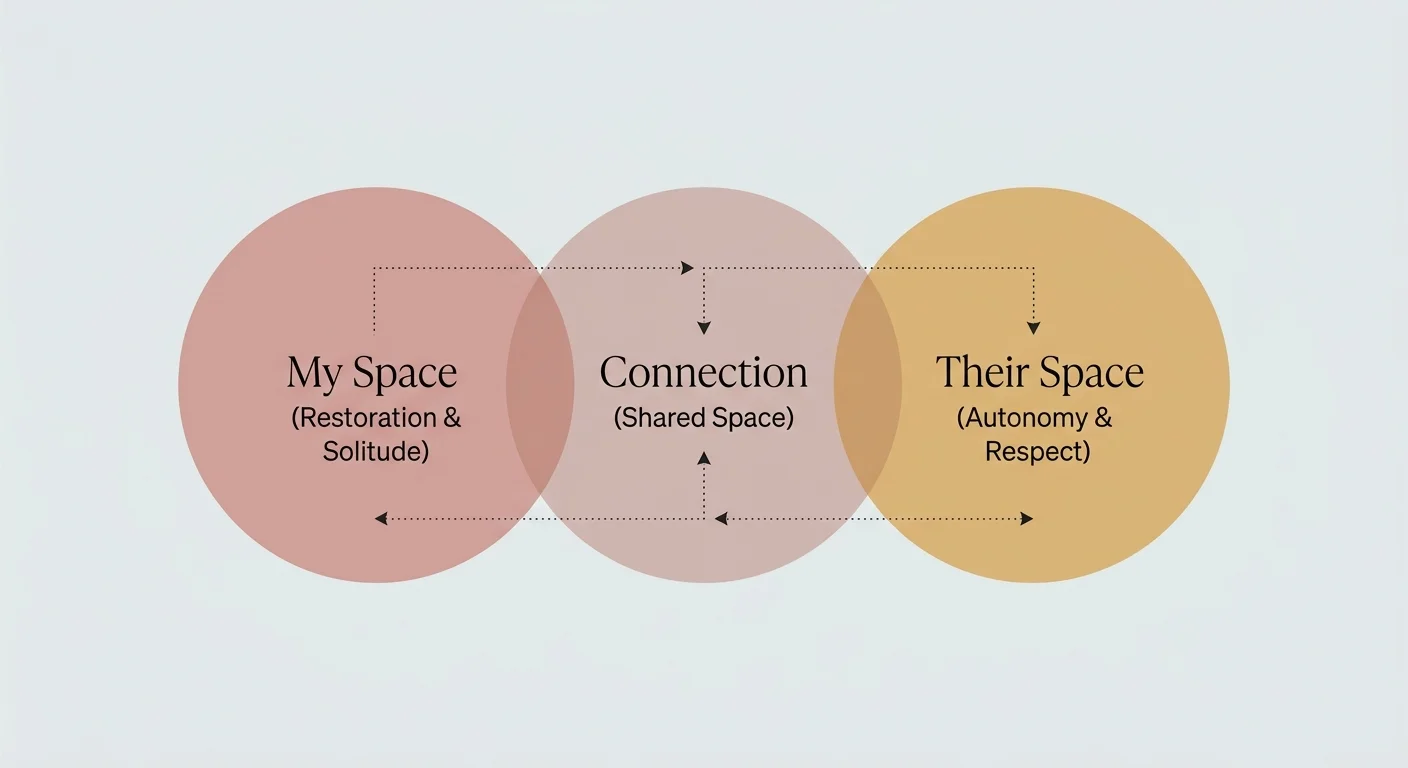
Emotional independence works bi-directionally; how you treat your own need for solitude directly influences how you handle other people’s personal boundaries. Secure individuals respect their own time and honor the independence of those they love.
When you feel comfortable in your own skin, setting firm boundaries feels natural. You can decline a social invitation when your energy is drained without offering elaborate excuses or feeling overwhelming guilt. You recognize that protecting your emotional battery allows you to show up more authentically when you do socialize.
Furthermore, when a partner, friend, or family member asks for personal space, you respond with empathy rather than panic. Secure individuals do not view a loved one’s desire for alone time as emotional abandonment or impending rejection; they recognize that healthy people need quiet space to recharge, reflect, and grow independently.
“The curious paradox is that when I accept myself just as I am, then I can change.” — Carl Rogers, Humanistic Psychologist
Myths Worth Debunking
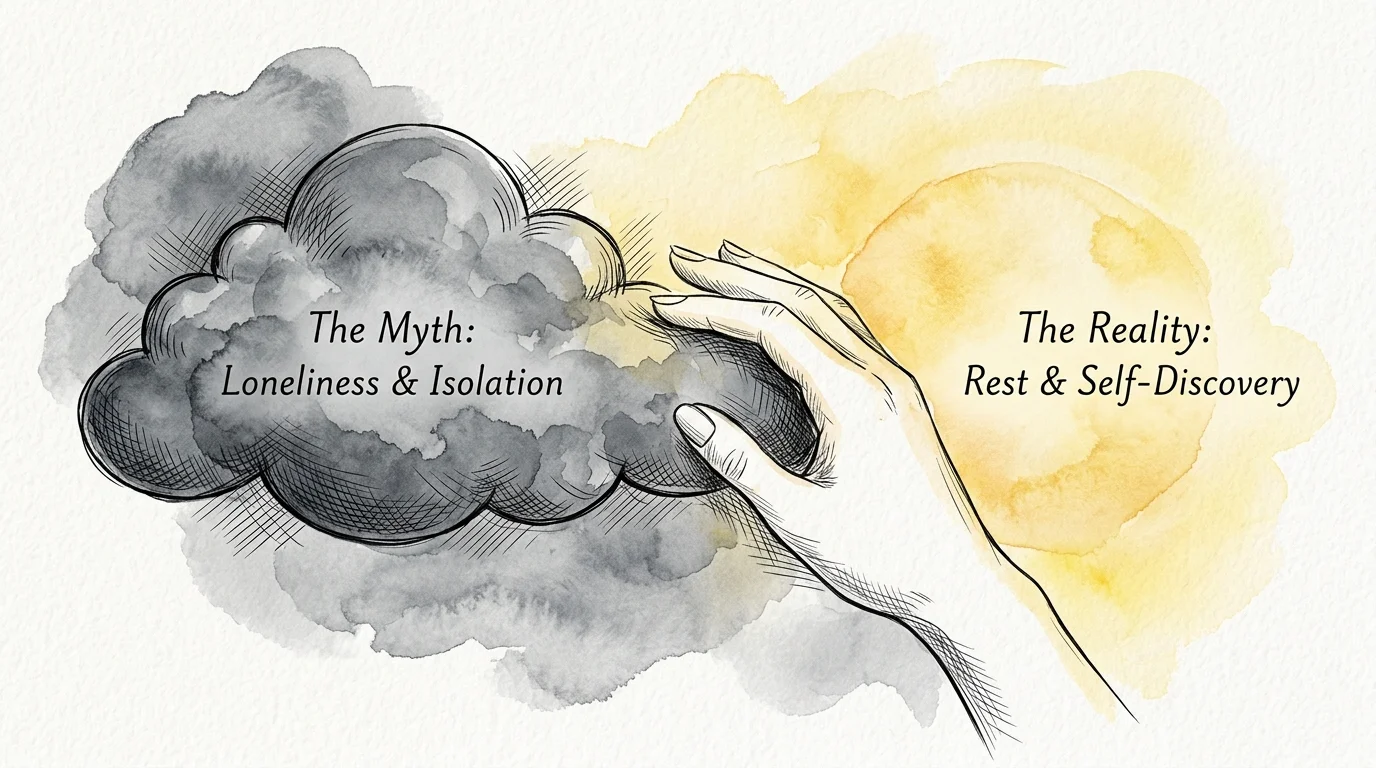
Misconceptions surrounding solitude often prevent people from developing a healthy relationship with personal space. Debunking these widespread myths helps normalize the practice of spending time alone:
- Myth 1: Enjoying solitude makes you anti-social or cold. Enjoying your own company does not mean you dislike people. Many secure extroverts and warm, highly empathetic individuals prioritize regular solitude precisely so they can show up present and emotionally available in their relationships.
- Myth 2: Highly self-sufficient people don’t need intimacy. Emotional self-sufficiency is not emotional isolation. Healthy adults require human connection; self-sufficiency simply ensures that your desire for connection comes from love and mutual growth rather than desperate dependency.
- Myth 3: Being comfortable alone is an innate trait you either have or don’t. Comfort with solitude is a skill you develop over time. If quiet hours currently trigger anxiety, you can train your nervous system through gradual exposure and intentional self-compassion practices.
Practical Strategies to Build Comfort with Solitude
If being alone currently makes you feel anxious or restless, you can build your distress tolerance using low-stakes, manageable exercises. Try integrating these practical strategies into your routine:
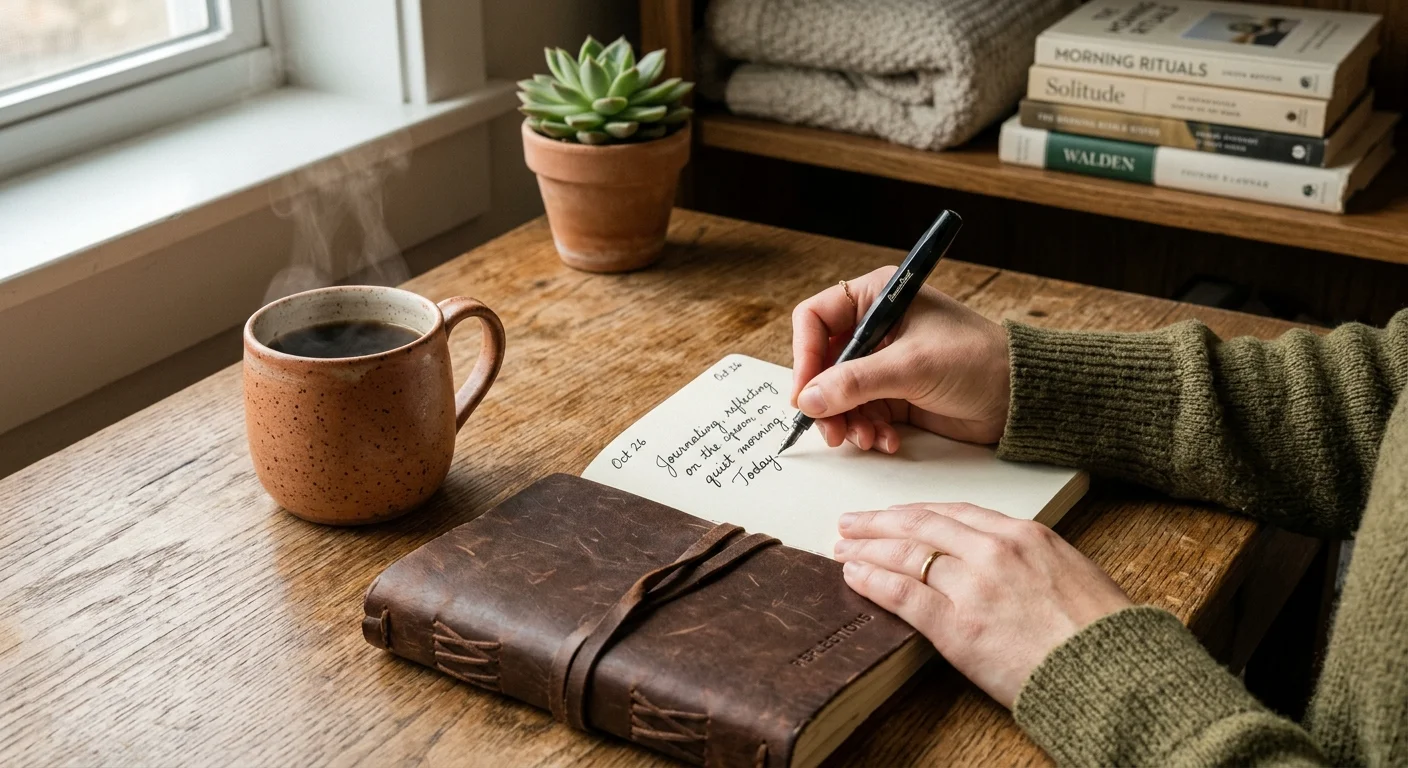
- Practice micro-solitude without devices. Start small by taking 10 minutes every day to sit quietly with a cup of coffee or tea. Leave your phone, laptop, and television in another room to let your brain settle into stillness.
- Take yourself on a low-stakes “solo date.” Plan an outing designed entirely for your enjoyment. Visit a local coffee shop, browse a bookstore, or take a scenic walk without waiting for a partner or friend to join you.
- Journal to process internal dialog. When quiet moments bring unresolved thoughts to the surface, write them down uncensored. Journaling acts as a bridge, giving your mind a structured container to process emotions safely.
- Reframe your internal narrative. Pay attention to how you talk about alone time. Replace thoughts like “I have nobody to hang out with tonight” with “I have an entire evening dedicated to resting and doing whatever I choose.”
Signs It’s Time to Talk to a Therapist
While developing comfort with solitude supports long-term mental wellness, extreme isolation can signal deeper emotional struggles. Professional mental health support from organizations like the National Alliance on Mental Illness can help you evaluate your situation if you experience any of the following scenarios:
- Using solitude as hyper-independence to avoid vulnerability: If you use alone time to build emotional walls, hide from conflict, or avoid all close relationships out of fear, you may be experiencing emotional avoidance rather than healthy solitude.
- Persistent, painful loneliness that doesn’t fade: If spending time alone triggers chronic emptiness, hopeless thoughts, or severe depressive symptoms, seeking professional guidance can help address underlying emotional wounds.
- Severe social anxiety: If you stay home exclusively because interacting with others causes intense fear, panic, or social paralysis, a licensed therapist can help you build confidence and social comfort.
- Inability to regulate intrusive thoughts during quiet moments: If solitude consistently brings overwhelming trauma responses, extreme anxiety, or intrusive negative thoughts, professional therapy provides a safe environment to process those heavy experiences.
Frequently Asked Questions
What is the psychological difference between solitude and loneliness?
Solitude is a voluntary state of peaceful self-presence that promotes cognitive restoration and self-reflection. Loneliness is an involuntary distress response caused by a perceived gap between desired and actual social connections.
How can an extrovert learn to enjoy spending time alone?
Extroverts draw energy from social engagement, so solitude can initially feel under-stimulating for them. Extroverts can build comfort with solitude by pairing alone time with engaging activities—such as solo creative projects, structured journaling, or solo outdoor adventures—before trying passive quiet activities.
Is wanting to be alone too much a sign of depression?
Wanting alone time becomes a potential warning sign of depression when it comes with emotional numbness, fatigue, loss of interest in hobbies, and active withdrawal from relationships you used to enjoy. Healthy solitude leaves you feeling recharged, whereas depressive isolation leaves you feeling exhausted and disconnected.
Can being comfortable alone improve my romantic relationships?
Yes, significantly. When you are comfortable alone, you enter romantic dynamics out of love and desire rather than panic or emotional neediness. You set healthier boundaries, communicate clearly, and give your partner room to grow without fearing temporary space.
Cultivating comfort with solitude is an ongoing personal journey rather than a single destination. As you learn to trust your internal world, spend quiet moments without judgment, and view personal time as a gift, you build an enduring foundation for both emotional independence and deep, meaningful connections with others.
This is educational content based on psychological research and general principles. Individual experiences vary significantly. For personalized guidance, consult a licensed therapist, psychologist, or counselor.
Last updated: February 2026. Psychology research evolves continuously—verify current findings with professional sources.








Leave a Reply