
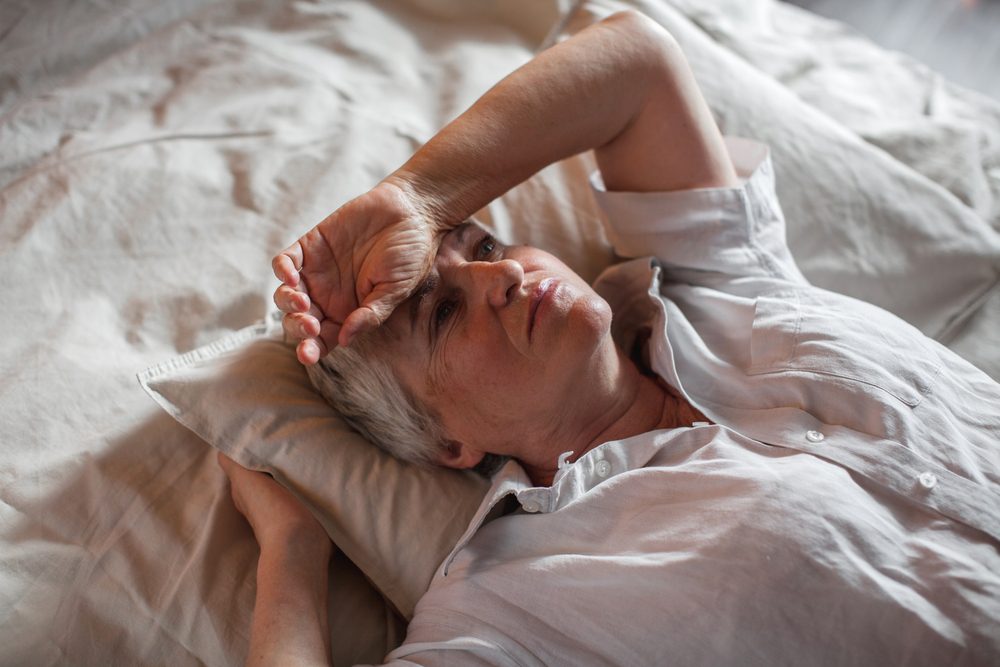
We stressed so much about this subject, mainly because anxiety is more than just a feeling; it is a mental issue. In most cases, the symptoms aren’t that obvious, and the person tends to ignore them and think it’s just “a common fear” about an uncertain situation. This is especially true for seniors who usually ignore their emotions.
Getting older is not easy, and if you used to be an active person and then suddenly developed certain diseases, you will start feeling less energetic. Because you aren’t able to do things the way you did before, you will become sad or angry. But apart from these two, there are plenty of other symptoms that specialists associate with anxiety.
Keep on reading to find everything about this mental issue because we gathered the best information for you!
1. Headaches and confusion
Common symptoms of certain anxiety disorders, such as generalized anxiety disorder, include headaches. In that scenario, you worry all the time and struggle mightily to manage your anxiety. Headaches are one of the symptoms that doctors look for when evaluating patients for GAD (generalized anxiety disorder).
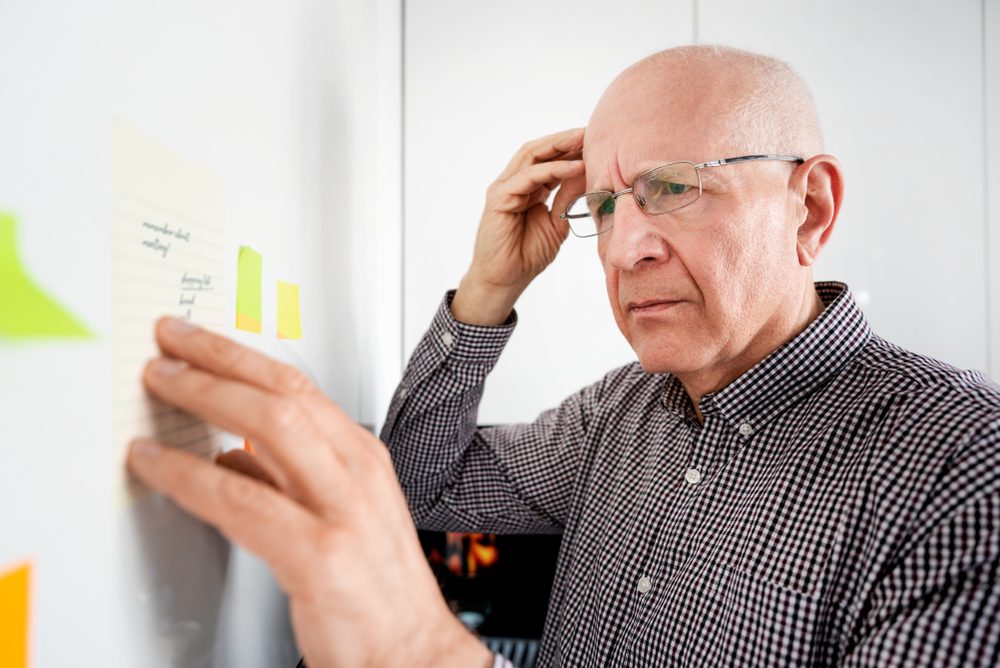
In this case, when a senior has a headache associated with confusion, that might be the cause of anxiety. Otherwise, if at least one member of your family has Alzheimer’s disease, make an appointment with your doctor.
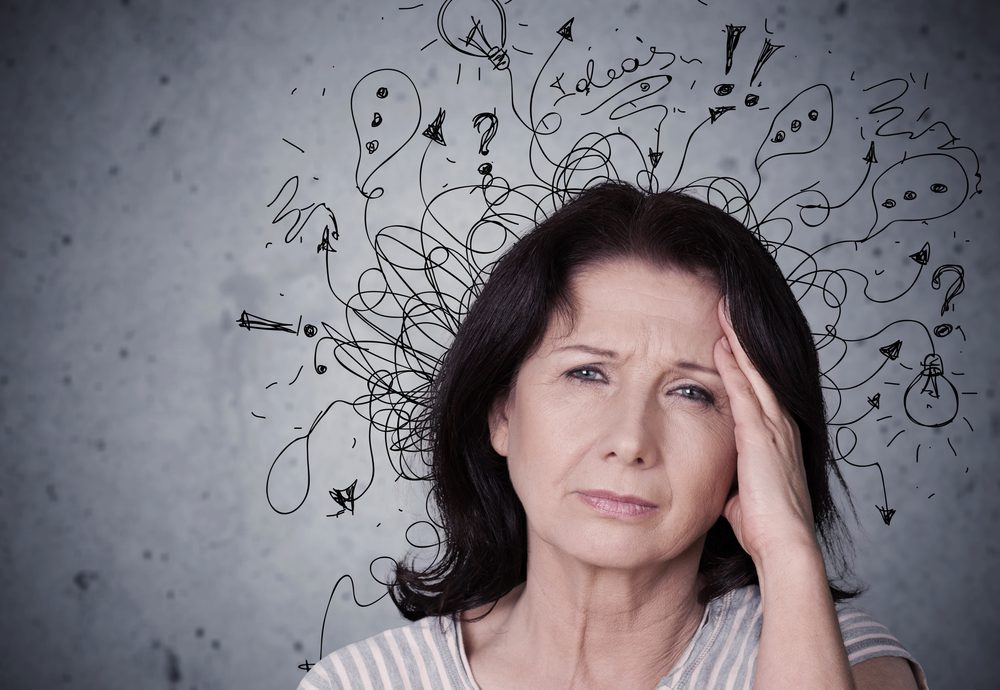
2. Avoidance of activities, places, people, and even thoughts that trigger anxiousness
This is a very common trait for all the people who suffer from anxiety. They either associate a person or a location with a misfortune that happened sometime in the past. And even as a healthy person, you won’t want to go somewhere that hurts you in any way, right?
In the case of a senior, these anxiety traits are definitely a warning sign. If you notice that you don’t like to hang out with your friends or family as much as you used to, make sure you find the cause of this. You’re either not feeling well or you’re anxious. Don’t let these thoughts consume you! Make an appointment with your doctor or therapist.
3. Loss of appetite
Your body undergoes behavioral and psychological changes as a result of anxiety to help you cope with the stress. You may lose interest in food as a result of these changes, which frequently impact the stomach and digestive system. If anxiety is the cause, once you start to feel more at ease, your hunger normally returns.
A lot of people who experience this symptom also notice sudden changes in weight. Some people eat more than usual, while others lose appetite and lose weight.
4. Lack of sleep/ sleep deprivation
According to recent studies, sleep deprivation may contribute to anxiety disorders, which in turn induce sleeping issues. A sleep problem of some kind can be found in almost all psychiatric diseases. A greater risk of acquiring an anxiety condition is also demonstrated by studies on those who have persistent sleeplessness.
If this serious problem persists for more than a week, consult your doctor to find out what you can do.
5. Constantly tense or nervous
Are you feeling stressed and pretty aggressive lately? In most cases, seniors feel this after they retire and no longer do the same activities as before. Chronic anxiety can put your body in a state of perpetual fight-or-flight, which can have detrimental and dangerous impacts on your health. While tense muscles might help you flee from danger quickly, they can also cause tension headaches, pain, and migraines if they are held in that position all the time.
If you recognize these traits in your recent behavior, it’s time to call your doctor! This also applies if you have seniors in your family that are dealing with a hard present. Be their helper!
6. Worried about physical symptoms (such as fearing of an undiagnosed medical
issue)
Seniors who feel a certain amount of worry about their physical symptoms usually associate them with diseases that aren’t actually diagnosed by their doctor. We already know that getting older is not a happy thing to happen, but it’s part of our lives and we must face it anyway. But that doesn’t mean it’s easy.
Most people tend to feel anxious about having sudden pain in their joints or their lower back, even if they did not perform any physical activities like working out or walking. Before you diagnose yourself with a medical issue, check with your doctor. They might also recommend a complete set of blood tests that can help them determine the cause of your aches.
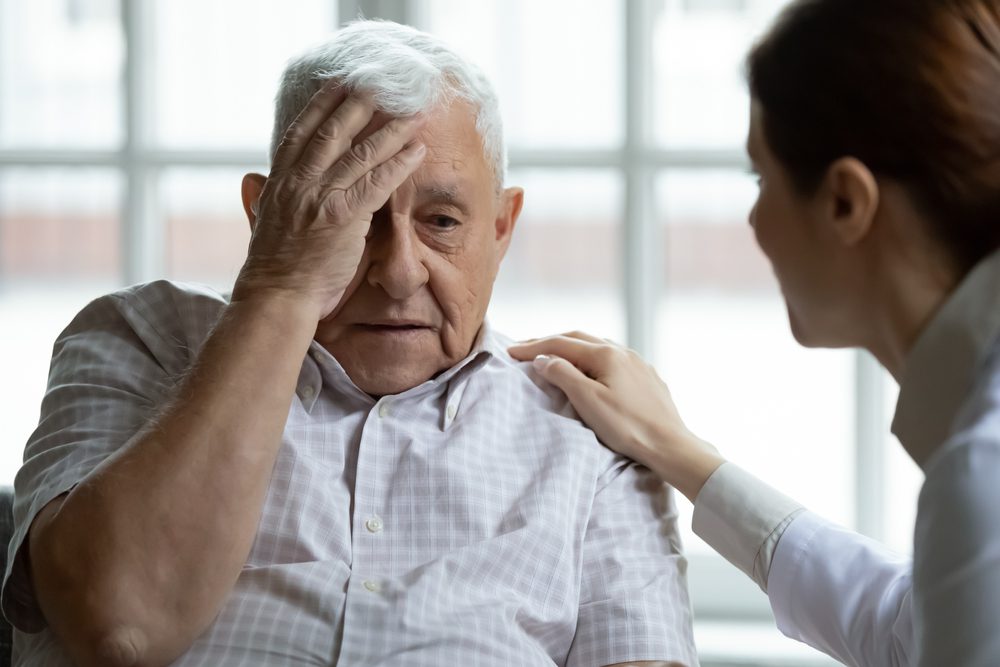
Although anxiety doesn’t always have a precise cause, it frequently results from or is made worse by particular environmental and situational elements. We experience difficulties and pressures as we get older that we may not have previously experienced. Big changes in life, especially after retirement, tend to overwhelm us.
This transition might be difficult, especially if we’re alone or if our spouse recently died. Situations can be diverse, and every human being is affected in their own way. But you can always create different coping mechanisms that can help you get through a bad event or situation.
We mentioned all the warning signs of anxiety in seniors; now we’ll state all the triggers that you should look out for:
- Health issues and the expensive health care
- Dementia
- Loss of independence
- Retirement planning
- Immobility
- Isolation (especially in the past 2 years because of Covid Pandemic)
- Loss of someone loved
- Vision loss or diminished taste and smell because of a health issue
- Financial issues
Why should seniors be concerned about anxiety?
Anxiety and depression are frequently co-occurring conditions in older persons, and both can have a negative impact on quality of life and general health. Knowing their symptoms is essential, as is discussing any worries with a doctor or a close member of your family and asking for their help.
Because this issue has a deep connection to memory, it can also produce amnesia or trigger flashbacks to a terrible incident. Anxiety might be a result of typical concerns about aging. Many seniors fear dying, being abandoned, being victimized, not having enough money to pay for their medications and living expenses, falling, and becoming dependent on others. And even if these sound like common issues for our time, some people are being really affected by them.
Bottom-line:
Although the majority of individuals with anxiety disorders require medication or psychotherapy to reduce their anxiety, coping mechanisms and lifestyle changes can also be effective. And one of the first coping mechanisms is physical movement. It is critical to move for at least 30 minutes per day, whether you do yoga, jogging, or bodyweight exercises. Also, try to establish a daily routine.
While exercise helps you maintain both a healthy mind and body, try to get enough sleep. Another coping mechanism for this issue is to accept that you can’t control everything. Especially in the past three years, when everything was a mess, a lot of seniors dealt with depression and anxious thoughts.
Since there is no room for perfection in this world, just try to do your best. Be proud of your progress, even if it’s small, and start appreciating what you have. A positive mindset might also help you!
Psst! Don’t forget to welcome humor into your life. Because a good laugh goes a long way.
Don’t neglect your mental health! It’s as important as the physical one, especially when we get older. If you’re interested in other common diseases for seniors, check this one out: 7 Worst Types of Dementia and How to Identify Yours.






Leave a Reply