Psychology Diary

The First Step Toward Change Is Awareness

  • Home
  • Relationships
  • Mental Health
  • Expert Tips
  • Life
  • Family
  • Marriage

Am I in a Toxic Relationship?’ 8 Questions to Ask Yourself

August 31, 2025 · Relationships

Older couple holding hands, communicating calmly on a couch.

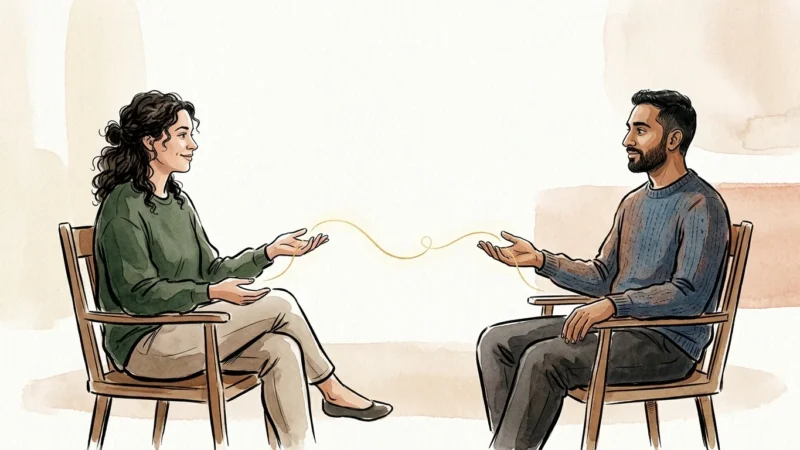
What to Do with Your Answers: From Insight to Action

After reflecting on these questions, you may have a clearer, if perhaps more painful, picture of your relationship dynamics. This awareness is the first and most crucial step. Now, let’s explore what you can do with this new insight. The path forward depends on where you landed.

If Your Answers Were Mostly Positive

If you found that while you have challenges, your relationship is fundamentally respectful, supportive, and communicative, that is wonderful news. The goal now is maintenance and intentional connection. Don’t take the good for granted. Consider implementing a small ritual to protect your bond.

One powerful tool is a weekly “State of the Union” check-in. This is a 20-minute, structured conversation designed to keep small issues from becoming big ones. Set a timer and find a calm time when you won’t be interrupted.

Mini-Example: A Weekly Check-In Script
Partner 1: “Let’s start our check-in. This week, one thing I really appreciated was when you brought me a cup of tea while I was working on our taxes. It made me feel so cared for. Thank you.”
Partner 2: “I’m glad you felt that. I appreciated you taking the lead on that task. Something that’s been on my mind is that I’ve been feeling a bit disconnected with our busy schedules. Could we plan a walk together this Saturday morning, just us?”
Partner 1: “That’s a great idea. I’ve been feeling it too. Let’s put it on the calendar right now. Is there anything else on your mind?”

This simple format—sharing an appreciation, raising a concern gently, and collaboratively finding a solution—can be a powerful tool for relationship maintenance.

If Your Answers Were Mixed

This is a common space to be in. You see moments of real connection and love, but also clear patterns of toxic behavior. This is a “yellow light” zone—a signal to proceed with caution and intention. The focus here should be on improving your communication hygiene and setting boundaries.

First, commit to ending the “Four Horsemen” in your own communication. Even if your partner continues, you can change the dynamic by refusing to engage in criticism or contempt. Use I-statements to express your needs.

Second, introduce the concept of a “time-out.” When a conversation gets heated and you feel yourself approaching emotional flooding, you can say: “I’m feeling too overwhelmed to talk about this productively right now. I need to take a 20-minute break to calm down. I promise we will come back to this conversation at 7 p.m.” The key is the promise to return. This is not stonewalling; it is a structured pause for de-escalation.

If these changes don’t improve the dynamic, or if your partner is unwilling to work with you, consider suggesting couples counseling. A neutral third party can provide tools and insights that are difficult to find on your own.

If Your Answers Were Mostly Negative

If reading these questions felt like a checklist of your daily life, it is vital to prioritize your safety and well-being. This is a “red light” zone. The patterns you’re experiencing may fall under the umbrella of emotional abuse. These are some of the signs you are in a mentally abusive relationship: constant criticism, control, isolation, gaslighting (making you doubt your own sanity), and threats. Your first priority is not to fix the relationship, but to find support for yourself.

Do not try to confront your partner by labeling them “toxic” or “abusive,” as this can escalate the situation and put you at risk. Instead, focus on these steps:

1. Seek confidential support. Talk to a trusted friend, family member, or a therapist who has experience with relationship dynamics and abuse. Sharing your story with someone who will believe you is a critical first step.

2. Document incidents. Keep a private journal (online in a password-protected document or on paper in a safe place) detailing specific incidents. Note the date, time, what happened, and how you felt. This is not for your partner, but for your own clarity and potentially for legal or therapeutic purposes later.

3. Create a safety plan. If you are considering leaving, safety is paramount. The question of how to leave a toxic relationship safely is complex. The National Domestic Violence Hotline offers confidential, free support and can help you create a personalized safety plan. This may include setting aside money, making copies of important documents, and identifying a safe place to go.

Your well-being matters. You deserve to feel safe, respected, and at peace in your own home.

Pages: 1 2 3 4 5 6 7

Share this article

Facebook Twitter Pinterest LinkedIn Email

Leave a Reply Cancel reply

Your email address will not be published. Required fields are marked *

Search

Latest Posts

  • Torn paper collage forming a woman's silhouette that reveals an empty wooden room with a single chair. 8 Signs Someone Struggles to Name Their Own Needs
  • Watercolor illustration of a woman in profile holding a floral patterned screen over her face amid watercolor splatters. 10 Behaviors That Signal Someone Fears Being Truly Known
  • Illustration of hands clutching spilling sand beside spools of unspooling blue thread on textured paper. 10 Behaviors Linked to a Deep Need for Control
  • A woman with wet hair walks down a sidewalk in the pouring rain at dusk as car taillights glow in the street. 12 Signs Someone Has a Deep Fear of Being a Burden
  • Halved grapefruits, cubed cheese in a bowl, a brown pill bottle, and a glass of water on a sunlit wooden table. 8 Foods That Can Interact With Common Antidepressants
  • A woman curls up anxiously in an armchair at dusk, staring intently at a smartphone resting on a wooden coffee table. 9 Behaviors That Signal a Fear of Abandonment
  • Woman sitting curled up on a couch in a sunlit living room, looking pensively out a window. 8 Traits Common Among People Who Struggle to Trust
  • Mixed-media collage of a woman's portrait surrounded by three decorative masks and motivational paper slips. 8 Behaviors That Secretly Signal Low Self-Worth
  • A senior man and woman smile while assembling a wooden birdhouse together on a rustic outdoor patio table. 14 Ways to Prevent Loneliness in Retirement
  • A woman in a dark sweater sits by a rain-streaked window holding a steaming mug beside a book and a candle. 10 Symptoms of Seasonal Depression to Watch For

Newsletter

Get the latest posts delivered to your inbox.

Related Articles

things narcissists do after a breakup, men say no to intimacy

Evil but Common Things Narcissists Do After a Breakup

Revenge might be around the corner This is probably one of the ugliest things narcissists…

Read More →
set healthy boundaries. things you should stop after 60,

7 Ways to Set Healthy Boundaries With Your Family

Do you know how to set healthy boundaries with your family? When you think about…

Read More →
marriage

These 5 Marriage Cons Will Make You Reconsider Yours

3. People change, and that’s ok So, you’ve met Mr. or Miss Right, and you…

Read More →
An ink and watercolor illustration of a human head cracking like stone, with golden light leaking through the fissures.

11 Small Clues That Can Expose a Lie

Learn the subtle psychological and physiological signs of deception. Discover 11 small clues that expose…

Read More →
A conceptual mixed media collage with a compass, geometric shapes, and watercolor washes symbolizing structure and flow.

8 Signs You’re a Self-Disciplined Person

Discover the psychological markers of true self-discipline, from environmental design to emotional regulation, and learn…

Read More →
emotional blackmail, emotional masochist

10 Shocking Signs You Might Be an Emotional Masochist

Are you an emotional masochist? These signs say yes! Even though whips and chains might…

Read More →
A woman in a green sweater sits thoughtfully on a living room sofa, looking out a large window beside an open notebook.

9 Signs You’re Dealing With a Manipulative Person

Discover 9 clear signs of manipulation, understand how manipulators operate, and learn research-backed strategies to…

Read More →
cheating partner

10 Most Common Lies Cheating Men Will Say

He went out with “his colleagues” He has always been a workaholic, ever since you…

Read More →
A mixed media collage of a figure made of layered paper and watercolor, symbolizing emotional flexibility and resilience.

12 Signs You’re Mentally Stronger Than You Realize

Discover the unexpected, research-backed signs of true mental strength and emotional resilience that prove you…

Read More →

Psychology Diary

The First Step Toward Change Is Awareness

Inedit Agency S.R.L.
Bucharest, Romania

contact@psychologydiary.com

Explore

  • About Us
  • Advertiser Disclosure
  • Contact Us
  • Disclaimer
  • Do not sell my personal information
  • Editorial Policy
  • Frequently Asked Questions
  • Privacy Policy
  • Terms and Conditions
  • Subscribe
  • Unsubscribe

Categories

  • Expert Tips
  • Family
  • Life
  • Marriage
  • Mental Health

© 2026 Psychology Diary. All rights reserved.