

See here how dating a narcissist changes you:
According to research data, between 0.5% and 5% of people in the U.S. may have a narcissistic personality disorder. While these numbers are still small, more and more people talk on social media about how bad their experiences were regarding dating a narcissist.
These kinds of relationships are usually marked by an idealization-devaluation cycle, in which the narcissist shows their partner a lot of love and attention at first but then mocks and insults them later on.
One may experience a decline in self-worth, a rise in worry, and a sense of disorientation regarding their own emotions and perceptions as a result of this dynamic.
In this article, we will discuss how dating a narcissist changes you and how you can help yourself get over this trauma.
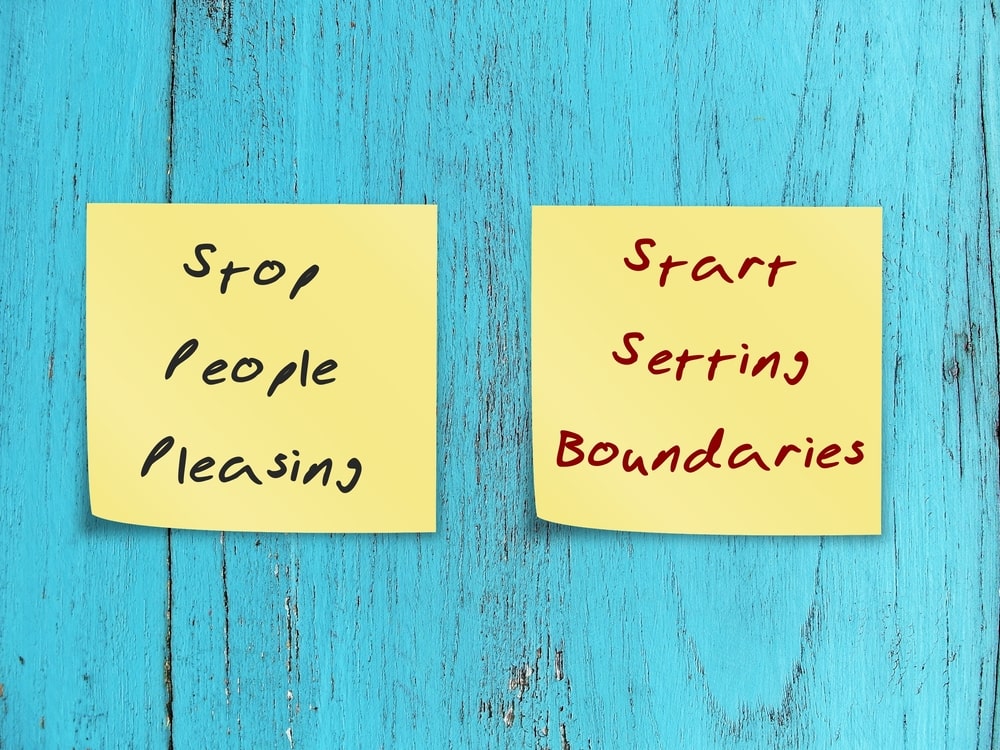
1. You’ll have difficulties in setting boundaries
For many people, establishing boundaries isn’t easy. They may think that if they say “no,” nobody will like them anymore, or worse, they’ll be seen as selfish. In reality, having boundaries is very healthy, and it can protect your mental health.
But what happens when you date a narcissist for a long time? Well, dating a narcissist changes you in ways you can’t even imagine, and difficulty setting boundaries is one of them.
When a narcissist consistently crosses your limits, it may be difficult for you to set and uphold your boundaries months after the breakup. This may carry over to other aspects of your life, where you may struggle to stand up for your rights and demands.
2. The overall perception of love and relationships will be altered
Your perception of good relationships and love may be distorted if you date someone who suffers from narcissistic personality disorder. Rather than being a sign of respect and regard for one another, love might start to seem transactional or conditional, dependent on performance or pleasing the narcissist.
3. You’ll develop hyper-vigilance
Being very watchful or living in a place where criticism is unavoidable might cause hypervigilance. It is stressful and draining to always be on the lookout for possible issues, and it may negatively affect both your physical and emotional well-being.
4. Altered self-view
Dating a narcissist can also leave you with self-doubt, thinking that you’re never going to be worthy of others. This can happen because of how well a narcissistic partner can abuse you emotionally.
One of the worst things narcissists frequently do is criticize and insult their partners, which causes a sharp decline in self-worth. This continuous denigration over time might cause you to question your value and skills, which will have an impact on how you see yourself and your potential.
A lot of people who have a relationship with a narcissist have issues recovering their true selves after it. This can lead to another issue, which is the difficulty of trusting other people. This subject we will approach in the next paragraph.
5. Difficulties in trusting others
If reading about how a relationship with a narcissist can damage your self-worth and self-trust made you sad, imagine how hard it will be to see the world again as you saw it before.
In the future, you could find it difficult to build trustworthy connections because you might start to become extremely wary or skeptical of other people’s motives. You will only see the bad in people without even giving them the benefit of the doubt. Nobody is perfect, that’s true, but at the same time, no relationship (romantic or not) will work without a solid trust base.
6. Anxiety issues may occur
Chronic anxiety can result from the emotional ups and downs of a relationship with a narcissist. You may find yourself mentally and emotionally exhausted by your continual concern about how you can please the narcissist or escape their rage.
7. Dependency
The deceptive methods used by narcissists might make their victims feel dependent on them. It may make you feel like you depend on them for decisions or acceptance, robbing you of your freedom and self-sufficiency.
8. Changed expectations from future relationships
Of all the ways that dating a narcissist changes you, this is probably the worst. Your future relationships may suffer significantly because of this toxic relationship.
You might become extremely cautious and avoid closeness in an attempt to shield yourself from possible injury, or you can lower your standards too low and think you don’t deserve better.

This is what you can do to heal after breaking up with a narcissist:
-
Go for therapy
Sometimes it may be hard to ask for help, but after ending a relationship with a narcissist, it may be necessary. A professional therapist may be of assistance to you if you are experiencing persistent triggers, depression, or anxiety.
You may process and recover from the narcissistic abuse in a secure, accepting environment by attending therapy. If you think you would benefit from the assistance of a therapist and other people going through similar issues, group therapy might also be a suitable choice.
You have the right to happiness, security, and safety in any relationship. Like other types of abuse, narcissistic abuse may be extremely distressing and transformative. After trauma, there is always room for improvement and healing, though.
If therapy is too expensive or you’re not ready to go and talk openly about your traumas, don’t worry. A good book can be helpful too! Healing and Recovery from Narcissistic Abuse: Rebuild Your Life and Reclaim Your Happiness After Narcissistic Trauma is a book that helped many people get over a toxic relationship and start reliving their lives. It can help you too! You can find it on Amazon in both formats for just $10.
-
Pay attention to your triggers
Be present and connect to all your triggers that may remind you of the relationship with your narcissistic ex. Triggers are emotions or circumstances that recall bad memories from the past and make you feel extremely uncomfortable.
If triggers are not effectively controlled, they might result in severe emotional discomfort. It can be difficult for someone who has just ended an abusive relationship to adjust to a new life without a narcissistic abuser, and they may experience frequent triggers.
-
Focus on self-care
If you want to heal properly after the breakup, it’s very important to focus on yourself more. This includes pampering yourself but also following a healthy diet, getting enough sleep, and engaging in physical exercise.
Taking care of your health and recognizing the value of your needs is what self-care is all about. If until now you’ve been focusing on the other person more, now it’s time to do something for you too.
Be kind to yourself and allow yourself to grieve the past, which wasn’t exactly easy. Being with a narcissist can damage you so badly that it will be hard to get out of the relationship “whole.” Don’t punish yourself for past decisions because, at the time, they were what you wanted. Consider this a lesson that can help you be more careful when choosing your life partner.
Do you want to know why people keep falling for individuals who have narcissistic personality disorder? Check out this article 6 Reasons Why People Fall in Love With Narcissists.








Leave a Reply