
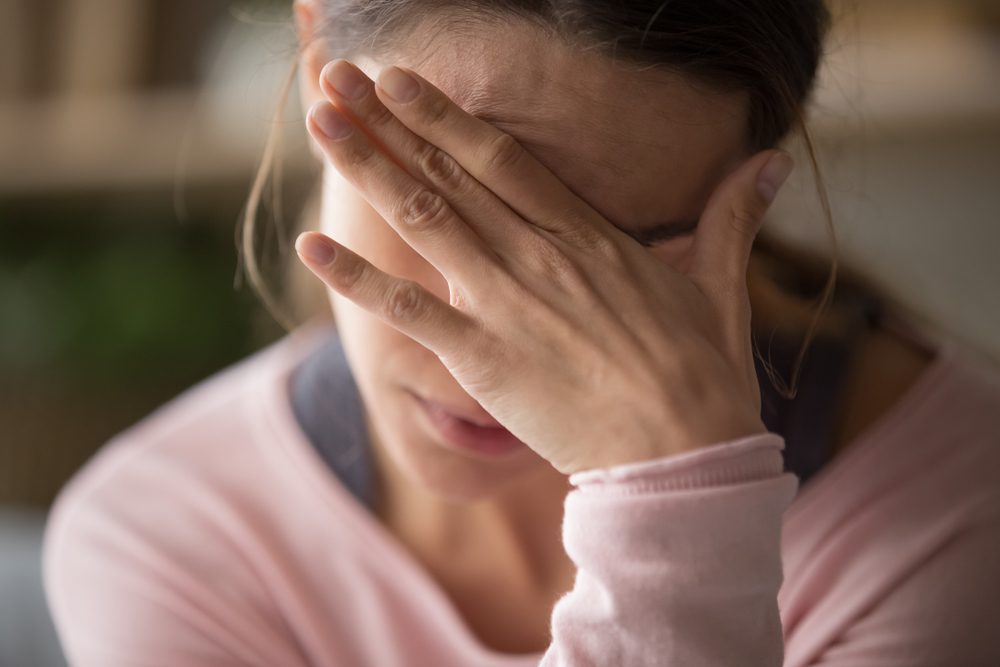
When you think of anxiety, you probably have an idea of some of its most obvious signs: worrying nonstop, feeling agitated, and sweating nervously. However, anxiety has many more symptoms, many of which we tend to overlook.
These subtle signs of anxiety probably cannot be classified as part of a disorder, but they can interfere with our daily lives in ways we don’t realize.
Many of us would rather not consider ourselves anxious because we think of it as a weakness or a personal failure. Well, I’m here to tell you it’s neither, and we all experience anxiety from time to time.
The more we can recognize the uneasy feeling in ourselves, the less it will control our lives. Here are 10 subtle signs of anxiety to look for!

1. Constantly Planning Ahead
Do you tend to leave as little as possible to chance? For instance, let’s say you have to drive all the way across town for an important meeting. Would you think ahead of potential problems that might come up, such as trouble finding parking, difficult intersections, or traffic delays? If you usually do this, chances are you’re also thinking of ways to avoid them.
And there are also interactions with others — especially with strangers — that can be pretty challenging for those dealing with anxiety. Or, before a conversation, you spend a significant amount of time considering what you want to say and how the other person will respond.
You may tell yourself you just like being organized, but it’s actually driven by a subconscious fear that something could go wrong if you don’t plan ahead.
2. Always Seeking Distractions
Whenever you have a spare moment, you fill it with social media or other distractions. You instantly grab your phone, read the news, or check your email. These behaviors are usually unconscious efforts to settle the restlessness that emerges in an unoccupied mind. But here’s the thing: these mindless types of distractions will temporarily make you feel better.
When you start to feel anxious, your brain may seem to tell you to do anything to take your mind off of it, but choosing these activities rather than coping may lead to some bad habits — habits that you’ll return to rather than facing your anxiety.
3. Perfectionism
In a similar way, you may seek predictability in everything you do: your meals, your schedule, and your interactions with other people. It’s normal to look for comfort in routines, yet routines can easily become ruts that trap you in your well-worn path.
As a result, you lose the chance to experience the surprising joy you may find outside your comfort zone. On the surface, perfectionism seems harmless. After all, most of us aspire to be our best every day. But in truth, perfectionism can turn into an excessive desire to avoid errors, failures, and mistakes that — let’s face it — are common in life.
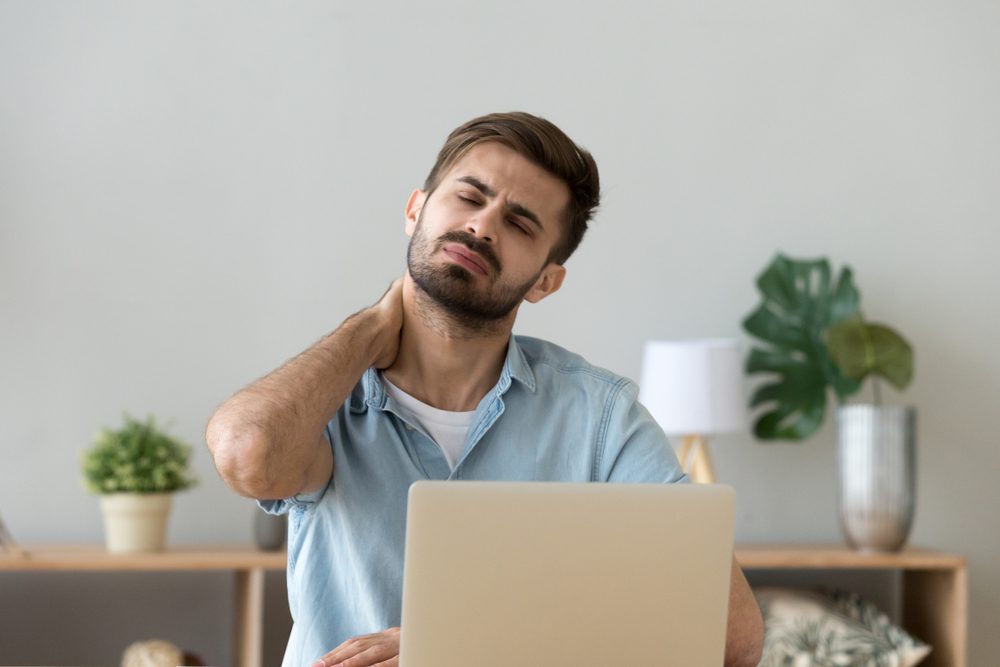
4. Carrying Physical Tension
Anxiety often manifests physically as muscular tension. And while you may not feel anxious, your body is indicating otherwise. Your stomach is in knots, your shoulders are tense, and your jaw is
Carrying anxiety in the body may make you less likely to feel it emotionally, so chances are you won’t recognize it as anxiety. While people experience different degrees of muscular tension and may feel it in different areas of their bodies, there’s no denying that when someone is anxious, they will likely have tense muscles.
Some techniques to relieve this physical tension can be things like gentle stretching, having someone give you a massage, going for a nice walk, taking a warm bath, doing light to moderate exercise, and getting a good night’s sleep.
5. Stomach Issues
Anxiety can cause or increase stomach issues like constipation, diarrhea, nausea, bloating, indigestion, burping, flatulence, IBS, and other gastrointestinal problems. While these digestive conditions can have multiple root causes, it has been found that anxiety and depression can upset the balance of digestion.
A common example is having an urgent need to visit the restroom or feeling nauseous before giving a presentation or speaking in public. You’ve probably heard of or experienced the famous “butterflies in your stomach” or “gut feeling.” Well, these reactions often happen when you’re feeling anxious.
This is due to the enteric nervous system, commonly known as the “second brain”, which regulates the gut. It’s worth mentioning that neurotransmitters travel from the brain to the digestive system and vice versa.
6. Avoiding Social Situations
You often avoid or turn down opportunities to socialize with other people. Perhaps you’re telling yourself that you’re an introvert or that you’re “not in the mood”, and that avoiding these social situations is just a temporary preference (yes, I’ve been there before).
It’s normal to feel nervous when attending social gatherings. For instance, giving a presentation or going on a date may cause a nervous feeling in your stomach. It happens to most of us.
Social anxiety disorder, on the other hand, manifests differently. Also called social phobia, this disorder causes self-consciousness, significant anxiety, and embarrassment because you’re afraid of being judged or scrutinized negatively by others.
7. Difficulty Delegating To Others
When you’re in charge of something (work-related or not), you need to supervise the whole process. An anxious person will feel the urge to do this even when they don’t have time to.
You struggle to give up control, and you constantly worry that others will let you down by not being as efficient as you would. And when you do delegate, your fear of giving up control makes you micromanage the process.
This obviously tends to be more complicated when it happens at work. Yes, you know it’s important to delegate, and you know it will save you time while also helping others develop skills. But you still cannot feel comfortable with the idea of delegating tasks to others.

8. Using Alcohol To Cope
Is it hard to picture yourself at a party without having a drink in your hand? Do you grab one as soon as possible to stop feeling anxious?
Alcohol is so common at social gatherings that it can be hard to tell exactly how dependent we may be on its anxiety-relieving effects. Truth be told, it works as a sedative on the central nervous system, making you feel more relaxed and capable of dealing with stress.
As a result, it’s a popular go-to beverage during stressful times and uncomfortable situations, particularly for those struggling with conditions like depression or anxiety.
It’s worth mentioning that while alcohol may be effective at reducing anxiety in the short term, in the long term, it tends to lead to more anxiety.
9. Illogical or Irrational Fears
Certain things or situations, like animals, heights, or places, can be outrageously overwhelming for some. A phobia is present if the fear is greatly out of proportion to the reasonable level of risk. And yes, phobias are a certain form of anxiety disorder.
Despite the fact that these excessive fears can be quite emotionally draining, they aren’t always apparent. This being said, your fear may not come to light until you experience a certain situation.
For example, a person with a phobia of heights can go for years without knowing about it, but then suddenly someone asks them to ride a Ferris wheel or roller coaster and they realize they do feel an intense fear of being high up.
10. Restlessness and Fidgety Behavior
Everyone can feel fidgety and restless from time to time. However, when restlessness occurs more frequently and is associated with other symptoms, it can disrupt daily life and eventually reduce a person’s quality of life.
Restlessness may affect your mental state and usually manifests as difficulty concentrating, an inability to remain at rest, being constantly uneasy, or not being able to relax. This can also affect you physically, and some examples would be moving in the chair while sitting, tapping your hands or feet all the time, or constantly pacing around.
You may also want to read People with OCD Usually Share These 8 Strange Traits.






Thanks for the heads up that experiencing massive waves of worries could affect your mental state and trigger anxiety. My colleague has been experiencing something similar after combining both studying and working. I should probably tell him about anxiety’s dangers and how finding a professional mental health clinic can help him counter it.
I’m rambling thru these comments. Is this a sign of anxiety?