Psychology Diary

The First Step Toward Change Is Awareness

  • Home
  • Relationships
  • Mental Health
  • Expert Tips
  • Life
  • Family
  • Marriage

Understanding Common Mental Health Challenges in Older Adults

August 31, 2025 · Mental Health

Man turning off alarm clock in morning

Understanding Other Conditions: From Insomnia to Late-Onset Bipolar Disorder

While depression and anxiety are the most common challenges, it’s helpful to be aware of other conditions that can affect mental health in later life. An accurate understanding is the first step toward the right kind of support.

Insomnia and Sleep Disruption

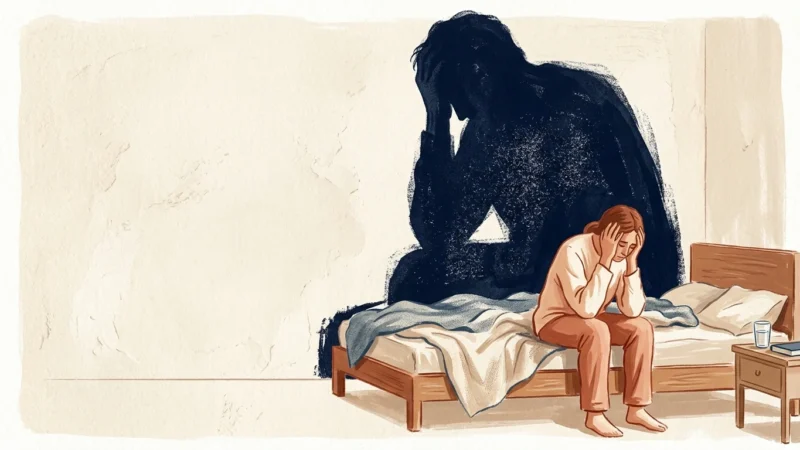
Sleep patterns naturally change as we age, but chronic insomnia is not a normal part of aging. Poor sleep is a major contributor to—and a symptom of—both depression and anxiety. A tired brain has less capacity to manage emotions, and a worried mind struggles to shut down for rest. It’s a vicious cycle.

Improving sleep hygiene can make a significant difference. This means creating a consistent routine and an environment conducive to rest. Try these steps for one week:

1. Consistent Schedule: Go to bed and wake up at the same time every day, even on weekends.

2. Wind-Down Routine: For the hour before bed, turn off bright screens (TV, phone, tablet). The blue light can suppress melatonin, the hormone that helps you sleep. Instead, listen to calm music, read a physical book, or take a warm bath.

3. Cool, Dark, Quiet Room: Optimize your bedroom for sleep. Use blackout curtains and remove any sources of noise or light.

4. Avoid Stimulants: Limit caffeine after noon and avoid alcohol close to bedtime. While alcohol might make you feel sleepy initially, it disrupts sleep quality later in the night. The CDC offers more detailed guidance on healthy sleep habits.

Late-Onset Bipolar Disorder

Bipolar disorder is characterized by extreme shifts in mood, energy, and activity levels, cycling between depressive lows and manic or hypomanic highs. While it typically emerges in young adulthood, it is possible—though less common—to have a first episode after age 50. This is known as late-onset bipolar disorder.

A manic or hypomanic episode isn’t just feeling good; it’s a distinct period of abnormally elevated or irritable mood. Symptoms might include a decreased need for sleep, talking much faster than usual, racing thoughts, being easily distracted, and engaging in impulsive or risky behavior (like spending sprees or reckless driving). These episodes are followed by periods of major depression.

Because the symptoms, especially mania, can be mistaken for other conditions like dementia or the side effects of medication (such as steroids), a thorough psychiatric evaluation is crucial. This is not a condition to manage on your own; it requires a professional diagnosis and a treatment plan from a psychiatrist, which usually involves mood-stabilizing medication and therapy.

Complicated Grief

As mentioned earlier, grief is a natural response to loss. However, sometimes the acute pain of grief doesn’t lessen with time. In complicated grief (also called prolonged grief disorder), a person remains stuck in an intense state of mourning. They may have persistent, intrusive thoughts about the deceased, feel that life is meaningless without them, and be unable to re-engage in daily life months or even years after the loss. If grief feels this stuck and all-consuming, specialized grief counseling or therapy can provide a path forward, helping to honor the memory of the loved one while finding a way to live with the loss.


Pages: 1 2 3 4 5 6 7 8 9 10

Share this article

Facebook Twitter Pinterest LinkedIn Email

Leave a Reply Cancel reply

Your email address will not be published. Required fields are marked *

Search

Latest Posts

  • An ink and watercolor illustration of a parent at a table, looking at a phone from which a thorny vine grows. 10 Hidden Signs Your Adult Child Is Toxic
  • A conceptual paper collage showing a silhouette framed by overlapping paper layers, symbolizing a shrinking world. 10 Signs Your Spouse Is Controlling You
  • An adult in a knit sweater sits on a window sill on a gray day, looking out over a misty city with a steaming mug. 10 Subtle Signs You're Just Existing, Not Truly Living
  • Editorial illustration of a person surrounded by a protective warm watercolor aura, deflecting dark droplets on textured paper. 10 Common Psychological Defense Mechanisms - Which One Do You Use?
  • A mixed-media collage silhouette of a person made from torn paper, charcoal sketches, and ink washes, representing fragmented self-trust. 9 Signs of an Emotionally Abusive Relationship
  • A mixed media collage of a human silhouette with layered torn paper in indigo and gold, symbolizing trapped physical energy and healing. 10 Signs Your Body is Holding Trauma
  • An illustration of an adult walking forward, casting a shadow that reveals a towering parental figure behind them. 10 Signs You Were Raised by a Narcissist
  • An editorial gouache illustration of a woman's profile transitioning from concrete architecture to elegant fashion lines. Who Was Melania Before She Met Donald Trump? (A Psychological Portrait)
  • An ink and watercolor illustration of a person holding a large ceramic vase with glowing gold cracks, symbolizing hidden internal pressure. The Psychology of the Person Who Is Always Fine Until They Absolutely Aren't
  • A woman sits in a sunlit home library, looking thoughtfully out a window with an open book on her lap. 12 Signs of a High IQ

Newsletter

Get the latest posts delivered to your inbox.

Related Articles

Negative Body Language

8 Ways Negative Body Language Is Damaging Your Self-Confidence

Do you have negative body language? Have you ever walked into a room and instantly…

Read More →
smartphones affect our brains

Smartphones Seriously Affect Seniors’ Brains, Research Says

We use them every day, but the truth is that smartphones affect our brains! According…

Read More →
Two people sitting on a sofa in a quiet, sunlit living room, showing a moment of supportive connection and listening.

9 Things You Should NEVER Say to Someone With Anxiety

Learn the 9 harmful phrases you should avoid saying to someone with anxiety, why they…

Read More →
Emotional Abuse

6 Damaging After Effects of Emotional Abuse

Nightmares And Sleep Disorders Dealing with trauma from emotional abuse doesn’t stop when it’s time…

Read More →
depression

Dealing With Retirement Depression? 7 Tips on How to Overcome It

Maintain an active lifestyle This is another method that can help you beat depression. And…

Read More →
memory, alzheimer's

Alzheimer’s Disease: 8 Early Signs You Shouldn’t Overlook

4.  Daily Tasks Become Impossible We all can get distracted and forget to do something…

Read More →
anxiety

Anxiety Is Different In Seniors. Do You Know The Warning Signs?

We stressed so much about this subject, mainly because anxiety is more than just a…

Read More →
Parkinson's disease

Parkinson’s Disease: 9 Unusual Signs You Have It!

5. Fatigue Most people who are diagnosed with something, like COVID-19, mental health problems, physical…

Read More →
burnout, causes and symptoms

Burnout: Causes and Symptoms explained by Psychologists

What is burnout? Causes and symptoms are presented and explained by psychologists in the following…

Read More →

Psychology Diary

The First Step Toward Change Is Awareness

Inedit Agency S.R.L.
Bucharest, Romania

contact@psychologydiary.com

Explore

  • About Us
  • Advertiser Disclosure
  • Contact Us
  • Disclaimer
  • Do not sell my personal information
  • Editorial Policy
  • Frequently Asked Questions
  • Privacy Policy
  • Terms and Conditions
  • Subscribe
  • Unsubscribe

Categories

  • Expert Tips
  • Family
  • Life
  • Marriage
  • Mental Health

© 2026 Psychology Diary. All rights reserved.