

Surrounding yourself with the right people reshapes your emotional resilience, self-worth, and long-term psychological well-being. Genuinely positive influences do not just make you feel good in the moment; they actively encourage your growth, respect your personal boundaries, and anchor you through life’s unexpected disruptions. Recognizing who truly serves as a healthy force in your life allows you to invest your limited social energy into relationships that nourish you. Whether evaluating a long-term friendship, a romantic partner, or a close colleague, identifying these key dynamic traits helps you build an authentic support network that elevates your everyday life while protecting your peace.

Why Interpersonal Influence Matters for Your Psychological Health
The psychological impact of your inner social circle extends far beyond casual conversation. Research in social neuroscience shows that human brains constantly engage in neural co-regulation, meaning you unconsciously absorb the emotional states, coping mechanisms, and behavioral patterns of the people closest to you. When you spend time around grounded, emotionally mature individuals, your nervous system registers lower levels of chronic stress, lowering baseline cortisol production and supporting cognitive clarity.
According to research highlighted by the American Psychological Association, strong, high-quality social connections increase survival odds by up to 50 percent, making social integration as impactful for health as physical exercise. Conversely, remaining in toxic or passive-aggressive relationships triggers constant fight-or-flight activation. Understanding the psychology of good influences equips you to curate a social environment that actively supports your personal trajectory rather than sabotaging it.
Evaluating positive relationship traits requires looking past superficial charm. A person who is entertaining at parties or quick with compliments may not necessarily be a stabilizing force during personal crises. True positive influence shows up in daily interactions, emotional reliability, and the consistent encouragement of your highest potential.

1. They Celebrate Your Successes Without Secret Competition
A primary indicator of a positive relationship trait is how a person reacts when you experience a major win or personal breakthrough. In social psychology, Dr. Shelly Gable’s research on capitalization demonstrates that how people respond to your good news often predicts relationship strength more accurately than how they respond during hard times.
Genuinely good influences engage in what researchers call active-constructive responding. They express authentic enthusiasm, ask follow-up questions, and validate your effort without derailing the conversation to center themselves. They do not drop subtle backhanded compliments, express covert envy, or minimize your achievement by pointing out potential risks.
In contrast, subtle competitors display active-destructive or passive-destructive behaviors. They might shift focus back to their own accomplishments, respond with cold indifference, or immediately highlight why your achievement might not last. Someone who is a healthy influence views your success as a celebration rather than a personal threat, recognizing that your achievements do not diminish their own value.

2. They Respect Your Boundaries Without Guilt or Pushback
Healthy personal boundaries represent the bedrock of emotional safety. When you establish a boundary—whether declining an invitation due to exhaustion, setting limits on phone calls during work hours, or communicating physical comfort levels—a supportive friend or partner respects it immediately.
Good influences do not weaponize guilt, throw silent tantrums, or attempt to negotiate your stated limits. They recognize that boundaries are not acts of rejection; rather, they serve as clear instructions on how to maintain a sustainable, long-term relationship with you.
“Daring to set boundaries is about having the courage to love ourselves, even when we risk disappointing others.” — Brené Brown, PhD, LMSW
Pay close attention to how someone responds when you say “no.” A person who values your well-being accepts your decline with grace and understanding. If an individual repeatedly pressures you to alter your decisions, trivializes your need for rest, or guilt-trips you into compliance, they are prioritizing their personal convenience over your psychological health.

3. They Regulate Their Own Emotions and Encourage Psychological Safety
Navigating life requires dealing with distress, disappointment, and unforeseen conflict. A genuinely good influence exhibits emotional maturity by regulating their own internal state rather than projecting emotional volatility onto you. They handle frustration constructively and communicate their needs directly instead of resorting to passive aggression, cold shoulders, or explosive outbursts.
This self-regulation fosters psychological safety within the relationship. You feel comfortable sharing your genuine feelings, mistakes, and vulnerabilities without fearing harsh judgment or sudden emotional punishment. Studies summarized by Harvard Health emphasize that psychological safety in relationships significantly reduces anxiety and enhances personal problem-solving capabilities.
When interacting with an emotionally regulated individual, you do not feel the need to walk on eggshells. You can trust that their reactions remain proportionate to the situation and that they possess the self-awareness required to manage their distress responsibly.
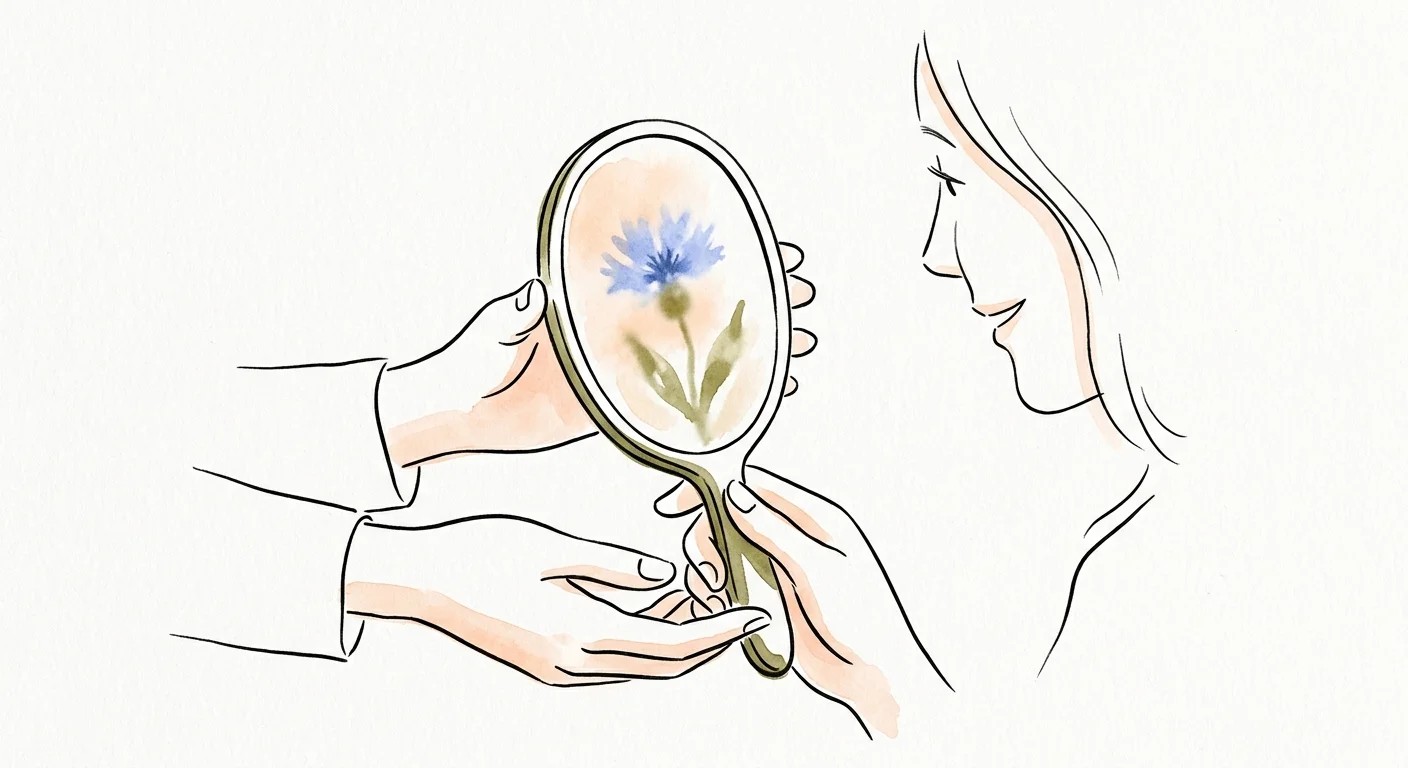
4. They Tell You the Truth with Compassion, Not Cruelty
True support does not mean blind approval of every bad decision. A genuinely positive influence acts as a clear mirror, offering loving honesty when you are about to make a costly error or engaging in self-sabotaging behavior.
The critical distinction lies in their intent and execution. Unsupportive individuals use “brutal honesty” as an excuse to unleash cruelty, criticize your core personality traits, or elevate their own ego. Genuinely supportive individuals offer truthful feedback rooted in empathy, focusing on specific behaviors rather than attacking your character.
Psychology articles published on Psychology Today point out that compassionate feedback maintains high respect while offering constructive perspective. A good influence offers direct observations alongside non-judgmental support, saying, “I care about you, and I am concerned that this choice might hurt you long-term,” rather than tearing down your self-esteem.

5. They Honor Your Autonomy and Separate Goals
Healthy relationships involve closeness without codependency. A positive force in your life respects your individuality, encouraging you to pursue hobbies, career changes, and personal relationships that exist outside of your connection with them.
Family systems pioneer Dr. Murray Bowen defined this balance as “differentiation of self”—the ability to maintain your unique personal identity while remaining emotionally connected to important people. Highly supportive friends and partners do not demand total emotional convergence. They do not get possessive when you spend time with other social circles, nor do they force you to align with their political, professional, or personal views.
Instead, key supportive friendship signs include actively championing your individual development. They celebrate your personal goals, even when those ambitions require temporary distance, schedule adjustments, or evolving personal interests.

6. You Feel Energized and Grounded After Spending Time Together
Your physical and emotional state after an interaction provides valuable insight into the relationship’s overall dynamic. While every relationship experiences stressful seasons, the overall baseline of a healthy connection leaves you feeling clear-headed, emotionally grounded, and energized.
Pay attention to your somatic signals after hanging out with someone:
- Nervous System Response: Does your body feel calm and relaxed, or do you notice physical tension in your shoulders, stomach, or jaw?
- Mental Clarity: Do you leave conversations with enhanced clarity and self-assurance, or do you overanalyze every word you spoke out of fear of offending them?
- Energy Levels: Do you feel emotionally restored and inspired, or completely drained and exhausted?
Chronic dynamic drain often signals unaddressed toxic relationship traits, such as emotional dumping, subtle manipulation, or hidden hostility. Genuinely good influences restore your emotional reserves through reciprocal engagement, mutual listening, and shared appreciation.
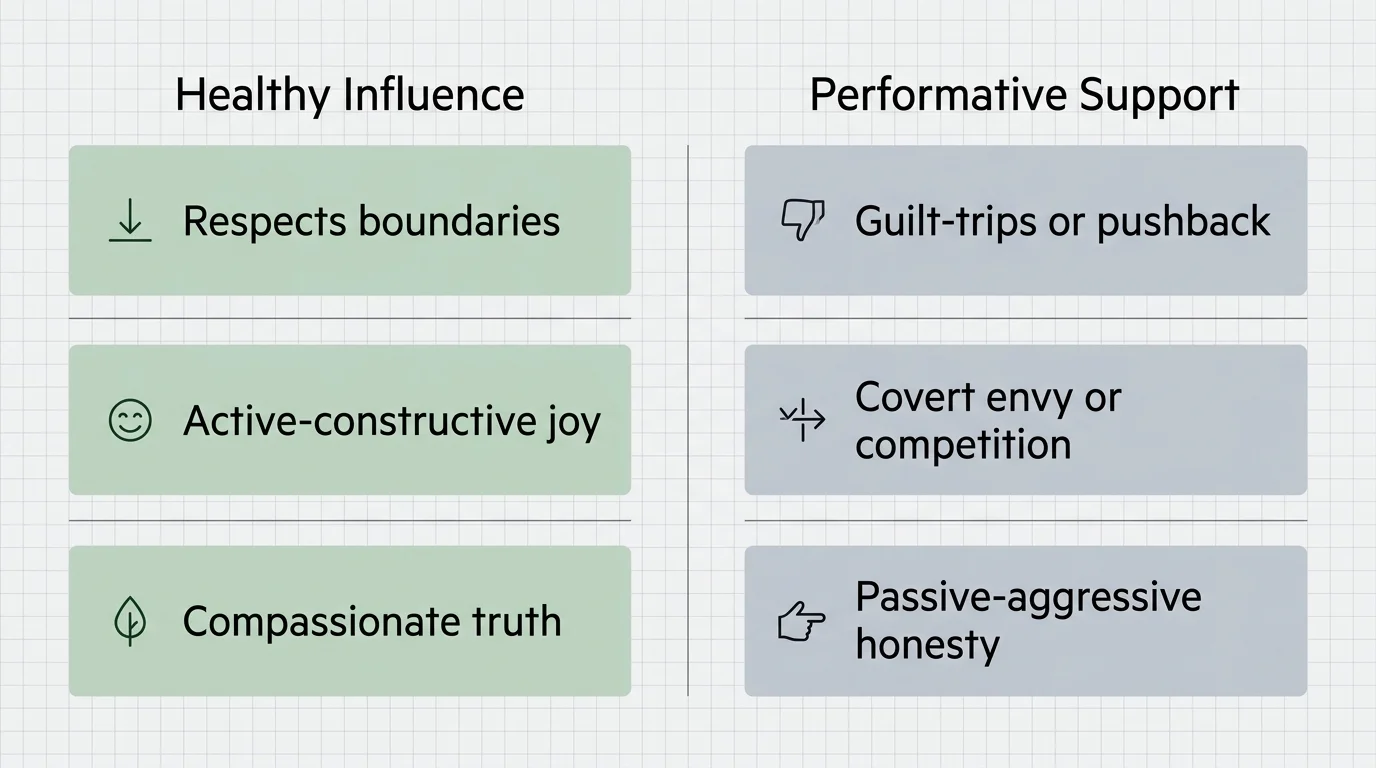
Comparing Healthy Influences vs. Performative Support
It can sometimes prove difficult to distinguish between someone who provides genuine support and someone who merely projects a performative image of care. The comparison table below highlights how these dynamics manifest across common interpersonal scenarios.
| Relationship Scenario | Genuinely Good Influence | Performative or Unsupportive Connection |
|---|---|---|
| Sharing Success | Asks engaging questions, celebrates openly, and shares your joy with others. | Redirects attention to themselves, downplays the achievement, or offers backhanded praise. |
| Setting a Boundary | Acknowledges your capacity, thanks you for clarity, and respects your decision. | Acts defensive, uses guilt trips, or demands an elaborate justification for your boundary. |
| Handling Conflict | Addresses problems directly, listens attentively, and seeks collaborative resolution. | Uses silent treatments, deflects accountability, or resorts to personal insults. |
| Experiencing Hardship | Offers practical help, holds space for pain, and checks in consistently without pressure. | Disappears until the crisis passes, offers toxic positivity, or uses your struggle for social gossip. |
| Personal Differences | Encourages your autonomous growth, respects differing opinions, and embraces your individuality. | Demands conformity, ridicules alternative viewpoints, or threatens distance over disagreements. |
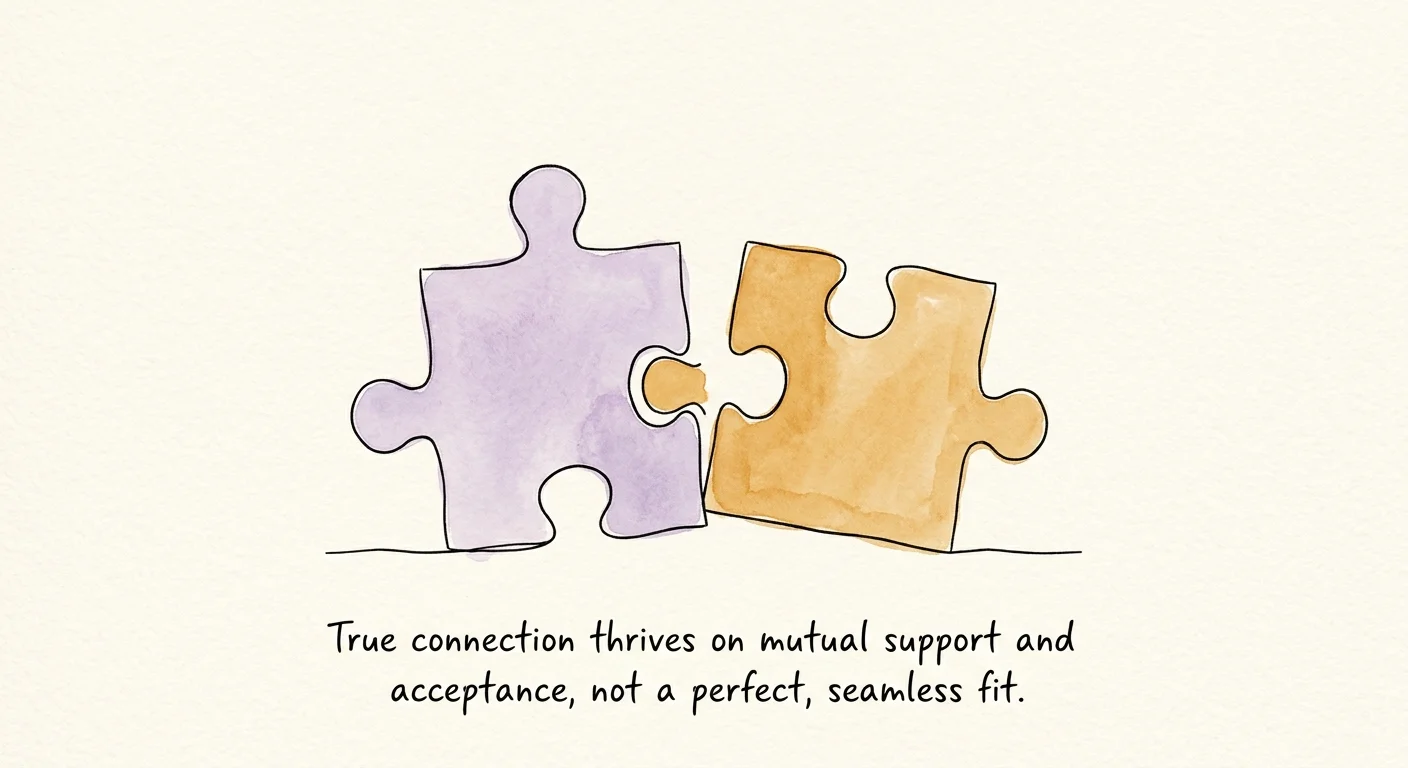
Myths Worth Debunking About Positive Relationships
Navigating interpersonal dynamics requires clearing away common cultural misunderstandings about what a healthy relationship looks like. Unrealistic expectations often cause people to misjudge supportive friends or tolerate unsupportive patterns.
Myth 1: A good influence never causes friction or conflict
Healthy conflict is a cornerstone of deep emotional connection. According to relationship research conducted by The Gottman Institute, conflict is entirely normal and inevitable in close bonds. A good influence will occasionally challenge your perspectives or raise difficult topics. The sign of a healthy influence is not the complete absence of conflict, but rather the presence of respectful, repair-focused communication during disagreements.
Myth 2: Positive influences must always be available
Expecting someone to be constantly available creates codependency, not support. Genuinely healthy individuals maintain their own lives, personal commitments, and emotional limits. A good influence may decline a call or delay a visit to protect their own mental health, communicating their availability directly without withdrawing care.
Myth 3: You should feel 100% happy after every interaction
Meaningful conversations often involve processing grief, sitting with difficult emotions, or addressing uncomfortable truths. A good influence creates room for deep emotional processing. While you may feel sad or challenged after discussing a tough subject, you will still feel fundamentally safe, respected, and supported.

Practical Ways to Cultivate These Positive Relationship Traits
Attracting high-quality, supportive connections requires demonstrating those same positive relationship traits in your own daily conduct. Relationships operate on patterns of social reciprocity; as you refine your communication skills, you naturally cultivate healthier dynamic standards.
- Practice Active-Constructive Engagement: When loved ones share news, suspend your own narrative, offer genuine enthusiasm, and ask meaningful questions about their process.
- Honor Expressed Boundaries: Validate boundaries immediately when friends say “no” or request space. Demonstrate that their personal autonomy is safe with you.
- Audit Your Social Energy: Keep an intentional journal tracking how you feel after social engagements. Gradually adjust how much energy you allocate based on these self-reflections.
- Communicate Direct Needs: Eliminate passive aggression by stating your desires clearly and directly, allowing others to meet your needs without playing guessing games.
- Address Friction Early: Address small issues before they curdle into resentment. Initiate conversations using gentle start-ups that center your feelings without attacking the other person’s character.
“The curious paradox is that when I accept myself just as I am, then I can change.” — Carl Rogers, PhD

Signs It’s Time to Talk to a Therapist
Identifying unhealthy social influences can bring up complicated personal emotions, particularly if you realize that long-standing relationships lack support. If you consistently struggle to build healthy connections, seeking professional clinical guidance offers transformative clarity.
Consider reaching out to a licensed counselor or mental health practitioner through resources like the National Alliance on Mental Illness if you notice any of these ongoing challenges:
- Persistent People-Pleasing: You chronically compromise your safety, values, or well-being to avoid disappointing others or risking rejection.
- Repetitive Dynamic Patterns: You continuously attract controlling, emotionally unavailable, or volatile individuals despite your explicit efforts to choose better connections.
- Extreme Guilt Around Boundaries: Setting basic boundaries triggers severe anxiety, panic, or intense feelings of fear and unworthiness.
- Difficulty Processing Trauma: Past relationship betrayals, toxic family dynamics, or bullying make it difficult for you to trust safe, supportive people.
Frequently Asked Questions
How can I tell if a friend is a good influence or just polite?
Politeness represents surface-level social etiquette, whereas true influence involves active behavioral investment over time. A polite acquaintance says comforting things in public, but a genuinely positive influence respects your boundaries, stands up for you when you are not in the room, and consistently provides emotional safety during moments of personal vulnerability.
Can a good influence occasionally display bad relationship traits?
Yes. Human beings are imperfect and experience periods of high stress, fatigue, or emotional burnout. A good influence may occasionally react poorly or make mistakes. What distinguishes them is their capacity for self-reflection, sincere apologies, and intentional efforts to repair the connection afterward.
What should I do if a close friend is a negative influence in my life?
Start by evaluating whether the dynamic can be addressed through open, honest communication. Share your feelings using direct “I” statements. If the individual responds defensively or continues harmful patterns, consider setting firmer boundaries or gradually reducing the time and emotional energy you invest in the relationship.
How do I become a better influence for my friends and family?
Focus on developing your own emotional regulation, practicing active listening, honoring expressed boundaries, and offering non-judgmental support. Cultivating personal self-awareness naturally transforms how you show up for the people you care about most.
Building a Support Network That Elevates Your Life
Recognizing the signs of a good influence gives you the power to shape an environment built on mutual respect, psychological safety, and growth. As you begin honoring your own boundaries and prioritizing authentic connections, you naturally filter out draining dynamics and draw in people who genuinely root for your success.
Take time to audit your current social circle today. Invest your energy into those who make you feel seen, valued, and anchored, and remember that offering that same grounded care in return forms the foundation of lifelong, fulfilling relationships.
This is educational content based on psychological research and general principles. Individual experiences vary significantly. For personalized guidance, consult a licensed therapist, psychologist, or counselor.
Last updated: February 2026. Psychology research evolves continuously—verify current findings with professional sources.







Leave a Reply