
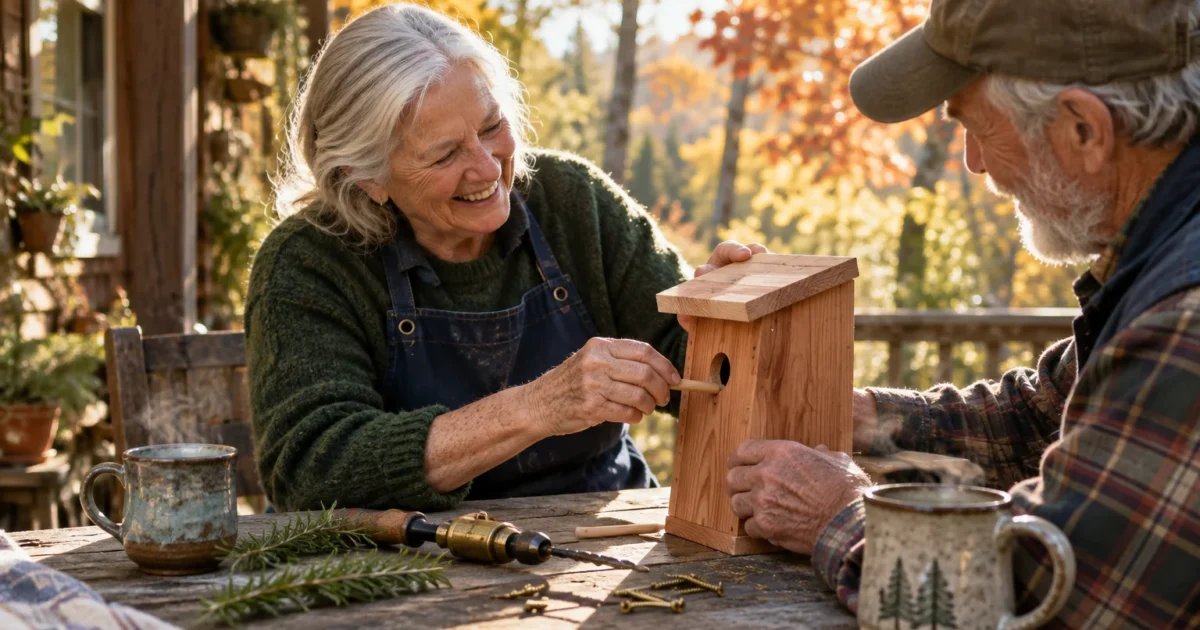
Retirement frees your calendar, but it can also dissolve the daily social ecosystem you relied on for decades. You can actively design a fulfilling social life by cultivating intentional routines and deep communal bonds.
Stepping away from the workplace often creates a quiet void that passive pastimes cannot fill. Protecting your emotional well-being requires treating connection as an essential daily practice rather than an afterthought.
By taking deliberate steps today, you can replace workplace camaraderie with deeper, purpose-driven relationships that sustain you for years to come.
Understanding the Impact of Retirement on Social Bonds
When you leave the workforce, you lose more than a paycheck; you lose an automatic social scaffold. Colleagues provide spontaneous conversation, shared problem-solving, and a sense of belonging that disappears overnight.
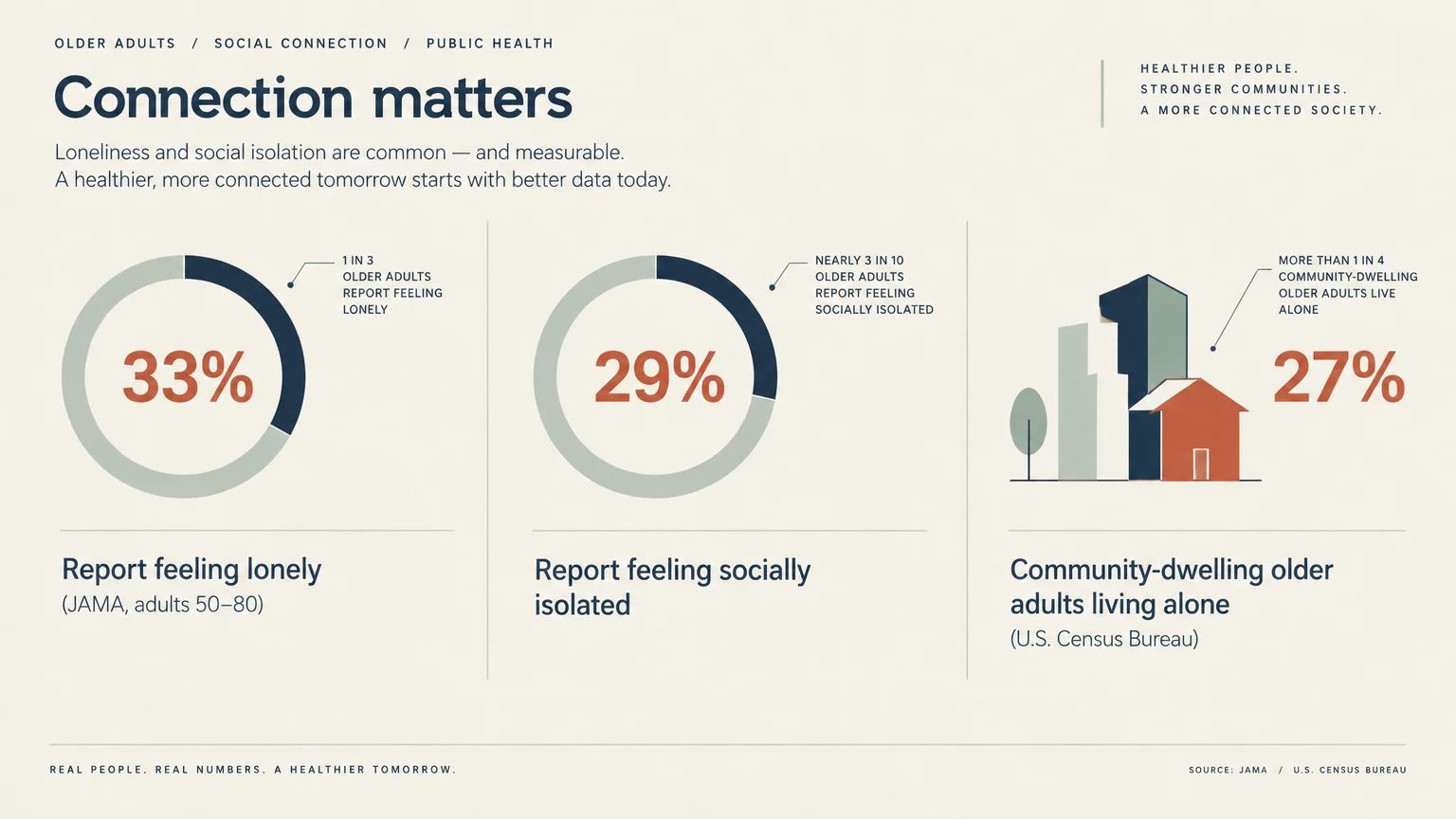
According to six-year data published in JAMA from the University of Michigan National Poll on Healthy Aging (2024), 33% of adults aged 50 to 80 report feeling lonely. Furthermore, 29% report feeling socially isolated.
Research from the AARP Foundation similarly shows that 34% of retirees experience persistent loneliness. Those facing sudden physical limitations, hearing impairment, or fixed incomes under $25,000 face even higher risks.
In addition, U.S. Census Bureau data indicates that approximately 27% of community-dwelling older adults live alone. Without intentional outreach, living alone can gradually turn into prolonged isolation.
The Physical and Cognitive Health Risks of Isolation
Loneliness is not merely an emotional discomfort; it acts as a severe biological stressor. Chronic isolation triggers systemic inflammation, impairs immune defense, and accelerates cardiovascular strain.
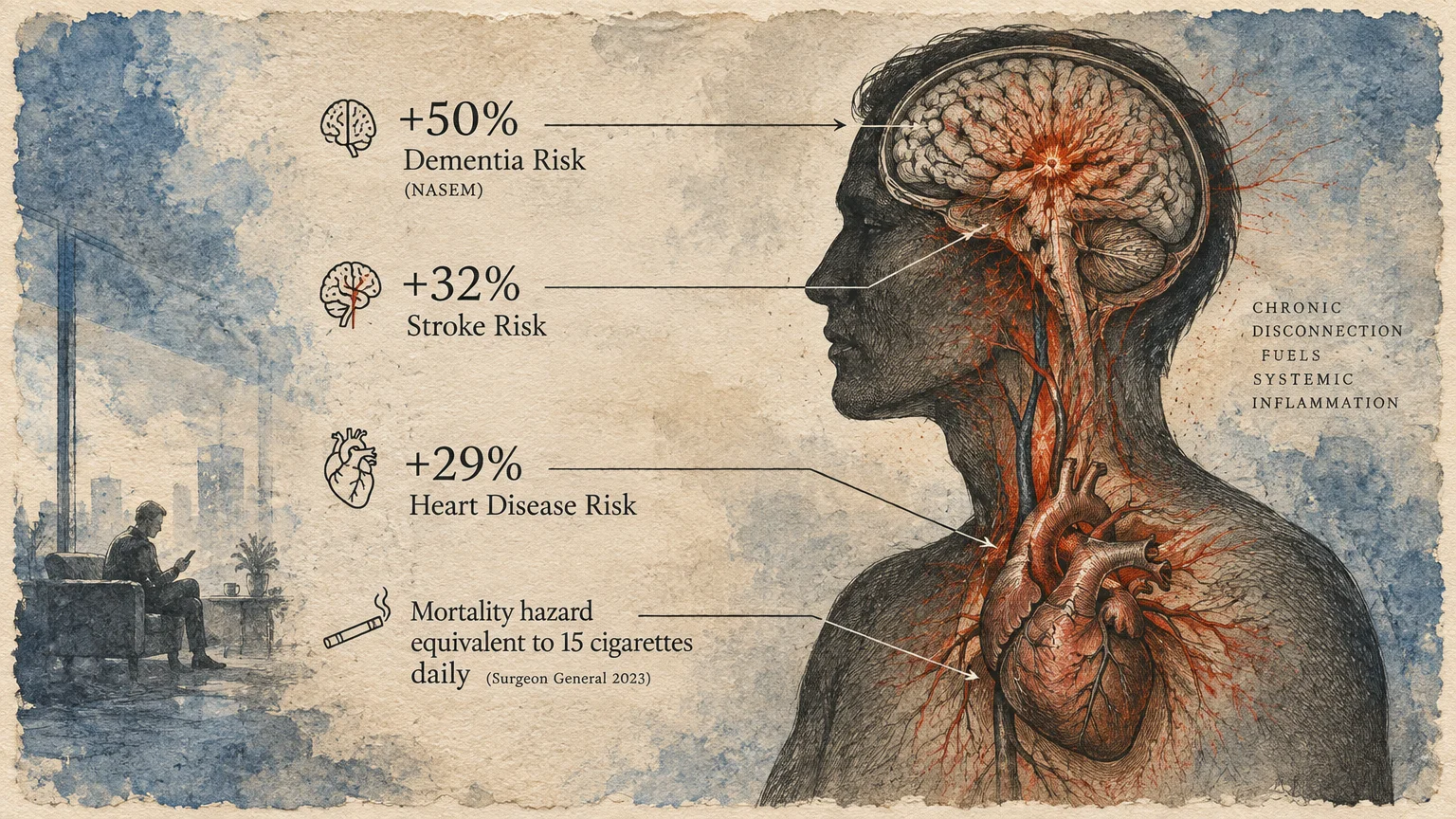
The U.S. Surgeon General’s Advisory on Social Connection (2023) notes that chronic social disconnection increases premature death risk by 26% to 29%. This mortality hazard rivals the physical damage of smoking up to 15 cigarettes daily.
Findings from the National Academies of Sciences, Engineering, and Medicine (NASEM) reveal that social isolation increases dementia risk by 50%. It also raises the risk of coronary heart disease by 29% and stroke by 32%.
This biological burden takes a tremendous toll on healthcare systems. An AARP Public Policy Institute and Stanford University study found that isolation accounts for $6.7 billion in additional Medicare spending annually.
Medical experts at the Cleveland Clinic emphasize that treating social health is just as critical as managing hypertension or cholesterol.
Solitude vs. Chronic Loneliness: Understanding the Difference
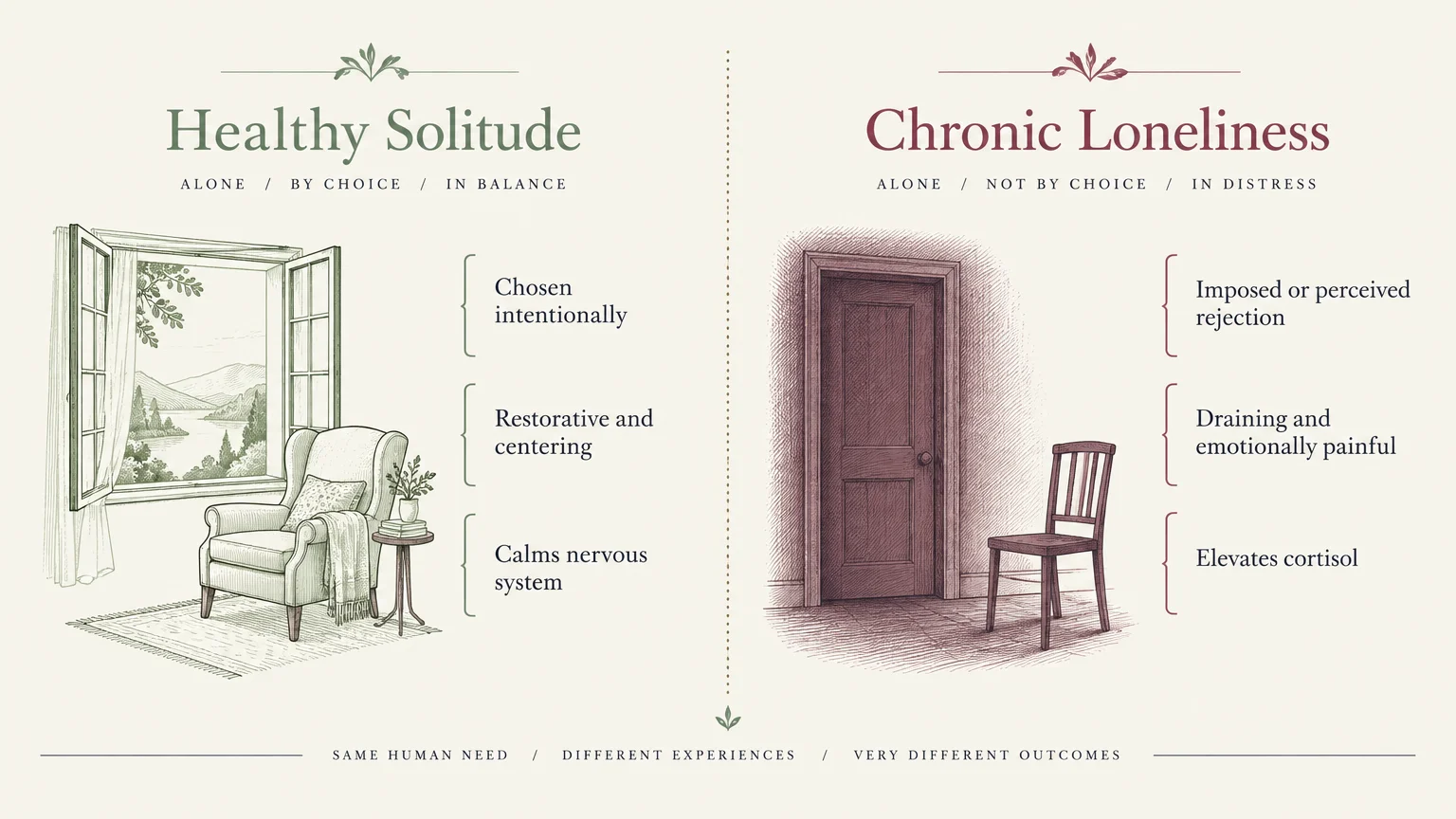
Many retirees confuse the quiet peace of solitude with the painful ache of loneliness. Learning the difference helps you embrace alone time without succumbing to social withdrawal.
| Dimension | Healthy Solitude | Chronic Loneliness |
|---|---|---|
| Emotional Experience | Restorative, peaceful, and centering. | Draining, hollow, and emotionally painful. |
| Sense of Control | Chosen intentionally as a restorative break. | Imposed by circumstances or perceived rejection. |
| Social Perception | Views others with warmth and openness. | Views social situations with fear or skepticism. |
| Physical Impact | Lowers stress hormones and calms the nervous system. | Elevates cortisol and increases blood pressure. |
Solitude restores your emotional energy and fuels creativity. In contrast, chronic loneliness drains your vitality and distorts how you perceive social opportunities.
“Life is never made unbearable by circumstances, but only by lack of meaning and purpose.” — Viktor Frankl, Neurologist, Psychiatrist, and Author
14 Actionable Ways to Prevent Loneliness in Retirement
1. Establish a Consistent Weekly Anchor Routine
Unstructured schedules often start as a welcome luxury, but they can quickly drift into aimless isolation. Without external anchors, days blur together and motivation plummets.
Structure your week by establishing non-negotiable appointments on fixed days. Commit to a Tuesday book discussion, a Thursday volunteer shift, or a Saturday morning market walk.
Research published by the American Psychological Association shows that behavioral predictability reduces anxiety and provides psychological stability during life transitions.
2. Bridge Purpose and People Through Volunteering
Meaningful service replaces the vocational identity you left behind while surrounding you with altruistic peers. Contributing to a shared mission creates fast, authentic bonds.
Research tracking older adults in AmeriCorps Seniors and the Health and Retirement Study shows profound benefits. Volunteering over 100 hours per year—about two hours weekly—correlates with a 30% reduction in depressive symptoms.
Choose roles that emphasize direct collaboration rather than solitary paperwork. Mentoring students, serving on community boards, or preparing communal meals builds immediate interpersonal connections.
3. Audit Your Relational Network and Reconnect Intentionally
Retirement gives you the time to rebuild connections that drifted during your busiest working years. You can cultivate friendships purely out of mutual affection rather than professional utility.
List five people from your past whose company you miss. Reach out directly through a text message, phone call, or brief email.
Research confirms that people consistently underestimate how much old friends appreciate hearing from them. A brief message can instantly rekindle a dormant relationship.
4. Join Lifelong Learning Communities and Campus Classes
Keeping your intellect engaged protects against mental stagnation and connects you with curious, growth-minded peers. Many universities offer discounted tuition or dedicated lifelong learning institutes for older adults.
According to cognitive insights from Harvard Health Publishing, novel intellectual challenges stimulate neuroplasticity while shielding older adults from social withdrawal.
Classroom discussions provide an organic, low-pressure setting to trade perspectives and spark stimulating friendships outside your home.
5. Tap into Interest-Driven Micro-Communities
Forcing generic friendships based solely on age or geographic proximity often feels uninspiring. Instead, seek out specialized groups united by specific, focused interests.
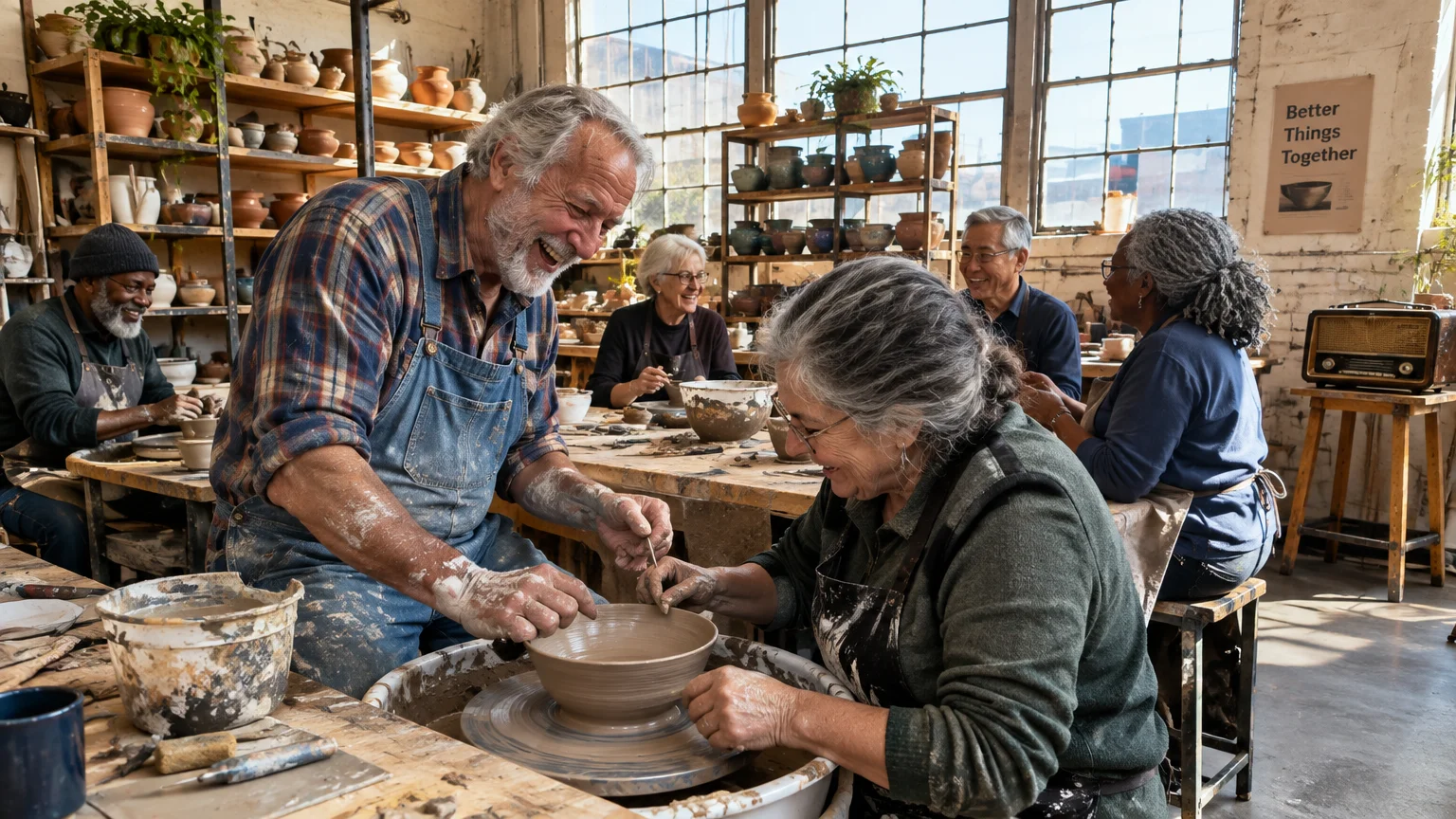
Look for local astronomy clubs, woodworking guilds, birdwatching circles, or community gardening cooperatives. When you gather around a shared craft, conversation flows effortlessly without forced small talk.
If you cannot find a group centered on your favorite niche, consider founding one. A simple sign-up flyer at your local library can draw like-minded neighbors directly to you.
6. Foster Cross-Generational Friendships
Surrounding yourself exclusively with age peers narrows your perspective. Intergenerational friendships infuse your daily routine with fresh energy, technological curiosity, and varied cultural viewpoints.
You can connect with younger generations by helping with community sports, assisting after-school arts initiatives, or participating in neighborhood councils. Younger people frequently value the grounded perspective of an experienced elder.
These relationships challenge ageist assumptions on both sides and create a comforting sense of cultural legacy.
7. Transform Solitary Passions into Communal Activities
You do not need to give up independent pastimes to prevent loneliness in retirement. Instead, seek ways to bring shared elements into your favorite solitary hobbies.
If you enjoy reading, join a local library discussion circle. If you enjoy knitting, visit an open crafting circle at a local fiber shop.
Shared spaces allow you to enjoy quiet focus alongside others without the pressure of constant direct conversation.
8. Welcome a Companion Animal into Your Home
Caring for a pet provides nonverbal companionship, emotional warmth, and a dependable daily routine. Pets reduce stress hormones and offer a constant, welcoming presence.
Dog ownership also serves as a potent social catalyst in your neighborhood. Walking your dog encourages spontaneous, friendly interactions with fellow pet lovers and neighbors.
If adopting a pet full-time is impractical, consider fostering shelter animals or walking dogs for neighbors who work long hours.
9. Schedule Recurring Visits to a Local “Third Place”
Sociologists define a “third place” as an informal gathering space outside of home and work. These spots include neighborhood coffee shops, small diners, public libraries, and recreation parks.
Choose one location and visit at the exact same time several days a week. Sit in open seating, greet the staff, and maintain an approachable presence.
Over time, these recurring interactions create “weak ties”—casual, familiar bonds that significantly increase your sense of neighborhood belonging.
10. Deepen Marital and Partner Communication
Spending every day under the same roof can expose hidden fault lines in long-term relationships. Spouses often feel disconnected or lonely even while sharing the exact same room.
Research from The Gottman Institute shows that healthy retirement partnerships require intentional emotional attunement alongside respected individual independence.
Schedule dedicated time to discuss your inner life, post-career uncertainties, and future dreams. Avoid letting your daily conversations revolve strictly around home upkeep or health updates.
“Connection is why we’re here; it is that which gives purpose and meaning to our lives.” — Brené Brown, Ph.D., LMSW, Research Professor
11. Embrace Digital Connection as a Bridge, Not a Substitute
Digital devices offer powerful tools to bridge physical distance when used purposefully. Video calls, group chats, and collaborative online forums keep you closely involved with distant family and friends.
However, passively browsing social media feeds often increases feelings of alienation and inadequacy. The psychological value depends entirely on active engagement versus passive consumption.
Use digital platforms to coordinate face-to-face gatherings or have authentic one-on-one video conversations. Never allow screen time to replace genuine, voiced interaction.
12. Engage in Structured Group Movement or Fitness
Regular physical movement releases endorphins, reduces systemic inflammation, and sharpens cognitive processing. Moving in a group setting amplifies these biological benefits through shared social energy.
Explore group programs like SilverSneakers, water aerobics, gentle pilates, or organized walking clubs. The communal atmosphere builds positive peer accountability and makes physical activity far more enjoyable.
Psychology researchers refer to this synchronized bonding as collective effervescence. It fosters immediate warmth and reduces social anxiety among participants.
13. Mentor Early-Career Professionals or Local Youth
Your career provided decades of practical problem-solving skills and professional wisdom. Mentoring lets you channel that experiential knowledge into developing the next generation of leaders.
Organizations such as SCORE connect retired executives with ambitious entrepreneurs who need guidance. Local community colleges also recruit experienced advisors for first-generation students.
Mentoring reaffirms your value, sharpens your communication skills, and keeps you connected to modern cultural developments.
14. Reframe Solitude to Build Emotional Self-Reliance
Combating isolation in retirement does not mean staying surrounded by people twenty-four hours a day. Learning to cherish your private time builds essential emotional security.
Solitude provides a sanctuary for quiet contemplation, artistic expression, and restorative mindfulness practices. It gives your mind time to process emotions without external static.
When you feel secure in your own company, you seek social bonds out of joyful interest rather than anxious neediness.
Myths Worth Debunking
Myth 1: Loneliness is an inevitable consequence of aging.
Loneliness is not a guaranteed consequence of growing older. It is a biological signal prompting you to fulfill social needs, much like thirst signals dehydration.
Millions of retirees cultivate vibrant, socially active lives by deliberately building new community habits after leaving their careers.
Myth 2: Being married completely shields you from social isolation.
A marriage license does not automatically protect you from feeling lonely. Spouses can grow apart, experience caregiver burnout, or fail to satisfy each other’s diverse social needs.
You need an ecosystem of friendships and community connections beyond your romantic partner for complete emotional health.
Myth 3: Introverts are completely immune to retirement loneliness.
While introverts recharge through quiet solitude, they still possess a fundamental human need for connection. Unplanned isolation drains introverts just as severely as extroverts.
Introverts often thrive best with one or two intimate, meaningful friendships rather than large, noisy group gatherings.
Myth 4: Social media provides adequate human contact for retirees.
Clicking like buttons or skimming status updates rarely builds authentic emotional resonance. Passive scrolling frequently triggers upward social comparison and heightens feelings of detachment.
True social connection requires real-time emotional exchange, voice inflection, and mutual vulnerability that text feeds cannot replicate.
Signs It’s Time to Talk to a Therapist
Situational sadness is a natural reaction to major life transitions like retirement. However, chronic loneliness can gradually escalate into clinical depression if left unaddressed.
Professional mental health guidance can help you rebuild your sense of self, process grief, and overcome relational hesitations. Consult a licensed therapist or your primary physician if you notice any of these signs:
- Pervasive loss of pleasure or apathy toward activities you previously enjoyed.
- Drastic changes in your sleep patterns, appetite, or personal grooming habits.
- Overwhelming social anxiety that makes answering the phone or leaving the house feel impossible.
- Persistent feelings of worthlessness, hopelessness, or recurring thoughts of self-harm.
Guidance from the Mayo Clinic underscores that evidence-based interventions like Cognitive Behavioral Therapy (CBT) effectively treat late-life depression and social anxiety.
Organizations like the National Alliance on Mental Illness provide free helplines and peer support networks to help you find qualified care.
Frequently Asked Questions
How do I make friends after 60 if I am naturally shy?
Focus on interest-based micro-communities where the activity takes center stage rather than open-ended socializing. Consistent participation in a book club, gardening group, or class allows friendships to form organically over time without pressure.
How many hours of social contact do retirees need to stay healthy?
Research indicates that engaging in two to three hours of meaningful social contact per week significantly reduces depression risks. Quality matters far more than quantity; one deep conversation provides more benefit than hours of superficial interactions.
What is the main difference between being alone and feeling lonely?
Being alone is an objective physical state characterized by the absence of other people. Loneliness is a subjective, distressing emotional state where your desired level of intimacy exceeds your actual relational experience.
How can family members help a retired parent who feels isolated?
Maintain consistent, scheduled check-ins via phone or video calls rather than sporadic contacts. Encourage their participation in local community programs, respect their autonomy, and assist them in establishing reliable local transportation options.
Moving Forward with Purpose
Preventing loneliness in retirement is an ongoing practice of intentional self-care. Choose one small relational step today, whether sending a quick message to an old friend or signing up for a weekly class.
Over time, these small investments will build a resilient, supportive social foundation for your post-career years.
This article provides general educational information about psychology and relationships. It is not a substitute for professional therapy or medical advice. Everyone’s situation is unique—if you’re struggling, please reach out to a licensed mental health professional.
Last updated: February 2026. Psychology research evolves continuously—verify current findings with professional sources.







Leave a Reply