
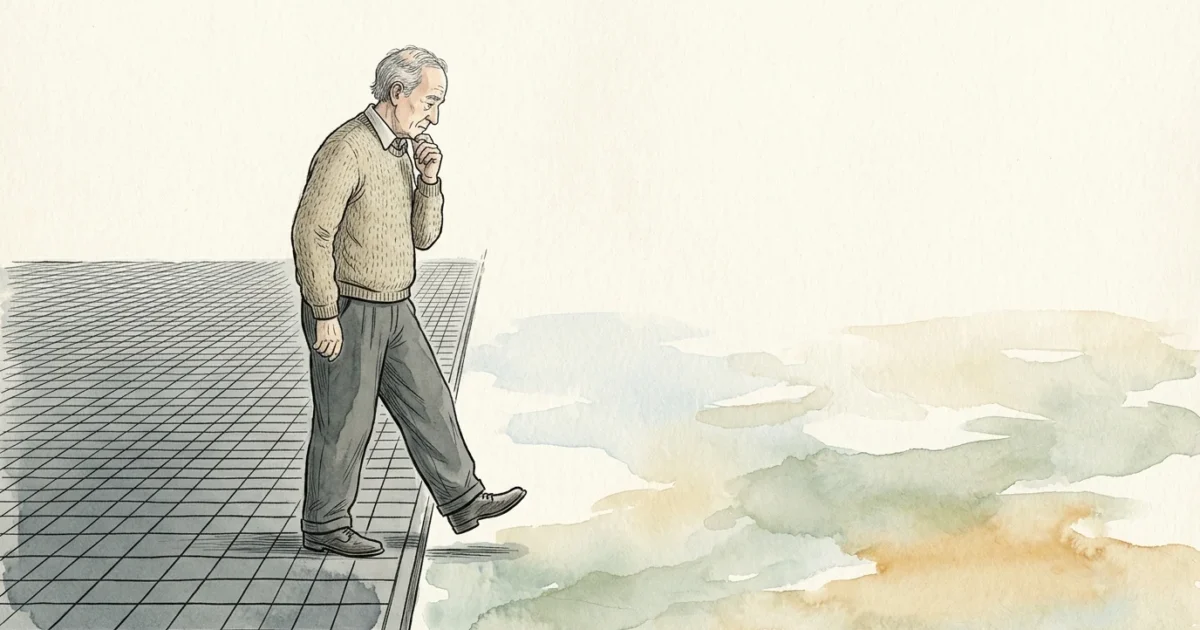
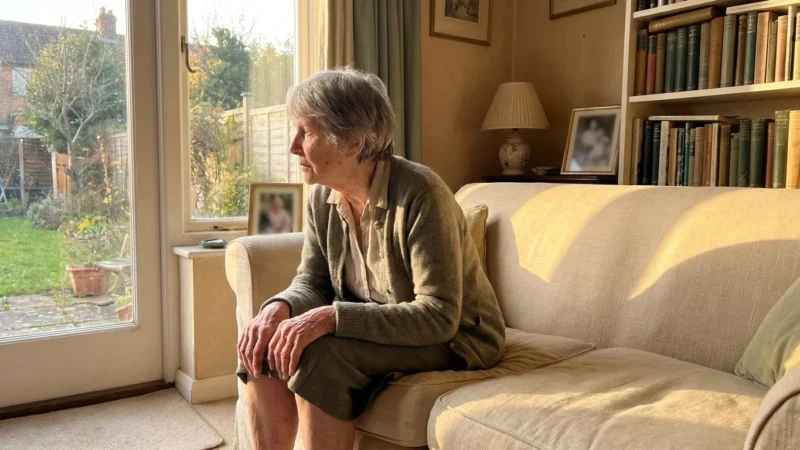
You spent decades anticipating the freedom of retirement, yet the quiet stillness of your new lifestyle feels unexpectedly heavy. Emotional adjustment to retirement presents profound psychological challenges that often blindside high-achieving adults. When structured schedules, professional status, and daily social connections disappear overnight, your brain must process a complex grieving sequence for your former identity. Recognizing emotional adjustment issues early allows you to build a fulfilling post-work identity before sadness deepens into clinical depression. If your long-awaited milestone feels surprisingly hollow, observing specific emotional, cognitive, and behavioral shifts will help you regain your footing, restore your sense of purpose, and navigate this major life transition with resilience.
The Psychological Shift: Why Retirement Triggers Emotional Blues
Retirement represents far more than a financial milestone; it marks a radical shift in your daily psychological structure. For decades, your career provided five fundamental pillars of emotional stability: an enforced daily routine, regular social contact, shared goals, personal status, and a clear sense of competence. Stepping away from the workforce removes these pillars simultaneously, forcing your nervous system to adjust to an unprecedented lack of external guidance.
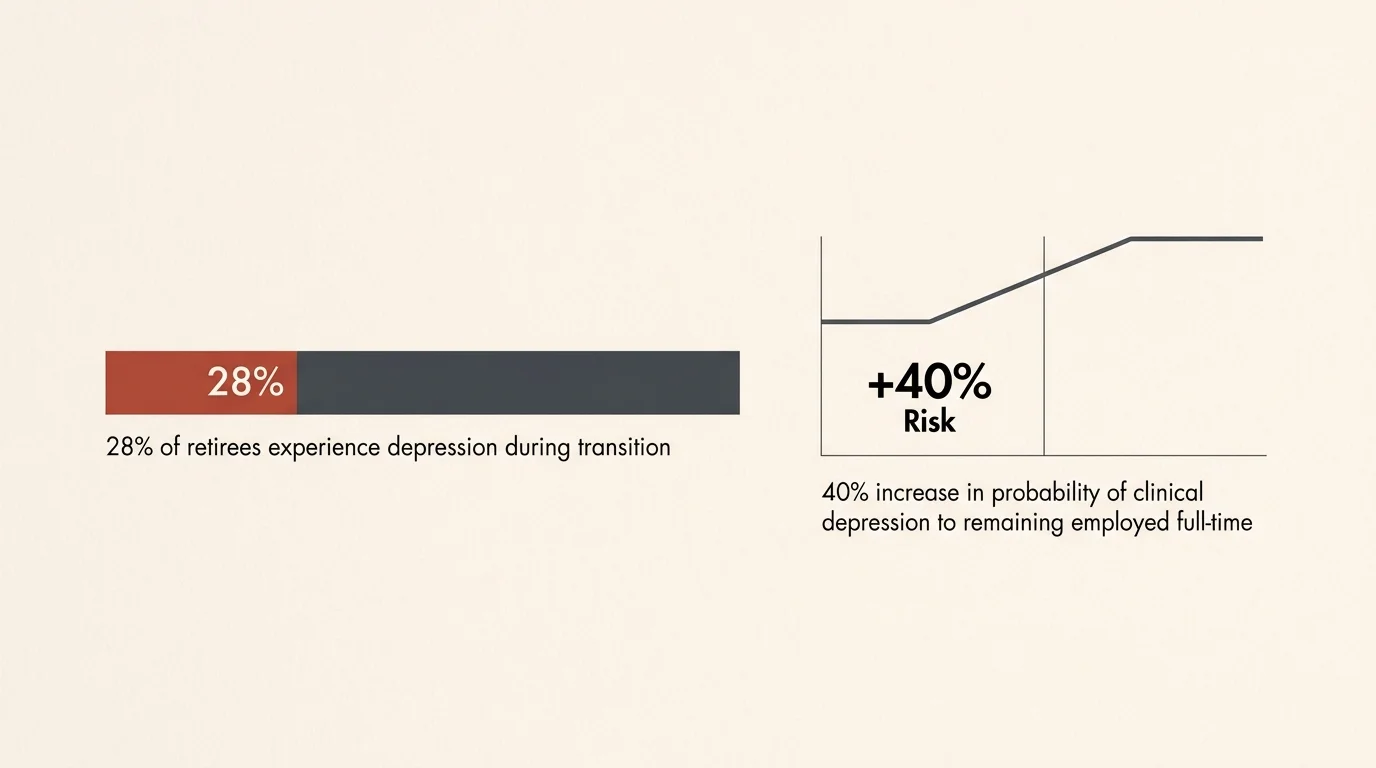
Psychologists note that this sudden loss of environmental demands can induce a distinct form of psychological disorientation. According to a systematic review published in the International Journal of Environmental Research and Public Health (2020), approximately 28% of retirees experience depression during the retirement transition, with higher vulnerability among those exiting the workforce unexpectedly or due to health complications. Furthermore, a longitudinal study by the Institute of Economic Affairs demonstrated that retirement increases the probability of suffering from clinical depression by 40% compared to remaining employed full-time.
According to World Health Organization data, approximately 14.75% of older adults live with a mental health condition, with major role transitions like career exit acting as primary environmental triggers. When work stops, the brain missing its regular dopamine hits from workplace accomplishments often misinterprets free time as emptiness.
“He who has a why to live can bear almost any how.” — Viktor E. Frankl, Neurologist and Psychiatrist
Without a deliberate plan to cultivate new sources of personal meaning, sadness quickly fills the gap left by your former professional life.

8 Signs Retirement Has Triggered Unexpected Sadness
Emotional adjustment challenges manifest differently in retirement than in early adulthood. Rather than obvious despair, post-retirement sadness often presents as quiet withdrawal, chronic restlessness, or subtle behavioral shifts. Pay attention to these eight distinct indicators.
1. Chronic Time Disorientation and Loss of Daily Structure
When every day feels like Sunday afternoon, time quickly loses its anchoring quality. You wake up without a pressing reason to leave bed; hours blur together without distinct milestones; weekends no longer feel like a earned reward. While unscheduled time feels liberating initially, a prolonged absence of structure undermines your circadian rhythms and daily executive functioning. You find yourself wandering through your home, unsure of how to fill the next four hours, leading to a mounting sense of emotional paralysis.
2. Identity Confusion and Feeling Invisible
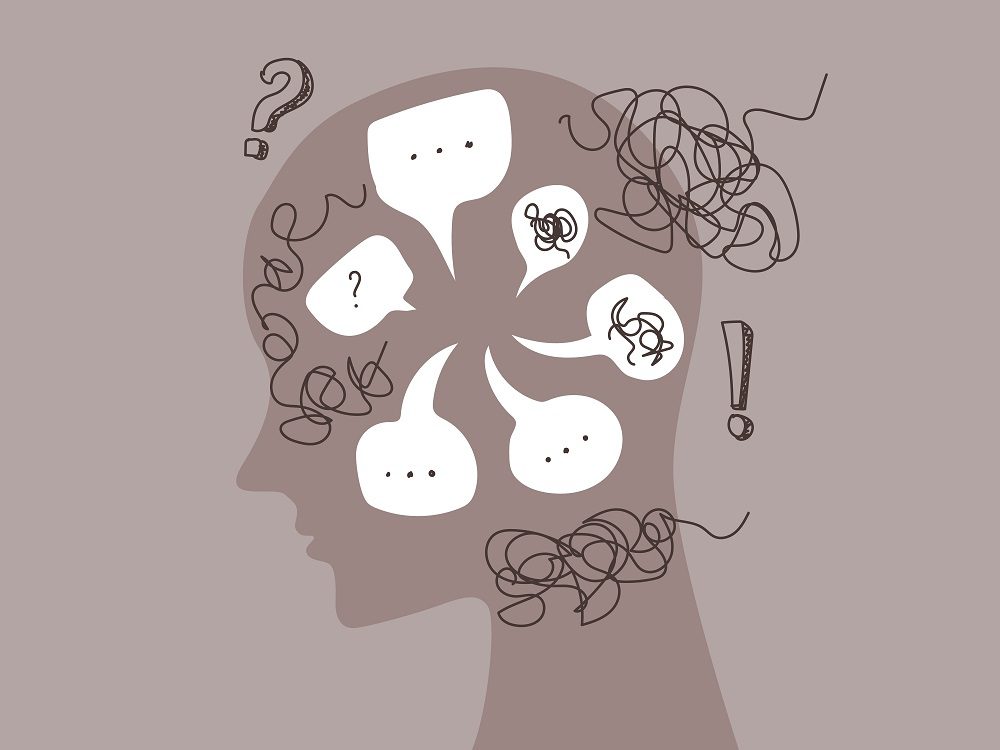
During your career, introductions were simple: you stated your job title, company, or industry. Now, social interactions trigger an underlying sense of anxiety or embarrassment. When acquaintances ask what you do, you hesitate or feel a sting of lost relevance. Stripping away your professional title forces an uncomfortable existential question: Who am I when I am not producing results? Losing status, responsibility, and the recognition of colleagues creates a persistent feeling that society no longer sees or values your contributions.
3. Uncharacteristic Irritability and Low Frustration Tolerance
Sadness does not always display itself as tears; in mature adults, grief frequently disguises itself as anger. You snap at your partner over trivial household routines, lose patience while waiting in lines, or harbor continuous irritation over minor inconveniences. This heightened emotional reactivity occurs because your psychological resources are consumed by processing unseen grief. When baseline emotional reserves run empty, your tolerance for normal daily stressors drops sharply.
4. Anhedonia: Loss of Joy in Previously Enjoyed Activities
You anticipated having unlimited hours for golf, gardening, reading, traveling, or woodworking. However, when you finally attempt these activities, they feel hollow, repetitive, or pointless. Anhedonia—the clinical term for the inability to feel pleasure from previously rewarding activities—serves as a core symptom of depression. When hobbies transform from cherished weekend escapes into daily time-fillers, they lose their novelty and fail to generate emotional satisfaction.
5. Increased Relationship Friction Over Shared Space
Retirement fundamentally reshapes household dynamics. Transitioning from spending eight to twelve hours apart each day to sharing twenty-four hours in the same physical environment creates friction. You find yourself micromanaging your partner’s tasks, or feeling invaded when they comment on your new daily habits. Research highlights how distinct genders navigate this shift differently; a 2023 multi-country European study revealed that voluntary retirement reduced depressive symptoms by 33% for men compared to 22% for women, reflecting distinct societal expectations around domestic roles, social networks, and professional identity loss.
6. Obsessive Rumination Over Past Career Events
You find your mind continuously drifting back to past workplace conflicts, missed promotions, organizational restructuring, or career choices made decades ago. When present momentum halts, the brain naturally turns inward, attempting to resolve old emotional business. Ruminating over old grievances or wondering “what if” serves as an unconscious defense mechanism to avoid confronting current quietness and uncertainty about your future.
7. Physical Fatigue and Altered Sleep Dynamics
Emotional grief exerts a heavy physical toll on the body. You wake up feeling exhausted despite getting eight hours of sleep, or struggle with sleep fragmentation—waking up consistently at 3:00 AM with racing thoughts about your future. Chronic lethargy, heavy limbs, and unexplained physical aches often signal underlying psychological distress. According to Harvard Health, emotional shifts directly impact physiological systems, altering sleep architecture and energy regulation in older adults.
8. Social Withdrawal and Avoiding Former Colleagues
You ignore messages from old workplace friends, skip alumni lunches, or decline invitations to industry gatherings. Hearing about ongoing projects, company updates, or upcoming industry changes induces a sharp pang of exclusion or envy. To protect yourself from these uncomfortable emotions, you quietly pull back from your social network, deepening your isolation and accelerating feelings of sadness.
Myths Worth Debunking About Retirement and Mental Health
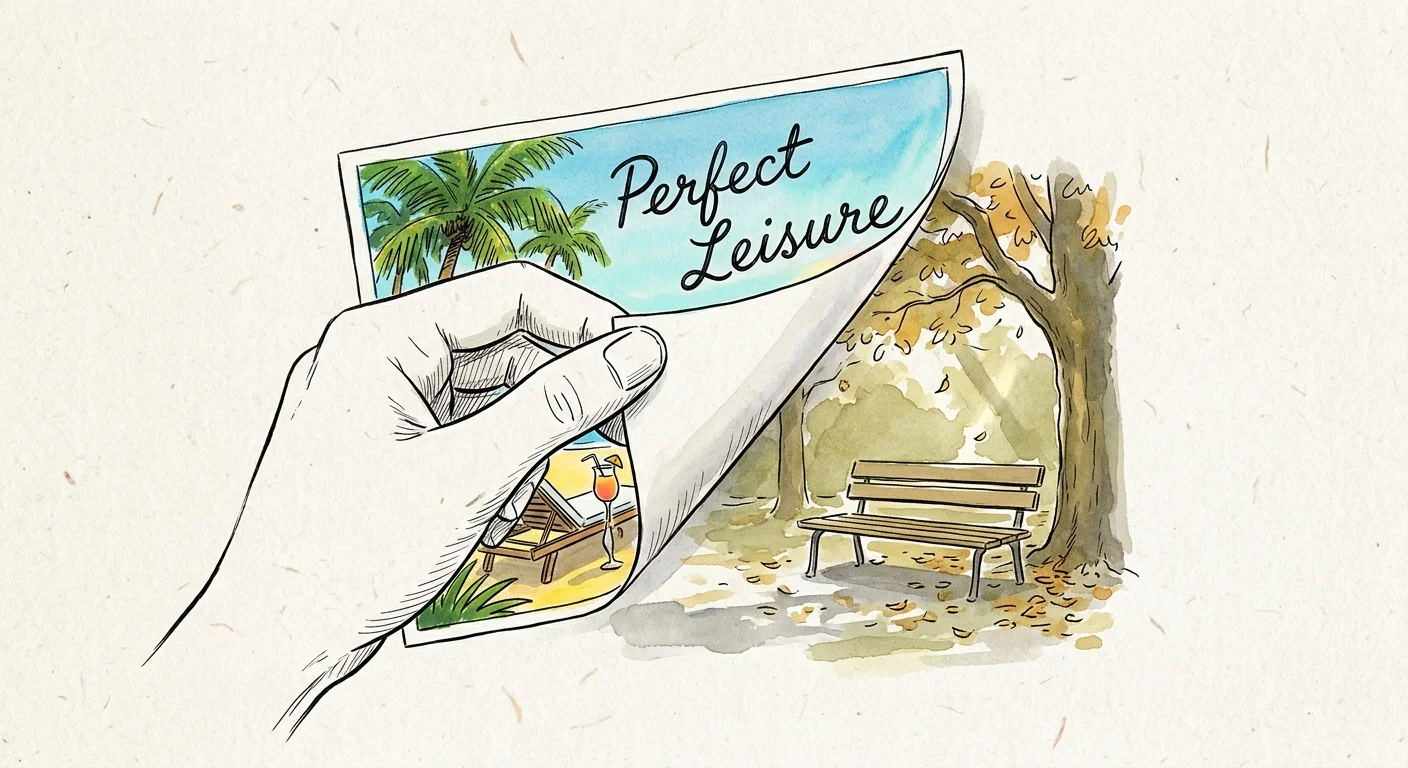
Misconceptions surrounding retirement often prevent individuals from seeking help or recognizing their emotional struggles. Debunking these common cultural narrative myths helps validate your true emotional experience.
- Myth 1: Retirement immediately eliminates daily stress. While workplace stress disappears, existential stress regarding identity, mortality, financial management, and daily purpose takes its place. Stress does not disappear; it merely shifts form.
- Myth 2: Feeling sad means you made a mistake by retiring. Experiencing sadness does not mean you retired at the wrong time or made an error. Grief is a natural human reaction to ending a foundational, multi-decade chapter of life.
- Myth 3: Keeping busy with endless activities solves the sadness. Packing your schedule with superficial tasks, errands, or continuous travel without internal meaning leads to emotional burnout rather than genuine peace. True adjustment requires purpose, not mere activity.
Comparing Emotional Adjustment Strategies
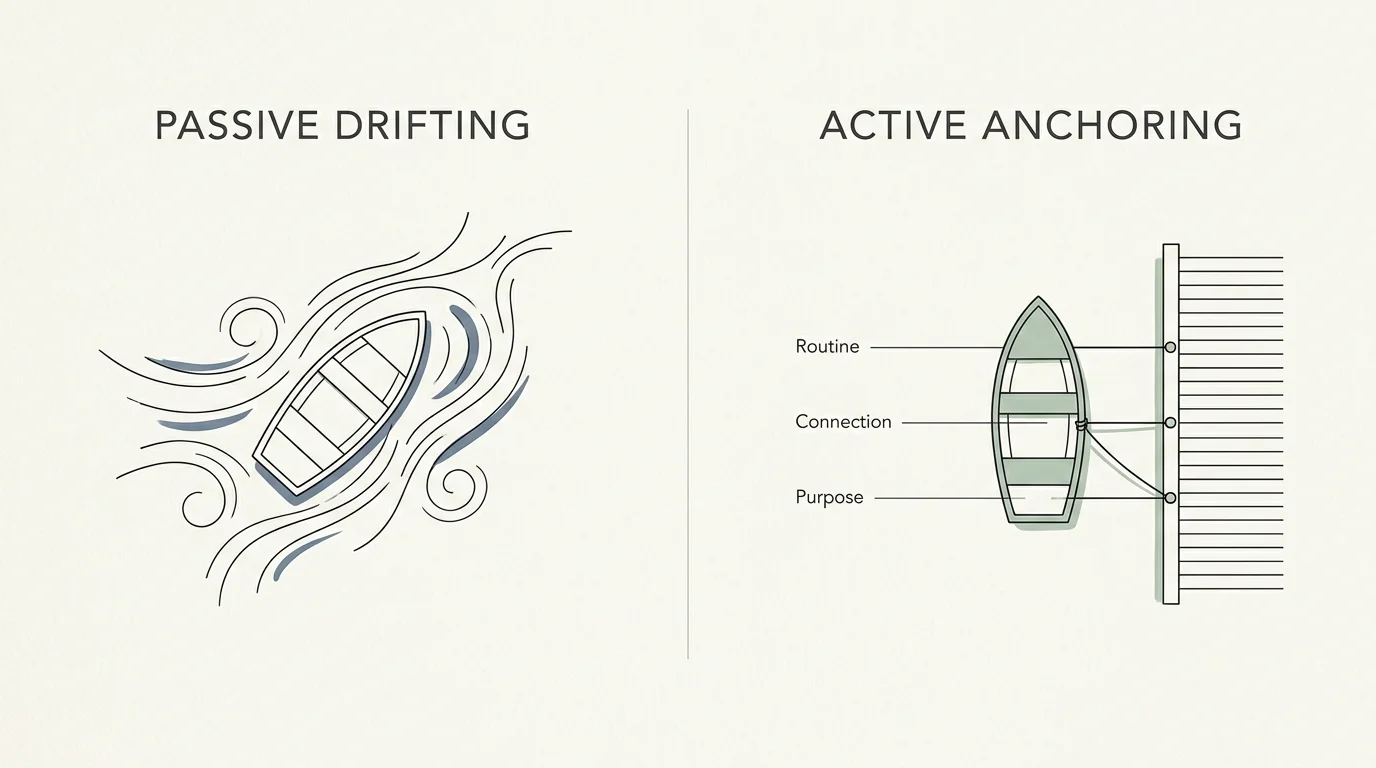
Navigating the transition into retirement requires shifting from passive drift to active reconstruction. The following table highlights how different coping styles impact long-term mental health outcomes.
| Adjustment Dimension | Passive Trajectory (Higher Sadness Risk) | Active Identity Reconstruction (Higher Resilience) |
|---|---|---|
| Daily Routine | Unstructured, fluid days with unpredictable sleep and meal patterns. | Consistent daily schedules with purposeful morning anchors and clear boundaries. |
| Source of Worth | Relying on past achievements and professional titles for personal validation. | Cultivating personal values, creative pursuits, and internal self-worth. |
| Social Engagement | Withdrawing from workplace networks and isolating at home. | Building new non-work communities, interest groups, and volunteer activities. |
| Relationship Dynamics | Expecting a partner to fulfill all social and emotional needs. | Establishing balanced boundaries, joint goals, and independent hobbies. |
| Long-Term Outcome | Increased risk of chronic emotional sadness, anxiety, and social isolation. | Restored life satisfaction, deeper self-awareness, and newfound agency. |

Actionable Strategies to Rebuild Purpose and Emotional Balance
Reclaiming emotional stability after stepping away from work requires intentional psychological recalibration. Implement these research-backed, concrete strategies to restore your energy and clarity.
- Establish a Non-Negotiable Morning Anchor: Create a consistent morning sequence that gets you out of bed at the same time each day. Include physical movement, daylight exposure, and a specific task within the first hour of waking.
- Separate Self-Worth from Economic Output: Reframe how you measure a productive day. Value learning, artistic expression, community connection, and physical health equally alongside monetary earning power.
- Cultivate a “Third Place”: Identify a regular location outside your home and former workplace where you can interact with others—such as a community garden, maker space, athletic club, or volunteer center.
- Initiate Generative Mentorship: Share your lifetime of accumulated wisdom by mentoring younger professionals, volunteering for non-profit boards, or tutoring local students. Helping others triggers powerful psychological shifts that directly combat sadness.
- Practice Compassionate Emotional Acceptance: Acknowledge your sadness without self-judgment. Allow yourself space to grieve your old career while holding realistic hope for your next evolution.
“Vulnerability is not winning or losing; it’s having the courage to show up and be seen when we have no control over the outcome.” — Brené Brown, Ph.D., LMSW
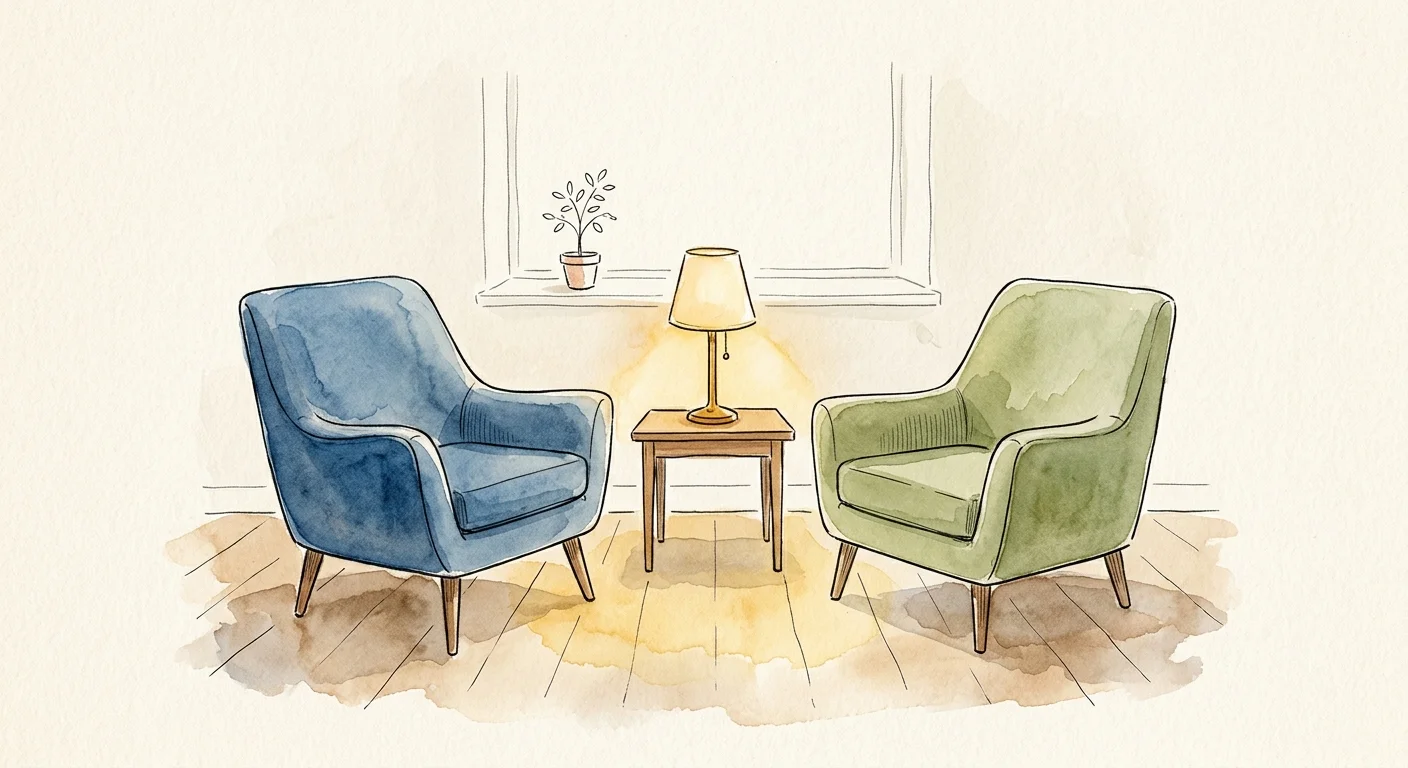
Signs It’s Time to Talk to a Therapist
While experiencing transient sadness during major transitions is common, prolonged depression requires professional mental health support. Consider seeking help from a licensed therapist if you experience any of the following scenarios:
- Your low mood, lack of energy, or loss of interest in life persists continuously for longer than four to six weeks without improvement.
- You rely on alcohol, prescription drugs, sleep aids, or compulsive behaviors to cope with daily boredom, emptiness, or emotional distress.
- You isolate completely from friends and family, experience severe feelings of worthlessness, or feel like a burden to your household.
- You suffer a resurgence of prior mental health struggles. Research from the Brookings Institution analyzing Health and Retirement Study (HRS) data revealed that 61.6% of adults aged 65 and older showing depressive symptoms had previously experienced depressive episodes between ages 50 and 64, indicating that retirement frequently re-triggers underlying vulnerabilities.
Professional therapy offer evidence-based treatments tailored to life transitions. Resources from organizations like the American Psychological Association, the National Institute of Mental Health, and Verywell Mind offer directories to connect you with specialists in older adult mental health and adjustment disorders.
Frequently Asked Questions
How long does emotional sadness after retirement usually last?
The adjustment phase varies significantly depending on your personality, circumstances, and coping strategies. For many adults, initial transition sadness lasts between three to nine months. However, without deliberate efforts to rebuild routine, social connection, and daily purpose, post-retirement sadness can persist into long-term clinical depression.
Why do I feel guilty for feeling sad when I worked so hard to retire?
Guilt often arises from a mismatch between societal expectations and actual human psychology. Culture frames retirement as an ultimate, uninterrupted reward. When you experience grief or loss instead of unbridled joy, you may judge yourself as ungrateful. Recognizing that grief is a natural biological response to losing identity and structure helps relieve this unnecessary guilt.
How can I help my spouse who is struggling with post-retirement sadness?
Offer patient listening without rushing to fix their problems immediately. Encourage them to establish personal projects outside the home while maintaining clear household boundaries. Suggest joint activities while giving them room to process their feelings. If their withdrawal or irritability deepens, gently support them in seeking guidance from a therapist.
Can returning to part-time work help alleviate retirement depression?
Yes, bridge employment or part-time work often provides a soft landing. Working part-time restores daily structure, professional contact, and modest income without the intense pressures of a career role. Many retirees find that phased retirement or secondary consulting offers the optimal balance between freedom and meaningful activity.
Navigating Your Next Chapter
Stepping away from your career opens an unwritten chapter—one that requires patience, intentional design, and self-compassion as you build a new rhythm. Sadness is not a sign that you failed at retirement; it is evidence that your career mattered to you and that your brain needs time to adapt to a completely new reality. Focus on small daily anchors, nurture relationships outside of work, and grant yourself permission to rediscover who you are beyond your job title.
This article provides general educational information about psychology and relationships. It is not a substitute for professional therapy or medical advice. Everyone’s situation is unique—if you’re struggling, please reach out to a licensed mental health professional.
Last updated: February 2026. Psychology research evolves continuously—verify current findings with professional sources.







Leave a Reply