
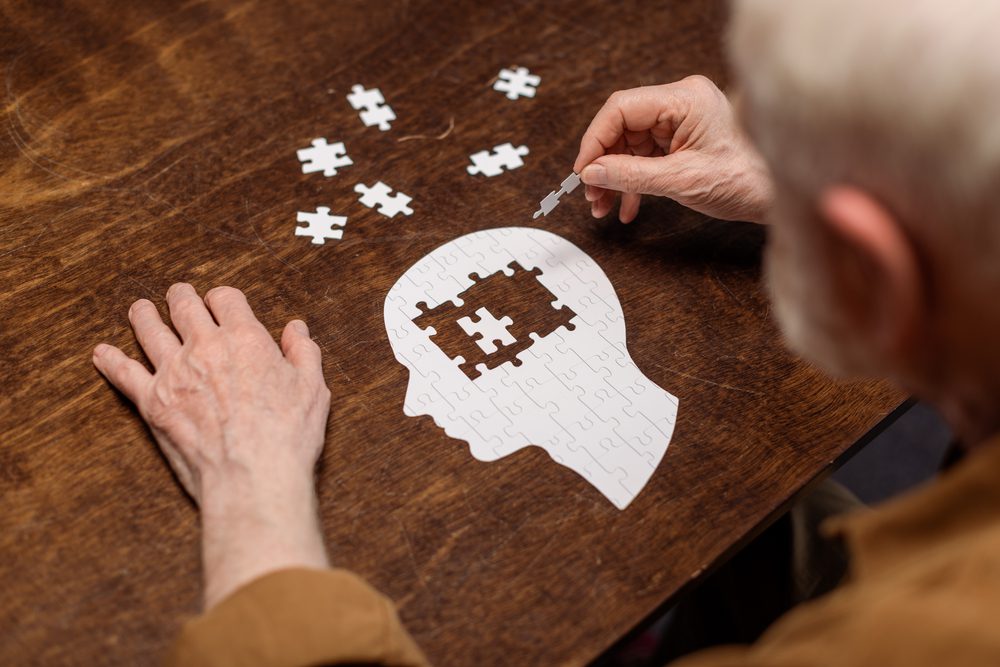
So you’ve noticed some changes in your memory and thinking. Perhaps you often misplace your wallet and keys or have trouble finding the right word in conversations.
Before you assume you’re developing a serious disease, such as dementia, be aware that the human brain changes with age, both in terms of its structure and size, and that these changes can, and often do, affect how well it works over time.
However, these are some proven ways to fight brain aging and preserve functions such as memory — even as your brain shrinks with increasing age and its nerve cells decline in their ability to communicate with one another.
Here are 10 strategies to fight brain aging and boost your cognitive health!

1. Stay Mentally Active
Through both human and animal research, scientists have discovered that brainy activities are extremely important in creating new connections between nerve cells. But that’s not all. As you may know, mentally stimulating activities may even help the brain produce new cells, which develops neurological “plasticity” and builds up a functional reserve that serves as a hedge against future cell loss.
We all know that regular exercise and physical activity make your muscles strong and your body fit. Well, the human brain also needs a stimulating routine to maintain its functions.
To fight brain aging and boost your cognitive health, read, attend courses, and engage in “mental gymnastics”, such as math problems and word puzzles. Experiment with things that demand both manual dexterity and mental effort, such as painting, drawing, and other crafts.
2. Maintain Favorable Cholesterol Levels and Blood Pressure
Many seniors are surprised to find out that there are common risk factors between Alzheimer’s disease and cardiovascular disease. You may be wondering why. Well, the vascular system delivers blood to the brain, so it makes sense that poor blood flow could result in brain tissue damage.
Several studies have found a link between brain health and blood pressure. Scientists have found that the tiny arteries of the brain are hypersensitive to changes in blood pressure and long-term hypertension can have a negative impact on them.
As a result, higher blood pressure is associated with damage to brain tissue and poorer cognitive performance. According to medical experts, cholesterol plays a vital role in the formation of amyloid-beta plaques, which cause the damage seen in Alzheimer’s disease. Thus, high cholesterol levels are associated with an increase in the production of amyloid-beta plaques.
While maintaining blood pressure and cholesterol within healthy ranges won’t fight brain aging on their own, it’s important not to overlook these levels while also considering other cognitive health tips.
3. Check Your Vitamin D Level
Vitamin D is a steroid hormone that plays a vital role in several metabolic processes, particularly in the phosphate balance and in the regulation of calcium. Aside from these classical benefits, scientists have discovered that vitamin D can also fight brain aging while promoting cognitive health.
According to several studies, vitamin D deficiency is linked to cognitive impairment. From what we know so far, low levels of vitamin D are strongly linked with an increased risk of dementia or cognitive impairment in older adults.
Plus, this vital vitamin is involved in regulating calcium and glucose transport to and within the brain. Plus, it may protect against cognitive decline by increasing the availability of certain neurotransmitters and reducing inflammation.
This being said, maintaining an optimal level of vitamin D may help you fight brain aging and promote cognitive health. Our recommendation is to talk to your doctor first before taking any vitamin D supplements.

4. Limit Red and Processed Meat
Studies have found that a brain-healthy diet consists of plenty of vegetables, fruits, legumes, and fish. But what about meat intake? Recent observational research showed that people who consume large amounts of processed meat have a higher risk of dementia, including Alzheimer’s disease.
Each additional 0.8 oz (about a single serving) of processed meat per day was linked with a 44% increased risk for all dementias and a staggering 52% increased risk for Alzheimer’s disease.
Red meat is also known to contain high amounts of iron and copper. These minerals tend to accumulate in the body over time, and in high amounts, they can damage the brain.
Instead, go for healthier options such as pumpkin and sesame seeds, edamame, and other beans, which are known to contain non-harmful amounts of copper and iron.
In order to boost your cognitive health and fight brain aging, doctors recommend following a Mediterranean diet, which is packed with omega-3 fatty acids, healthy fats, and lots of vegetables.
5. Exercise Regularly
Everyone knows how important it is to exercise regularly. But how exactly does this impact cognitive health?
Regular physical activity is known to help sustain blood flow to the brain and lower your risk of certain conditions, such as high blood pressure, that are linked with developing dementia.
A 2020 study showed that exercise helps fight brain aging and concluded that maintaining a physically active lifestyle in older adults could potentially prevent about one-third of dementia cases worldwide.
If jogging isn’t your thing, drop it and choose other activities you feel comfortable doing. Once you’ve built a workout routine that works for you, increase both the duration and intensity of your workouts gradually to truly maximize their benefits.
6. Focus on Whole Plant Foods
A rule of thumb is to consume 90% or more of your calories from whole plant foods, meaning fruits, veggies, legumes, seeds, and nuts. A diet high in these foods and low in dairy and meat is linked to a 36% decrease in Alzheimer’s risk.
A recent study conducted by the Molecular Nutrition and Food Research Institute discovered that eating more vegetables, fruits, and other plant-based foods may help fight brain aging and reduce the risk of cognitive decline. The study followed over 800 people over 65 years old for 12 years.
Scientists focused on metabolites — metabolic byproducts — and their impact on cognitive impairment. They discovered that foods like mushrooms, apples, cocoa, and coffee had a protective association with brain health.
Adding more whole plant foods to your diet can help you fight brain aging, but it can also promote your overall health. Make sure you get plenty of natural, healthy plant foods and incorporate more raw vegetables into your diet. It doesn’t have to be a boring salad; just pick the veggies you like the most and make your own side dish.

7. Eat Berries Frequently
Including berries in your daily diet may help fight brain aging and keep your memory sharp, a new study shows. According to the study, there is significant evidence that consuming berries promotes brain function and may delay age-related memory loss.
Phytochemicals found in fruits and vegetables may help to reduce oxidative stress and inflammation in the brain, thereby lowering the risk of Alzheimer’s disease. Berries contain high amounts of phytochemicals, so they are like your brain’s new best friend.
Several different berries have been shown to fight brain aging and slow age-related declines in brain function in animals. Blueberries were the ones that showed positive results in human studies, indicating that these phytochemical-rich foods may help enhance memory in older adults.
8. Avoid Salt in Your Diet
A recent study found something quite interesting: excess salt can be bad for your cognitive health, not just your cardiovascular system. So here’s another reason to step away from the salt, especially if heart disease runs in your family.
An article published in Nature Neuroscience found a link between high salt intake and memory and learning impairments. It’s not triggered by high blood pressure but by a connection between the brain and the gut.
In looking into what was behind these results, the scientists found a new connection between the digestive system — specifically, the small intestine — and the brain.
The article concluded that high levels of salt generate immune changes in the gut. These immune modifications result in less blood flow to the brain, which is known to lead to cognitive impairment. For those of us of a certain age, there is even more bad news: researchers found that the brain-busting effects of salt started sooner and were worse in middle-aged mice compared to younger ones.
But there’s good news. Once the mice stopped eating high amounts of salt, their brain function returned to normal. In order to fight brain aging and boost your cognitive health, consider seasoning your foods with spices, herbs, flavored vinegar, or a splash of citrus.
9. Stay Away from Added Sugars in Your Diet
It is well known that by consuming too much sugar and not doing any exercise, you begin to put on weight. But there are other side effects as well.
Excess sugar has a harmful impact on the body. Even one instance of high glucose in the bloodstream can impair cognitive function and lead to attention and memory problems. Brain inflammation caused by a high-sugar diet can lead to memory issues, demonstrating that glucose and the brain are interlinked.
According to a 2016 research published in Behavioral Brain Research, rats that were fed high-sugar diets developed inflammation in the hippocampus. However, when they were fed a conventional diet, there were no inflammatory markers found. The good news is that sugar’s inflammatory effects may not be permanent.
That’s why medical experts recommend reducing your added sugar intake. Not only will this help you fight brain aging, but it will also improve your overall health.

10. Care For Your Emotions
Although studies show that many people feel happier as they age, seniors are nevertheless at risk of experiencing late-life depression. Chronic anxiety is also pretty common and can co-exist with depression.
These disorders significantly diminish the quality of life and have also been associated with cognitive impairment. Fortunately, they are treatable. Yes, in some cases, medication is required, but it isn’t always necessary. There are several non-drug treatments for anxiety and depression, such as cognitive behavioral therapy, and they can be as effective as medication.
If you’re struggling with either of these disorders (or maybe both), it’s important to know that non-treatment options are often safer for seniors since there is less risk of interactions or side effects with any medication for other health problems.
Do not overlook any signs of anxiety or depression; you may think these disorders only affect your mood, but in fact, they can shrink several parts of the human brain, eventually affecting cognitive health. So caring for your emotions will make you feel better, but it will also help fight brain aging.
You may also want to read Depression vs. Anxiety: Which One Do You Have?









Leave a Reply