
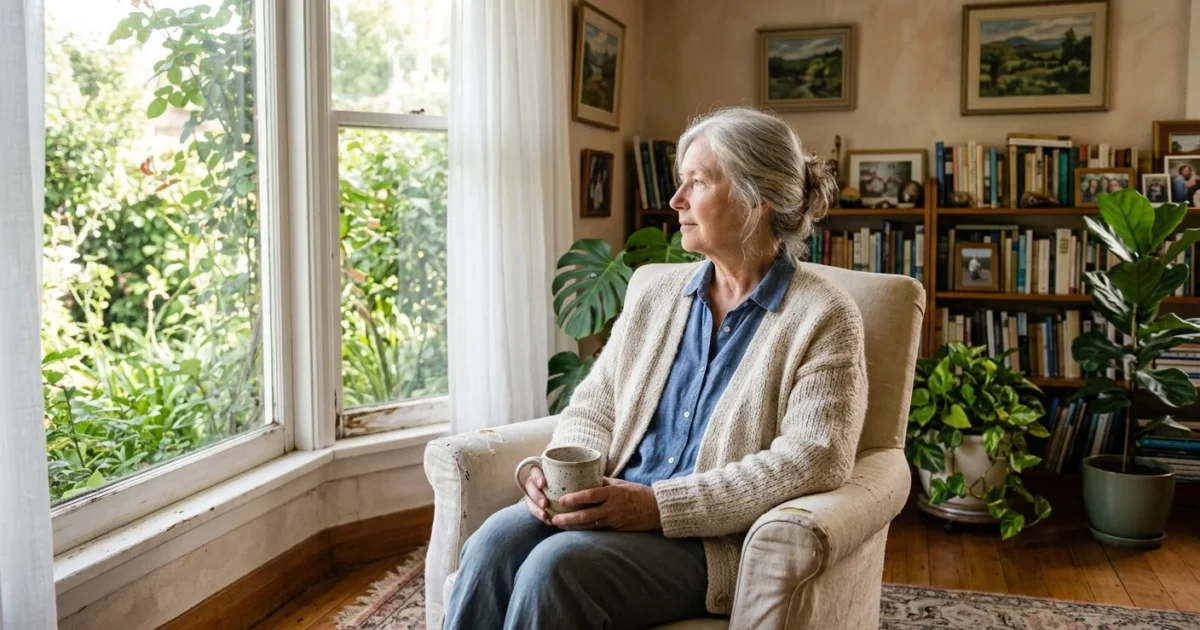
Living solo during your golden years offers a powerful opportunity for personal freedom, emotional clarity, and daily peace that living with others simply cannot match. While society often misinterprets living alone in retirement as a sign of isolation, millions of older adults discover that solitude fosters deep contentment living alone seniors rarely experience in busy households. According to Pew Research Center, roughly 27% of U.S. adults aged 60 and older live alone, with many actively choosing this path for its psychological benefits. If you look forward to quiet mornings, curate your own schedule, and feel recharged in your personal space, you may be thriving. Recognizing these subtle psychological markers can help you embrace your independence with pride and confidence.
Understanding Solo Retirement: Solitude Versus Loneliness
Modern culture frequently confuses living alone with being lonely. However, psychological research highlights a profound distinction between these two experiences. Loneliness reflects a painful gap between desired and actual social contact; solitude, by contrast, is a intentional, constructive state of quiet engagement with oneself. A publication by the American Psychological Association notes that subjective social connection and personal autonomy dictate mental well-being far more than household headcount.
When you achieve high solo retirement satisfaction, your home becomes a restorative sanctuary rather than an empty vessel. Psychologists refer to this emotional self-sufficiency as positive solitude. Instead of waiting for external stimulation, you generate meaning through personal interests, quiet reflection, and self-directed routines. Embracing this lifestyle allows you to lower baseline stress, cultivate intrinsic motivation, and enjoy your time without managing another person’s expectations.

9 Signs You Thrive Living Alone in Retirement
1. You Treasure Uncompromised Control Over Your Time
You wake up when your body feels rested, eat meals when you feel hungry, and fill your hours without asking permission or negotiating preferences. This level of temporal freedom represents one of the greatest benefits of living alone retirement offers. You no longer expend mental energy coordinating calendars, compromising on television programs, or managing domestic habits that conflict with your natural rhythm. Your schedule flows entirely from your personal choices.
2. Your Living Space Is an Authentic Emotional Sanctuary
Walk through your front door, and every room reflects your taste, personal history, and comfort. You choose the furniture, control the thermostat, decide how clean to keep the counter, and select the art on the walls. Environmental psychology demonstrates that control over one’s immediate physical surroundings directly boosts self-esteem and reduces anxiety. When your home acts as a true reflection of your identity, returning home feels like a warm, restorative embrace.
3. You Practice “Selective Connection” Over Obligatory Socializing
Thriving solo seniors do not cut themselves off from society; instead, they curate high-quality social interactions. You reach out to friends, join local clubs, or visit family because you genuinely desire connection—not because you fear being alone. Once those social outings finish, you look forward to stepping back into your quiet space. Research published in Harvard Health underscores that meaningful, chosen relationships protect cognitive and emotional health far better than superficial, constant interaction.
4. Daily Micro-Tensions No Longer Drain Your Energy
Shared living spaces inevitably generate subtle, ongoing friction—from mismatched sleep schedules and differing standards of tidiness to unexpressed moods and passive communication. Living alone eliminates these micro-stresses entirely. You never have to tread lightly because someone else is having a rough day, nor do you feel obligated to maintain small talk when you prefer quiet reflection. Your nervous system stays relaxed, leading to improved sleep patterns and greater baseline contentment.
5. You Savor Silence Without Needing Constant Background Noise
A telltale sign of psychological maturity and genuine comfort in solo living is how you respond to silence. Rather than turning on the television or radio immediately to mask quiet moments, you welcome stillness. Silence feels spacious, relaxing, and grounded; it grants you the mental bandwidth to process memories, read deeply, meditate, or simply enjoy a morning cup of coffee. You treat quiet hours as a valuable luxury rather than an awkward void.
6. You Maintain Deep Confidence in Your Problem-Solving Abilities
Managing a household independently fosters high psychological self-efficacy. From organizing home repairs and tracking finances to navigating medical appointments, you handle practical challenges with quiet resilience. When minor domestic crises arise, you trust your resourcefulness or know exactly who to call. This sense of self-mastery reinforces your self-reliance and yields lasting happiness living alone in retirement.
7. You Relish Hosting Guests but Cherish Restoring Your Space Afterward
You love welcoming friends, adult children, or grandchildren into your home for dinner, holidays, or weekend visits. However, once the last guest leaves and the door closes, you feel a distinct wave of relief rather than sadness. You enjoy cleaning up at your own pace and returning your environment to its tranquil, orderly state. This dynamic shows that your hospitality comes from a place of abundance rather than a desperate attempt to fill empty rooms.
8. You Pursue Hobbies Driven Purely by Intrinsic Curiosity
In busy households, personal interests often take a backseat to family obligations or shared entertainment. Living alone gives you complete permission to explore creative, intellectual, or physical pursuits without feeling self-conscious or judged. Whether you spend four hours painting in the living room, reading historical biographies, tending an extensive garden, or learning a new language online, you engage in activities purely for the personal joy they bring.
9. You Look Forward to the Future with Agency Rather Than Dread
When you contemplate your upcoming years, you feel a sense of open possibility rather than anxiety. You view your future as a canvas you get to paint on your own terms. Whether planning travel, considering a new volunteer role, or simply enjoying the peaceful consistency of your daily life, your perspective remains grounded in hope and personal control. This positive outlook represents the ultimate validation of solo retirement satisfaction.
“True belonging doesn’t require you to change who you are; it requires you to be who you are.” — Brené Brown, PhD, LMSW
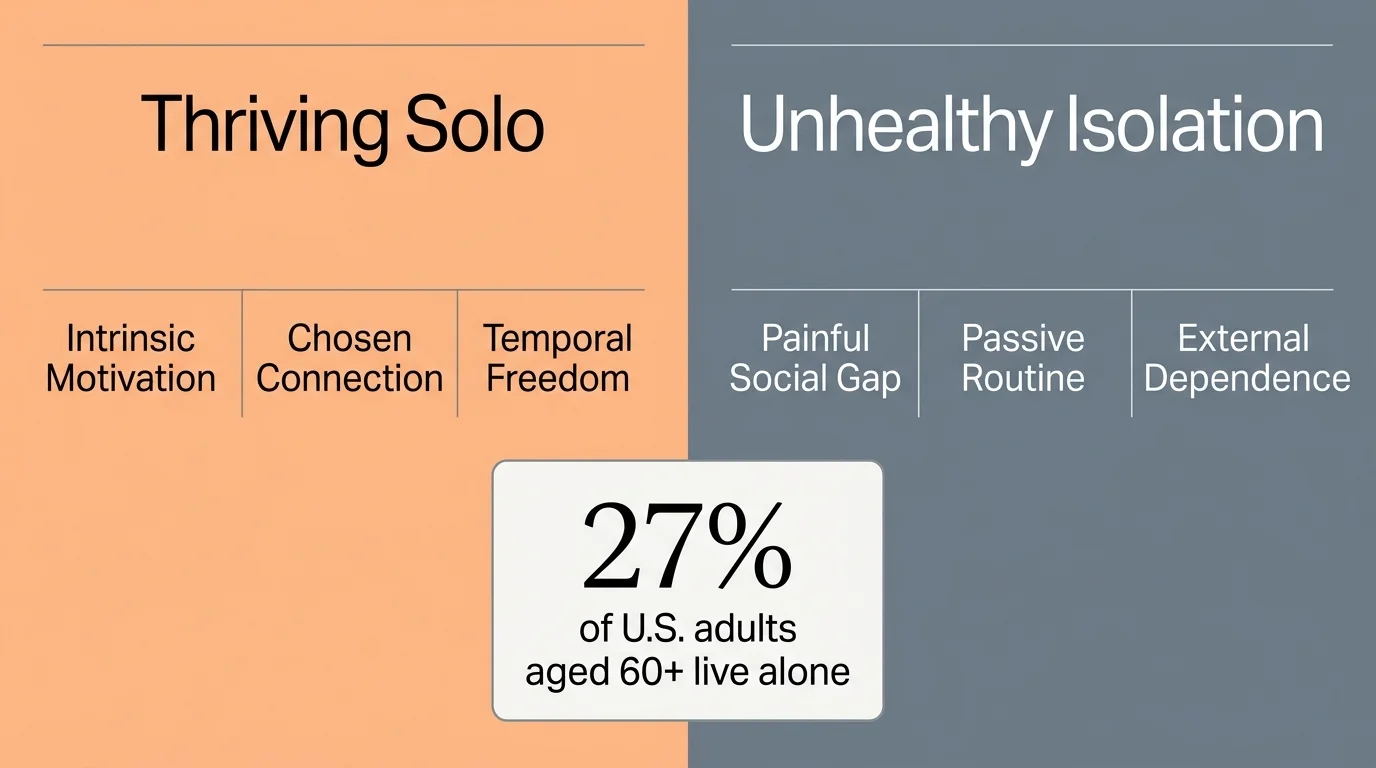
Thriving Solo vs. Unhealthy Isolation: A Comparative Look
Understanding where you stand on the spectrum between empowering solitude and unhealthy social withdrawal can help you maintain your well-being. The following comparison highlights key differences across essential life dimensions:
| Life Dimension | Thriving Solo Senior (Positive Solitude) | Struggling Solo Senior (Social Isolation) |
|---|---|---|
| View of Quiet Time | Sees quiet hours as restorative, peaceful, and productive. | Views empty time as lonely, heavy, and difficult to fill. |
| Social Engagement | Maintains intentional, high-quality connections on personal terms. | Withdraws out of fear, fatigue, apathy, or feelings of unworthiness. |
| Living Space | Maintains a personalized, comfortable, and organized environment. | Neglects the home environment due to low energy or distress. |
| Emotional State | Feels calm, grounded, autonomous, and self-directed. | Feels persistent sadness, anxiety, or emotional numbness. |
| Outlook on Future | Envisions future years with optimism, curiosity, and agency. | Dreads aging alone and feels overwhelmed by uncertainty. |
Common Misconceptions About Solo Retirement
Despite the growing demographic of happy solo retirees, persistent societal stereotypes skew public perception. Addressing these misconceptions empowers you to validate your lifestyle choices with confidence.
- Misconception 1: Living alone automatically causes clinical depression. Extensive clinical literature reviewed by Psychology Today shows that loneliness drives mental health struggles—not living arrangement status alone. An individual living with an incompatible partner can feel far more isolated than someone living contented and solo.
- Misconception 2: Solo retirees lack meaningful social support systems. Research on social networks shows that single and solo-living older adults often build broader, more diverse social circles than married couples, who frequently rely almost exclusively on their spouse for emotional fulfillment.
- Misconception 3: Living alone in older age is always an unfortunate accident. Millions of older adults actively choose solo living following divorce, bereavement, or decades of independent living because they place high value on personal autonomy and peaceful boundaries.

How to Maximize the Benefits of Living Alone in Retirement
To ensure your solo living arrangement remains vibrant and fulfilling over the long term, consider integrating these proactive strategies into your weekly rhythm:
- Establish daily rhythm anchors: Create comforting routines around sleep, physical movement, hobbies, and nutrition to give your days structure without feeling rigid.
- Cultivate a reliable safety network: Maintain a simple check-in system with a trusted neighbor, friend, or relative so you always feel secure regarding medical or emergency situations.
- Invest in modern home conveniences: Utilize smart home automation, grocery delivery, and accessible physical modifications to make routine maintenance easy and manageable.
- Protect your cognitive and physical health: Engage in regular physical activity and mental exercises—tactics endorsed by the Mayo Clinic to maintain vital independence.
- Engage with your local community: Participate in local volunteering, senior center activities, book clubs, or fitness classes to keep your social channels active and rewarding.
Finding the Right Professional Help
While living alone offers immense psychological rewards, recognizing when solitude drifts into problematic isolation is crucial. Reaching out for professional mental health guidance is a sign of self-awareness and strength. Consider connecting with a licensed therapist, counselor, or doctor if you experience any of the following scenarios:
- Persistent feelings of emptiness or sadness: You experience ongoing low mood, frequent crying spells, or a pervasive loss of interest in activities you once enjoyed.
- Decline in self-care or domestic upkeep: You find yourself struggling to maintain basic hygiene, prepare nutritious meals, manage medications, or keep your home clean.
- Anxiety around leaving your home: You feel overwhelming dread or fear when thinking about stepping outside, interacting with others, or attending routine appointments.
- Emotional numbness or severe cognitive fatigue: You notice prolonged brain fog, difficulty making simple decisions, or feeling disconnected from reality and loved ones.
If you or someone you know struggles with emotional distress or mental health challenges, comprehensive resources and support lines are available through the Substance Abuse and Mental Health Services Administration (SAMHSA) or local health services.
Frequently Asked Questions
Is it normal to prefer living alone in retirement after decades of marriage or family life?
Yes, absolutely. After spending decades meeting the needs of children, spouses, or employers, many older adults experience a healthy desire for personal freedom and quiet. Craving your own space does not invalidate your past family life; it simply marks a natural, fulfilling transition into a new chapter focused on self-discovery and personal peace.
How can I stay safe while living alone as a senior?
Prioritize safety by installing adequate lighting, non-slip surfaces, and grab bars where necessary. Use wearable alert devices or smartwatches equipped with fall detection, and set up a daily, informal text or call check-in with a trusted friend, family member, or neighbor. Keeping essential contact numbers easily accessible ensures peace of mind.
What should I do if family members worry about me living alone?
Communicate openly with your loved ones by showing them that your choice is intentional and well-planned. Share your daily routine, demonstrate your home safety measures, and highlight your active social life. Reassure them that living alone supports your mental well-being while establishing clear emergency protocols so they feel confident in your independence.
How do I differentiate between healthy solitude and harmful loneliness?
Healthy solitude feels peaceful, refreshing, and full of choice; you feel grounded and look forward to your day. Harmful loneliness feels heavy, draining, and accompanied by feelings of rejection, depression, or hopelessness. If your quiet time leaves you feeling depleted rather than recharged, it may be time to expand your social circle or consult a counselor.
Embracing Your Solo Journey
Living alone during retirement can become one of the most rewarding and intellectually rich periods of your life. When you honor your need for personal autonomy, curate your living space, and cultivate chosen connections, you create a foundation for profound lasting happiness. Celebrate your independence, trust your judgment, and take pride in crafting a lifestyle that truly serves your emotional well-being.
This is educational content based on psychological research and general principles. Individual experiences vary significantly. For personalized guidance, consult a licensed therapist, psychologist, or counselor.
Last updated: February 2026. Psychology research evolves continuously—verify current findings with professional sources.





Leave a Reply