Psychology Diary

The First Step Toward Change Is Awareness

  • Home
  • Relationships
  • Mental Health
  • Expert Tips
  • Life
  • Family
  • Marriage

The Complete Guide to Understanding and Managing Anxiety After 50

August 31, 2025 · Mental Health

Woman talking to doctor in clinic, expressing health concerns.

Recognizing the Symptoms of Anxiety in Older Adults

In older adults, the symptoms of anxiety can sometimes be less obvious or may be mistaken for other health issues. It’s common to focus on the physical sensations, which can lead to numerous doctor visits without ever addressing the underlying emotional distress. Recognizing the full spectrum of symptoms—physical, emotional, and behavioral—is key to getting the right kind of help. This is a crucial aspect of promoting senior wellness and overall mental health.

Physical Symptoms: More Than Just Nerves

The body often keeps the score when it comes to stress. For many older adults, anxiety shows up physically first. Because these symptoms can overlap with other medical conditions, it’s always important to get a thorough check-up from a doctor to rule out other causes.

Common physical symptoms include:

Cardiovascular Sensations: A pounding or racing heart (palpitations), chest tightness, or a feeling of pressure. These can be particularly frightening as they can mimic symptoms of a heart attack.

Breathing Difficulties: Shortness of breath or a feeling of being unable to get a deep, satisfying breath.

Muscle Tension: Persistent aches and pains, especially in the neck, shoulders, and back. You might also experience headaches or a tight jaw from clenching your teeth.

Digestive Upset: Stomachaches, nausea, constipation, or diarrhea can all be linked to a chronically activated stress response.

Dizziness and Lightheadedness: A feeling of being unsteady on your feet or like the room is spinning.

Sleep Problems: Difficulty falling asleep due to racing thoughts, waking up frequently during the night, or waking up very early and being unable to fall back asleep.

Emotional and Cognitive Symptoms: The Mental Load

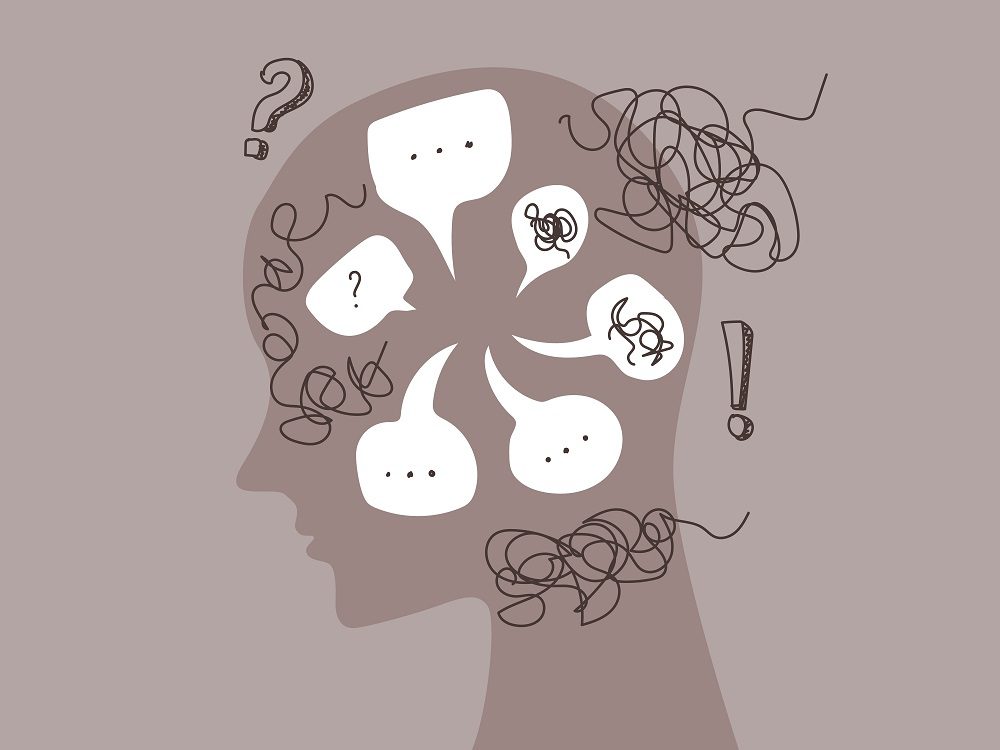
This is the internal experience of anxiety—the constant hum of worry and a mind that won’t switch off. These symptoms can be exhausting and significantly impact your quality of life.

Emotional and cognitive symptoms include:

Excessive Worry: A persistent and often uncontrollable feeling of dread about various aspects of life, such as health, family, or finances. The worry feels out of proportion to the actual situation.

Catastrophic Thinking: The mind immediately jumps to the worst possible conclusion. A missed phone call from a child means they’ve been in a terrible accident. A minor headache is a sign of a brain tumor.

Irritability and Restlessness: Feeling constantly on edge, snappy, or unable to sit still and relax.

Difficulty Concentrating: Anxiety can make it hard to focus on a task, read a book, or even follow a conversation. Some people worry these are signs of cognitive decline, but often, it’s simply that their mental energy is being consumed by worry.

Behavioral Symptoms: How Anxiety Changes Your Actions

Anxiety doesn’t just happen inside your head and body; it changes what you do. These behavioral shifts are often attempts to control the feeling of anxiety, but in the long run, they can make it worse by shrinking your world.

Behavioral symptoms include:

Avoidance: Actively staying away from people, places, or situations that trigger your anxiety. This might mean avoiding social gatherings, refusing to drive on highways, or putting off doctor’s appointments.

Seeking Reassurance: Constantly asking loved ones if everything will be okay, or repeatedly checking on things (like whether the stove is off or the doors are locked).

Social Withdrawal: Pulling back from friends and family because socializing feels too overwhelming or stressful.

Changes in Routine: Becoming rigid about your daily schedule as a way to feel in control, or, conversely, having difficulty completing normal daily tasks because you feel paralyzed by worry.

Pages: 1 2 3 4 5 6 7 8 9 10 11

Share this article

Facebook Twitter Pinterest LinkedIn Email

Leave a Reply Cancel reply

Your email address will not be published. Required fields are marked *

Search

Latest Posts

  • 10 Hidden Signs Your Adult Child Is Toxic
  • A conceptual paper collage showing a silhouette framed by overlapping paper layers, symbolizing a shrinking world. 10 Signs Your Spouse Is Controlling You
  • An adult in a knit sweater sits on a window sill on a gray day, looking out over a misty city with a steaming mug. 10 Subtle Signs You're Just Existing, Not Truly Living
  • Editorial illustration of a person surrounded by a protective warm watercolor aura, deflecting dark droplets on textured paper. 10 Common Psychological Defense Mechanisms - Which One Do You Use?
  • A mixed-media collage silhouette of a person made from torn paper, charcoal sketches, and ink washes, representing fragmented self-trust. 9 Signs of an Emotionally Abusive Relationship
  • A mixed media collage of a human silhouette with layered torn paper in indigo and gold, symbolizing trapped physical energy and healing. 10 Signs Your Body is Holding Trauma
  • An illustration of an adult walking forward, casting a shadow that reveals a towering parental figure behind them. 10 Signs You Were Raised by a Narcissist
  • An editorial gouache illustration of a woman's profile transitioning from concrete architecture to elegant fashion lines. Who Was Melania Before She Met Donald Trump? (A Psychological Portrait)
  • An ink and watercolor illustration of a person holding a large ceramic vase with glowing gold cracks, symbolizing hidden internal pressure. The Psychology of the Person Who Is Always Fine Until They Absolutely Aren't
  • A woman sits in a sunlit home library, looking thoughtfully out a window with an open book on her lap. 12 Signs of a High IQ

Newsletter

Get the latest posts delivered to your inbox.

Related Articles

An ink and watercolor illustration of a morning coffee cup on a wooden table with a gentle ripple, symbolizing subtle early changes.

7 Subtle Signs of Parkinson’s Disease in the Early Stages

Discover the 7 subtle early signs of Parkinson's disease, from sleep changes and loss of…

Read More →
A woman in her 60s sits thoughtfully in a sunlit living room with a mug of tea, reflecting on connection and solitude.

Why Loneliness Hits Harder After 60—and How to Fix It

Discover why loneliness intensifies after 60, learn the difference between solitude and isolation, and explore…

Read More →
war

Most Devastating Psychological Consequences of War

The pain, suffering, and displacement that often come with such a traumatic event is an…

Read More →
Aging

5 Negative Ways Aging Seriously Impacts a Senior’s Mental Health

Loss Of Independence As aging adults tend to become less physically able to engage in…

Read More →
burnout, causes and symptoms

Burnout: Causes and Symptoms explained by Psychologists

What is burnout? Causes and symptoms are presented and explained by psychologists in the following…

Read More →
pet

6 Amazing Mental Health Benefits of Having a Pet

Healthier aging process We can all agree that aging is not an easy process. You…

Read More →
physical activity

8 Reasons Why Physical activity Is Good for Our Mental Health

Today, we will craft a guide meant to provide you with various tips on how…

Read More →
Bipolar Disorder

Bipolar Disorder and the 6 Vicious Myths Surrounding It

How Much Do You Know About Bipolar Disorder? When it comes to bipolar disorder, there…

Read More →
how to stop catastrophizing

5 Tips to Help You Stop Catastrophizing

Do you want to know how to stop catastrophizing? This can be a really helpful…

Read More →

Psychology Diary

The First Step Toward Change Is Awareness

Inedit Agency S.R.L.
Bucharest, Romania

contact@psychologydiary.com

Explore

  • About Us
  • Advertiser Disclosure
  • Contact Us
  • Disclaimer
  • Do not sell my personal information
  • Editorial Policy
  • Frequently Asked Questions
  • Privacy Policy
  • Terms and Conditions
  • Subscribe
  • Unsubscribe

Categories

  • Expert Tips
  • Family
  • Life
  • Marriage
  • Mental Health

© 2026 Psychology Diary. All rights reserved.