
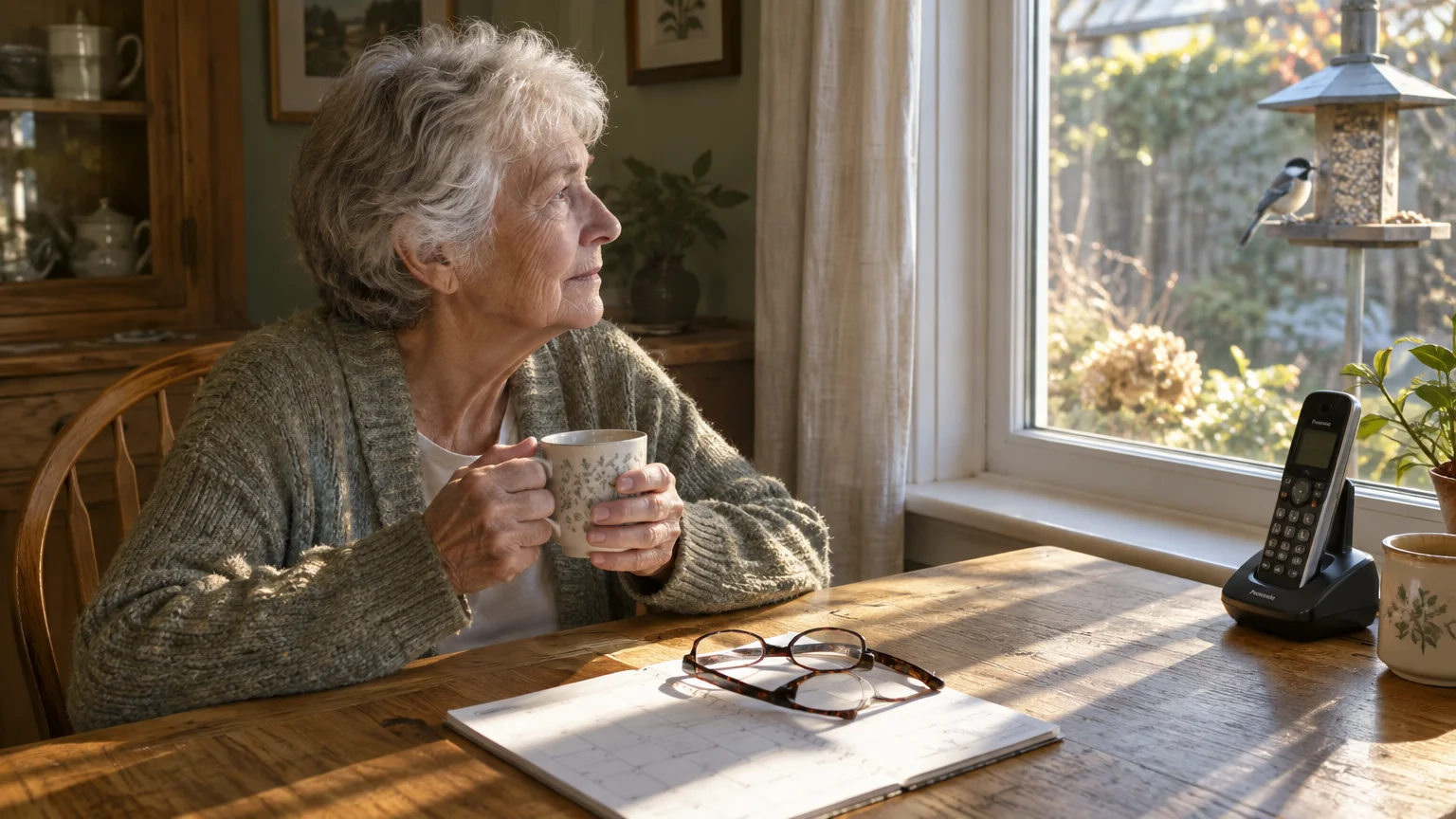
Isolation in Seniors: Recognizing Vulnerability in Older Adults
While young adults battle social isolation, older adults face unique systemic and physical vulnerabilities. Retirement, bereavement, impaired mobility, and hearing loss frequently combine to sever lifelong social networks.
According to data from the National Academies of Sciences, Engineering, and Medicine (NASEM), nearly 24% of community-dwelling U.S. adults aged 65 and older are socially isolated.
Furthermore, more than one-third of adults aged 45 and older report experiencing persistent, chronic loneliness. Combating isolation in seniors requires targeted, empathetic community interventions.
The neurological implications for aging individuals are especially dire. NASEM and CDC research confirms that social isolation among older adults increases the risk of developing dementia and Alzheimer’s disease by approximately 50%.
Complex social dialogue stimulates executive function, memory retrieval, and neural connectivity. Maintaining robust interpersonal relationships serves as an essential cognitive shield throughout your later years.









Leave a Reply