
8 Signs You’re Isolating More Than You Realize
1. The Relief of Cancellation Outweighs Every Other Emotion
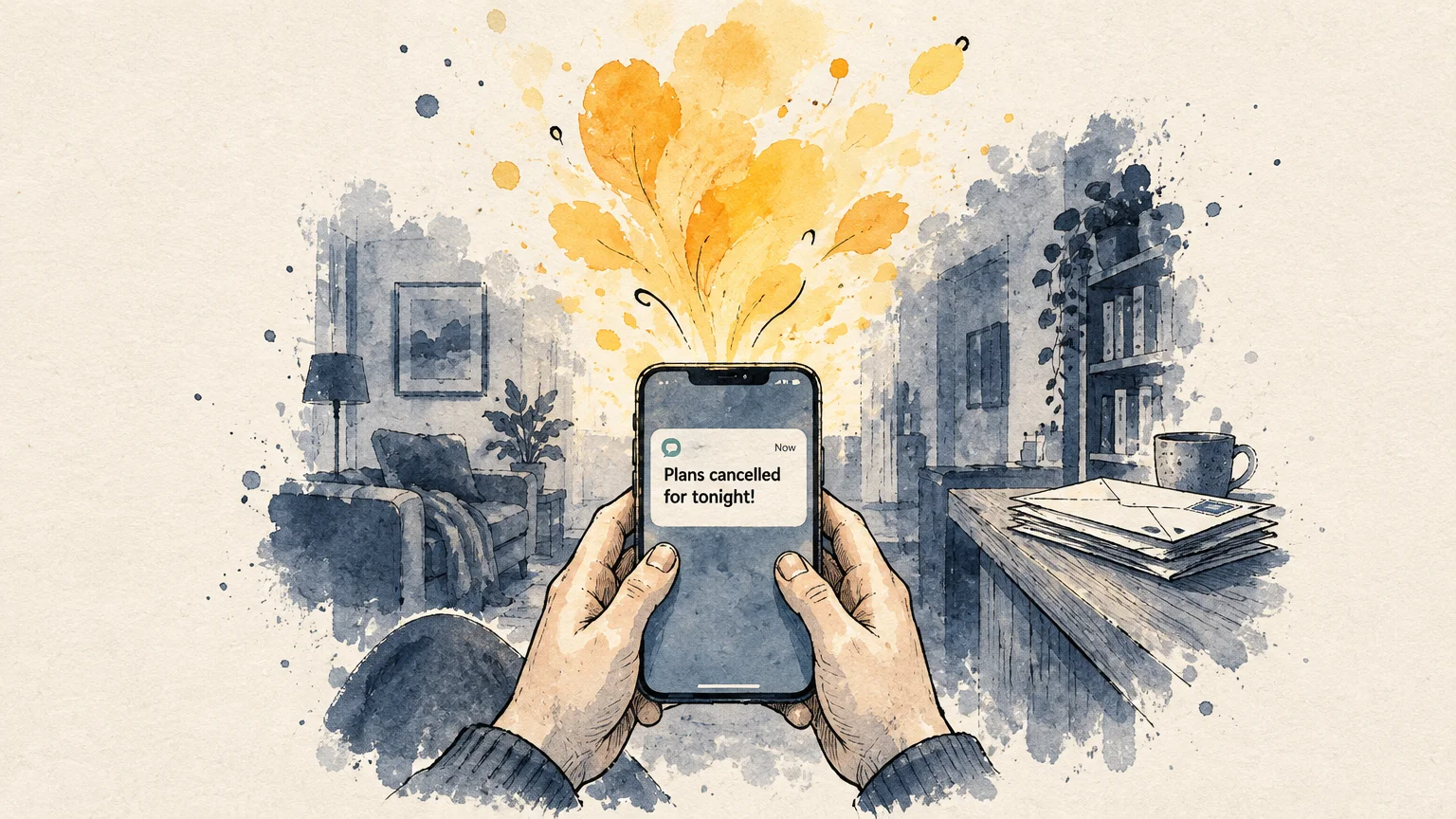
Notice your physical reaction when a friend reschedules dinner or a weekend event gets postponed. If you experience an overwhelming surge of euphoria rather than mild disappointment, take note.
This visceral relief indicates that you viewed the upcoming social commitment as an ordeal to endure. It highlights that your social threshold has dropped significantly below its healthy baseline.
To counter this pattern, honor small commitments even when avoidance feels tempting. Showing up for just thirty minutes often dissolves anticipatory anxiety and restores your relational momentum.
2. Digital Consumption Replaces Reciprocal Communication
You spend hours watching day-in-the-life vlogs, scrolling short-form videos, or listening to conversational podcasts. These parasocial relationships simulate companionship without requiring reciprocal vulnerability or effort.
Your brain registers the illusion of human presence, dampening your acute feelings of loneliness. However, these one-sided digital bonds cannot satisfy your fundamental need for authentic emotional validation.
Swap thirty minutes of passive media consumption for an intentional phone call or text check-in. Engaging in genuine, bidirectional dialogue stimulates empathy circuits that screens cannot activate.
3. Everyday Interactions Feel Disproportionately Exhausting
Exchanging pleasantries with a cashier, greeting a neighbor, or answering a short email feels like climbing a mountain. Your sensory system interprets standard social cues as draining demands.
Social tolerance functions like cardiovascular endurance; it atrophies rapidly without regular, low-stakes practice. When you isolate, your threshold for social stimulation shrinks dramatically.
Rebuild your social stamina by initiating brief, low-pressure micro-interactions throughout your day. A friendly comment to a barista helps recalibrate your nervous system without exhausting your energy.
4. Your Inner Monologue Becomes Distorted and Echoey
Without regular conversation to ground you, your internal thoughts loop through repetitive, self-critical narratives. You might replay past awkward interactions or convince yourself that colleagues secretly dislike you.
Social interaction provides natural reality checks that prevent internal distortions from compounding. Other people offer fresh perspectives, gentle humor, and objective feedback that interrupt rumination.
When your inner monologue turns excessively negative, share your thoughts with a trusted confidant. Verbalizing your anxieties to an empathetic listener instantly weakens their emotional grip.
5. Routine Self-Care and Domestic Standards Slip
Your personal hygiene, meal preparation, and household organization begin unraveling when visitors stop coming over. You postpone laundry, skip nutritious meals, and abandon routines that once structured your mornings.
These behaviors are subtle signs of social isolation that reflect an eroding sense of social accountability. When you feel disconnected from community, daily self-care loses its perceived significance.
Restore your dignity by maintaining your living environment as if you were hosting an esteemed guest. Caring for your physical surroundings directly reinforces your internal self-worth.
6. You Rationalize Solitude as Rest, but Never Feel Rested
You spend your entire weekend isolated on the couch, convincing yourself that you are replenishing your battery. Yet Monday morning arrives and you feel sluggish, emotionally numb, and unmotivated.
This state is not restorative rest; it is passive dissociation driven by sensory overconsumption and emotional avoidance. Real rest nourishes your spirit, while passive avoidance deepens internal fatigue.
Replace passive withdrawal with active leisure, such as walking in nature, journaling, or creative hobbies. Active engagement restores cognitive vitality far more effectively than zoning out alone.
7. Vulnerability and Reaching Out Feel Immensely Threatening
The mere thought of admitting you feel lonely triggers intense shame or defensive pride. You adopt a stance of fierce hyper-independence, insisting you do not need anyone in your life.
This defensive armor protects you from potential rejection, but it locks genuine emotional warmth out. Renowned shame researcher Brené Brown highlights the critical necessity of mutual connection.
“Connection is the energy that exists between people when they feel seen, heard, and valued; when they can give and receive without judgment; and when they derive sustenance and strength from the relationship.” — Brené Brown, Ph.D., MSW
Hyper-independence is often a trauma response masquerading as personal strength. Allowing yourself to lean on others occasionally is an act of courage, not a sign of weakness.
8. Physical Symptoms of Chronic Under-Stimulation Emerge
Your body translates chronic emotional disconnection into physical distress. You might develop tension headaches, unexplained gastrointestinal problems, frequent colds, or fragmented sleep patterns.
The human nervous system registers prolonged social separation as an environmental threat. This chronic stress state triggers systemic inflammation and suppresses immune function over time.
Pay attention to somatic cues as vital loneliness warning signs from your autonomic nervous system. Your physical symptoms may simply be your body’s biological plea for interpersonal connection.


Leave a Reply