
Frequently Asked Questions
How can I tell if I am naturally introverted or slipping into unhealthy isolation?
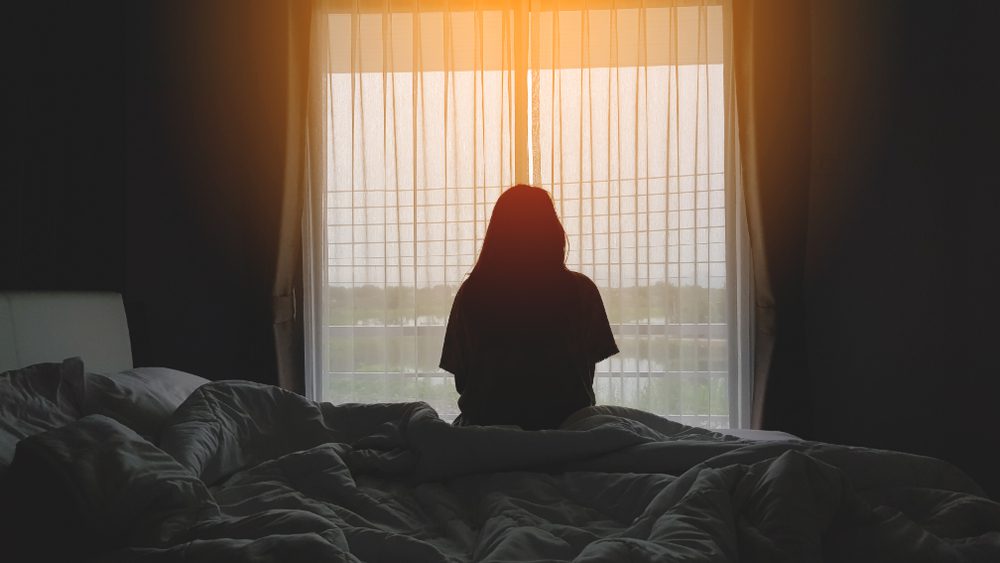
Introversion reflects how you recharge your energy, whereas isolation is driven by avoidance, fear, or chronic apathy. If your quiet time leaves you feeling anxious, guilty, or depleted rather than refreshed, you are likely isolating.
What is the fastest way to break a cycle of social withdrawal?
Start with low-friction micro-moments of connection that demand minimal vulnerability. Exchanging a warm greeting with a neighbor or sending a casual text to a family member safely reactivates your social circuits.
Why does social interaction feel so physically exhausting after being alone?
Your brain treats social stimuli like a sensory muscle that atrophies during disuse. When you withdraw, your nervous system must work twice as hard to process facial expressions, vocal tones, and conversational pacing.
How does isolation affect older adults differently than younger demographics?
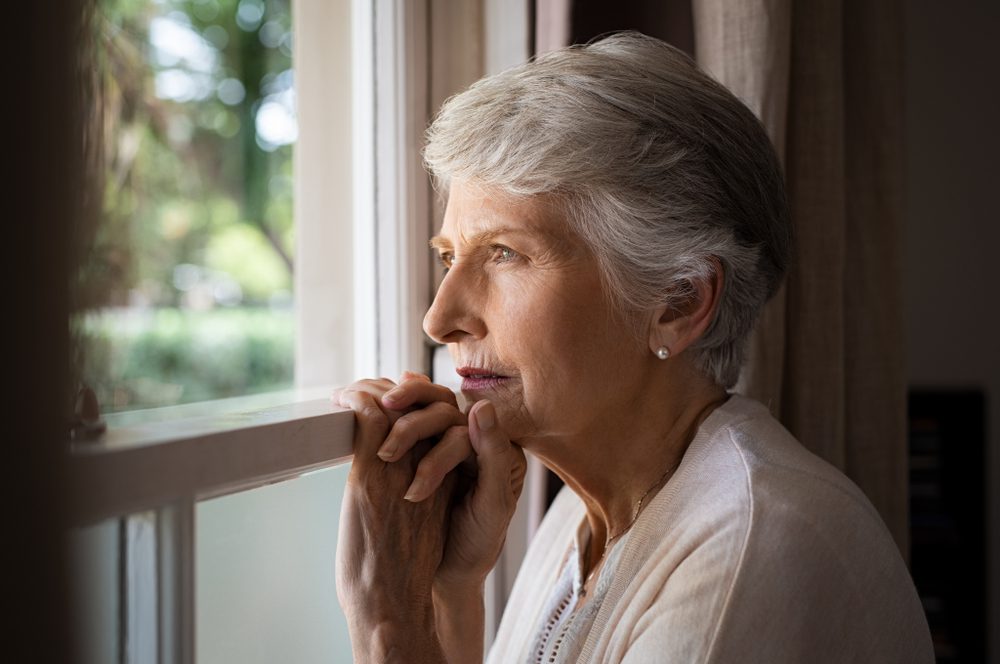
Older adults face structural isolation due to mobility loss, bereavement, and retirement, whereas younger adults often experience subjective loneliness despite being surrounded by peers. In seniors, prolonged isolation increases dementia risk by roughly 50%.






Leave a Reply